
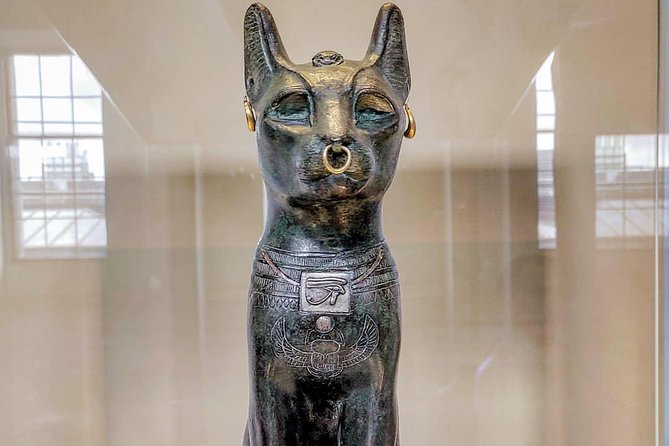
REVIEW · LONDON MUSEUMS AND GALLERIES
Crash course in archaeology at the British Museum
London archaeology, packed into one walk.
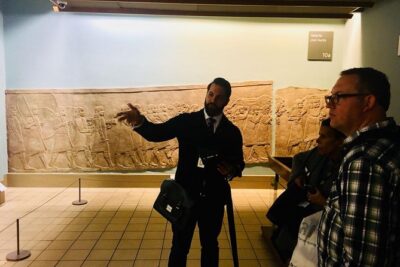
This British Museum tour gives you a clear, story-led timeline with archaeologist guide Rossa, from early human tools up through major civilizations and into the museum’s later connections. I love the way his explanations turn objects into people and discoveries, and I love the fast, practical route that helps you not get swallowed by the museum’s size with full-throttle storytelling.
The main thing to consider is that it’s not a sit-and-sip tour. You’ll do a lot of standing and short stop listening, so plan for standing time and grab a folding stool if they have one available.
In This Review
- Key things I’d plan around
- Why this British Museum archaeology tour works so well
- Meet Rossa and find your flow near Russell Square
- A 5.5-hour chronology you can actually follow
- Enter the British Museum highlights with focus, not chaos
- Scripts and decipherment: why the Rosetta Stone story matters
- The people behind the collection: explorers, relic-hunters, archaeologists
- Comfort and pacing: standing, breaks, and the fold-up stool tip
- Price and logistics: $83.34 is the deal if you want meaning
- What you can do after, since the tour is morning-focused
- Who should book this tour, and who might want a different format
- Should you book the Crash Course in Archaeology at the British Museum?
- FAQ
- How much does the British Museum archaeology tour cost?
- How long is the tour?
- Where do I meet the tour?
- What time does it start?
- Is lunch included?
- What’s included with the tour?
- Is the tour in English and do I need a printed ticket?
- How big is the group?
- What is the cancellation window?
Key things I’d plan around
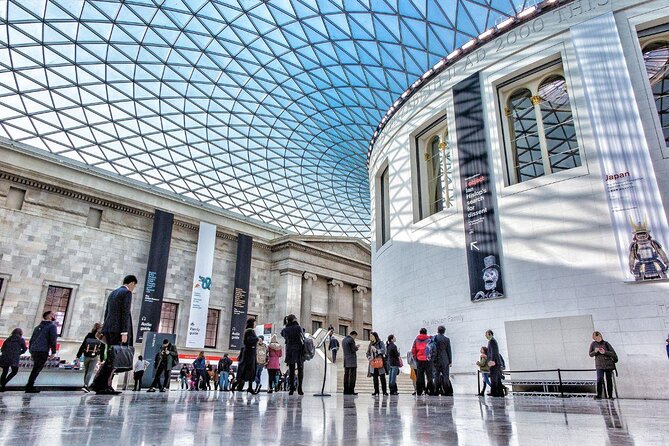
A curated sweep across ancient Egypt, Assyria, Greece, Rome, plus Vikings and Aztecs
An archaeologist guide named Rossa, with strong context about how objects were found
Decoding stories tied to big script breakthroughs like Egyptian hieroglyphs and cuneiform
A chronology approach, so you can follow history instead of wandering room to room
A small group size, capped at 25, which keeps the pace manageable
Morning timing that leaves your afternoon free for your own museum exploring
Rainy afternoon fixed: more museum visits we tried
- British Museum London Guided Tour Semi-Private 8ppl Max★ 5.0 · 984 reviews
- The British Museum London – Exclusive Guided Museum Tour★ 5.0 · 555 reviews
- British Museum Guided Tour★ 4.0 · 470 reviews
- Private Guided Tour of the British Museum – Tickets Included★ 5.0 · 193 reviews
Why this British Museum archaeology tour works so well
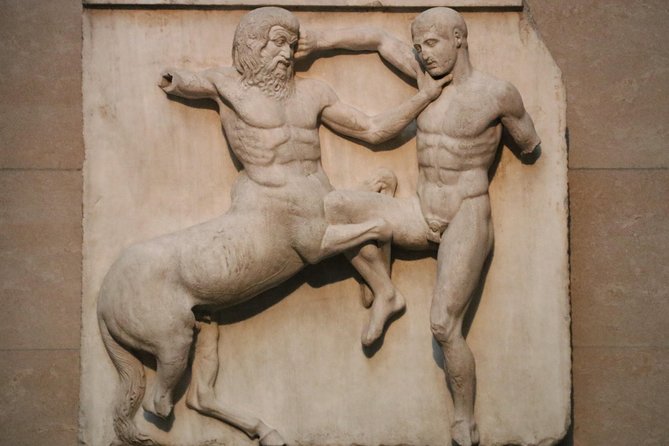
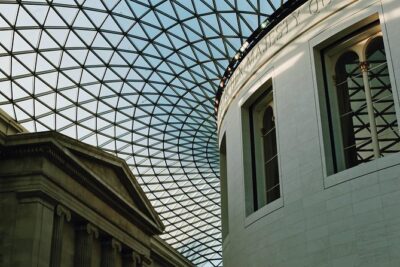
The British Museum can feel like a maze made of marble floors and endless rooms. One minute you’re staring at something that looks like a relic, the next you’re wondering what century you’re even in. This tour helps you avoid that spiral by treating the museum like a timeline, not a checklist.
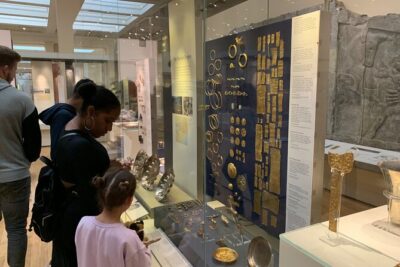
What I liked most is that you’re not just looking at impressive objects. You’re learning why archaeologists care about them, and how those items moved from places in the world to this London gallery. That matters, because museum labels often give you facts without giving you the detective story.
You also get a guided route that focuses on big themes. You’ll cover standout civilizations including ancient Egypt, Assyria, Greece, and Rome. The tour doesn’t stop there either. You’ll also hear about Vikings and Aztecs, which is a nice reminder that the museum’s collections are not all one region or one era.
And because it starts in the morning, it’s easy to treat it like your “orientation day.” After 5 hours or so with the guide, you can keep exploring on your own with more confidence.
Meet Rossa and find your flow near Russell Square
The meeting point is at Russell Square, Bernard St, London WC1N 1LJ, with a start time of 9:45 am. You’ll end at Great Russell St, London WC1B 3DG. The tour uses a mobile ticket, and it’s offered in English.
Why I think the meeting time matters: the museum can get crowded. A morning start gives you a better shot at moving through galleries without spending the whole day stuck behind people trying to do the same highlights route you are.
You’re not going to be shuffled into a huge herd either. The group maximum is 25 people, which keeps the pacing clearer. It also helps with questions, even if the tour stays structured.
The guide’s name is Rossa, and multiple people highlight how his explanations feel passionate and grounded in the hunt for meaning. In practice, that means he points out details you might miss when you’re just scanning cases at your own speed.
A 5.5-hour chronology you can actually follow
Even if you’re not a “history person,” this works because it’s built around a simple skill: ordering events in your head. Instead of bouncing randomly between rooms, you move through periods and ideas in sequence.
From what you can expect, Rossa’s story approach starts with early humans and tools, then follows the bigger arc toward early village and city life, and into later civilizations. The British Museum is huge, so the trick is choosing a path that makes sense. This tour does that by selecting objects that act like milestones.
You’ll also get explanations about how ancient people recorded the world, and why those records survived. The tour touches script breakthroughs, including Egyptian hieroglyphs and cuneiform, and it connects decipherment to the way we can understand history now.
One thing I’d call out is that the tour feels like a lecture in motion. You’ll be listening during short stops while still moving through galleries. If you hate standing still, bring a strategy (more on that below), but don’t expect a slow, stop-then-lounge style experience.
Also, the tour includes breaks. From the way it’s described, there are pauses for lunch-related needs and bathroom time, and the guide helps keep the day moving smoothly.
Enter the British Museum highlights with focus, not chaos
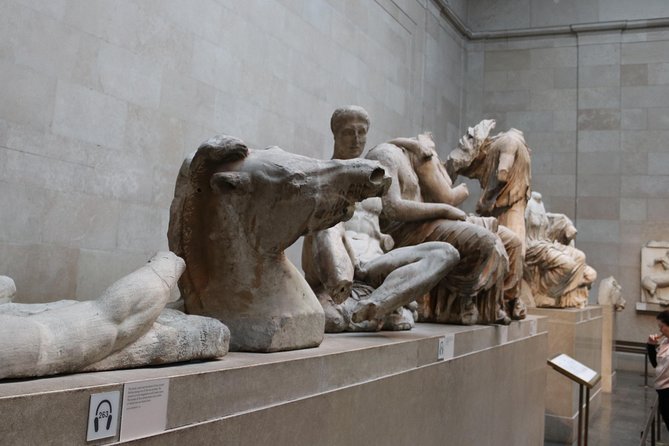
When you walk into the British Museum on your own, the hard part is knowing where to look first. This tour solves that by taking you to a set of high-impact areas and then using them to explain what’s going on in human history.
The museum’s highlights you’ll encounter include major ancient civilizations and famous artifacts tied to the museum’s reputation. Based on the tour’s framing, the stops are not random. They’re meant to build a mental map of how ideas, technology, and power developed.
Ancient Egypt gets attention in a way that goes beyond “pretty statues.” You’ll also hear about how hieroglyphs were deciphered, which turns Egyptology from trivia into a story about reading the past.
Assyria and Mesopotamia are part of the core timeline too, and this is where decipherment and archaeology really click. Cuneiform, for example, is not just an alphabet. It’s a record system that opened whole civilizations to modern study.
Then you go into the Greco-Roman world. Greece and Rome show up as major steps in political and cultural history, and the tour uses selected objects to explain why those eras changed the shape of the Mediterranean world.
And yes, the tour includes other regions and time periods too, including mentions of Vikings and Aztecs. That is a big reason the tour feels fresh. It doesn’t trap you in one themed corner of the museum.
Other collections we queued for




Scripts and decipherment: why the Rosetta Stone story matters
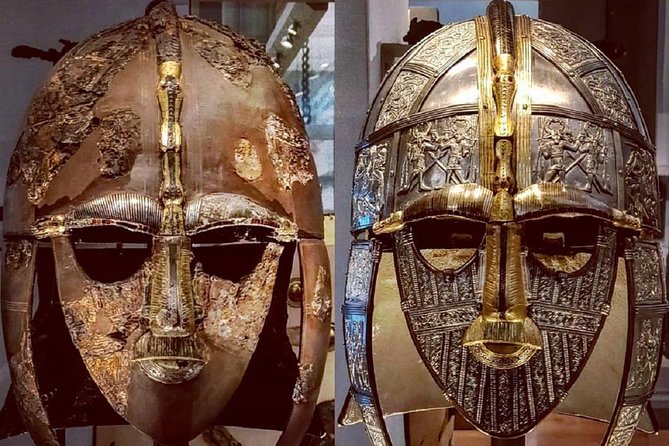
If you want one reason this tour feels more meaningful than a generic highlights walk, it’s the attention to how we know what we know.
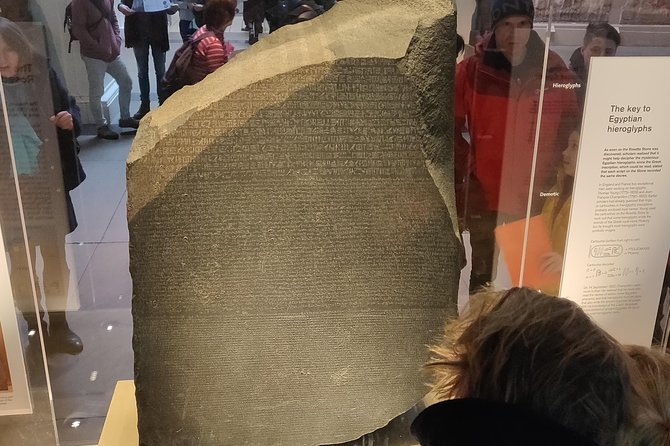
When the tour talks about Egyptian hieroglyphs and cuneiform, it’s basically giving you the behind-the-scenes of archaeology and scholarship. Without decipherment, many ancient records would be visual mysteries instead of readable history.
The Rosetta Stone connection often comes up in this kind of museum-focused storytelling, and it’s exactly the sort of object that helps you understand the leap from artifact to evidence. You’re not just seeing a famous item. You’re learning what decoding made possible.
Cuneiform has a similar effect. Once you understand how it was deciphered, the Assyrian and Mesopotamian pieces in the museum stop being isolated objects. They become chapters of written history you can place in context.
This matters for your experience because it changes what you notice. You start looking for clues: shapes, symbols, materials, and the purpose of the record. That shifts the museum from “stuff” into “sources.”
The people behind the collection: explorers, relic-hunters, archaeologists
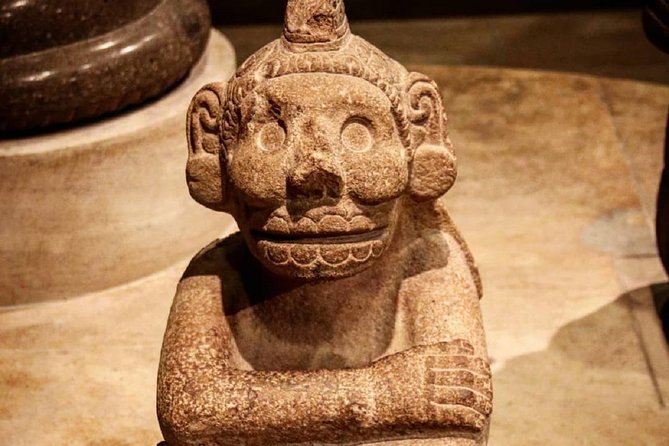
One of the smartest angles of this tour is that it doesn’t pretend all collecting was clean and simple. You hear about archaeologists alongside relic-hunters and explorers who helped build up the museum’s collection.
That gives you a more honest view of how major collections formed. It also adds friction to the story in a useful way, because it asks you to think about power, travel, and the global movement of objects.
In a museum setting, that framing changes your mindset. Instead of treating each object like it arrived in perfect condition at a neutral time, you start to ask questions like: Who found it? How did it get here? What did that discovery mean to the people who made it?
Rossa’s narration seems to lean into this storytelling approach, including explanations tied to the role of specific figures connected to discoveries and interpretation. The result is that you learn archaeology as a human process, not just a science of digging.
Comfort and pacing: standing, breaks, and the fold-up stool tip
Here’s the practical truth: this tour is built around standing and listening in short intervals while you move. Multiple people call out how the time can be tough on your feet, even if the content is gripping.
That doesn’t mean it’s a bad tour. It means you should plan for it.
One very useful tip that shows up repeatedly is to look for the museum’s little folding stools. People describe finding fold-out chairs when they enter, and they say it can save the day. If you wait until later to find one, you might have a harder time. So get one early if you can.
Also, wear shoes you can stand in for hours. This is not a “cute sneakers, only if you feel like it” situation.
Lunch is not included. So plan what you’ll do when the tour’s break time arrives. The museum’s food options can be pricey and limited, and one easy workaround is bringing your own food so you’re not stuck deciding between hunger and convenience.
Finally, don’t underestimate how fast 5 hours can pass when you’re listening to a well-paced story. People say the time flew by, but you still need a body plan for standing.
Price and logistics: $83.34 is the deal if you want meaning
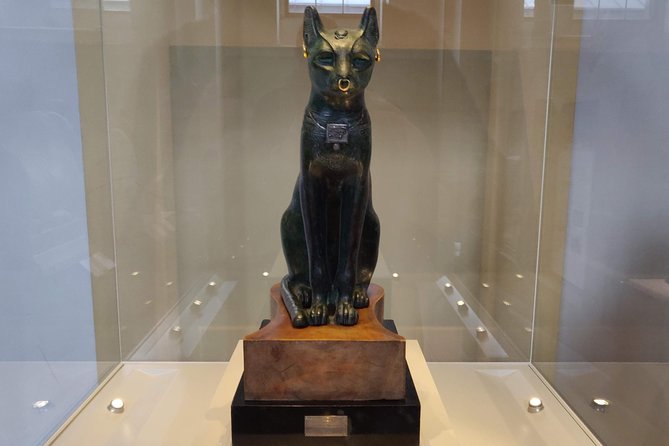
The price is $83.34 per person for about 5 hours 30 minutes. That’s a chunk of money for a museum activity, but it’s not just a ticket cost. You’re paying for an archaeologist guide who keeps the story threaded across many galleries.
The value shows up in three ways:
- You get context for objects that would otherwise be hard to interpret quickly.
- You save time. The British Museum is huge. A guided route focused on a chronology is efficient.
- You get an approach to decipherment and discovery, not just a tour of famous names.
If your goal is only to see every single British Museum highlight on your own, this might feel too focused. People mention it’s best when you already have some familiarity with the museum, or when you’re specifically interested in archaeology and how scholars read the past.
So I’d treat it like a guided education. Not a free-for-all sightseeing pass.
What you can do after, since the tour is morning-focused
A big plus is that morning tours leave your afternoon open. After the crash course, you’re in a stronger position to explore deeper on your own.
Here’s the smart way to use that free time: pick one or two areas you’re most curious about and follow up with the kinds of objects your guide helped you notice. If you now understand the logic behind decipherment or the role of archaeology in building collections, you’ll recognize patterns faster.
You can also use the afternoon to rest. This tour can be a lot of standing, so don’t plan a marathon schedule right after. Instead, think of the afternoon as your chance to wander without pressure.
Who should book this tour, and who might want a different format
This is best for you if you love archaeology, history, and the stories behind discoveries. You’ll also like it if you want a chronology you can follow, with real explanations tied to the museum’s major civilizations.
It’s also a great choice if you’ve visited the British Museum before and still felt like you were missing the thread. A guide who frames objects as evidence helps you reorganize the whole experience.
The tour is described as suitable for most travelers and it allows service animals. Group size stays capped at 25, which tends to make the experience smoother than large public tours.
It might be less ideal if you strongly prefer sitting most of the time, or if you want to cover everything in the museum in one go. This is selective by design. You’re there to learn, not to check off every room.
Should you book the Crash Course in Archaeology at the British Museum?
If you want a smarter way to see the British Museum, book it. You’re paying for a guided narrative and for an archaeologist perspective that turns famous objects into understandable history.
I’d especially recommend it if you care about questions like: How did we learn to read ancient scripts? How do archaeologists know what they know? What did explorers and collectors contribute, and what complications came with that?
The one decision factor is comfort. If standing for hours will be an issue, bring a plan for seating (and check for those fold-up stools) and consider pacing your day.
FAQ
How much does the British Museum archaeology tour cost?
The price is $83.34 per person.
How long is the tour?
It runs for about 5 hours 30 minutes.
Where do I meet the tour?
The start is at Russell Square, Bernard St, London WC1N 1LJ, UK.
What time does it start?
It starts at 9:45 am.
Is lunch included?
No, lunch is not included.
What’s included with the tour?
A qualified archaeologist guide is included.
Is the tour in English and do I need a printed ticket?
It is offered in English, and you’ll use a mobile ticket.
How big is the group?
The maximum group size is 25 travelers.
What is the cancellation window?
You can cancel for a full refund up to 24 hours in advance of the experience start time.
Other Collections Worth An Hour




Museum Days In London


Fresh off the notebook in London
- Private Rock ‘n’ Roll Music Tour of Central London
★ 5.0 · 7 reviews - London Walking Tour: Camden Town Photography Walkabout
★ 5.0 · 7 reviews - Private Transfer from London accommodation to Cruise terminal
★ 5.0 · 7 reviews - Amazing Nightlife in London East Tour
★ 4.5 · 7 reviews - The British Museum: a highlights tour with a TV historian
★ 5.0 · 7 reviews - Heathrow Airport to Cambridge private taxi transfers
★ 5.0 · 7 reviews
London Museums and Galleries, compared.
 ★ 5.0British Museum London Guided Tour Semi-Private 8ppl MaxFrom $108984 reviews
 ★ 5.0The British Museum London – Exclusive Guided Museum TourFrom $108555 reviews
 ★ 4.0British Museum Guided TourFrom $18470 reviews
 ★ 5.0Private Guided Tour of the British Museum – Tickets IncludedFrom $187193 reviews
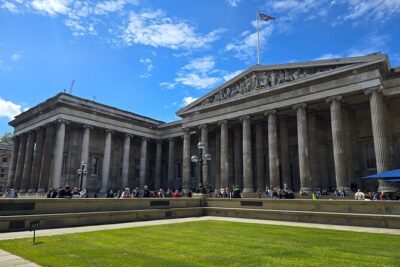 ★ 5.0British Museum Guided Tour with Priority Timeslots(Small Group)From $48192 reviews
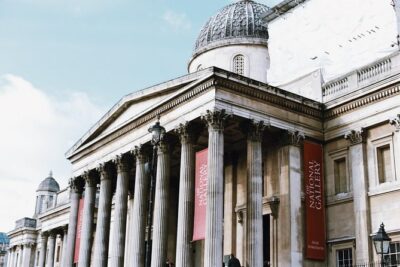 ★ 5.0National Gallery of London Museum Tour Semi-Private 8ppl MaxFrom $108178 reviews
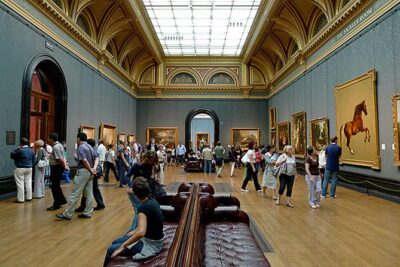 ★ 5.0British Museum & National Gallery of London Semi-Private 8ppl MaxFrom $201168 reviews
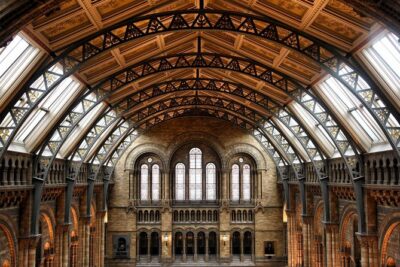 ★ 5.0Natural History Museum London – Exclusive Guided Museum TourFrom $108153 reviews
Browse the lists this tour appears in