
REVIEW · CRUISES & BOAT TOURS
Cruise Wells Next The Sea on Historic RNLI and Dunkirk Veteran Lifeboat
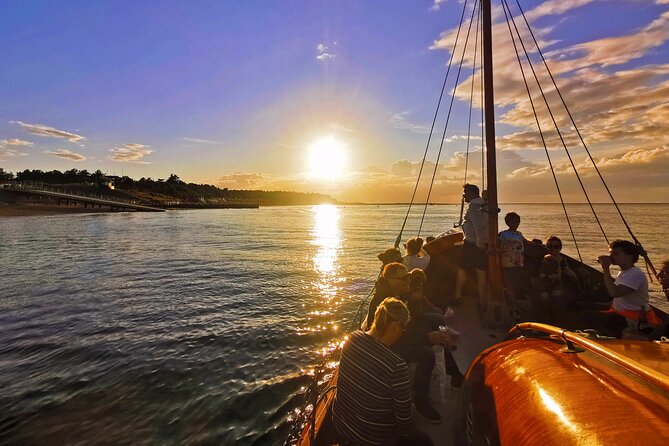
A lifeboat cruise turns history into something you feel. On this RNLI and Dunkirk Veteran Lifeboat trip from Wells Next the Sea, I love the renovated boat you can wander through, and the crew’s Dynamo-era stories as you pass the harbour. It is small, intimate, and the kind of Norfolk outing where you learn while you look out the window.
You’ll be looked after from start to finish, with the crew running the show and you settling in with a hot or cold drink. With a maximum of 12 people, questions do not get swallowed by the crowd noise.
One drawback to plan around: the whole cruise is about 1 hour 30 minutes, and it depends on good weather, so you are not getting a long, slow, land-based day trip.
In This Review
- Key things to know before you go
- Entering A WWII-Era Vessel at Wells Next the Sea
- Getting Onboard: How the Small-Group Format Really Feels
- Historic Harbour Cruise at Wells: Wildlife, Lifeboat Stories, and Local Maritime Context
- Stop at Wells Next the Sea Beach: The View From the Water and a Short Drift
- Why the Renovated Lifeboat Matters More Than You Think
- Dynamo, WWII Lifesaving, and the Q&A Moment You Should Use
- Drinks, Comfort, and What the Reviews Hint at
- Timing and Weather: The Norfolk Sea Reality Check
- Price and Value: Is $243 Worth a 1.5 Hour Lifeboat Cruise?
- Who This Tour Fits Best (and Who Might Want a Different Plan)
- Should You Book This Lifeboat Cruise from Wells Next the Sea?
- FAQ
- How long is the cruise?
- How many people are on the tour?
- Where do we meet for the tour?
- Is the ticket a mobile ticket?
- Are drinks included?
- Is there any admission fee for the beach stop?
- What’s included in the harbour cruise?
- Is the tour weather dependent?
- Can service animals travel on the tour?
- Is this tour near public transportation?
Key things to know before you go
- Renovations you can actually see, with time to explore onboard details
- Dynamo and lifeboat history Q&A, guided by the captain and crew
- A real viewpoint of Wells Next the Sea beach from the water, plus a short drift
- Wildlife and harbour scenery during the historic harbour cruise
- Maximum 12 passengers, which keeps the tone personal and interactive
Boat days across Norwich, deck by deck
- Private Boat Sightseeing Tour along The North Norfolk Coast★ 5.0 · 9 reviews
Entering A WWII-Era Vessel at Wells Next the Sea
This tour has a simple magic trick: it turns a coast cruise into a moving history lesson. You meet at 2 E Quay in Wells-next-the-Sea, then step onto a lifeboat tied to the RNLI world and a Dunkirk veteran past. The boat is the star, not just the background.
What I like most is the way the crew balances story with the view in front of you. As you glide through the harbour, you hear about lifeboat work and local maritime connections, then you look up at the shoreline again like you just got your bearings back.
And yes, you are not stuck in a lecture mode. You get time to ask questions, check details onboard, and sip something warm or cool as the tide and light do their thing. It is a very “Norfolk by the sea” way to spend 90 minutes.
Getting Onboard: How the Small-Group Format Really Feels
The group size matters here, because the best part is the conversation. You are capped at 12 travelers, so you can ask follow-ups without raising your voice or waiting for someone else to go first. The crew runs the logistics, which means you can focus on enjoying the ride and listening.
The meeting point is straightforward: 2 E Quay, Wells-next-the-Sea NR23 1FA, UK. The tour ends back at the same spot. That is helpful if you are building a day around other plans in Wells next the Sea or nearby.
You’ll also use a mobile ticket, so bring your phone and a fully charged battery. Service animals are allowed, and the activity is near public transportation. Most travelers can participate, which is a good sign if you want this style of trip without a long list of restrictions.
Historic Harbour Cruise at Wells: Wildlife, Lifeboat Stories, and Local Maritime Context
The first stage is a cruise through the historic harbour at Wells Next The Sea. This is where the experience earns its keep. Instead of just passing the shoreline, you get sailing time while your guide connects the place to lifeboat work and local maritime history.
You can expect wildlife and lots of views. The coast here is the point, and being on the waterline changes the angles completely. Shorefront buildings, the harbour shape, and the feel of the tide all look different from a lifeboat than from a footpath.
Most importantly, the crew weaves in lifeboat stories and future plans for the vessel. That future-talk is not just talk for the sake of it. It makes you feel like you are meeting the boat at a turning point, where restoration and preservation are active tasks, not finished museum paperwork.
Practical note: this part sets the tone for the whole tour. If you are hoping for history that feels tied to what you are seeing, do not rush past it. Pay attention early, because the stories help you understand what you are looking at later.
Stop at Wells Next the Sea Beach: The View From the Water and a Short Drift
After the harbour cruise, you shift to Wells Next the Sea Beach. From the water, you get a perspective on one of the UK’s most stunning beaches that you simply cannot replicate from land. You see the shoreline stretch, the way the waterline moves, and the scale of the sand and sea in one glance.
Then the tour adds a small but satisfying extra: you stop and drift with the tide while you take in the view. The time here is about 15 minutes, so it is short, but it is also intentional. This is not a long beach walk. It is a chance to slow down, enjoy the coastal scenery, and let the setting do the work.
Drinks are part of this moment too. You can enjoy a cup of tea, coffee, or a cold drink while you watch the beach from the water. If you are the type who thinks a good trip needs one perfect pause, this is that pause.
If you want to photograph, aim for comfortable positions where you can see both the shoreline and the horizon. There is a lot of contrast here, and the drift gives you gradual changes rather than one quick snapshot.
More history led walks worth the hour
Why the Renovated Lifeboat Matters More Than You Think
On paper, this is a WWII-linked lifeboat cruise. In practice, what stands out is how the renovations change the feel. You are not just sitting on a deck and listening. You are exploring onboard, seeing the work that has gone into getting the boat ready for people to experience it.
Some passengers describe the boat as beautiful and well decked out, and that matches what you should look for during your onboard time. Notice the materials, the craftsmanship, and the way the crew keeps the space visitor-friendly. Restoration can be a dry topic when you only see it in photos. Here, you see it in person.
The crew also talks about plans for the boat’s future. That part helps you connect the dots between the past and what is happening now. You start to understand that keeping a historic vessel afloat takes ongoing effort, funding, and care, not just nostalgia.
And if you like maritime gear and the human side of lifesaving, this is a great format. You can ask questions and relate the historic stories to the actual vessel in front of you. That is a better way to learn than reading a panel with no room to question it.
Dynamo, WWII Lifesaving, and the Q&A Moment You Should Use
The tour encourages questions about lifesaving operations, including Dynamo. That is the kind of topic that becomes more meaningful when you ask directly. You can tailor your questions to what you care about most, whether that is the people involved, the operational side, or how lifesaving work shaped coastal communities.
The crew and captain handle history lessons as part of the experience. Because you are on a small boat with a small group, your questions are not stuck in a queue. This is one of those moments where you should speak up early, because once you get your footing in the conversation, you get better answers.
A bonus here is that the history does not compete with the scenery. You can listen while watching harbour features slide by, then look up again and connect it to the setting. That rhythm keeps the tour from turning into pure sightseeing or pure storytelling.
Drinks, Comfort, and What the Reviews Hint at
You will be out on the water, so comfort matters. The tour includes hot or cold drinks, and there is mention of hot chocolate in the onboard experience. That is a smart touch for a sea trip because it makes the whole outing feel warmer and more welcoming, especially when the wind cuts in.
On a hot day, being on the water can also feel like a relief. You get movement, breeze, and views without the effort of a long walk. The crew keeps things moving in a way that helps the time feel full, even though the tour length is compact.
One more point from real-world experience: sometimes the sea day adds unexpected visuals. There is an example of a fire response unfolding across the water in a nature reserve, which made the crew’s focus shift. You cannot plan for that, but it is a reminder that coastal life is active and things happen.
Timing and Weather: The Norfolk Sea Reality Check
This cruise requires good weather. That means you should book with flexibility and have a backup plan for the rest of your day. If weather cancels the tour, you are offered a different date or a full refund, which is reassuring if the forecast looks shaky.
In practice, that means you should dress for changing conditions. Even in a warm month, sea wind can cool things off quickly. Bring layers you can manage easily, and if you have a hat or sunglasses you like, bring them. You will be looking at light and shoreline for a while.
If you can choose your departure time, think about the light. One of the standout moments described by passengers is a sunset-like experience, where the horizon steals the show. Even if you do not chase sunset, you still want a time when the scenery looks its best.
Price and Value: Is $243 Worth a 1.5 Hour Lifeboat Cruise?
At $243, this is not a budget activity. The value comes from the combination of a very specific boat, a guided history experience, small-group interaction, and included drinks.
Here is the trade-off you should consider:
- If you want a generic coast cruise, you might feel the price is steep for the time.
- If you want history tied to a historic vessel, with space to ask questions and time to explore onboard, the price starts to make sense.
You are paying for access to a renovated lifeboat experience, not just a ride. You also get sailing time through a historic harbour and a beach viewpoint from the water, with tea, coffee, or cold drinks included. For a compact 1 hour 30 minutes, the tour packs in both the scenery and the storytelling.
My advice: decide based on your interest level in WWII-era lifesaving and maritime history. If you get excited by that topic, this tour feels like money well spent. If you are mainly there for a quick photo stop, you may prefer a less specialized option.
Who This Tour Fits Best (and Who Might Want a Different Plan)
This cruise is a strong match for:
- People who like hands-on history, where you can look around at the vessel while learning
- Anyone traveling with limited time who still wants a memorable story-based activity
- Visitors who enjoy asking questions and getting direct answers from the captain and crew
- Families and groups who want a short outing with scenic payoff and included drinks
It might be less ideal if:
- You need a longer, more involved outing with extended time on land
- You dislike weather-dependent plans and want certainty from hour one
- You want a big attraction with lots of independent wandering, because this is intentionally small and guided
If you are building a Norfolk itinerary, this fits well as a morning or afternoon anchor. Just remember it is time on the water, so keep your schedule flexible for the weather.
Should You Book This Lifeboat Cruise from Wells Next the Sea?
Yes, if you want a small-group, boat-first experience where WWII-era lifesaving stories and real coastal views work together. I like this kind of tour because it respects your time, keeps the group intimate, and gives you a chance to see the boat and ask questions, not just listen while passing by.
Book it if:
- You care about maritime history and lifesaving stories
- You want the perspective of Wells Next the Sea beach from the water
- You like tours where the crew actually has time for conversation
Skip it if:
- You are only looking for a cheap coastal cruise
- You cannot handle weather changes
- You prefer long beach time over short, scenic drift moments
If you’re on the fence, think of it this way: you are not just paying for a ride. You are buying access to a renovated, historically significant lifeboat experience, with drinks and a meaningful slice of Norfolk in about 90 minutes.
FAQ
How long is the cruise?
The experience lasts about 1 hour 30 minutes.
How many people are on the tour?
It has a maximum of 12 travelers.
Where do we meet for the tour?
You meet at 2 E Quay, Wells-next-the-Sea NR23 1FA, UK. The tour ends back at the meeting point.
Is the ticket a mobile ticket?
Yes, the tour uses a mobile ticket.
Are drinks included?
Yes. You can enjoy a hot or cold drink during the cruise, and there is tea, coffee, or a cold drink during the beach viewing time.
Is there any admission fee for the beach stop?
The beach stop is listed as admission ticket free.
What’s included in the harbour cruise?
You’ll cruise through the historic harbour at Wells Next the Sea, with history lessons on lifeboat stories and local maritime history, plus wildlife and views.
Is the tour weather dependent?
Yes. The experience requires good weather. If it is canceled due to poor weather, you will be offered another date or a full refund.
Can service animals travel on the tour?
Yes, service animals are allowed.
Is this tour near public transportation?
Yes, it is near public transportation.
More History Led Walks

More Time On The Water
Fresh off the notebook in Norwich
- Private Boat Sightseeing Tour along The North Norfolk Coast
★ 5.0 · 9 reviews - Lowestoft Harbour Tour
★ 5.0 · 24 reviews - Norwich City Game: Medieval Mystery & Walking Tour
★ 4.0 · 33 reviews - Historic Walking Tour of Colchester
★ 5.0 · 35 reviews - Lowestoft Coastal Sightseeing
★ 5.0 · 43 reviews - Hunstanton SEA LIFE Sanctuary General Admission Ticket
★ 4.0 · 57 reviews
Cruises & Boat Tours, compared.
 ★ 3.5London Big Bus Hop-On Hop-Off Tour with Optional River CruiseFrom $3910,803 reviews
 ★ 4.0London Tootbus Hop on Hop off Bus Tour and Thames River CruiseFrom $533,834 reviews
 ★ 4.5Ghost, Ghouls and Gallows Tour : Guided Tour with Boat RideFrom $293,212 reviews
 ★ 4.5Westminster to Greenwich Sightseeing Thames Cruise in LondonFrom $222,969 reviews
 ★ 4.0Gray Line London Hop-On Hop-Off Bus Tour with Optional CruiseFrom $322,064 reviews
 ★ 4.0London Dinner Cruise on the Thames RiverFrom $951,772 reviews
 ★ 4.5London In One Day Tour with River Cruise & London Eye OptionFrom $1771,678 reviews
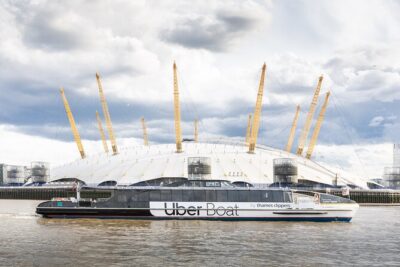 ★ 4.0London: Uber Boat – Single Journey River Thames CruiseFrom $131,597 reviews
Browse the lists this tour appears in