
REVIEW · JACK THE RIPPER TOURS
Jack the Ripper: Night Murder Mystery Walking Tour in London
London turns spooky after dark. This Jack the Ripper walking tour in Whitechapel is built like a story you can help solve, with a guide in a Ripperologist style and stops tied to the case. I like that it keeps moving at night, so you’re surrounded by the same streetscape that makes these theories feel real.
What I really love is the tone. Guides like Tyson, Kory, Dougal, and Hadi (and others) keep the focus on the women and the human cost, not cheap shock value, with humor that stays respectful. One drawback to plan for, though: in cold weather and tight spots, the commentary can be hard to hear unless you stay close to the front.
In This Review
- Key things you’ll notice on this Whitechapel mystery walk
- Why this nighttime Jack the Ripper walk feels different
- Price, timing, and group size, and why it feels like good value
- Meeting and finishing points, plus what the route is built to do
- Brick Lane: Victorian pressures that shaped the story
- Princelet Street and Puma Court: narrow spaces where people could vanish
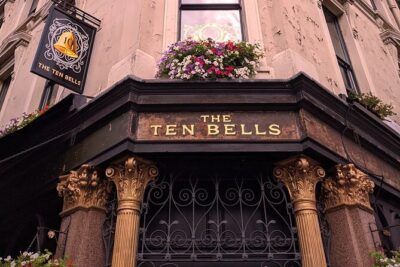
- The Ten Bells Pub: why this stop hits hard
- Gunthorpe Street: Martha Tabram and the debate about the first case
- Goulston Street: the apron clue and the chalk message controversy
- St Botolph without Aldgate: failure, refuge, and the women behind the names
- Ending at Mitre Square: Mary Jane Kelly and the final emotional beat
- What makes the guides matter, based on what people consistently praise
- Practical tips so you enjoy it more (and don’t lose half the clues)
- Who should book this, and who should skip it
- Should you book Jack the Ripper in Whitechapel?
- FAQ
- How long is the Jack the Ripper walking tour?
- Where do I meet, and where does the tour end?
- What language is the tour offered in?
- Do the stops require paid admission tickets?
- What group size should I expect?
- Can I cancel for a full refund?
- Is there a mobile ticket, and are service animals allowed?
Key things you’ll notice on this Whitechapel mystery walk
- Ripperologist-led storytelling that turns famous locations into clues you can piece together
- A chronological route that helps the case make sense as it unfolds
- Stops tied to specific evidence and theories, including what’s said about Goulston Street
- A strong focus on victims’ lives, including women seeking refuge and those living under brutal pressures
- Small-group feel (max 25) that makes it easier to stay together at night
- A finish at Mitre Square, the place linked to Mary Jane Kelly
Whitechapel after dark, other guides tested
- London Jack the Ripper Guided Tour with Ripper-Vision★ 4.5 · 4,840 reviews
- London Jack The Ripper Guided Walking Tour★ 5.0 · 3,131 reviews
- Ultimate Jack the Ripper : Guided Tour of London★ 5.0 · 1,495 reviews
- The Original Jack the Ripper : Guided Tour★ 5.0 · 1,264 reviews
Why this nighttime Jack the Ripper walk feels different
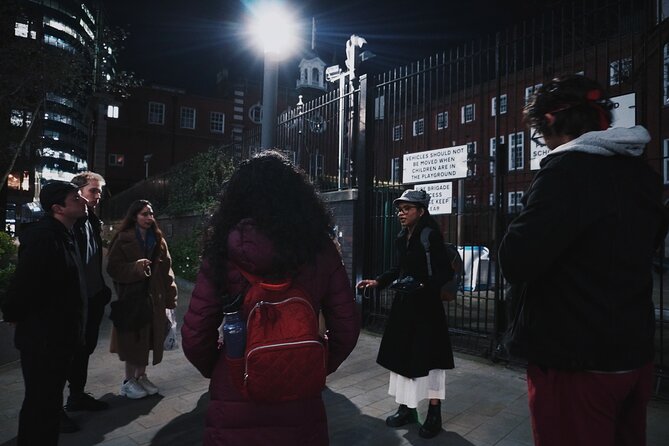
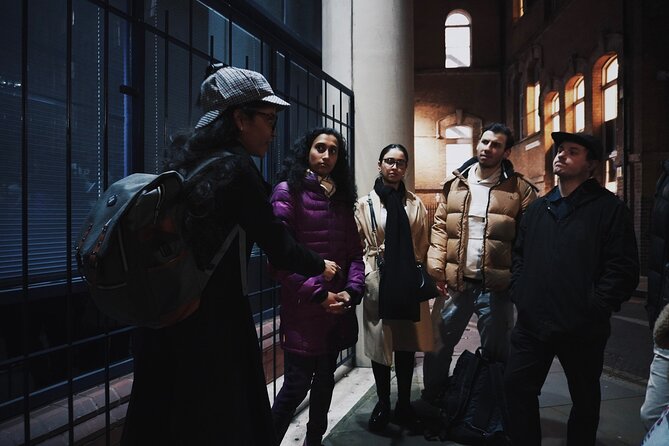
A daytime sightseeing bus can show you a place. This tour tries to show you a feeling, by doing it at night in Whitechapel, where the streets and alleys still have that cramped, lived-in geometry. You’re not just looking at plaques. You’re walking between spots tied to poverty, fear, and rumor, and the guide connects them with the logic of the case.
The experience also has a game-like layer. You’re encouraged to follow clues and “solve” the mystery as you go, rather than passively hearing names and dates. That interactivity matters, especially if you’re a history fan who gets impatient with lectures.
I also appreciate how the tone is handled. Even though the subject is dark, the guides I’ve seen discussed for this tour tend to keep it grounded in context and respect. Hadi in particular is praised for calm, confident delivery and for making sure nothing felt gratuitous or sensationalized.
Price, timing, and group size, and why it feels like good value
At $22.93 per person and about 2 hours 30 minutes, this is a short, focused nighttime outing. That matters in London, where the temptation is to book something that runs longer than you expect and then burns your energy.
The schedule is also stop-heavy but efficient. Each location is handled in short chunks, which keeps you from standing around too long. Also, the stops themselves don’t require paid entries, since the listed admission for the stops is free.
The tour runs with a maximum of 25 people, which helps in two ways. First, it’s easier to regroup if you have slower walkers. Second, small groups make the guide’s pacing and explanations feel more personal, which shows up in a lot of the feedback.
Finally, it’s offered in English and uses a mobile ticket. If you hate scrambling with paper tickets at the last minute, that’s a real win.
Meeting and finishing points, plus what the route is built to do
You start at St Marys Whitechapel Church Memorial area (London E1 1FE). You finish at Mitre Square (London EC3A 5DE), at the end point associated with Mary Jane Kelly.
That finish location is not random. The tour’s structure nudges you toward the last linked stop by walking through the case in a way that feels chronological. You’re supposed to see how one location, rumor, and piece of evidence leads to the next.
And yes, you also spend time at The Ten Bells in Whitechapel, which many people picture instantly when they think about Jack the Ripper. In this tour, it’s a checkpoint in the story, not the whole end of the night.
Brick Lane: Victorian pressures that shaped the story
Your first stop is Brick Lane. It’s easy to treat Brick Lane like a trendy street today, but the guide frames it as the beating heart of slum life back then, where poverty and overcrowding created an atmosphere ripe for desperation and fear.
This is a useful start point for a couple reasons. One, it gives you the baseline, so the later crimes and clues do not come out of nowhere. Two, it sets expectations that this is not only about the suspect. It’s about the conditions around the victims.
If you like mysteries, this opening is also where you get your mental map. When you later hear names like Annie Chapman or Martha Tabram, the locations start to click because you’ve already been shown the kind of neighborhood they lived in.
More on foot, at a pace you can hear the guide
Princelet Street and Puma Court: narrow spaces where people could vanish
From Brick Lane you head to Princelet Street, a quiet, narrow stretch with a lot of “how could anyone even find them” energy. This is where the tour connects the area to women’s lives, including the living conditions tied to Annie Chapman.
Then you move to Puma Court. The big idea here is scale, not drama. A place like Puma Court helps you understand how someone could disappear into shadows without the same kind of visibility you get in wider streets.
These stops are the tour’s reality-check. They also help you appreciate why the guide keeps talking about vulnerability and isolation. It’s not just eerie atmosphere. It’s urban design combined with social hardship.
Practical tip: if you’re sensitive to crowds at night, stay near the guide at the front during these narrower segments. One review pointed out that at times it can be hard to hear when the guide looks away, so your position affects the experience.
The Ten Bells Pub: why this stop hits hard
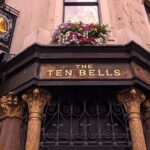
At The Ten Bells, the tour steps outside the pub to talk about the idea that several victims may have visited shortly before their deaths. Even if you don’t want to get lost in theory, this part works because it turns a modern landmark into a human moment.
It’s also a good pause for the group, since you’re at a well-known reference point. You can look around, catch your breath, and reset your focus before heading into the more tightly framed evidence stops.
This is one of the best segments if you’re drawn to true crime because it’s where “the story” feels most anchored in everyday life. Victims were not walking around as characters. They were people moving through real routines, and the tour emphasizes that.
Gunthorpe Street: Martha Tabram and the debate about the first case
Next is Gunthorpe Street, linked to the murder of Martha Tabram. The tour frames it as possibly the first victim in some expert lists, and it spends time on the clues and theories surrounding her death.
This stop is for you if you like the messy edges of history. Instead of pretending there’s one clean answer, the guide explains how scholarship can shift over time. You learn that these cases often get debated because early records were incomplete or interpreted differently later.
If you’re expecting a straight line of certainty, this is where you’ll realize the story is full of interpretation. That’s not a weakness, it’s part of what makes the case so enduring.
Goulston Street: the apron clue and the chalk message controversy
Goulston Street is one of the most talked-about stops because it’s tied to evidence: a bloody piece of apron associated with Catherine Eddowes, plus a chalk message that sparked controversy and conspiracy theories.
This is where the tour’s “solve the mystery” style feels most tangible. You’re not just hearing a name. You’re being asked to track what the evidence supposedly suggests, and why people argue about what it means.
If you’re a facts-and-logic type of visitor, stay alert here. The guide’s job is to keep different claims sorted, and the best guides in this tour are praised for seriousness, using period reporting and photos to help you visualize what the neighborhood looked like.
Also, if audio is a concern for you, this is a spot to stay front and center. Chalk evidence and apron details can be easy to miss if you drift to the side.
St Botolph without Aldgate: failure, refuge, and the women behind the names
You then reach St Botolph without Aldgate, described as a haunt for vulnerable women seeking refuge. This stop changes the emotional temperature of the tour, because it pushes the focus onto social failure, not just a crime narrative.
This part matters because it gives you context for why victims were often in exposed positions. Victorian society could be harsh, and many people had almost no buffer against violence, exploitation, or being targeted.
It’s also where the guide’s respectful approach really earns its keep. Reviews praising compassion and care point to the same thing: the tour aims to make the women people, not just case numbers.
If you want the “why it happened” side of the story, this is one of your must-pay-attention stops.
Ending at Mitre Square: Mary Jane Kelly and the final emotional beat
The tour finishes at Mitre Square, at the location associated with Mary Jane Kelly. The guide brings the case toward its ending in a way designed to feel like closure, but not like closure you can file away as done.
This is also where you’ll likely process the emotional weight. The route leads you there after walking through the pressures, the alleyways, the evidence debates, and the places tied to women’s daily survival. By the time you reach the end, the story has a rhythm.
One more thing I liked in the descriptions is how some guides handle pacing and group management. Hadi is highlighted for welcoming, and other guides were praised for making sure the group stays together, including waiting briefly so no one gets left behind when other groups or street conditions complicate movement.
What makes the guides matter, based on what people consistently praise
The most praised aspect here is how the guides tell the story. Names that come up again and again include Tyson, Kory, Dougal, and Hadi.
Here’s what the strong versions do well:
- They keep the night walk fun, not silly, with humor used at the right moments.
- They tell it in chronological order, which helps you remember names and understand progression.
- They treat the victims with respect, with a focus that’s only partly about the suspect.
- They sometimes add extra material, like tips about the neighborhood and how it looked in the 1800s.
If you’re trying to choose when to book, I’d base it on schedule and your comfort level, not on guide name, since availability can change. But the consistent pattern is clear: when you get the right guide, the tour feels like a story you’ll keep thinking about.
Practical tips so you enjoy it more (and don’t lose half the clues)
This is a walking tour at night. Plan like it’s winter even if the forecast looks mild. Wear layers and shoes with grip, especially around narrow streets where it can be darker and wetter.
Because at least one person reported it being hard to hear at times, do this:
- Stay close to the guide, especially in the narrower stops.
- If you’re near the back, stand where you can see the guide’s face and hands.
- If you miss a sentence, don’t panic. The guide typically ties it back into the route story.
Also, expect that the tour is mostly on your feet. One comment described it as a lot of walking with no obvious places to sit until the very end. If sitting breaks are important to you, this might not feel comfortable for your stamina.
Who should book this, and who should skip it
Book this if you want:
- A nighttime true crime experience with actual structure, not random wandering
- A walking route through Whitechapel tied to evidence and street-level context
- A respectful focus on victims’ lives and the conditions around them
Skip it if you:
- Get frustrated by uncertainty, because the case includes theories and controversy
- Need frequent seating or a lot of downtime
- Hate walking in the dark and in colder conditions without breaks
Should you book Jack the Ripper in Whitechapel?
I think it’s a strong pick for the right traveler because it hits value, pacing, and tone. At $22.93 for about 2.5 hours, with free admissions at the stops, a max group size of 25, and a story format that keeps you engaged, it’s not expensive in London terms.
My only real caution is sensory: at night and in tight spots, you may need to stay close to hear well. If you can manage that, you’ll likely come away with a clearer picture of the neighborhood pressures and why certain evidence claims still drive debate.
If you’re choosing between a standard “facts only” tour and a mystery-style route, this one leans toward the mystery, while still keeping the victims and the setting front and center.
FAQ
How long is the Jack the Ripper walking tour?
It runs for about 2 hours 30 minutes.
Where do I meet, and where does the tour end?
You meet at St Marys Whitechapel Church Memorial area, London E1 1FE. The tour ends at Mitre Square, London EC3A 5DE.
What language is the tour offered in?
The tour is offered in English.
Do the stops require paid admission tickets?
The listed admission for each stop is free, so you should not need to buy separate entry tickets for the stops themselves.
What group size should I expect?
The tour has a maximum of 25 travelers.
Can I cancel for a full refund?
Yes. You can cancel up to 24 hours in advance for a full refund. If you cancel less than 24 hours before the start time, the amount paid will not be refunded.
Is there a mobile ticket, and are service animals allowed?
A mobile ticket is used, and service animals are allowed. Confirmation is received at the time of booking.
More Of London On Foot


More Nights In Whitechapel

Fresh off the notebook in London
- Private Rock ‘n’ Roll Music Tour of Central London
★ 5.0 · 7 reviews - London Walking Tour: Camden Town Photography Walkabout
★ 5.0 · 7 reviews - Private Transfer from London accommodation to Cruise terminal
★ 5.0 · 7 reviews - Amazing Nightlife in London East Tour
★ 4.5 · 7 reviews - The British Museum: a highlights tour with a TV historian
★ 5.0 · 7 reviews - Heathrow Airport to Cambridge private taxi transfers
★ 5.0 · 7 reviews
Jack the Ripper Tours, compared.
 ★ 4.5London Jack the Ripper Guided Tour with Ripper-VisionFrom $274,840 reviews
 ★ 5.0London Jack The Ripper Guided Walking TourFrom $03,131 reviews
 ★ 5.0Ultimate Jack the Ripper : Guided Tour of LondonFrom $271,495 reviews
 ★ 5.0The Original Jack the Ripper : Guided TourFrom $221,264 reviews
 ★ 5.0London Jack The Ripper Small-Group Walking TourFrom $1511,013 reviews
 ★ 5.0Jack the Ripper Tour in SpanishFrom $17875 reviews
 ★ 3.5The Original Jack the Ripper Coach Tour of Haunted LondonFrom $82419 reviews
 ★ 5.0Jack the Ripper Walking Tour in LondonFrom $34354 reviews
Browse the lists this tour appears in