
REVIEW · JACK THE RIPPER TOURS
Jack the Ripper Private Immersive Tour
Five murders, one long night of clues. This private Jack the Ripper tour links named locations from 1888 to what police found, what locals feared, and what kept the case open for decades. You get a walk-through feel, not a museum lecture.
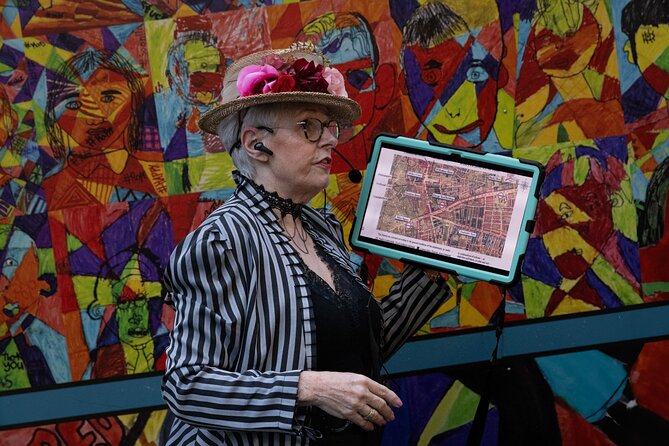
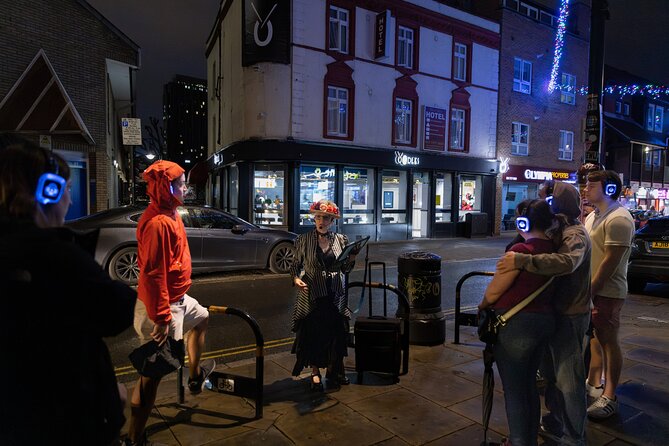
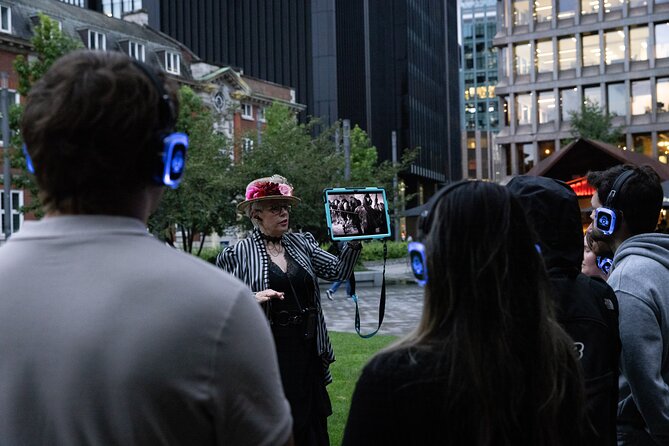
I especially like the private guide format, with room to ask questions as you go. I also like the hi-tech headphones paired with a 14-inch tablet view so the visuals work even when it is dark outside.
One watch-out: it is about 2 hours 30 minutes of walking with no break, so plan for steady standing time. If you have hearing needs, bring that up in advance, since one guest reported sound issues on a busy night.
In This Review
- Key highlights worth your attention
- How this tour earns its keep at $47.52 per person
- Meeting at Aldgate Station, then walking until you hit Liverpool Street
- Stop by stop: from 1888 street corners to the final murder site
- Dorsett City Hotel, the opening frame
- St Botolph’s Aldgate green, daily life and why conditions mattered
- Mitre Street, Elizabeth Stride and the discovery details
- Mitre Square, Catherine Eddowes and the police chase
- Goulston Street, the doorway clue and two forces problem
- Wentworth Street, the likely victim outside the canonical five
- Osborn Street, the sound of 1888 pubs and music halls
- Brick Lane stop for Polly Nichols, hardship on the money line
- Brick Lane second pass, street life and questioning locals
- Hanbury Street, Annie Chapman and the backyard lure
- Wilkes Street, outrage, newspapers, and older housing
- Puma Court, a letter tied to the press
- Commercial Street, Ten Bells, Spitalfields Market, and Christchurch Graveyard
- Brushfield Street, the Lusk Letter in a box
- London Fruit and Wool Exchange courtyard, Mary Kelly indoors
- The guide matters most, and Jenny gets repeated praise
- Photos on a 14-inch tablet and why it helps at night
- Who this tour fits best, and who might want a different style
- Should you book the Jack the Ripper Private Immersive Tour?
- FAQ
- How long is the Jack the Ripper Private Immersive Tour?
- What are the start and end points?
- Is this a private tour?
- What is included in the tour price?
- Is a mobile ticket used?
- Is it suitable if I have walking or standing difficulties?
Key highlights worth your attention
- A true private experience with your group only, and a guide who answers questions
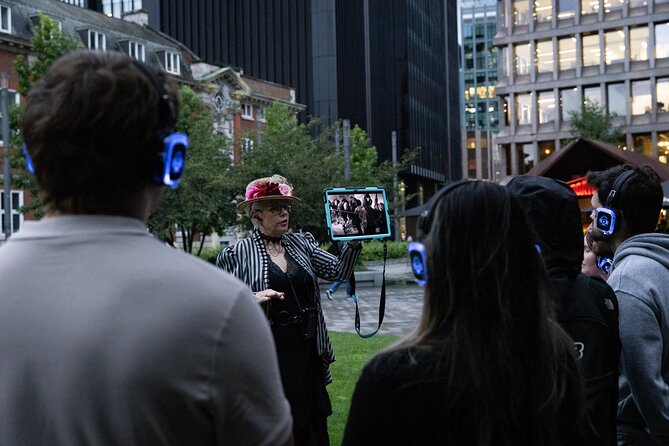
- Hi-tech headphones included, plus photo support on a 14-inch tablet for darker streets
- A stop-by-stop route across Whitechapel and the City of London, tied to named victims
- More than the canonical five, including a later-accredited likely victim (Professor David Wilson)
- Strong storytelling noted in multiple guide reviews, especially with an energetic guide like Jenny
- Street-level London atmosphere, including period-sounding music near Brick Lane
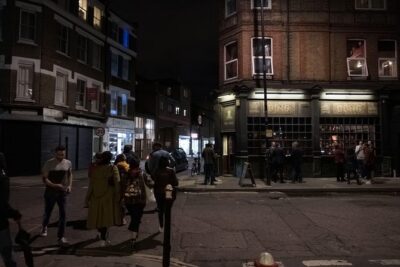
Whitechapel after dark, other guides tested
- London Jack the Ripper Guided Tour with Ripper-Vision★ 4.5 · 4,840 reviews
- London Jack The Ripper Guided Walking Tour★ 5.0 · 3,131 reviews
- Ultimate Jack the Ripper : Guided Tour of London★ 5.0 · 1,495 reviews
- The Original Jack the Ripper : Guided Tour★ 5.0 · 1,264 reviews
How this tour earns its keep at $47.52 per person
At $47.52 per person for roughly 2 hours 30 minutes, this is not a budget bargain, but it is also not priced like a fancy private show. The value comes from three practical things.
First, you are paying for a private guide experience, not a large group shuffle. That matters with a case like Jack the Ripper, because you will want specifics, timelines, and the why behind police reactions.
Second, the tour includes hi-tech headphones and uses a 14-inch tablet with photos at multiple stops. That is more than a gimmick. On a night walk at dusk and after dark, it is the difference between missing details and catching them.
Third, the itinerary spends real time on named locations. You move from murder-site streets to nearby City of London spaces where police procedure and jurisdiction came into play. In other words, you are not just hearing one story, you are watching the geography of the case take shape.
Meeting at Aldgate Station, then walking until you hit Liverpool Street
The tour starts at Aldgate Station and ends at Bell Lane (near Liverpool Street, since your guide directs the shortest route at the end). That is a useful ending point if you want easy access to transport after.
You also get mobile ticket access, and the tour runs Monday to Thursday, 3:00 PM to 9:00 PM in the listed season window. It is designed for evening darkness, since multiple stops rely on visuals and tablet photos.
Two practical things to keep in mind:
- Wear shoes you can stand in for a long stretch. The tour guidance specifically notes it is not recommended for walking or standing difficulties, and there is no break.
- If you are sensitive to sound volume or have hearing concerns, plan to get close to the guide. One guide response in the feedback suggested standing at the front helps maximize what you hear.
Stop by stop: from 1888 street corners to the final murder site
This walk moves through a chain of locations, each one connected to a specific victim or a piece of the story. Some stops are brief, but they are targeted. You do not just arrive, you get the context of what life looked like there in 1888 and what police and locals were dealing with.
Below is what each major stop adds, and what to watch for.
Dorsett City Hotel, the opening frame
You begin at Dorsett City Hotel, where the guide sets the scene with an introduction to the murders and what the surrounding area looked like in 1888. This first stop matters because it gives you the basic map in your head before you start collecting details.
If you are new to the case, this is the place to listen closely, because the later stops reference people, streets, and timelines. If you already know the basics, you can use this moment to ask your first question and steer the pace.
More private departures, group size noted

St Botolph’s Aldgate green, daily life and why conditions mattered
At St Botolph’s Aldgate, you are on the green by the church, and the story shifts from murder mechanics to lived reality. You get a detailed description of homelessness, common lodging houses, workhouses, and the lack of employment.
This stop is valuable because it explains why the murders landed in a stressed, struggling community. It also helps you understand why rumors and fear spread so quickly. You will also see photos on the 14-inch tablet, which helps if you are walking in darker areas.
Mitre Street, Elizabeth Stride and the discovery details
Mitre Street focuses on Elizabeth Stride. You hear about the evening leading up to her murder and how Louis Diemschultz discovered her body as he arrived at the gateway of Dutfield’s Yard.
This is one of those stops where the best learning comes from listening for the sequence of events. The guide includes photos to show the street and the victim location, which is helpful because the crime story depends on where people were moving that night.
Mitre Square, Catherine Eddowes and the police chase
Next is Mitre Square, tied to Catherine Eddowes, discovered dead and mutilated on 30th August 1888. You also hear how this was the second murder within about an hour, and that the body was discovered by PC Edmund Watkins on his beat.
Then the tour follows the route police took as they searched for Jack, right to the place where the only clue was found, described as something like a flimsy lead. Whether you are a strict skeptic or a firm believer in theories, this stop is where you start judging how evidence was handled in real time.
Goulston Street, the doorway clue and two forces problem
At Goulston Street, you stop opposite 108 to 119 to view the doorway where the only clue in the case was found. Your guide explains what happened after that discovery and touches on the separate structure of the Metropolitan Police and the City of London Police, a division that still exists in some form today.
This is a smart inclusion because the Ripper case is not just about one suspect. It is also about procedure, authority, and coordination gaps. If you like cases where bureaucracy affects outcomes, this stop will click.
Wentworth Street, the likely victim outside the canonical five
Wentworth Street returns the story to earlier in the murders and brings in a victim not included in the canonical five. The tour attributes this to the recent accreditation by Professor David Wilson, describing that person as a likely victim.
What I like about including this is that it shows the case is not frozen in time. It stays a living debate, driven by criminology work and fresh reasoning. You will hear the murder take place and then a conversation about it afterward, plus photos of the site and victim on the tablet.
This part may be emotionally heavier, depending on what you are comfortable with, but it is also where the tour feels most like an actual argument, not just a legend recited.
Osborn Street, the sound of 1888 pubs and music halls
As you turn into Brick Lane, you get music as it would have sounded coming out of pubs and the music hall in 1888. The stop is short, but it changes the mood.
It also shows the tour is trying to build atmosphere, not just check boxes. Even if you have heard the basic story of Jack the Ripper before, this small sensory moment can make the route feel more believable.
Brick Lane stop for Polly Nichols, hardship on the money line
Back at Brick Lane, you focus on Polly Nichols. You stop opposite the Frying Pan pub, described as the last place she had a drink. You hear how desperation for lodging money may have played a role in her being in the wrong place at the wrong time.
Then you hear about the two men discovering her body in Berner’s St, Whitechapel, and that police were sent to the scene, but Polly was already dead. Again, photos of the victim and the murder site appear on the tablet.
This stop is worth your attention because it frames the victim’s choices and constraints. Even if you do not buy every explanation, it forces you to see the case as more than a villain’s calendar.
Brick Lane second pass, street life and questioning locals
You stay on Brick Lane for a different slice of the story. You hear about street vendors trying to sell their wares and police questioning community members about suspicious men.
This stop is a reality check. The Ripper narrative is often built around names and theories, but police work in 1888 meant knocking on doors and asking hard questions in a tense neighborhood. If you pay attention here, you will feel the case shifting from event to investigation.
Hanbury Street, Annie Chapman and the backyard lure
Hanbury Street covers Annie Chapman. You hear about her life, then the events leading to her death on 8th September 1888. The story includes that she was seen less than an hour before her murder by Mrs Long, along with a man outside No. 27, and then how she was enticed into the backyard of 29 with promises of money.
The guide describes how Annie was brutally murdered. You also hear about a prominent suspect who was later discounted, with photos of the victim and murder site on the tablet.
This is one of the emotionally intense parts of the route. If you tend to read true crime for puzzle-solving, you may still find yourself thinking about the human steps that led there, especially the “promises” part and the lure into a backyard.
Wilkes Street, outrage, newspapers, and older housing
At Wilkes Street, the tour points out how outrage grew and how newspapers stoked terror. You also hear why the houses along this stretch, built as far back as the 1700s, mattered, and how they shaped everyday living.
This stop helps connect the social pressure to the investigation. Newspapers can amplify fear, and fear can change how people behave and speak up. The effect is part of the Ripper story, even when the suspect stays unknown.
Puma Court, a letter tied to the press
Next is Puma Court, where you look at one of the letters received by the press. The tour frames it as standout among 1092 letters sent to police and press, with one other letter also described as important.
As you leave, you hear newspaper boys and men calling out lurid headlines that stoked fear. This is another moment where the tour leans into atmosphere, and it is also a practical reminder that misinformation and attention can be part of the case ecosystem.
Commercial Street, Ten Bells, Spitalfields Market, and Christchurch Graveyard
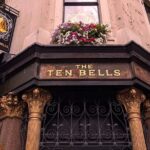
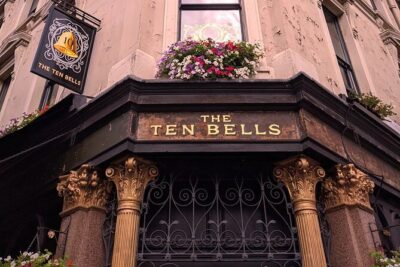
At Commercial Street, you stop opposite the Ten Bells, described as Mary Kelly’s favorite pub. You learn about the area then, including Spitalfields Market, and how controversy around Jack the Ripper grew over the years.
You also hear about Christchurch Graveyard and how it mattered to the homeless at the time, plus the idea that basic things people take for granted were major issues that could spark fights.
This is a strong stop if you care about the neighborhood context. It does not just say, “Here’s where it happened.” It explains why the streets around Ten Bells were full of pressure and movement, not tourists and quiet.
Brushfield Street, the Lusk Letter in a box
At Brushfield Street, you stand inside the entranceway of the London Fruit and Wool Exchange Building. The focus is on the other letter of importance, the Lusk letter. You hear how it arrived in a box with an article that could have come from one of the victims, and you see photos of the letter and its recipient.
I like this stop because it adds an evidence-flavored angle. A letter is not a “who,” but it is a clue shaped by human hands, shipping, and media attention. It pushes the tour beyond only street-level narration.
London Fruit and Wool Exchange courtyard, Mary Kelly indoors
Finally, you reach the London Fruit and Wool Exchange central courtyard. The tour says it is the nearest place to where Mary Kelly, the last victim, was slaughtered in her own room. You hear how she was the youngest victim and the only one killed indoors.
Then you get the events leading up to her death and the murder itself, described in gruesome detail. After that, the guide covers suspects then and now, along with a theory on who Jack might have been. You end with directions for the shortest route to Liverpool Street Station.
This last stretch is where the tour’s tone can feel most intense. It is also the point where you will likely understand why people keep returning to the case: it offers a real-world mystery with human choices, not just a single villain.
The guide matters most, and Jenny gets repeated praise
The feedback I see is consistent on one thing: guide delivery is the difference between a forgettable walk and a memorable one.
A guest highlighted Jenny by name and called out first-class communication, plus deep expertise and an energetic approach that kept the group engaged. Another guest praised Jenny’s animated presentation and the way photos supported the story, and they specifically called out that the headphones made it feel more like a tight, personal experience rather than a loud group lecture.
That is good news for you. If a guide is clear, you can follow street names, understand why the timing matters, and stay oriented even when you are walking through darker areas.
Photos on a 14-inch tablet and why it helps at night
Some tours rely on audio only. This one pairs audio with visuals, shown on a 14-inch tablet at multiple stops, including St Botolph’s Aldgate and the major murder-related streets.
That matters because the Ripper route is dense. If you cannot see the street angle, a doorway, or the general site location, the story stays abstract. Tablet photos help you build a mental picture fast, especially when it is dark and you cannot easily line up what the guide is describing.
Just be aware of the one sound-related complaint in the feedback: one guest said they did not receive private headphones and struggled to hear most of the tour. It is not a universal problem in the notes, but it is enough that you should take hearing seriously.
If you need sound clarity, tell the provider ahead of time. One response suggested standing at the front gives you the best chance to hear properly.
Who this tour fits best, and who might want a different style
This tour suits you if you like:
- True crime with named locations and specific people, including Louis Diemschultz, PC Edmund Watkins, and Professor David Wilson
- A guide-led walk where you can ask questions and follow a route instead of reading at a stoplight
- Using visuals while walking, especially the 14-inch tablet photos
It might be less ideal if:
- You cannot manage 2.5 hours of walking and standing with no break
- Hearing is a key concern and you cannot get close enough to the guide, since headphone delivery was not consistent for one guest
It also helps if you are comfortable with violent detail. The route includes descriptions tied to multiple murders, including the indoors killing of Mary Kelly and other brutal scenes. If that kind of detail drains you, you might choose a lighter-themed walk instead.
Should you book the Jack the Ripper Private Immersive Tour?
I think it is a good booking if you want a private Jack the Ripper experience that mixes atmosphere, street-level geography, and visuals that work in the dark. The repeated praise for Jenny’s communication and energy is a strong sign that the guide style can really carry the night. And the pairing of headphones plus a 14-inch tablet is a practical advantage, not just a marketing line.
Before you go, do two smart things:
- Keep your confirmation handy on your phone, since one guest had a rough start when they were not on the initial list and had to prove their booking.
- Double-check your confirmation details if you expect the private format. In the feedback, the provider explained there can be differences between tour types, including a mention that the Private Immersive tour may be limited by group size.
If your group can handle the no-break walking and you are okay with heavy true crime detail, this tour is likely one of the more effective ways to experience Whitechapel and the City of London through the case’s real locations.
FAQ
How long is the Jack the Ripper Private Immersive Tour?
It runs for about 2 hours 30 minutes.
What are the start and end points?
The tour starts at Aldgate Station and ends at Bell Lane (Bell Ln, London E1).
Is this a private tour?
Yes. It is private, and only your group participates.
What is included in the tour price?
Hi-tech headphones are included.
Is a mobile ticket used?
Yes, you receive a mobile ticket.
Is it suitable if I have walking or standing difficulties?
It is not recommended for people with walking or standing difficulties, since it is about 2.5 hours with no break.
More Private Departures




More Nights In Whitechapel
Fresh off the notebook in London
- Witchcraft, Ancient Cults & MI15 Spy Secrets
★ 4.0 · 3 reviews - Arrival Transfer: London Train Stations to London Hotels
★ 5.0 · 3 reviews - Royal Afternoon Tea & Walk at Kensington Palace
★ 4.5 · 3 reviews - Bridgerton Tour in London
★ 5.0 · 3 reviews - Private Transfer from central London to Southampton Cruise Terminal
★ 5.0 · 3 reviews - Photographer, Professional Photo Shoot – London
★ 5.0 · 3 reviews
Jack the Ripper Tours, compared.
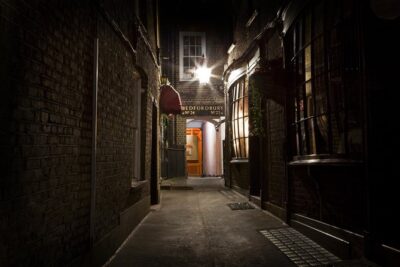 ★ 4.5London Jack the Ripper Guided Tour with Ripper-VisionFrom $274,840 reviews
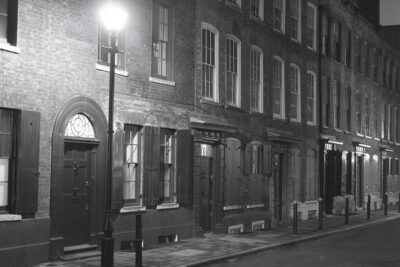 ★ 5.0London Jack The Ripper Guided Walking TourFrom $03,131 reviews
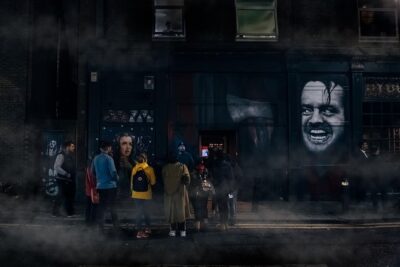 ★ 5.0Ultimate Jack the Ripper : Guided Tour of LondonFrom $271,495 reviews
 ★ 5.0The Original Jack the Ripper : Guided TourFrom $221,264 reviews
 ★ 5.0London Jack The Ripper Small-Group Walking TourFrom $1511,013 reviews
 ★ 5.0Jack the Ripper Tour in SpanishFrom $17875 reviews
 ★ 3.5The Original Jack the Ripper Coach Tour of Haunted LondonFrom $82419 reviews
 ★ 5.0Jack the Ripper Walking Tour in LondonFrom $34354 reviews
Browse the lists this tour appears in