
REVIEW · WALKING TOURS
London Literary Private Walking Tour Of Bloomsbury
Bloomsbury is a book you can walk. This private 3-hour literary tour uses real addresses and street-level context to connect authors and ideas to places like Bedford Square and Russell Square, with hotel or Tube pickup to get you started fast.
I especially like how the route mixes famous names with the kind of oddball details that make London feel alive, from the Pre-Raphaelites near Bedford Square to Aleister Crawley’s Bloomsbury story by the British Museum. The main thing to consider is simple: at $260.63 per person, this is a pay-for-privacy kind of experience, so you’ll get the best value if your group really wants a slower pace and lots of Q and A.
In This Review
- Key Highlights You’ll Care About
- Bloomsbury on Foot, With Pickup That Actually Helps
- The 3-Hour Walk: What You’ll See and Why It Matters
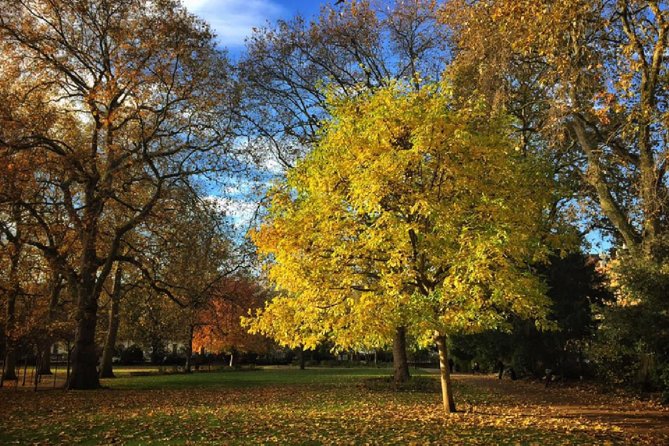
- Start in Bloomsbury, Where the Gardens and Squares Set the Mood
- Bedford Square: Pre-Raphaelites, Beatrix Potter, and Ideas Jumping Centuries
- Gordon Square: The Bloomsbury Group and the Power of a Neighborhood
- Tavistock Square: The Peace Garden With Literary Links
- Woburn Walk: Yeats Without the Museum Detour
- Coram’s Fields: Philanthropy as Part of the Bloomsbury Story
- Charles Dickens Museum Area: The Power of Nearby, Less-Famous Writers
- Russell Square: A Grand Stage for Big Names and Major Squares
- British Museum Area: Aleister Crawley and the Dark Side of Ideas
- St George’s Church Finish: A Suffragette Footprint to Close the Loop
- Guides, Stories, and Why Private Feels Better Here
- Timing and Weather: Getting the Most Out of All-Weather Walking
- Value for Money: When $260.63 Makes Sense
- Who This Tour Fits Best
- Should You Book This Bloomsbury Literary Walking Tour?
- FAQ
- How long is the London Literary Private Walking Tour of Bloomsbury?
- Is this tour private?
- Where is the meeting point?
- What pickup options are available?
- What language is the tour offered in?
- Is the tour admission included for the stops?
Key Highlights You’ll Care About
- Private pacing means you can ask questions without herding
- Pickup included from central hotels or the Tottenham Court Road Tube area
- Author-linked route through squares and gardens, not just museum talk
- Good mix of included and outside stops, with some admission and several free viewpoints
- Bloomsbury themes on repeat: writers, ideas, and social movements in close walking distance
More on foot, at a pace you can hear the guide
- Tour for Muggles The Ultimate Harry Potter Walking Tour in London★ 5.0 · 4,684 reviews
- London Jack The Ripper Guided Walking Tour★ 5.0 · 3,131 reviews
- Changing of the Guard Guided Walking Tour in London★ 5.0 · 1,793 reviews
- The Great British Rock and Roll Walking Tour★ 5.0 · 1,371 reviews
Bloomsbury on Foot, With Pickup That Actually Helps
Bloomsbury can feel like a maze if you wander it alone. This is different. You’re guided through gardens, squares, and streets where literary London wasn’t a concept, it was daily life. Even if you only know a few names, you’ll start matching them to real corners and addresses.
The other thing I like is the logistics. Pickup is offered from a central London hotel or you can meet just outside Tottenham Court Road Tube Station. That matters because you spend less time figuring out transportation and more time using your limited hours to see the Bloomsbury highlights properly.
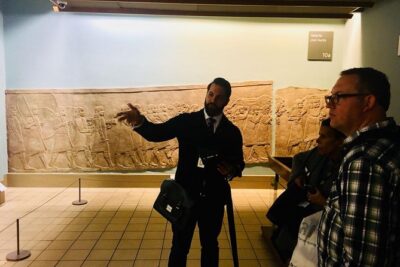
Also, the tour is set up as a private tour, so it’s just your group and the guide. That tends to change how you experience London. You can linger at the places that click for you, and you can ask follow-up questions when the guide points out something unexpected.
The 3-Hour Walk: What You’ll See and Why It Matters
This tour runs about 3 hours in total. The time at each stop is brief at some points and longer at others, but it keeps moving in a way that fits a walking route through Bloomsbury.
Here’s the flow, and what each section is really for.
Start in Bloomsbury, Where the Gardens and Squares Set the Mood
You begin in Bloomsbury itself, focusing on the gardens, squares, and streets that created the neighborhood’s literary reputation. This first stretch is listed as the core portion, and it includes admission ticket access.
Why it works: Bloomsbury is best understood as a place where green squares, quiet streets, and respected institutions sat close to one another. Starting here gives you the mental map before the tour starts naming authors and specific connections.
A potential drawback: because this is the introduction phase, you’ll want to arrive ready to focus. If you’re running on empty, the pace can feel information-heavy before it becomes fun and familiar.
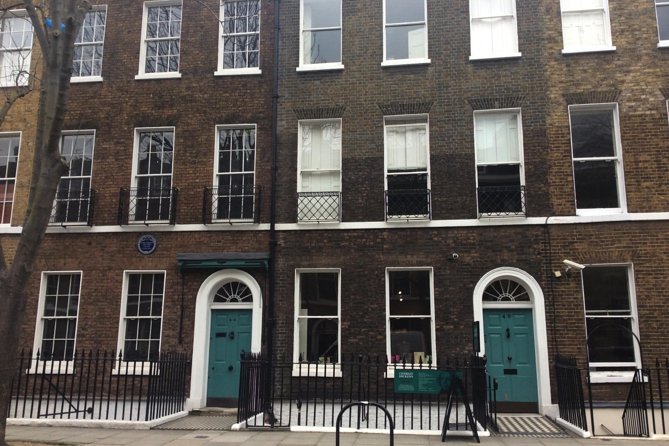
Bedford Square: Pre-Raphaelites, Beatrix Potter, and Ideas Jumping Centuries
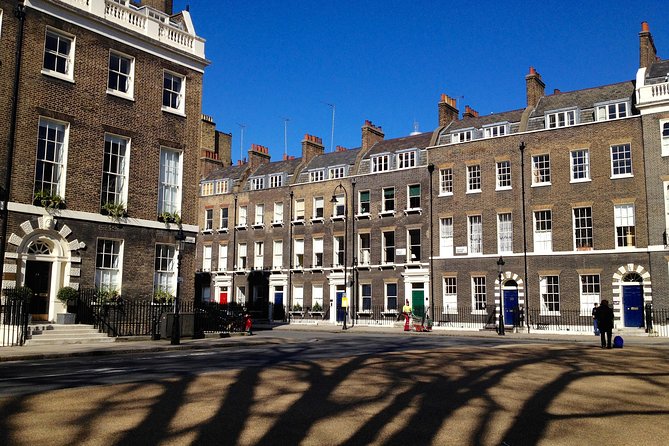
Next is Bedford Square, a picturesque stop where the guide connects the area to multiple waves of creative life. The story includes the Pre-Raphaelite Brotherhood, plus later links such as Beatrix Potter.
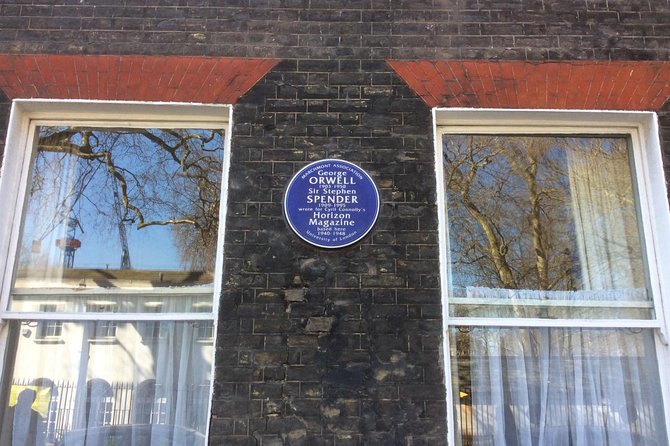
Then the tour also ties in pop-culture and big thinkers by pointing you toward sights connected to 1984 and Charles Darwin. That combination is exactly why I’d do this tour instead of just sightseeing on your own. The guide helps you see the neighborhood as a chain of influences, not a list of isolated points.
The timing here is about 25 minutes, which is long enough for explanation without feeling like a lecture. Admission is listed as free for this stop, so you’re not paying extra to enjoy the context.
More private departures, group size noted

Gordon Square: The Bloomsbury Group and the Power of a Neighborhood
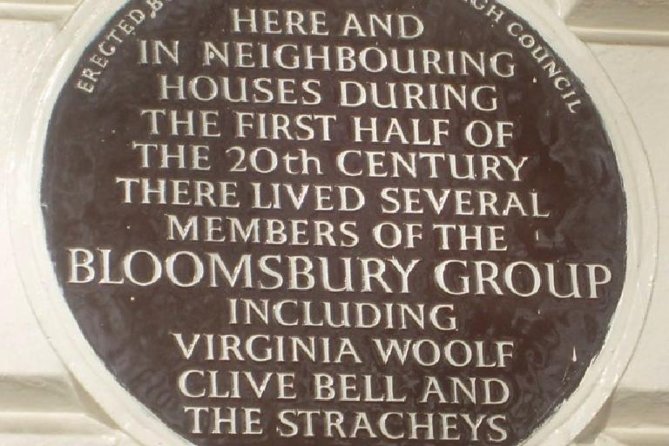
At Gordon Square, you spend around 15 minutes learning about the Bloomsbury Group, along with other linked creative figures.
Why this stop is valuable: the Bloomsbury Group isn’t just a name. It’s a reminder that ideas can cluster in a place, and that friendships, conversations, and shared values often matter as much as individual talent. When your guide points out the local setting, it helps you understand why Bloomsbury became a label people kept using.
Admission is listed as free, so you’re paying for the storytelling, not tickets.
Tavistock Square: The Peace Garden With Literary Links
Then you reach Tavistock Square, about 15 minutes. The highlight here is the Peace garden, described as having strong literary links.
This is one of those stops that feels small on paper, but works well in real life because it adds contrast. After lots of author talk, you’re given a visual pause, a place to absorb the tone of the area. It also helps if you’re the type who likes photos, but also likes learning what you’re actually photographing.
Admission is listed as free.
Woburn Walk: Yeats Without the Museum Detour
At Woburn Walk, you’ll look at the outside of the home of Irish writer W.B. Yeats. It’s a short visit, around 10 minutes, and admission is listed as not included.
This stop is quick by design. It’s one of the “snapshots” that gives you an author-to-street connection without pulling you into another indoor experience. If you love the idea of matching names to places, these quick exterior stops can be some of the best value.
The drawback: if you prefer deeper museum-style content, you might wish this part lasted longer.
Coram’s Fields: Philanthropy as Part of the Bloomsbury Story
At about 10 minutes, you’ll visit Coram’s Fields to learn about an influential sailor tied to the philanthropic character of Bloomsbury.
This is another stop where the value is in the context. London’s creative neighborhoods weren’t only about art and books, they were also shaped by public spirit and local initiatives. This section gives you a bigger picture of what made Bloomsbury feel like a distinct community.
Admission is listed as free.
Charles Dickens Museum Area: The Power of Nearby, Less-Famous Writers
Next is the Charles Dickens Museum stop. You visit the outside of Charles Dickens’s house in Bloomsbury, with time for about 10 minutes. Admission is listed as not included.
One detail I like about this kind of stop is the way it reframes famous writers. The tour notes that nearby we can find homes of less famous but important writers. Your guide’s job here is to help you see the neighborhood as a web. A single landmark might grab attention, but the surrounding streets show how many people were writing and thinking in the same area.
If your group expects only one big famous house, you might find the wider perspective more rewarding than you thought.
Russell Square: A Grand Stage for Big Names and Major Squares
Now you hit Russell Square, the largest and most famous square in Bloomsbury, with about 15 minutes here. Admission is listed as included for this stop.
The tour connects Russell Square to figures like Orson Welles. It also points out a nearby home tied to Sir Arthur Conan Doyle, the Sherlock Holmes author.
Why this part matters: Russell Square works as a “hub” feeling. When you stand in a major square, you understand why so many famous people gravitated to areas like this. It’s also a great photo stop, but the guide should keep it from turning into mere sightseeing by tying the square back to how writers and thinkers lived around it.
Admission being included here can make the cost feel more justified, since at least one of your paid moments includes access.
British Museum Area: Aleister Crawley and the Dark Side of Ideas
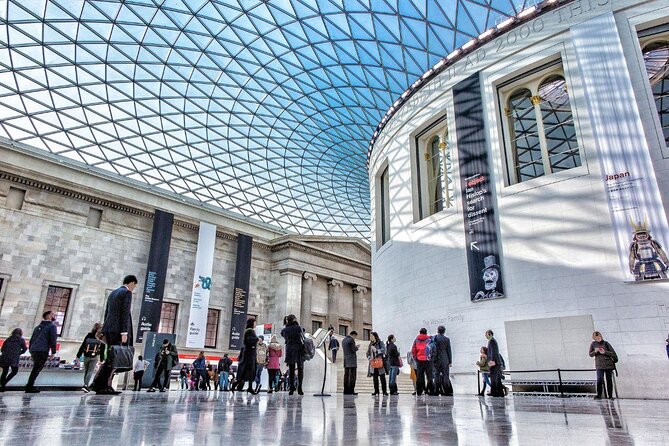
You then move to the narrow streets opposite the British Museum, with about 15 minutes. The focus is on Aleister Crawley and his belief in black magic.
This is the “wait, what?” segment, and it’s often where the tour becomes more memorable. Bloomsbury isn’t only literary romance and clean benches in a garden square. It also connects to the weird edge of intellectual culture, where people argued about metaphysics and power.
Admission for this stop is listed as free.
St George’s Church Finish: A Suffragette Footprint to Close the Loop
Finally, you finish at St George’s Church, about 10 minutes. This is described as the second of the spots relating to the Suffragette movement for votes for women.
This ending choice makes sense. After several stops focused on creators and ideas, you close with social change. It’s a reminder that literature, public life, and reform often overlap in London neighborhoods, and that the streets you’re walking have layers.
Admission is listed as not included here. The tour ends back at the meeting point.
Guides, Stories, and Why Private Feels Better Here
A lot of the value in a tour like this is the guide’s voice and pacing. The tour is offered by Ye Olde England Tours, and the guides are set up for small, private groups.
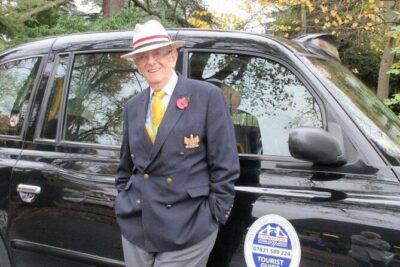
Two names come up in the guide feedback: Kevin and Stephen. Kevin is described as friendly, local, and story-driven, with a personal perspective that goes beyond just pointing at sights. Stephen is praised for being engaging and for teaching even a London local something new.
That matters because Bloomsbury can be confusing if you only rely on signage. A good guide helps you make connections: who lived where, what ideas spread, and how neighborhoods shape writers and movements over time.
Timing and Weather: Getting the Most Out of All-Weather Walking
This tour operates in all weather conditions, so dress for London reality. Bring a rain layer if the forecast is questionable, and wear shoes that work on sidewalks and cobblestones.
One thoughtful suggestion you should consider is starting later. The tour notes that for easier spacing, they may suggest around 10.30am to 11am to help you miss rush-hour. If your goal is comfort and calmer streets for listening, this can be a smart choice.
Also, it’s a walking route. Even though some stops are short, you’ll still be on your feet most of the time. If you’re planning a tight schedule that day, keep enough time afterward for a slower lunch or museum wander, because you may want to keep exploring the area on your own.
Value for Money: When $260.63 Makes Sense
At $260.63 per person for roughly 3 hours, the math only works if you get what private tours are best at: time efficiency, tailored pacing, and someone to interpret what you’re seeing.
A big part of the value here is that the tour includes hotel pickup and drop-off in central London and covers a compact cluster of stops across Bloomsbury. That reduces the friction cost, the time and effort you’d spend trying to connect multiple sites yourself.
It also helps that some stops include admission. Admission is listed as included for Bloomsbury at the start and for Russell Square. Other stops are free, and a few are not included (such as Woburn Walk, the Charles Dickens Museum exterior area, and St George’s Church). That means you’re not paying extra at every corner, but you are paying for real access where it’s listed.
If your group loves literature, local history, and the idea of watching how ideas connect across time, this price can feel fair.
If you’re mostly looking for quick photos or you prefer self-guided browsing, you’ll probably get less satisfaction per dollar.
Who This Tour Fits Best
This is a great fit if you like:
- Literature + real geography, meaning you want authors tied to specific streets and squares
- History and culture that includes social movements, not just famous names
- A calm pace where you can ask questions and linger when something clicks
It may be less ideal if:
- You want a mostly indoor museum day
- Your group hates walking, since the experience is built around streets and short exterior stops
- You prefer a strictly chronological story, because the route blends periods and themes
Should You Book This Bloomsbury Literary Walking Tour?
I’d book it if you want Bloomsbury to feel like a living map, not a checklist. The blend of famous writers, creative groups, and social threads gives you more than a single-author focus. Add the private format and pickup, and the experience becomes a well-paced way to see a lot of meaningful corners without the hassle.
Skip it only if your priority is low-cost sightseeing, or if you don’t care about context. In that case, you might enjoy a self-guided walk more.
FAQ
How long is the London Literary Private Walking Tour of Bloomsbury?
It lasts about 3 hours.
Is this tour private?
Yes. It is a private tour, and only your group participates.
Where is the meeting point?
The tour starts at Dominion Theatre, 268-269 Tottenham Ct Rd, London W1T 7AQ, UK.
What pickup options are available?
You can be picked up from any central London hotel, or you can meet just outside Tottenham Court Road Tube Station.
What language is the tour offered in?
The tour is offered in English.
Is the tour admission included for the stops?
Admission ticket status varies by stop. Bloomsbury (start) and Russell Square include admission ticket access. Some stops are free, and a few are listed as not included (including Woburn Walk, Charles Dickens Museum, and St George’s Church).
More Private Departures






More Of London On Foot



Fresh off the notebook in London
- Private Rock ‘n’ Roll Music Tour of Central London
★ 5.0 · 7 reviews - London Walking Tour: Camden Town Photography Walkabout
★ 5.0 · 7 reviews - Private Transfer from London accommodation to Cruise terminal
★ 5.0 · 7 reviews - Amazing Nightlife in London East Tour
★ 4.5 · 7 reviews - The British Museum: a highlights tour with a TV historian
★ 5.0 · 7 reviews - Heathrow Airport to Cambridge private taxi transfers
★ 5.0 · 7 reviews
Walking Tours, compared.
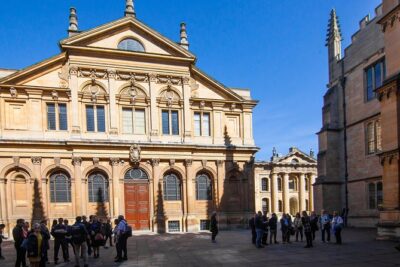 ★ 5.0Oxford University Walking Tour With University Alumni GuideFrom $416,905 reviews
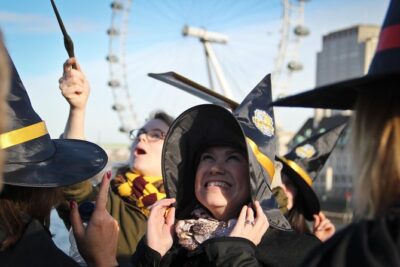 ★ 5.0Tour for Muggles The Ultimate Harry Potter Walking Tour in LondonFrom $234,684 reviews
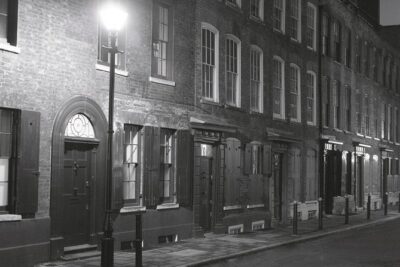 ★ 5.0London Jack The Ripper Guided Walking TourFrom $03,131 reviews
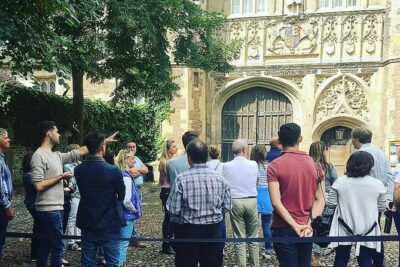 ★ 5.0Cambridge University Walking Tour by Alumni™ Kings College OptionFrom $332,336 reviews
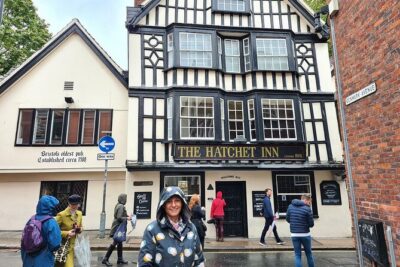 ★ 5.0Blackbeard to Banksy – The Ultimate Walking Tour of BristolFrom $181,961 reviews
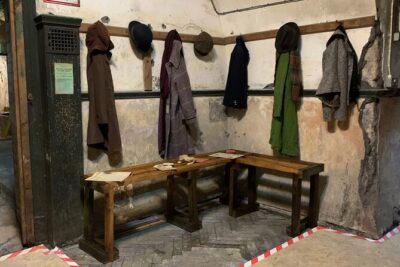 ★ 5.0Air Raid Shelter + St. Nicholas Market Walking TourFrom $171,950 reviews
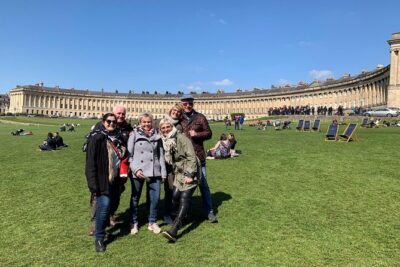 ★ 5.0Walking Tour of Bath with Blue Badge Tourist GuideFrom $301,877 reviews
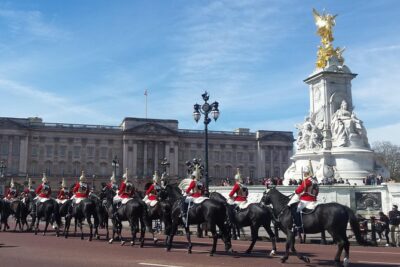 ★ 5.0Changing of the Guard Guided Walking Tour in LondonFrom $251,793 reviews