
REVIEW · ENGLAND
Map Reading and Navigation Course in Peak District
A compass can change your whole hike. This one-day Peak District navigation course teaches the basics of map reading and route finding at The Adventure Hub, then gets you out where the skills matter. You’ll learn core tools like maps, grid references, scales, rights of way, and compass direction checks.
I like two things most: the focus on practical skills (not just theory) and the way the guide helps you build confidence step by step. Coffee and tea are included too, which matters when you’re learning outdoors. One consideration, there’s no lunch included, so plan food for the day.
In This Review
- Key things to know before you go
- Peak District navigation course, built for first timers
- Where you meet and how the day is paced
- The core skills you learn, maps that stop feeling confusing
- Maps, grid references, and scales
- Rights of way, the rules behind the route
- Compasses that fit your hike, not just a diagram
- What you practice with the compass
- Why this matters in the Peak District
- Outdoor practice, turning theory into real decisions
- How to think about the outdoor portion
- Weather happens, and the course plans for it
- Coffee, small groups, and clear teaching
- Logistics that affect your experience, start time and what to bring
- Food and comfort planning
- What you may want to bring
- Price and value, what $136.73 buys you
- Who this course is best for, and who might want a different option
- Tips to get more out of your one-day navigation training
- Should you book this Peak District navigation course?
- FAQ
- Where does the navigation course start?
- What time does the course begin?
- How long is the course?
- What’s included in the price?
- Is lunch included?
- What language is the course offered in?
- How many people are in the group?
- Does the course run in bad weather?
- How do I get my ticket?
- What is the cancellation policy?
Key things to know before you go
- Small group size (max 8): questions stay personal, and practice time stays high.
- Compass skills you can use right away: you learn different types and how to set your map and check direction.
- Map reading fundamentals: grid references, scales, and how to interpret what you’re seeing.
- Rights of way in plain English: so your route choices feel more solid when you’re walking for real.
- Guides with a teaching edge: instructors like Gavin, Paul, Guy, and Rick are called out for clear, supportive instruction.
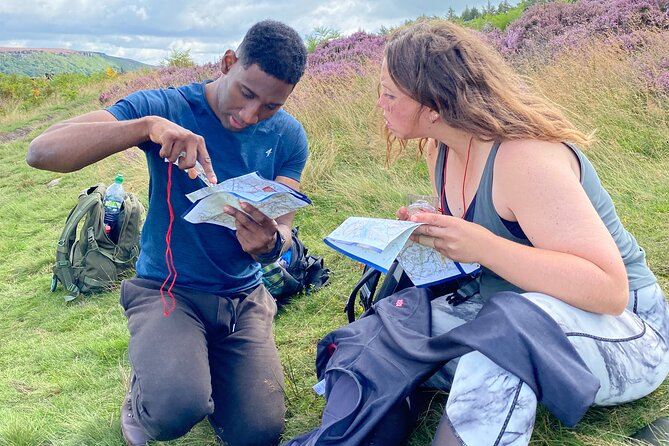
- Outdoor practice in Peak District hills and moorland: most of your day is spent using the skills, not only talking about them.
Undecided so far? Here are further Sheffield tours we have written up.
Peak District navigation course, built for first timers
If you’ve ever stood on a trail with an OS map and thought, I know I’m close, but I have no idea where, this course is aimed right at that moment. The Right Way In A Day setup is designed to give you the fundamentals you need to feel less stuck when you start self-guided walks in the UK hills.
The big win here is the blend of classroom and outdoors. You’ll work on map theory, then apply it where you can see how terrain affects navigation choices.
Where you meet and how the day is paced
You start in Bamford, Hope Valley (S33), with the course beginning at 9:30 am and ending back at the meeting point. You should expect an approximate one-day format, with the majority of the time outdoors in hills and moorland.
The Adventure Hub is your home base. That matters because it keeps you close to instruction, tools, and rest breaks like coffee and tea. It also helps if the weather turns, since you’re not constantly shuttling between far-flung locations.
Group size is capped at 8 travelers, which usually means you get more individual attention than the typical big-tour vibe. For a skill-based day like navigation, that’s not a small detail.
The core skills you learn, maps that stop feeling confusing
The course targets beginner-friendly navigation fundamentals: maps, grid references, scales, and rights of way. That sounds like a textbook list, but it’s actually what turns a map from decoration into a working tool.
Maps, grid references, and scales
You’ll build practical understanding of how to read a map in a way that helps you locate yourself and plan movement. Grid references are the key here, because they give you a precise way to say, I’m at this square, not just somewhere near that feature.
Scale is another big one. If you’ve ever felt the distance on paper doesn’t match what you experience on foot, scale reading is what helps you estimate effort and travel time more realistically. Even learning the concept clearly can save you from wrong turns later.
Rights of way, the rules behind the route
Knowing rights of way is what keeps your walk legal and sensible. In the UK, paths and access can work differently than people expect, especially when you move from villages out onto open moor.
This course includes rights of way as part of the fundamentals, which is valuable because it helps you make route choices based on more than guesswork. When you understand the basic rules, you’re less likely to second-guess every junction and stile.
Compasses that fit your hike, not just a diagram
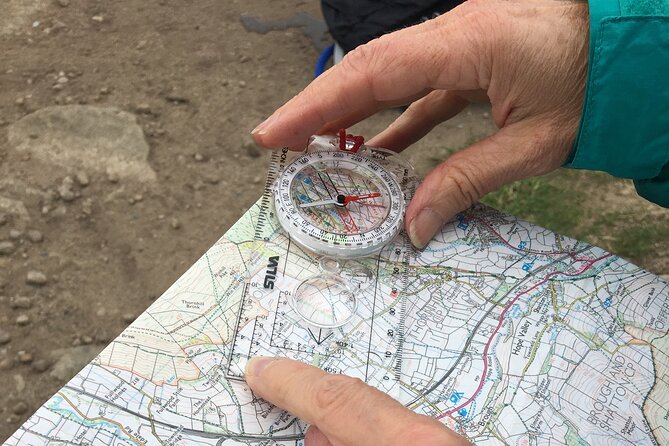
The course highlights learning different types of compasses and how to use them. This is where many people get stuck, because the difference between a compass that looks right and one you can actually use tends to be confidence and repetition.
What you practice with the compass
You’ll learn how to set the map and check direction with a compass. In plain terms, that means you’ll connect what you see on the map with what you’re doing on the ground.
You also get hands-on confidence, not just a quick demonstration. That’s a big deal for beginners, especially if you haven’t touched a compass in years or you’ve only relied on apps.
Why this matters in the Peak District
In the Peak District, weather and visibility can change fast. When cloud rolls in, landmarks that seemed obvious from a distance can vanish. Compass direction checks help you keep a consistent line, even when the scenery is less cooperative.
Even if you plan to use a phone sometimes, learning compass basics gives you a backup you control. It’s a skill, not a battery.
Outdoor practice, turning theory into real decisions
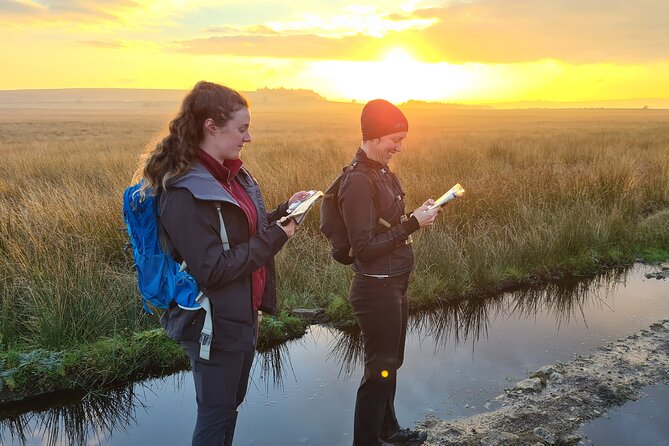
The course is based at The Adventure Hub and designed so you spend most of your day in the hills and moorland. That’s where your learning moves from knowing the terms to using them under pressure.
Expect a practical day with multiple moments where you’ll interpret the map, then confirm direction. You’re not just walking for views, you’re walking with a purpose.
How to think about the outdoor portion
When you’re learning navigation, the outside practice is about small wins:
- finding a clear point on the map
- matching it to what you can see
- taking a direction and checking it
- adjusting when the terrain changes your plan
You’ll get that rhythm through instruction and guided practice, which is exactly what you want as a beginner.
Weather happens, and the course plans for it
This activity operates in all weather conditions. You’re told to dress appropriately, and that’s realistic for the Peak District. The good part of practicing in real conditions is that your skills become more usable, not more theoretical.
Bring layers and waterproofs you’re comfortable working in. If you feel underdressed, you’ll spend your energy worrying, not learning.
Coffee, small groups, and clear teaching
Coffee and tea are provided, which sounds simple until you’re out for hours learning new skills. A warm drink can make breaks feel less like a reset and more like a chance to digest what you just learned.
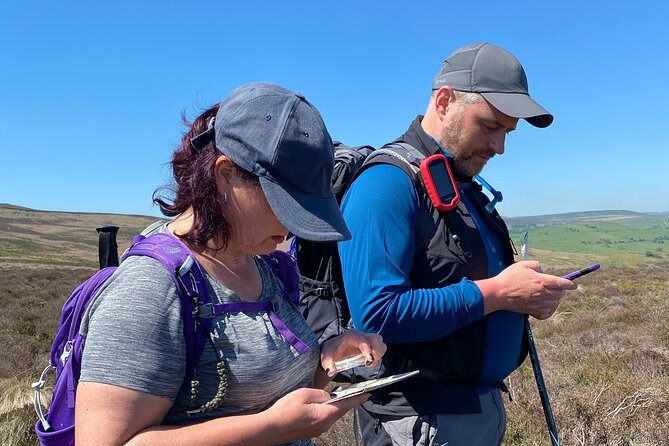
The instruction style is a major reason people rate this course so highly. In the feedback you’re given names and examples of instructors who teach with patience and clarity, including Gavin, Paul, Guy, and Rick. The common thread is supportive coaching, time for practice, and explaining things so you can repeat them later.
Also, with a maximum of 8 travelers, you’re not competing with a crowd for attention. For a subject like navigation, that matters because you learn by asking, correcting, and trying again.
Logistics that affect your experience, start time and what to bring
The course runs in English and uses a mobile ticket. You should plan to arrive with enough time to settle before the 9:30 am start.
You also start in Bamford, in Hope Valley. It’s near public transportation, so you may have options if you don’t want to drive. Still, the simplest plan is to get there early, so you’re calm before learning begins.
Food and comfort planning
Coffee and tea are included, but lunch is not included. If you’re the type who gets hungry fast when learning, plan a snack or lunch before you arrive so you can focus.
What you may want to bring
The course covers compass and map skills, so you may not need to bring specialist gear. But if you own a compass or an OS map already, bring them so the guide can point out what you should watch for. At minimum, bring waterproofs, layers, and footwear suited to walking on uneven ground.
Price and value, what $136.73 buys you
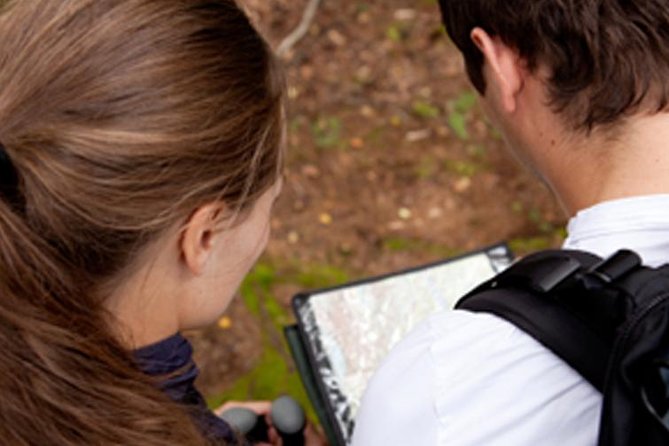
The listed price is $136.73 per person for an approximate one-day course. On paper, that’s not cheap for a single day. In practice, you’re paying for two things that usually cost more than you expect: guided instruction and structured practice.
You get:
- a professional guide
- coffee and/or tea
- time on real terrain using navigation tools
That value becomes clear if you’ll use these skills beyond one walk. Map reading and compass confidence aren’t souvenirs. They’re abilities you keep.
Also, the course is capped at 8 travelers. When a day is skill-based, a small group tends to make the instruction time more usable, which can make the price feel more fair.
Finally, the course is booked fairly in advance, which often means people find it at the right moment in their planning cycle. If you’re serious about using this for upcoming walks, check dates early.
Who this course is best for, and who might want a different option
This is aimed at beginners who want a taste of the skills needed for self-guided walks in the UK. If you can read a map in theory but you freeze when you’re outdoors, you’ll likely get a lot from the structured basics and practical compass use.
It also suits you if you’ve tried navigation apps before and want something that works without relying on signals. The course teaches traditional tools so you can navigate with more confidence when conditions change.
If you already navigate confidently with map and compass, a one-day intro course might feel light. In that case, you might consider moving up to a longer or higher-level option offered by the same provider.
Tips to get more out of your one-day navigation training
Here’s how to make the day more effective for yourself:
- Show up rested and fed. Navigation learning needs focus.
- Ask questions when something feels unclear. The small group size works best when you use it.
- Practice slowly. On a map reading day, rushing usually creates errors.
- Treat the compass steps as repeatable routines, not one-off tricks.
- Dress for the weather you might get, not only the weather you see at booking.
If you can leave the course with a routine you can repeat on future walks, you’ve done the job.
Should you book this Peak District navigation course?
Book it if you want a friendly, structured way to learn map reading and compass skills in the Peak District. The combination of fundamentals (grid references, scales, rights of way) plus compass direction checks, and then real outdoor practice, is exactly what helps beginners stop feeling lost.
Skip it only if you already navigate confidently and would rather spend your time on advanced route planning. Also, factor in that lunch is not included, so plan food so the day stays comfortable.
If you’re building toward self-guided hiking and you want a skill you control in changing weather, this one-day course is a smart starting point.
FAQ
Where does the navigation course start?
The course starts in Bamford, Hope Valley S33, UK.
What time does the course begin?
The start time is 9:30 am.
How long is the course?
It runs for approximately 1 day.
What’s included in the price?
The price includes coffee and/or tea, and a professional guide.
Is lunch included?
No, lunch is not included.
What language is the course offered in?
The course is offered in English.
How many people are in the group?
The course has a maximum of 8 travelers.
Does the course run in bad weather?
Yes, it operates in all weather conditions, and you’re asked to dress appropriately.
How do I get my ticket?
You receive a mobile ticket.
What is the cancellation policy?
You can cancel up to 24 hours in advance for a full refund. If you cancel less than 24 hours before the experience starts, the amount paid will not be refunded.