
REVIEW · GHOST AND HAUNTED TOURS
Private Ghosts and Gore Walking Tour of London
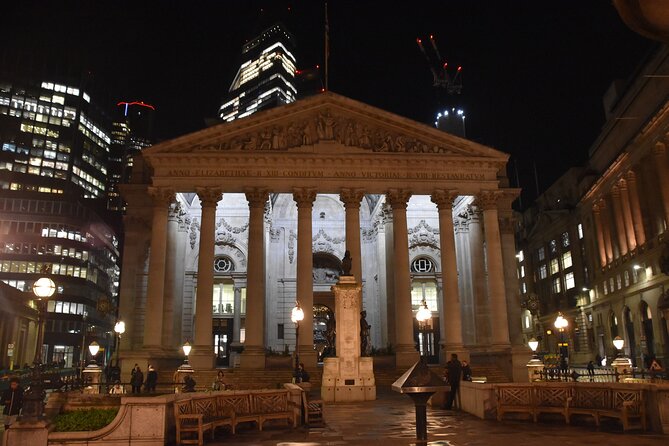
There is something about London at night that feels alive. This private ghosts and gore walking tour lines up 20-something dark City-of-London stops with a guide who ties the scary bits to real places and real history. I love the fact that it is personal enough to ask questions as you go, instead of being stuck in a crowd.
I like two things most: first, the route is built around specific, named stops (from Cornhill churchyards to pubs tied to executions). Second, the guide gives solid context, so the scares land as stories with a point.
One consideration: this is a nonstop walk with short stops, so if you want long hangs in museums or slow photo time, plan for a bit of pace.
In This Review
- Key Highlights You Will Actually Feel
- Private Night Walking Tour in the City of London, in Real Time
- What the Guide Style Adds (and Why It Matters on a Ghost Tour)
- Stop 1 to Stop 4: St. Magnus, Cornhill Devils, and the Pointing Ghost
- St. Magnus The Martyr (Stop 1)
- 54-55 Cornhill (Stop 2)
- St Peter-upon-Cornhill Church (Stop 3)
- St. Michael’s Cornhill (Stop 4)
- Stops 5 to 6: Bank-Area Hauntings, Guns Rattling, and the Bank Ghost
- St. Margaret Lothbury Church (Stop 5)
- St. Mary Woolnoth Church (Stop 6)
- Stops 7 to 10: A Lord Mayor’s Cat, Jimmy the Mummy, Haunted Pubs, and Cockney Curses
- St. Michael Paternoster Royal Church (Stop 7)
- St James Garlickhythe (Stop 8)
- Williamson’s Tavern (Stop 9)
- St. Mary Le Bow Church (Stop 10)
- Stops 11 to 13: Roman Walls, Orb Plague Pits, and Greyfriars’ Multiple Ghosts
- Noble Street (Stop 11)
- St Anne & St Agnes Garden (Stop 12)
- Christchurch Greyfriars Church Garden (Stop 13)
- Stops 14 to 16: Temple Bar’s Severed Heads, Newgate Foundations, and Fred the Pub Ghost
- Temple Bar London (Stop 14)
- Amen Court (Stop 15)
- The Viaduct Tavern (Stop 16)
- Stops 17 to 19: Old Bailey, Holy Sepulchre, and the Church Clerk Mystery
- Old Bailey (Stop 17)
- Holy Sepulchre Church (Stop 18)
- Cock Lane (Stop 19)
- Stops 20 to 21: Pye Corner’s Grave Robbing and West Smithfield’s Brutal Justice
- Golden Boy of Pye Corner (Stop 20)
- West Smithfield (Stop 21)
- Stops 22 to 23: Rahere’s Limp and the Disturbing Resurrectionist Pub
- St Bartholomew the Great (Stop 22)
- Rising Sun (Stop 23)
- Stop 24: The Charterhouse, 50,000 Spirits, and Modern Explanations
- Price, Timing, and Who This Tour Suits Best
- Should You Book This Private Ghosts and Gore Tour?
Key Highlights You Will Actually Feel
- Private group up to 15 makes the stories feel tailored to your questions and pace
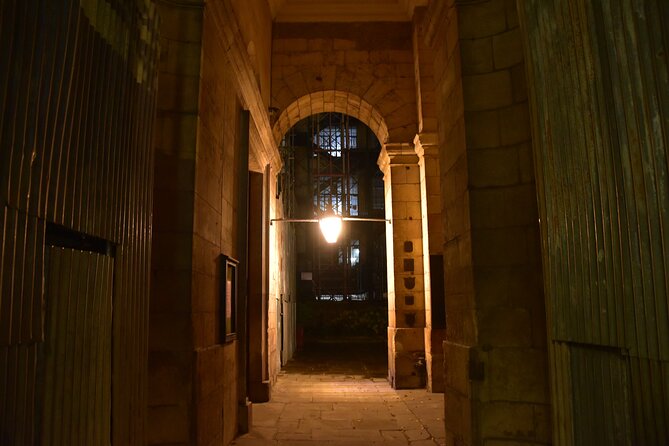
- 24 churchyard and street-side stops keep you moving through London’s most haunting corners
- Wheelchair and stroller accessible, plus service animals allowed
- Bank, Old Bailey, and plague-pit locations connect gore, crime, and the city’s architecture
- Mobile ticket keeps you from hunting for paperwork in the dark
- Highly praised guide approach blends macabre tales with clear historical framing
If the spooky ones are your thing, keep reading
- Ghost, Ghouls and Gallows Tour : Guided Tour with Boat Ride★ 4.5 · 3,212 reviews
- Ghost Bus Tour of London★ 4.0 · 961 reviews
- Ghastly Ghost Walking Tour in London★ 5.0 · 878 reviews
- The Original Jack the Ripper Coach Tour of Haunted London★ 3.5 · 419 reviews
Private Night Walking Tour in the City of London, in Real Time
This is a 2-hour private London tour focused on the City of London, where you can still see how old streets and old buildings shape what you feel on a ghost walk. The tour runs about 2 hours, with roughly 5 minutes at each stop, so you get a steady stream of stories without one place eating the whole evening.
It is priced at $247.70 per group, up to 15 people. That price works best if you are booking with friends or family, since the “per-person” cost drops a lot when the group is full. If you book for a smaller group, it is still doable, but you will feel more of the fixed cost.
You should plan ahead. On average, it gets booked about 45 days in advance, so if your dates are firm, don’t wait until the last week.
Practical tip: you are starting at the Monument to the Great Fire of London area, Fish St Hill (near the City), and you end near Farringdon Station close to the Elizabeth Line entrance. That end point is handy if you want an easy transit ride home instead of backtracking.
What the Guide Style Adds (and Why It Matters on a Ghost Tour)
A ghost tour lives or dies by the guide. This one is built around named locations and specific stories, but what really makes it work is the way the guide explains the background so the tour feels like history you can walk through, not random spooky sound effects.
I love how a private format changes the mood. You can slow down when you spot something you want to read, ask why a particular grave is involved, or get clarity on how a story connects to a church, a pub, or an execution site. The better the context, the more satisfying the creepy part becomes.
The tour has strong feedback around guide quality and presentation. People highlight that the guide, often mentioned as Michael, mixes macabre storytelling with clear historical context, and the result is both entertaining and smart. That balance matters on a “ghosts and gore” theme, because you want the gore to feel grounded in place.
Stop 1 to Stop 4: St. Magnus, Cornhill Devils, and the Pointing Ghost
You begin in the City of London near the Monument, then work your way through churches and streets where the stories are tied to exact spots. These early stops set the tone: you are not just hearing legends, you are being directed to details.
St. Magnus The Martyr (Stop 1)
At St Magnus The Martyr, the focus is a shadowy figure that people have supposedly seen. The twist is that most people notice the ghost, but fewer know who the figure is or why it is pointing to one particular grave. The story includes a spiritual medium visit in 1951, which is what the guide uses to connect rumor to a specific explanation.
Why I think this first stop works: it teaches you how to “look for the story” rather than just listen. You are given a target, a grave, and a reason, so the rest of the tour feels like it has structure.
More on foot, at a pace you can hear the guide
54-55 Cornhill (Stop 2)
Next you look up, but the imagery flips from angels to devils. The detail-heavy scare here is about architectural elements and the idea that you should never cross an architect in London, even if you are the local vicar.
This is a fun stop if you like the way local lore plays with power and reputation. It is also quick, so you get the payoff fast without getting stuck in one spot.
St Peter-upon-Cornhill Church (Stop 3)
This churchyard is tied to Ebenezer Scrooge and A Christmas Carol. The story here is that Scrooge is horrified to see his own grave, with the guide connecting it to how London’s ghosts and gore influenced fiction written in London across the centuries.
If you care about literature, this is where the tour makes a smart move. You get the ghost element, but you also get a link to why those stories caught on in the first place.
St. Michael’s Cornhill (Stop 4)
This stop is the “devil visits London during a storm” type of story. It sets up the theme that supernatural trouble is not confined to graveyards. It can show up in weather, in chaos, in sudden fear.
Drawback to consider here: all stops are short, so if you want a slow, deep church read, you may wish you had a longer visit after the tour ends.
Stops 5 to 6: Bank-Area Hauntings, Guns Rattling, and the Bank Ghost
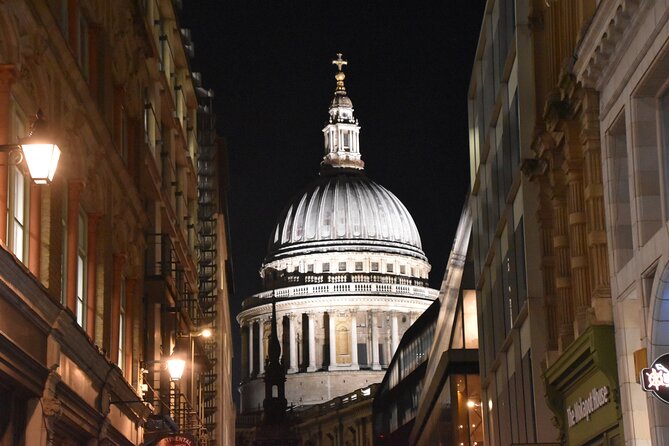
The middle of the tour leans hard into the Bank area energy, where finance buildings, transport, and old churches collide. This is the part that makes the tour feel very “London,” because the city is built on layers.
St. Margaret Lothbury Church (Stop 5)
Here the story centers on a very tall ghost tied to the Bank of England, with a revenge angle triggered by bones being disturbed. The legend says the ghost would rattle guns of the Guards, stomp up stairs, and terrify tellers.
Whether you believe ghosts or not, the payoff is the way the guide turns a modern building area into a place with a past. You start looking at the city like it has memory.
St. Mary Woolnoth Church (Stop 6)
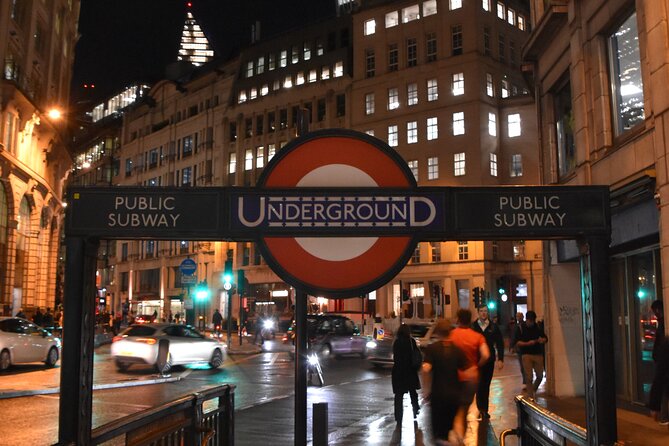
This is where the tour gets specific and fun. The church is linked to one of London’s most famous ghost stories, called the Black or Bank Ghost. The guide connects it to Bank Station, the Bank of England, and the surrounding area.
You also hear the secret of the Bank Station Booking Hall while you are there. That is the kind of detail that makes you feel like you are getting access to a local layer, not just repeating a generic scary tale.
Stops 7 to 10: A Lord Mayor’s Cat, Jimmy the Mummy, Haunted Pubs, and Cockney Curses
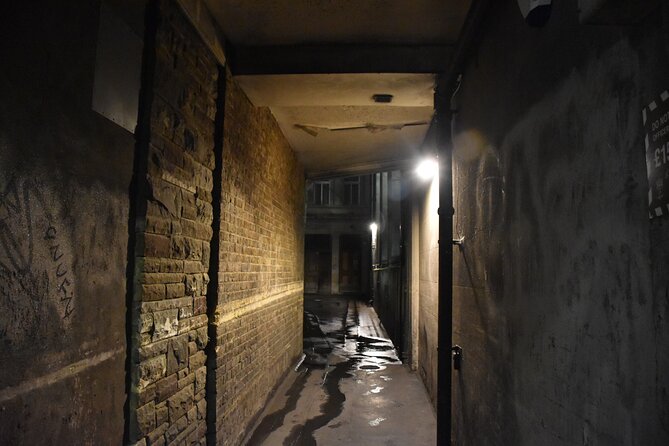
After the Bank-area stops, the route shifts from grand institutions to quirky corner stories. This section is perfect if you like ghosts that feel odd, human, and a little comic in the worst possible way.
St. Michael Paternoster Royal Church (Stop 7)
You learn about a Lord Mayor of London and his feline friend. The ratter is said to still roam between this location and the next, and you follow in the cat’s footsteps with your local guide.
What I like here: the ghost is not just a spooky presence. It is an animal tied to an identifiable person and role, which makes the story easier to picture and repeat later.
St James Garlickhythe (Stop 8)
This stop centers on the mummified body story known as Jimmy the Mummy. In 1835, workers found a mummified body of an unknown person close to the church altar. It was displayed for years, and young children from the church allegedly played with the remains, affectionately naming them Jimmy. The tour uses the legend that Jimmy still haunts the church and can be seen pointing to the spot where he was buried.
This is the most “gore and body-horror” feeling moment in the walk, but it is also unusually grounded in a timeline and a local community connection. You may want to mentally brace if gore is your limit, but the tour keeps it framed as a story tied to the churchyard.
Williamson’s Tavern (Stop 9)
This pub is framed as one of the most haunted pubs in London. The story mentions poltergeists and phantoms, and a detail about police dogs being petrified if they try to enter. Doors bang, steps are heard, and there is only one way out.
Why this works: pubs are social spaces. When you hear a haunted story in the exact venue, it changes how you imagine the past nights. Just keep in mind it is still an outdoor walk stop, so you might not get to linger long.
St. Mary Le Bow Church (Stop 10)
Rather than a haunting, this church is described as the most cursed in London. It has a track record of being burned, collapsing, and accident prone, plus it is tied to murders and many deaths.
The Cockney angle also matters here. The guide mentions the idea that if you are born within the sound of the bells of this church, you are a Cockney and a proper Londoner.
Stops 11 to 13: Roman Walls, Orb Plague Pits, and Greyfriars’ Multiple Ghosts
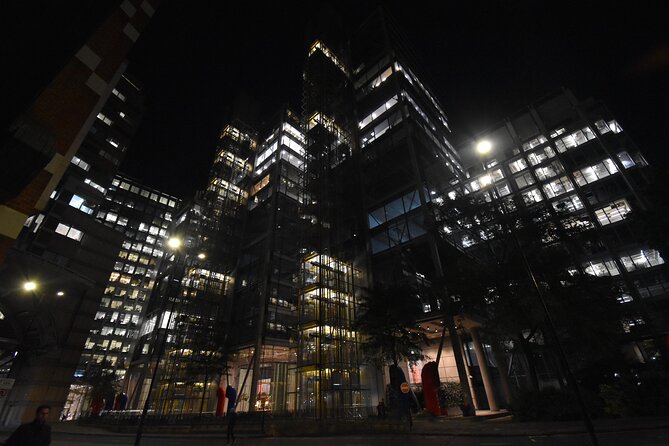
This section shifts from “what happened” to “where it sits in the city.” You start walking through the oldest layers of London, where the ground itself feels like evidence.
Noble Street (Stop 11)
Noble Street is tied to the original Roman garrison during their occupation and to part of the Roman Wall and the Medieval Wall. The tour also mentions death associations from the moment the area was founded, plus famous orb photos and strange goings on.
If you like visual clues, this is a good stop. Even if you do not go chasing photos, the idea that you might spot orbs is a fun prompt.
St Anne & St Agnes Garden (Stop 12)
This stop is about a plague pit below the church area. The guide connects how the plague affected London and how orbs are still regularly seen and captured in photographs.
I think this is one of the most poignant stops because it takes the supernatural and ties it to real mass death. You are also given an activity, taking a picture and checking for orbs, which makes it interactive without needing any equipment beyond your phone.
Christchurch Greyfriars Church Garden (Stop 13)
Greyfriars is loaded with ghosts in the story, including Queen Isabella and her lover connected to a rebellion, a married couple who are seen arguing, a religious prophetess, a monk, and a greyhound. The tour frames it as one of the most haunted places in London, and one of the more likely spots to encounter the paranormal.
Practical note: since there are many distinct figures in this stop, it can help to ask your guide which ghost is the “core” story to remember if you get information overload.
Stops 14 to 16: Temple Bar’s Severed Heads, Newgate Foundations, and Fred the Pub Ghost
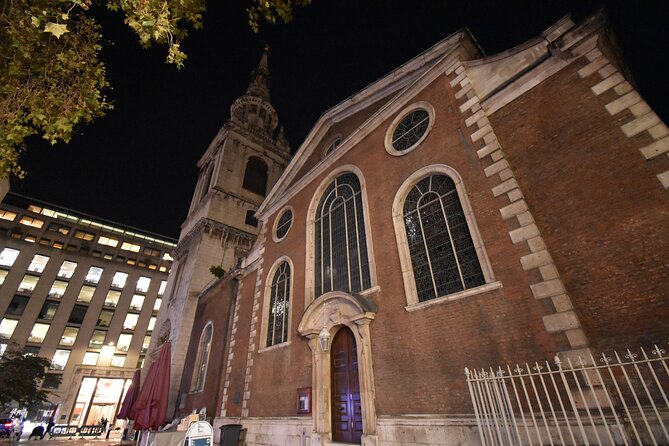
Now the tour steps into the City’s justice machinery. Executions, public punishments, and the residue they leave on streets.
Temple Bar London (Stop 14)
Temple Bar, designed by Sir Christopher Wren, is the entryway that once served as the main western entrance to the City of London. The story includes traitors and criminals whose severed heads were placed on public display. It is said to be haunted by the souls of the condemned.
This is a powerful stop because it explains why the place feels heavy. The guide gives you a reason the story keeps returning: the city made public examples.
Amen Court (Stop 15)
From Amen Court, you can see remaining walls of Newgate Prison. The tour connects Newgate to being notorious, and says children sing, run, and play in the area over bones of those condemned to death. It also asks why the people living there do not have any idea their homes are built on bones.
This stop leans into the emotional contrast between daily life and the ground underneath it. It is also very “London,” because you can stand in ordinary streets and learn that something horrific happened there.
The Viaduct Tavern (Stop 16)
This is described as the most haunted pub in London, with a ghost named Fred who does harmless but confusing tricks like flushing the ladies loos while using them. The guide also shares how a medium questioned Fred’s identity.
If you like mischievous rather than terrifying, this is a good pivot. You can treat this as the tour’s lighter, stranger moment before it turns darker again.
Stops 17 to 19: Old Bailey, Holy Sepulchre, and the Church Clerk Mystery
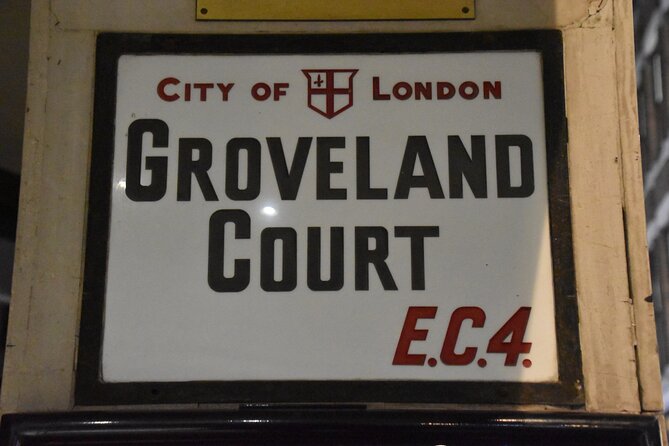
As you move forward, the stories tighten around executions and infamous court history. This is where the tour earns its gore-and-crime theme in a way that feels connected.
Old Bailey (Stop 17)
Old Bailey is framed as Central Criminal Court, built on the old Newgate Prison site. The tour mentions that people were hung in the street until 1868. It also introduces the Black Dog of Newgate, warning that if you see a large black dog in the area, you should update your will.
Holy Sepulchre Church (Stop 18)
This church houses an execution bell. The guide explains that the bell would toll just before an execution at nearby Newgate Prison and Old Bailey. A clerk connected to one of London’s most infamous ghost stories is introduced here, and the story is said to begin in the churchyard and continue at the next stop.
You also learn the custom of ringing the bell, and the tour hints at the gallows moment.
Cock Lane (Stop 19)
Cock Lane is the dramatic conclusion to the Church Clerk story of Holy Sepulchre Church. The tour describes a murder investigation with the involvement of some of the greatest minds in London. The main witness is a young girl channeling the spirit of a dead woman who insists she was murdered.
If you like investigations, this stop gives the tour a plot feel. It is not just a legend. It has characters, accusations, and a chain of events.
Stops 20 to 21: Pye Corner’s Grave Robbing and West Smithfield’s Brutal Justice
Two more places that make you think about how death was handled when London was different.
Golden Boy of Pye Corner (Stop 20)
This statue is described as marking the furthest west point of the Great Fire of London. The tour says the statue once stood on a wall of a notorious pub and that stolen bodies of the dead were displayed for doctors in nearby St Barts Hospital to buy and dissect. It explains grave robbing and resurrection men, why fresh corpses were prized, and how that demand led to murders.
This is gore in a historical sense, tied to the brutal supply chain of bodies. Even if you are squeamish, the guide frames it as a story with causes and consequences.
West Smithfield (Stop 21)
West Smithfield is one of London’s famous execution sites where rebels like William Wallace and Wat Tyler were hung, drawn, and quartered. It also mentions burning at the stake and boiling alive. The story adds that the smell of meat, blood, and bone from the adjoining butcher’s market made it even worse.
The tour also brings St Barts Hospital back up, saying it is full of poltergeists, a haunted lift, and students who report strange goings on late at night, even when alone.
Stops 22 to 23: Rahere’s Limp and the Disturbing Resurrectionist Pub
Now the tour mixes one old-school church spirit with a very specific pub story tied to resurrectionists.
St Bartholomew the Great (Stop 22)
This church is described as haunted by its founder, Rahere, who can be seen hobbling around the building. The guide explains why he limps after 700 years of walking normally, and asks who is to blame.
This stop feels a bit like a legend you would hear repeated locally, and it fits the theme that London ghosts can be tied to personal punishment or personal blame.
Rising Sun (Stop 23)
The Rising Sun is also described as a resurrectionist pub. It is framed as home to one of the most disturbing and disturbed ghosts in London, nicknamed the sex pest ghost. The tour notes that it can be difficult to find female staff willing to live on-site.
This is the stop to take seriously if you have comfort limits. The tour is clearly not trying to be sanitized, so you should decide ahead of time whether this theme is right for you.
Stop 24: The Charterhouse, 50,000 Spirits, and Modern Explanations
You finish at The Charterhouse, a short walk from the Elizabeth Line entrance to Farringdon Station. This final stop ties together plague, death, and the way modern science can try to explain odd experiences.
The tour says Charterhouse is home to one of the largest plague pits, with an estimate of 50,000 buried underneath. It also connects the area to monks executed during the Reformation, and describes a phantom monk who is usually seen praying. You also hear about a duke who lost his head and a modern twist: how medical science might explain strange goings on, with a note that a prestigious school of psychiatry in the UK happens to be located at Charterhouse Square.
I like this ending because it gives your brain a place to land. Even if you love ghost lore, it is useful to hear that some of this may have other explanations.
Price, Timing, and Who This Tour Suits Best
At $247.70 per group for up to 15 people, the value is all about your group size. If you can fill a few spots, this becomes a low-cost way to get a private, guided walk through some very specific sites. You are also paying for a guide who ties the spooky parts to named locations and clear context, not just read-aloud creepiness.
This tour runs about 2 hours, with short stops. That means it fits well for visitors who want a single evening activity that covers multiple City-of-London highlights without a heavy schedule.
Who it is best for:
- History fans who like real places tied to stories
- People who love churchyards, street lore, and London’s justice history
- Groups who want a private format so the guide can shape the pacing
- Anyone who wants an accessible route with wheelchair and stroller support
Who should think twice:
- If you hate gore and body stories, you will want to gauge comfort before committing
- If you want long pauses, this fast-stop structure may feel rushed
Should You Book This Private Ghosts and Gore Tour?
If your idea of fun is walking among churches, pubs, and execution-era sites while a guide explains the why behind each story, this tour is a strong match. The private setup, up to 15 people, makes it feel more like a guided evening with a storyteller than a mass attraction.
I would book it if you want the City of London after dark, you care about specific locations, and you like your scares wrapped in historical context. If your comfort level is low on disturbing themes, especially body and resurrection stories, you might want to skip or choose a milder ghost tour style.
More Private Departures





More Of London On Foot


Darker Corners Of London



Fresh off the notebook in London
- Private Rock ‘n’ Roll Music Tour of Central London
★ 5.0 · 7 reviews - London Walking Tour: Camden Town Photography Walkabout
★ 5.0 · 7 reviews - Private Transfer from London accommodation to Cruise terminal
★ 5.0 · 7 reviews - Amazing Nightlife in London East Tour
★ 4.5 · 7 reviews - The British Museum: a highlights tour with a TV historian
★ 5.0 · 7 reviews - Heathrow Airport to Cambridge private taxi transfers
★ 5.0 · 7 reviews
Ghost and Haunted Tours, compared.
 ★ 4.5Ghost, Ghouls and Gallows Tour : Guided Tour with Boat RideFrom $293,212 reviews
 ★ 4.5Ghost Bus Tour of YorkFrom $272,404 reviews
 ★ 5.0Shadows of York: Ghost Walk and Horrible History.From $181,403 reviews
 ★ 4.0Ghost Bus Tour of LondonFrom $38961 reviews
 ★ 5.0Ghastly Ghost Walking Tour in LondonFrom $34878 reviews
 ★ 5.0Liverpool Ghost Walking TourFrom $27862 reviews
 ★ 5.0Fully Guided Bath Ghost ToursFrom $24539 reviews
 ★ 3.5The Original Jack the Ripper Coach Tour of Haunted LondonFrom $82419 reviews
Browse the lists this tour appears in