
REVIEW · JACK THE RIPPER TOURS
Private Walking Tour: Jack The Ripper and East End
London’s East End has bite.
This private Jack the Ripper walking tour is built for crowd-free time in Whitechapel, with your guide pointing out the locations tied to the murders while also explaining how the area has changed. You meet your guide at Aldgate East Station, then head out on foot through the streets where the case unfolded, with a finish that lets you grab a proper Victorian-era pub break.
What I love most is the chance for private pacing on a topic that usually feels rushed, and the way the route connects big ideas to specific spots, like Spitalfields Market in 1888 versus what you see there now. I also like that the tour is straightforward in the best way: you’re walking, learning, and discussing the evidence, not being herded through a checklist.
One possible drawback: it’s a case with gruesome details, and even though the stops are short, you may want to prepare yourself for dark subject matter and cold-weather walking if you’re doing an afternoon departure in winter.
In This Review
- Key things that make this tour worth your time
- Why private is the secret sauce in the East End
- Meeting at Aldgate East, then getting your bearings on foot
- Stop 1: Whitechapel, the heart of the East End story
- Stop 2: Spitalfields Market E1 and the difference between then and now
- Stop 3: Fournier Street, Ten Bells, and the Mary Kelly connection
- Stop 4: Mitre Street and Mitre Square, where speed and darkness collide
- Stop 5: Goulston Street and the Graffito that won’t stop being argued
- Price and value: what $108.13 buys you in real terms
- Timing, weather, and how to stay comfortable
- Guides, pacing, and what good narration feels like
- Who should book this private Jack the Ripper East End tour
- Should you book it?
- FAQ
- How long is the Private Walking Tour: Jack the Ripper and East End?
- Where does the tour start?
- Is the tour private?
- Is hotel pickup and drop-off included?
- What stops are included on the walk?
- Do I need to pay for admission at the stops?
- Is food or drinks included?
- How much does the tour cost?
- What is the cancellation policy?
- Is the tour accessible for most travelers, and can service animals join?
Key things that make this tour worth your time
- Private tour format means you can ask questions without competing with a crowd
- Hotel pickup and drop-off saves you time getting to Aldgate East
- Stop-by-stop Ripper sites keep the story grounded in real locations, not vague legends
- Spitalfields and Whitechapel context helps you understand why policing and poverty mattered in 1888
- Ten Bells and nearby Mary Kelly links add a human layer to the story
- Goulston Street Graffito discussion is built for people who like to weigh clues and arguments
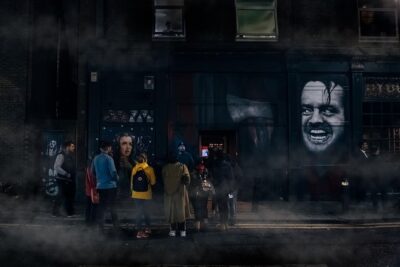
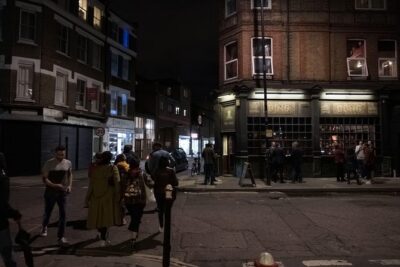
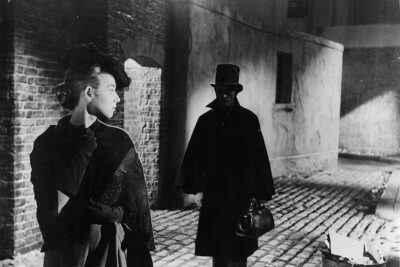
Whitechapel after dark, other guides tested
- London Jack the Ripper Guided Tour with Ripper-Vision★ 4.5 · 4,840 reviews
- London Jack The Ripper Guided Walking Tour★ 5.0 · 3,131 reviews
- Ultimate Jack the Ripper : Guided Tour of London★ 5.0 · 1,495 reviews
- The Original Jack the Ripper : Guided Tour★ 5.0 · 1,264 reviews
Why private is the secret sauce in the East End
This is not the kind of tour where you sprint past plaques and hope you caught everything. The private setup changes the vibe fast. You can linger at a corner, slow down for a question, and actually connect what you’re hearing to what you’re looking at.
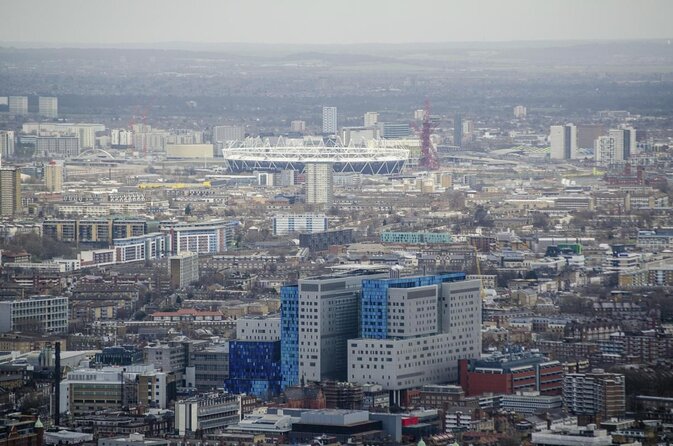
That matters here, because the East End is layered. Whitechapel and Spitalfields are not “museum streets.” They’re working neighborhoods with regeneration, shops, and modern life. So when your guide explains how the area was once deprived, and how the police feared going in after dark, you start to see why the case unfolded the way it did, instead of treating it like a distant crime story.
If you’re a history buff, or you just like your London tours to feel real and specific, this route gives you that. And if you’re the kind of person who thinks Ripper stories are more interesting when you compare facts, you’ll like the way the tour encourages you to form your own opinion about the unsolved parts.
Meeting at Aldgate East, then getting your bearings on foot
You’ll meet at Aldgate East Station (Stop E) in the morning or afternoon, and then the tour runs about 3 to 3.5 hours. From a practical standpoint, that’s a sweet spot. Long enough to cover multiple sites properly, short enough that you’re not spending half the day commuting or waiting.
Because it’s a walking tour, it also keeps you connected to the neighborhood scale. The East End stories work best when you can feel the street grid, the closeness of doorways and alleys, and how a “small” place could still carry big consequences.
The route also makes a simple promise: the stops are clustered, so you’re not constantly in transit. You get to spend your attention where it counts, at each location and the surrounding context your guide supplies.
Stop 1: Whitechapel, the heart of the East End story
The tour starts in Whitechapel, around Aldgate East, and your guide sets the stage with what the East End meant at the time and what it has become now. This is more than scene-setting. It’s the difference between hearing a murder tale and understanding the setting that shaped it.
Whitechapel was once very deprived, and it’s not hard to see why that mattered for the case. When your guide talks about the kind of conditions that existed and the way policing worked, you’re better equipped to understand why witnesses, fear, and timing were such big factors in 1888.
What to expect here: a focused walk through the neighborhood core where your guide ties locations to the wider case.
Possible drawback: because this is the foundation stop, it may feel heavier on narrative than later stops. If you prefer action over context, just be ready to settle in for the first chunk.
Stop 2: Spitalfields Market E1 and the difference between then and now
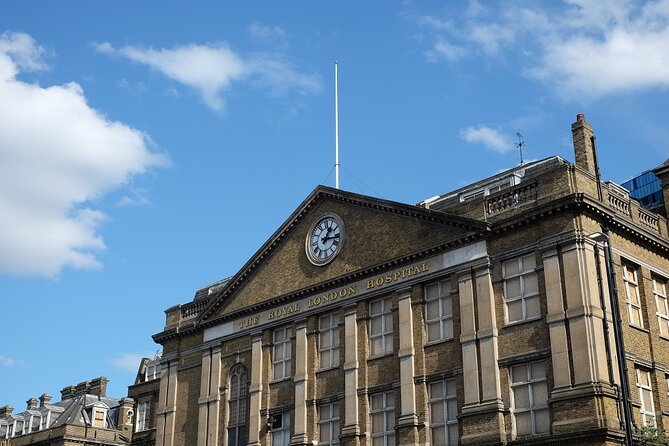
Next up is Spitalfields Market (E1). This is where the tour gets especially interesting, because your guide contrasts 1888 with today’s Spitalfields. The area became a very different space over time, but the tour points out that in 1888 the police feared going in after dark, and that Jack the Ripper chose this part of town as a main stalking ground.
Spitalfields isn’t just a name in a story here. You visit surviving buildings and murder sites, and you hear witness testimony tied to the events. That combination helps you do something many tours skip: it encourages you to weigh what people said against what evidence remains.
What makes this stop valuable: witness accounts are emotional, and they can conflict. With your guide framing what you see and what was happening nearby, you get a better chance to judge credibility for yourself.
Small caution: this section includes testimony and case details, so if you’re sensitive to distressing material, this is the part where you may want to pace yourself.
More on foot, at a pace you can hear the guide
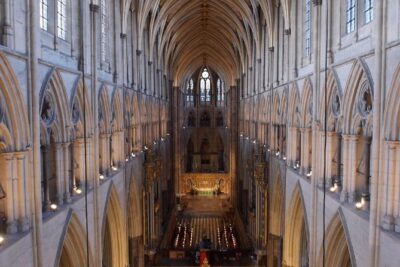
Stop 3: Fournier Street, Ten Bells, and the Mary Kelly connection
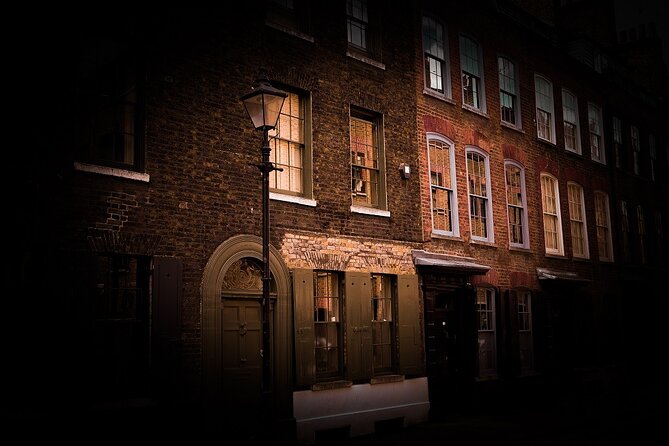
Then you head to Fournier Street, an area tied to Huguenot silkweavers who fled persecution in France. By 1888, the neighborhood also had doss houses, which is a blunt reminder of how survival-oriented life could be.
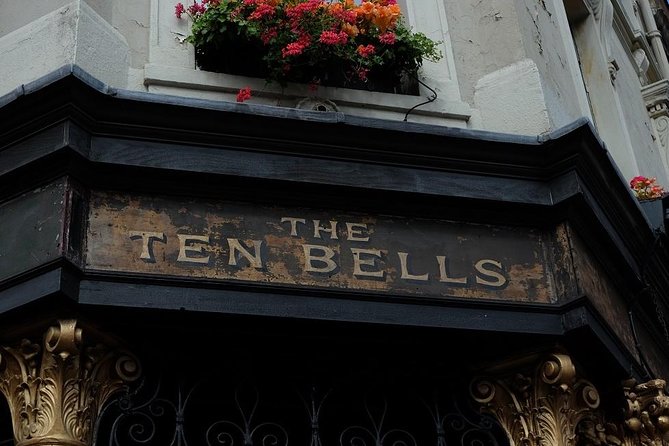
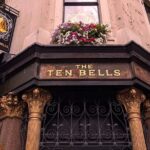
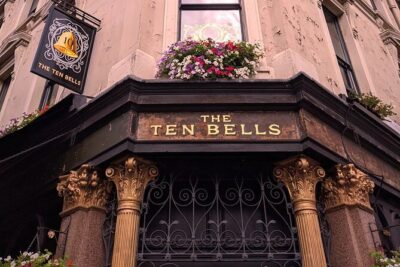
One stop you should really mark in your mind is The Ten Bells. Your guide connects the pub to the victims, noting that all of Jack the Ripper’s victims were known to frequent it. The tour also points out that the interior is largely the same as it was back then, which makes this stop feel oddly specific and real.
The tour also links Mary Kelly particularly closely to this pub, because her lodgings were just across the street. That detail matters because it moves the story from a faceless headline into a person with a known place in the neighborhood.
Why I think this stop lands well: pubs are social spaces. Even in a tragic case, it helps you understand how victims and neighbors moved through ordinary routines.
What to watch for: this stop is only about 20 minutes, so if Ten Bells pulls you in, you might wish you had more time inside. Still, it’s a strong, memorable anchor point for the route.
Stop 4: Mitre Street and Mitre Square, where speed and darkness collide
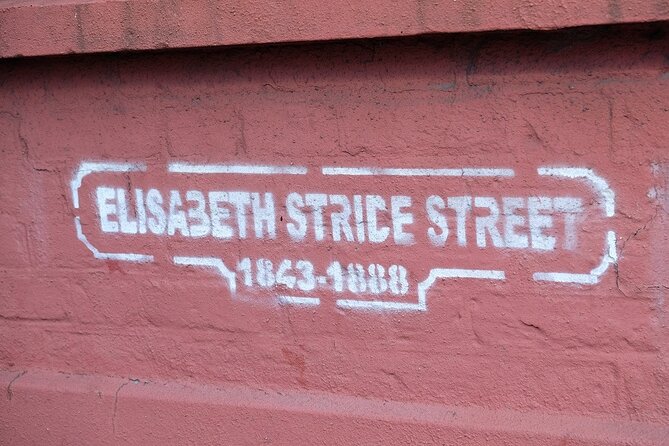
Next you go to Mitre Street and then toward Mitre Square, described as a pitch black, cobbled square. Here the tour focuses on Catherine Eddowes, including the claim that Jack the Ripper managed the attack in less than 15 minutes.
The key here is not just the event. It’s the puzzle your guide frames around darkness and timing. The case is famously debated among people who study the evidence, and this stop is built to reflect that.
What to expect: a short walk to the square and a discussion of how such a swift act could happen in that environment.
Practical consideration: because the stop is only about 15 minutes, the story moves quickly. If you like detail, ask your guide to slow down or repeat the points they think matter most.
Stop 5: Goulston Street and the Graffito that won’t stop being argued
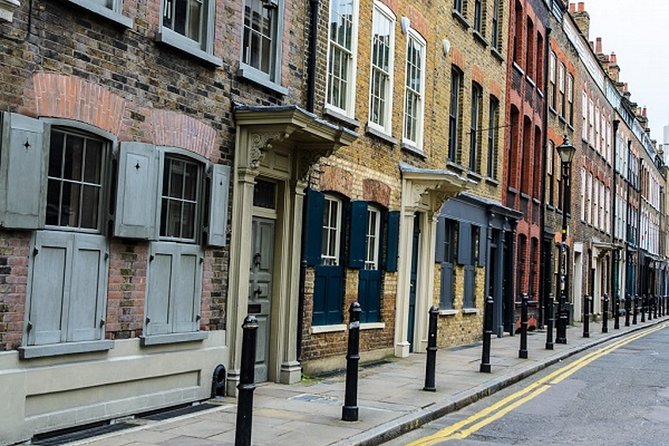
Finally, you visit Goulston Street for one of the most debated physical clues: the Goulston Street Graffito. Your guide explains that Jack the Ripper left only a small amount of physical clues behind, and this is the one that has stayed in the spotlight.
The tour points out that a bloodstained apron from Catherine Eddowes was found in a doorway, and above it, there was chalk writing on the wall. The big question is whether that writing can be tied to the killer’s handwriting, and the tour encourages discussion so you can weigh the facts yourself.
This stop is short, around 15 minutes, but it’s one of the most “you judge the evidence” moments on the route. It’s also where your own interest level can swing the experience. If you like arguments, comparisons, and probabilities, you’ll get a lot out of the way your guide frames the uncertainty.
Value for money angle: you’re paying for a guide’s ability to connect sources and interpret details, and this is exactly the kind of stop where that skill shows.
Price and value: what $108.13 buys you in real terms
At $108.13 per person, this isn’t the cheapest way to see the East End. But it is a pretty clear value if you care about the private format.
Here’s why the number makes sense for the right traveler:
- You get a professional guide focused on your group only
- You get hotel pickup and drop-off, which saves time and reduces hassle
- You have multiple stops where admission is listed as free, so you are not paying site entry fees during the walk
- The duration of about 3 to 3.5 hours gives you enough time to connect narrative to locations
And the practical point many people miss is this: Ripper tours live or die based on pacing and Q and A. A private guide can slow down for what you want, and speed up for what you already know.
There’s also a mention of group discounts, which can improve the value if you’re traveling with people you like enough to share the story details.
Timing, weather, and how to stay comfortable
The tour runs morning or afternoon. One review memory involves a cold evening, and the important takeaway is simple: dress for London weather, not for a perfect storybook stroll.
Because you’re walking multiple blocks and standing in street-facing spots, comfortable shoes matter. Also, if you tend to get chilly fast, plan layers. The East End is not a place where you can easily step into warmth every few minutes, especially if the tour is moving according to its timeline.
The story is also dark. You don’t need to avoid it, but you do want a little emotional preparation if you’re not used to true-crime material.
Guides, pacing, and what good narration feels like
One of the best signals from the reviews is how well the guides handle storytelling. A cold evening didn’t ruin the mood because John was described as interesting and informative, bringing the Jack the Ripper story to life even though it’s gruesome.
There’s also a practical note about Richard, who coordinated a meet time when someone had other plans, and showed up on time. That kind of responsiveness matters on day one in London. It reduces stress, and you can focus on the walk.
So what should you expect from the guide style? You’re likely to get a mix of:
- Neighborhood context for Whitechapel and Spitalfields
- Specific location explanations tied to the case
- Discussion prompts, especially around debated clues like the Graffito
- Enough flexibility to answer questions without snapping you back to pace
Who should book this private Jack the Ripper East End tour
This works best if you want:
- A private walking experience rather than a crowded bus-style format
- A tour that covers more than the headline, with witness testimony and evidence discussions
- A route that connects Ripper locations with how the East End changed over time
It may not be the top pick if you:
- Want a light, funny London walk (this is true crime, with grim details)
- Prefer very long stops at each location (the route is tightly timed, so some locations are brief)
If you like Victorian pubs, street-level history, and case details you can actually point to, this tour fits your style.
Should you book it?
I think you should book this private Jack the Ripper and East End tour if your ideal London day includes a real neighborhood walk, a guide who can explain the case without rushing, and a route packed with specific locations like Ten Bells, Mitre Square, and Goulston Street.
If you’re on the fence because the topic is heavy, keep that in perspective. The tour’s structure is built to keep you oriented: start with Whitechapel context, then move through key sites where the story becomes concrete. And the private setup helps you go at a pace that feels right.
If your schedule is tight or you want less friction than trying to stitch together your own East End route, this is a smart way to get it done in a half-day.
FAQ
How long is the Private Walking Tour: Jack the Ripper and East End?
It runs about 3 hours to 3 hours 30 minutes.
Where does the tour start?
The meeting point is Aldgate East Station (Stop E), London E1 1FE, UK.
Is the tour private?
Yes. It’s a private tour/activity, and only your group participates.
Is hotel pickup and drop-off included?
Yes. Hotel pickup and drop-off are included to save you hassle.
What stops are included on the walk?
The tour includes stops around Whitechapel, Spitalfields Market (E1), Fournier Street, Mitre Street and Mitre Square, and Goulston Street.
Do I need to pay for admission at the stops?
Admission tickets are listed as free for the stops on the itinerary.
Is food or drinks included?
No. Food and drinks are not included.
How much does the tour cost?
The price is $108.13 per person.
What is the cancellation policy?
Free cancellation is available. You can cancel up to 24 hours in advance for a full refund, and changes within 24 hours of the start time are not accepted.
Is the tour accessible for most travelers, and can service animals join?
Most travelers can participate, and service animals are allowed. The meeting point is near public transportation.
More Private Departures






More Of London On Foot



More Nights In Whitechapel



Fresh off the notebook in London
- Witchcraft, Ancient Cults & MI15 Spy Secrets
★ 4.0 · 3 reviews - Arrival Transfer: London Train Stations to London Hotels
★ 5.0 · 3 reviews - Royal Afternoon Tea & Walk at Kensington Palace
★ 4.5 · 3 reviews - Bridgerton Tour in London
★ 5.0 · 3 reviews - Private Transfer from central London to Southampton Cruise Terminal
★ 5.0 · 3 reviews - Photographer, Professional Photo Shoot – London
★ 5.0 · 3 reviews
Jack the Ripper Tours, compared.
 ★ 4.5London Jack the Ripper Guided Tour with Ripper-VisionFrom $274,840 reviews
 ★ 5.0London Jack The Ripper Guided Walking TourFrom $03,131 reviews
 ★ 5.0Ultimate Jack the Ripper : Guided Tour of LondonFrom $271,495 reviews
 ★ 5.0The Original Jack the Ripper : Guided TourFrom $221,264 reviews
 ★ 5.0London Jack The Ripper Small-Group Walking TourFrom $1511,013 reviews
 ★ 5.0Jack the Ripper Tour in SpanishFrom $17875 reviews
 ★ 3.5The Original Jack the Ripper Coach Tour of Haunted LondonFrom $82419 reviews
 ★ 5.0Jack the Ripper Walking Tour in LondonFrom $34354 reviews
Browse the lists this tour appears in