
REVIEW · TICKETS
Royal Observatory Greenwich & Prime Meridian Entry Ticket London
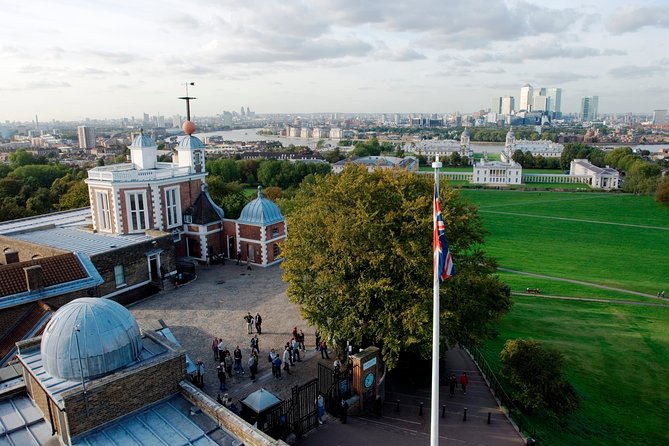
Time has a home here in Greenwich. This ticket gets you to the Prime Meridian photo spot, then guides you through the observatory buildings and history with a free audio guide. You also get big London views from Greenwich Royal Park, which makes the walk feel worth it.
I especially love the feeling of standing in the exact place where GMT was anchored, with one foot in the east and the other in the west. I also really like the hands-on way the exhibits connect people to science, from Harrison’s clocks to the Time Ball that’s still used as a public time signal.
One consideration: the observatory sits on a steep hill, and parts of the site are not fully accessible, so plan for stairs and uneven walking paths.
In This Review
- Key highlights you will actually care about
- Getting to the observatory, and why the hill matters
- Prime Meridian Courtyard, where east meets west
- Flamsteed House and Wren’s Octagon Room
- Harrison’s clocks, the Shepherd Gate Clock, and public time signals
- The Great Equatorial Telescope in the onion dome
- Audio guide tips, and how to use them without getting lost
- Views from Greenwich Royal Park, and a smart photo plan
- Pairing it with nearby Maritime Greenwich sights
- Duration and pacing: how 2 hours actually feels
- Price and value at $33.90
- Who should book this, and who might rethink it
- Should you book this Prime Meridian entry ticket?
- FAQ
- How long does the Royal Observatory Greenwich experience take?
- Is the ticket in English?
- Do I get an audio guide with the entry ticket?
- What can I see inside after standing on the Prime Meridian?
- Are nearby attractions included?
- Can I cancel for a full refund?
- Is the observatory wheelchair friendly?
Key highlights you will actually care about
- Prime Meridian Courtyard photo: Stand astride the east-west line tied to Greenwich Mean Time (GMT)
- Flamsteed House and Flamsteed-era science: Walk in the footsteps of the Astronomers Royal
- Sir Christopher Wren’s Octagon Room: One of Wren’s best preserved interiors in London
- Longitude and clock-making payoff: Harrison’s clocks plus public time signals like the Shepherd Gate Clock and Time Ball
- Big telescope moment: See the Great Equatorial Telescope in the iconic onion dome
- Easy add-ons nearby: Maritime Greenwich museums are close by, and two are free
More entry tickets checked for queue time
- Tower of London and Crown Jewels Exhibition Ticket★ 4.5 · 6,677 reviews
- Thorpe Park Admission Ticket★ 4.0 · 5,915 reviews
- The London Eye Entry Ticket★ 4.0 · 3,498 reviews
- London Eye Fast-Track Ticket★ 4.5 · 3,456 reviews
Getting to the observatory, and why the hill matters
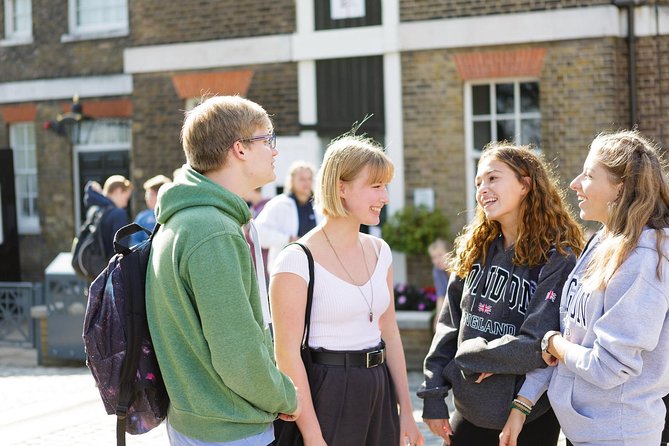
Royal Observatory Greenwich sits on a hill in Greenwich Royal Park. That setting is not just scenery. It’s part of the experience because you begin with a climb that gradually changes your perspective, from park views to the observatory complex.
On arrival, expect a noticeable walk and outdoor sections. If the weather turns wet or windy, you will feel it more than you would at a flat museum. Comfortable shoes help a lot, and I’d rather you dress for the weather than tough it out in sneakers you hate.
If you want photos, arrive with a simple plan. The Prime Meridian spot is the obvious one, so take it early before the crowds thicken and people slow down.
Prime Meridian Courtyard, where east meets west
The visit starts in the Meridian Courtyard. This is the big moment: you stand astride the Prime Meridian Line, with one foot in the eastern hemisphere and the other in the western hemisphere. It’s a very physical way to understand what feels like an abstract line on a map.
The courtyards and paths around it make it easy to orient yourself. You see the line, you see the surrounding buildings, and you get a quick sense that this is a working science site, not just a photo backdrop.
The best way to use this stop is to slow down for 2 minutes. Get the photo, but also look at how the exhibits and walk routes pull you toward the clock rooms and telescope areas next. It makes the rest of the visit click.
Flamsteed House and Wren’s Octagon Room
From the courtyard, you move into the history-heavy areas. Flamsteed House is where you walk in the footsteps of the Astronomers Royal. That phrase sounds grand, but the practical effect is that the building feels like it has kept its purpose for centuries.
Next comes the Octagon Room, designed by Sir Christopher Wren. Wren is a name you’ll see around London, but here it becomes more than architecture. You are moving through space shaped to support scientific work, and it helps you understand why time measurement was such a serious business.
A good tip is to use your audio guide during these rooms, not while walking outside. The interior parts reward close attention. If you wait until later, you miss details that you can only really notice while you are in the room.
Harrison’s clocks, the Shepherd Gate Clock, and public time signals

The observatory’s story is partly about space, but it’s even more about time. If you care about how modern life keeps ticking, you will enjoy how the exhibits show that timekeeping was a real struggle with real consequences.
You’ll see Harrison’s clocks, tied to innovations that changed the world. That matters because early accurate time measurement made it possible to navigate more precisely. Even if you do not go deep on the science, you can grasp why clockmakers were treated like rock stars.
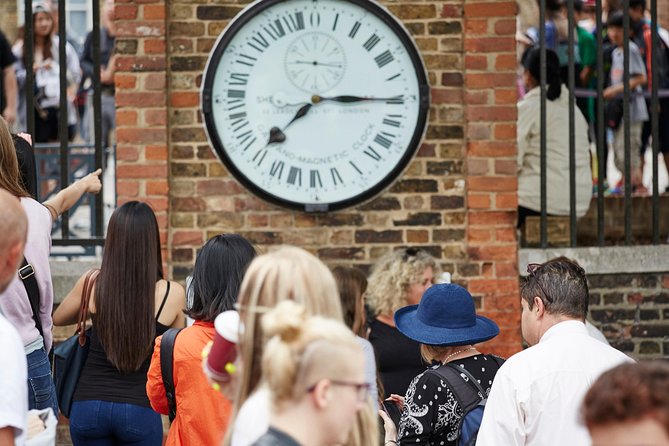
Don’t miss the Shepherd Gate Clock mounted outside. It was the first clock to show Greenwich Mean Time to the public. Seeing it in place helps the story feel local and practical, not like a textbook detail.
Then there is the Time Ball on top of Flamsteed House. It was first used in 1833, and it still operates today. Even if you catch it at the wrong moment, just knowing it’s a living public time signal adds a rare sense of continuity.




The Great Equatorial Telescope in the onion dome

One of the most memorable physical exhibits is the Great Equatorial Telescope inside the iconic onion dome. This is where the observatory shifts from timekeeping into the sky.
The telescope theme works well with the earlier clock theme. It shows the shared purpose behind both: measuring and observing in ways that humans could actually use. You get the sense that astronomy and practical navigation were teammates, not separate hobbies.
If you are short on time, do not rush past this area. Even a quick stop gives you the satisfaction of seeing something built for careful long-term observation.
Audio guide tips, and how to use them without getting lost
You get a free audio guide, and it’s available in 7 languages on site. There’s also a free downloadable version in 10 languages included with the experience. That’s a real value because audio helps you connect the dots between rooms without needing a spoken guide the whole time.
Use the audio guide like a highlight reel. Start it in the courtyard area, then pause and listen once you are in a room with an object you can point at. When your audio is talking about clocks, you want to be looking at clocks, not walking between buildings.
If crowds are around, keep your distance from noisy groups. The audio track helps you focus, and you do not have to compete with other conversations to hear your own narration.
Views from Greenwich Royal Park, and a smart photo plan
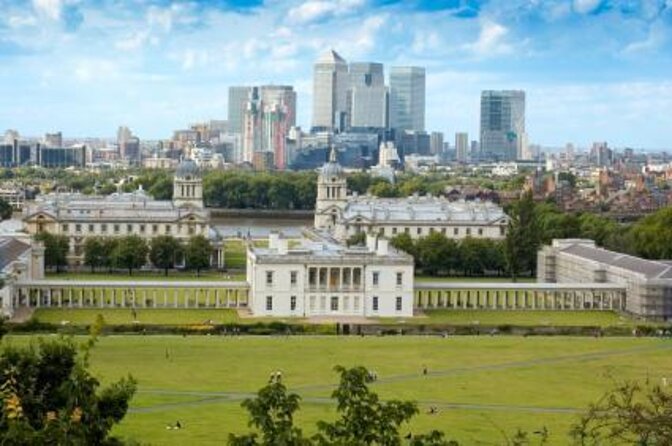
The observatory hill rewards you with views over Greenwich Royal Park, the City of London, and the River Thames. These views can feel like a bonus, but they also help you understand why Greenwich became important for observation and navigation.
A simple photo plan makes a difference:
- Take your Prime Meridian photo first, then continue.
- Take one or two wide skyline shots from the way up or way down.
- Save close-up shots for interior exhibits after you see the main spaces.
Rain can mess with the outdoor walking parts, and it can turn the hill into a slog. If you can choose your day, fair weather makes the visit easier on your legs and your attention span.
Pairing it with nearby Maritime Greenwich sights
The Royal Observatory sits in the UNESCO World Heritage Site of Maritime Greenwich. Two nearby attractions, the National Maritime Museum and Queen’s House, are free and a short walk away.
That combo is great if you like your history to stay walkable. You can use the observatory as your anchor, then expand into broader maritime themes without needing transportation.
Also nearby is Cutty Sark, the world’s sole-surviving tea clipper, now an award-winning museum and visitor experience. If you have energy for one more stop, it’s a natural extension of the Greenwich theme. Time and navigation stories belong together.
If you are trying to do everything in one day, build in time for wandering. Greenwich does not rush you, and the best moments often happen between scheduled indoor stops.
Duration and pacing: how 2 hours actually feels
The experience runs about 2 hours, give or take. In practice, this is enough time to see the core sequence, use the audio guide, and stop for photos.
Pacing matters because you are mixing indoor rooms with outdoor walking on a hill. If you tend to linger, add a bit of extra time. One of the most common disappointments is arriving expecting more flexibility than a tight 2-hour flow allows.
If you want a more relaxed visit, treat it as a half-museum, half-walk day. Then add one nearby museum only if you feel good when you finish the observatory.
Price and value at $33.90
At $33.90 per person, this ticket can feel like a bargain or a splurge depending on what you want. The value comes from three things you actually get:
- Entry to a place tied to GMT and the Prime Meridian
- An included audio guide in multiple languages
- Access to major historic exhibits and landmarks like Wren’s Octagon Room, Harrison’s clocks, the Time Ball, and the Great Equatorial Telescope
You are not paying just for a line on the ground. You’re paying for context that explains why that line mattered, and for objects that made time measurement and astronomy usable.
If you already plan a Greenwich day, the price also becomes easier to justify because the area has multiple high-value add-ons that are close by, including two free sites.
Who should book this, and who might rethink it
This works best for:
- People who want a clear explanation of how timekeeping shaped the modern world
- Anyone who likes science history, clocks, navigation, or astronomy
- Families, as long as kids are comfortable with walking and stairs
It might not be ideal if:
- You have limited mobility, since some parts are not fully accessible and there are stairs involved
- You hate hills or wet outdoor walking, since the climb is part of the experience
If you are coming with questions, plan to stay patient and ask what you can while inside. One highlight that stands out from my research is how much better people felt when staff or guides could answer questions well, including a guide named Ross who was praised for being willing to help.
Should you book this Prime Meridian entry ticket?
I think you should book if you want a high-impact Greenwich stop with a strong sense of place. Being able to stand on the Prime Meridian line and connect it to GMT, clocks, and a working observatory story is the core win here.
I’d especially book ahead if your dates are firm. This is a popular attraction and gets booked around a month in advance on average, so picking your time slot early reduces stress.
If you are worried about logistics, keep your phone charged and be ready with your ticket format. A small number of people reported trouble with third-party mobile vouchers not scanning properly. That’s not guaranteed to happen, but it’s smart to have a backup screenshot and to arrive a little earlier than you think you need.
If you want Greenwich without guessing, this is one of the cleanest tickets to anchor your day.
FAQ
How long does the Royal Observatory Greenwich experience take?
It is listed as about 2 hours on average.
Is the ticket in English?
Yes, the experience is offered in English.
Do I get an audio guide with the entry ticket?
Yes. You can download a free audio guide, available in 10 languages, and there is also a complementary audio guide offered in 7 languages.
What can I see inside after standing on the Prime Meridian?
You’ll pass through areas including Flamsteed House, the Octagon Room, exhibits connected to Harrison’s clocks and other astronomers, and you can also see the Time Ball and the Great Equatorial Telescope.
Are nearby attractions included?
Admission to the Royal Observatory is included. The National Maritime Museum and Queen’s House are free to visit and are within a short walking distance.
Can I cancel for a full refund?
Yes, you can cancel up to 24 hours in advance for a full refund.
Is the observatory wheelchair friendly?
Some parts are not fully accessible. If you need assistance planning your visit, you should contact the attraction ahead of time.
More Tickets Worth Pre Booking






Fresh off the notebook in London
- Private Rock ‘n’ Roll Music Tour of Central London
★ 5.0 · 7 reviews - London Walking Tour: Camden Town Photography Walkabout
★ 5.0 · 7 reviews - Private Transfer from London accommodation to Cruise terminal
★ 5.0 · 7 reviews - Amazing Nightlife in London East Tour
★ 4.5 · 7 reviews - The British Museum: a highlights tour with a TV historian
★ 5.0 · 7 reviews - Heathrow Airport to Cambridge private taxi transfers
★ 5.0 · 7 reviews
Tickets, compared.
 ★ 4.5Tower of London and Crown Jewels Exhibition TicketFrom $496,677 reviews
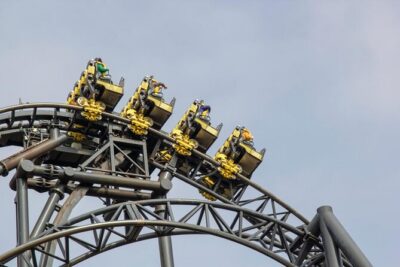 ★ 3.5Alton Towers Resort 1 Day Admission TicketFrom $435,501 reviews
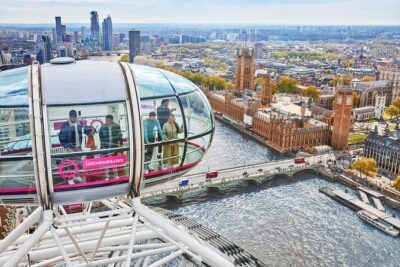 ★ 4.0The London Eye Entry TicketFrom $393,498 reviews
 ★ 4.5London Eye Fast-Track TicketFrom $603,456 reviews
 ★ 4.5Liverpool City Sights Hop On Hop Off City Tour – 24hr TicketFrom $192,555 reviews
 ★ 4.0Madame Tussauds London Admission TicketFrom $372,534 reviews
 ★ 4.0The London Dungeon Admission TicketFrom $372,133 reviews
 ★ 4.0Warwick Castle Admission TicketFrom $302,096 reviews