
REVIEW · MUSEUMS
Secrets of Underground Walking Tour with London Transport Museum
A good way to see London’s Tube bones. This half-day route gives you audio headsets and a guide-led walk packed with station history, plus your London Transport Museum entry so you can keep exploring after the walk. My favorite parts are the guide’s storytelling at each stop and the chance to view classic Tube locations like Baker Street and Westminster through a new lens. One thing to keep in mind: the tour theme is ghost and disused stations, but don’t count on full public access to locked-off platforms inside.
The pacing is built for standing and slow walking, with short stops so you can actually hear the commentary through the headset. If you like transit history, you’ll notice details fast, like why Oxford Circus became an interchange and why some stations did not last. If you want a museum tour with a guide walking you around, plan for self-guided time at the museum instead of a second guided session.
Bottom line, this is strong value for a guided Tube-focused walk in central London, especially because the museum ticket is included. Just do your homework on what your museum ticket means in practice, and be ready to use Zone 1 payment (Oyster, travel card, or contactless) for getting around.
In This Review
- Key points before you go
- The price, and what feels like a good deal
- Getting your basics right: what you need for the day
- Where you meet and where you finish
- Stop-by-stop: what each area teaches you about the Underground
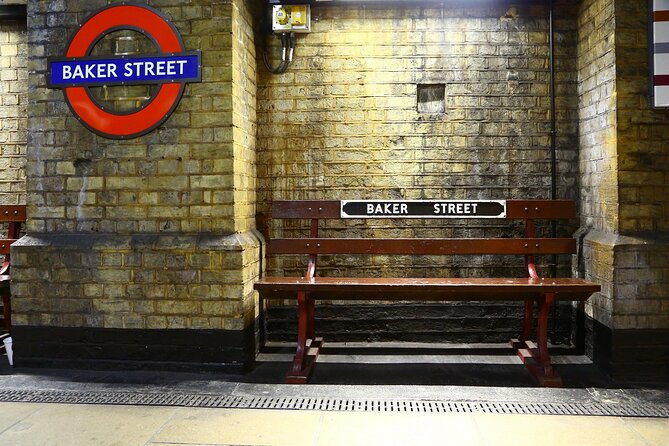
- Baker Street, where the Underground story begins
- Oxford Circus: the Victoria line plan you can almost see
- Down Street (Green Park area): a station that closed because nobody used it
- Piccadilly Circus: two lines, two opening dates
- Embankment: reclaimed land along the Thames
- Westminster: a station that started as Westminster Bridge
- London Transport Museum after the walk: making your ticket count
- The ghost platforms question: what to expect about disused stations
- The guide experience: what good commentary does for you
- Who should book this tour, and who might not
- Should you book this Underground walking tour?
Key points before you go
- Audio headsets help you catch every word as you move between stations
- Start at Baker Street by the Sherlock Holmes statue outside the station
- Specific station backstories include key opening dates and line changes
- Disused station context includes places like Down Street, which closed in 1932
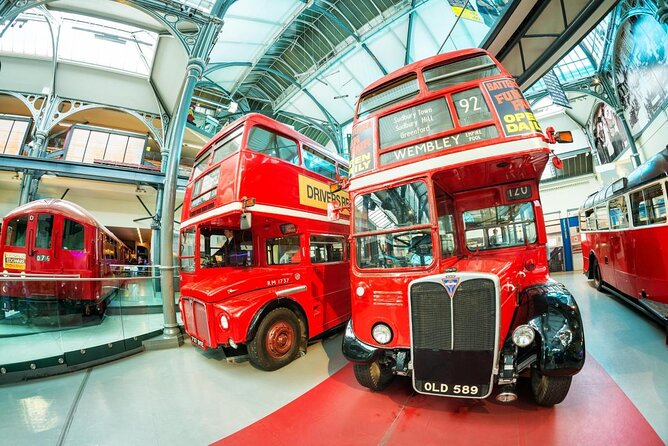
- Museum entry is included for London Transport Museum at Covent Garden Piazza
- Small groups cap out at 25 people
More on foot, at a pace you can hear the guide
- Tour for Muggles The Ultimate Harry Potter Walking Tour in London★ 5.0 · 4,684 reviews
- London Jack The Ripper Guided Walking Tour★ 5.0 · 3,131 reviews
- Changing of the Guard Guided Walking Tour in London★ 5.0 · 1,793 reviews
- The Great British Rock and Roll Walking Tour★ 5.0 · 1,371 reviews
The price, and what feels like a good deal
At about $32 for a half-day experience, the big value is not just the walk. You are also paying for an included ticket to the London Transport Museum, plus live guide commentary you can hear via personal audio headsets. For many people, the museum ticket alone would be the deciding factor, because it turns the tour into a 2-part day: the streets and Tube network first, then a place to make sense of it.
One more quiet value point: you are not doing this as a self-guided scavenger hunt. The guide connects the dots between what you can see outside stations and how the Underground grew, shifted lines, and even abandoned some plans. That kind of interpretation is where most of the payoff lives.
Getting your basics right: what you need for the day
This is a walking tour with a moderate fitness level requirement. Plan on staying upright, walking between central London stops, and listening through headsets. It is also capped at a maximum of 25 travelers, which usually makes it easier to hear and follow the route.
You will also need Zone 1 payment to participate, since a travel card, Oyster card, or contactless payment card for Zone 1 is required and not included. The tour itself does not include hotel pickup, so you need to get yourself to the start point.
Where you meet and where you finish
You start at Baker Street Underground Station (Undergound Ltd, Marylebone Rd, London NW1 5LJ). The tour begins at 1:00 pm, by the Sherlock Holmes statue outside Baker Street station.
The walking portion ends at Westminster Underground Station (Underground Ltd, Bridge St, London SW1A 2JR) around 3:30 pm. The museum visit is independent after that, so you will head to London Transport Museum at Covent Garden Piazza (WC2E 7BB) on your own.
Stop-by-stop: what each area teaches you about the Underground
This tour works because each stop is short, focused, and built around a single storyline. Even if you are not a transit nerd, the guide’s explanations make the Underground feel like London’s moving diary.
Other collections we queued for
Baker Street, where the Underground story begins
The tour opens at Baker Street. This matters because Baker Street Station is linked to the Metropolitan Railway, often credited as the world’s first underground railway. When you stand near one of the Underground’s most famous names, it is easier to understand why early lines shaped how London thinks about travel underground.
What I like about starting here is the reset it gives you. You get context before you hit interchanges and line junctions, so later stations like Oxford Circus and Piccadilly Circus do not feel random. You notice patterns.
Practical note: you are starting at 1:00 pm, so it is a good mid-afternoon planning anchor. If you are touring in the morning, this tour fits neatly as your history-and-walk break.
Oxford Circus: the Victoria line plan you can almost see
Next up is Oxford Circus Station. The station’s story here is about construction and interchange design. Construction began in 1962 on the initial Walthamstow to Victoria section, with the idea of cross-platform interchange at Oxford Circus. Then the Victoria line platforms opened on 7 March 1969. The station also opened as part of a second extension from Warren Street to Victoria.
Even without going deep underground at every point, you walk away understanding why Oxford Circus became such a critical node. It is not just a busy junction, it is an engineering choice meant to make transfers easier. The guide’s commentary tends to translate these dates into something you can picture.
One small consideration: because Oxford Circus is so central and crowded, pay attention to the group’s pacing. Headsets help, but you still want to stay with the guide so you do not lose the thread.
Down Street (Green Park area): a station that closed because nobody used it
This stop focuses on Green Park and a nearby station called Down Street. It opened in 1907 by the Great Northern, Piccadilly and Brompton Railway. It later served the Piccadilly line, and it sat between Dover Street (now named Green Park) and Hyde Park Corner stations.
The turning point is why Down Street disappeared. Its lack of patronage and its proximity to other stations led to its closure in 1932.
This is one of the more human stories on the route. You get a reminder that transit systems are built for demand, not just ambition. Some stations survive because they solve a problem. Some close because the network already covers that need.
If you enjoy a bit of urban reality, this stop is a good one. It makes the Underground feel less like a museum and more like a living system that had to change.
Piccadilly Circus: two lines, two opening dates
At Piccadilly Circus Station, the key lesson is that stations can be layered like timelines. The station opened on 10 March 1906 by the Baker Street and Waterloo Railway (now the Bakerloo line). Then the platforms of the Great Northern, Piccadilly and Brompton Railway (now the Piccadilly line) opened later, on 15 December 1906.
That is a useful way to think about the Tube. It is not one grand build with one opening day. It grew in stages, with different companies and schedules leaving behind visible traces in how stations function today.
If you like the feel of London as a place where eras stack on top of each other, this is a satisfying stop. It also helps you understand why certain interchange layouts can look slightly mismatched, like they were added when the system needed something new.
Embankment: reclaimed land along the Thames
Then comes Victoria Embankment / Embankment Station. Here the story shifts from line building to London’s shoreline. Embankment runs along the north bank of the River Thames, from the City of Westminster to the City of London. It was developed in the 19th century to reclaim marshy land from the river banks.
That detail matters because it changes how you picture the area. The Underground is not sitting in a timeless landscape. It is part of a city that literally reshaped itself.
If you tend to think of Tube lines as purely technical projects, this stop is a useful correction. It reminds you that transport and land development move together.
Westminster: a station that started as Westminster Bridge
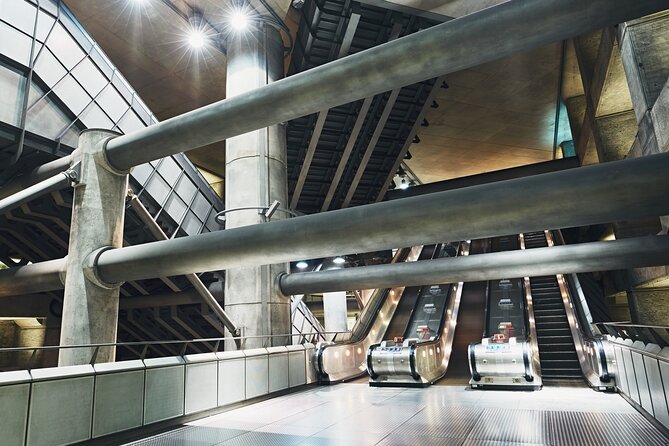
The tour ends at Westminster with Westminster Tube Station. The station began as Westminster Bridge on 24 December 1868, opened by the steam-operated District Railway (DR), now the District line. This was during the opening of the first section of the line from South Kensington.
The access story is also part of the lesson. Entry was via a passageway from Bridge Street and a pedestrian subway under the road.
I like stops like this because they give you a sense for what travel looked like before today’s station entrances and modern navigation. It also makes the current station feel less like a standalone building and more like a chapter in an older transportation layout.
London Transport Museum after the walk: making your ticket count
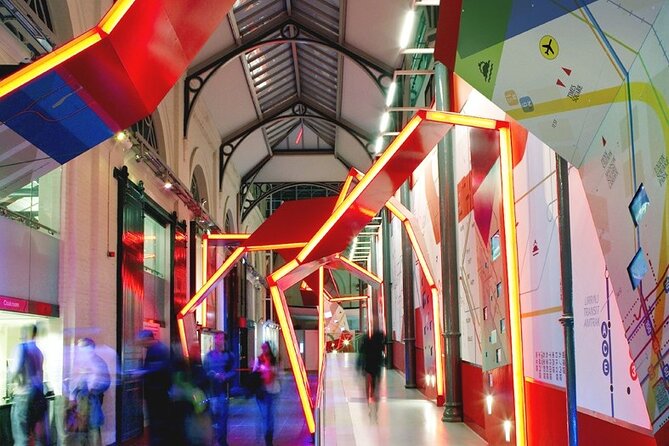
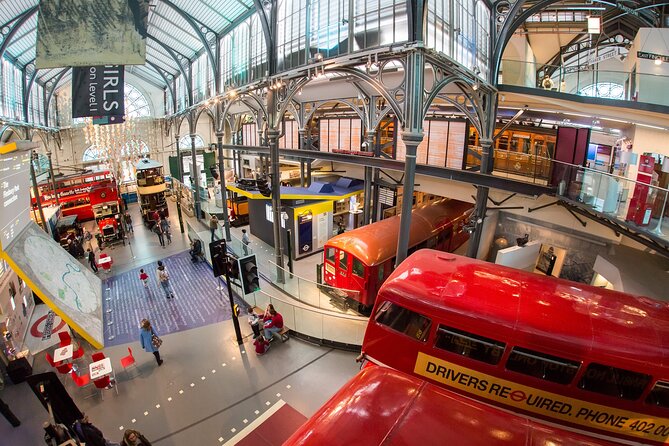
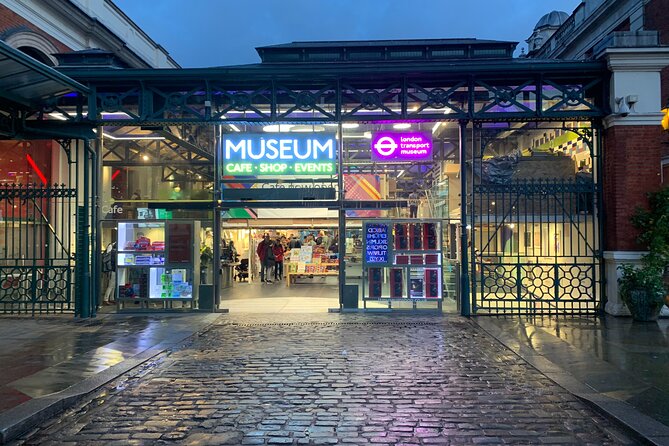
Once you finish at Westminster around 3:30 pm, you head to London Transport Museum in Covent Garden, at Covent Garden Piazza. Your ticket is included, and the museum time is independent at leisure, meaning there is no guided component built into the museum itself.
This is important planning info. You will get the guided part outside on the Underground stops, and then the museum becomes your place to connect those stories to exhibits. If you use the museum well, you can turn the tour into a longer education arc instead of a random collection of station facts.
A practical tip: since you only get your museum time after the walk, keep a quick plan for how you will spend it. If you love maps and system design, go to those areas first. If you care more about people and daily commuting, focus on stories of passengers and workers. The museum’s described focus includes both the system and the people who traveled and worked in London over the last 200 years, plus a look at future technologies that might shape London.
Also note where it is. The museum is described as being located at Covent Garden Piazza, with nearby connections to stations like Leicester Square, Holborn, Charing Cross, and Embankment. You are not traveling with a guide after the walk, so having that mental anchor helps.
The ghost platforms question: what to expect about disused stations
The tour markets itself around disused stations and ghost platforms. That kind of promise is catnip for London fans. The key consideration is access.
Based on what you should realistically plan for, you may not get full entry into locked-off, disused underground spaces. You might instead get views and explanations outside those areas or from the right vantage points while the guide interprets what used to be there. This still can be great, because the guide’s job is to help you notice how and why certain platforms fell out of use.
Here is how I suggest you frame it before you go: think of the tour as a guided story walk that helps you see transit history in the physical city. If you go in expecting total access to every disused platform, you might feel shorted.
The guide experience: what good commentary does for you
The standout element here is the guide and the way the headset helps you catch every detail. In feedback I saw from past participants, guides named John were highlighted for being entertaining and good at connecting history to what you can see around you.
That matters because the Underground is a maze. Without a guide, you can easily see stations and still miss why they matter. With a guide, even short stops feel purposeful, because you get the specific opening dates, line changes, and closure reasons that explain the why behind what you are looking at.
The group size cap of 25 also helps the guide manage attention. You can listen without shouting, which makes the experience feel more human and less like a school trip line.
Who should book this tour, and who might not
This is a strong fit if you:
- Like London history and want it tied to specific places you can still visit
- Enjoy walking through a city with a clear route and a guide explaining what you are seeing
- Want both the street-level stories and an included museum ticket
- Appreciate hearing your guide through audio headsets
You might want to skip it or adjust expectations if you:
- Need a fully guided museum experience, with the guide walking you through the exhibits
- Are hoping for guaranteed inside access to disused or ghost platforms
- Prefer a very hands-on underground tour where you are constantly moving deeper underground (this one focuses on walking and contextual viewing)
Should you book this Underground walking tour?
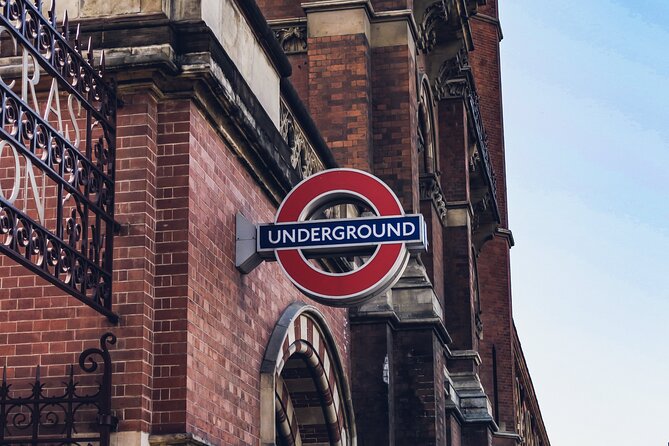
I think you should book it if you want a smart, time-efficient way to understand how the London Underground grew, changed, and sometimes even abandoned plans. The combination of a guided walk with audio headsets and included entry to London Transport Museum is good value, especially for a single afternoon.
Just go in with two practical expectations. First, treat the museum as self-guided once the walking tour ends. Second, don’t assume you will enter every disused location the tour hints at. If you want to use the included museum ticket smoothly, do a quick check of what your voucher or ticket is supposed to allow before you reach the entrance, so you do not end up dealing with surprises on the day.
If you like transit stories told through real stations, this is an enjoyable way to spend a half-day in London.
Other Collections Worth An Hour






More Of London On Foot






Fresh off the notebook in London
- Private Rock ‘n’ Roll Music Tour of Central London
★ 5.0 · 7 reviews - London Walking Tour: Camden Town Photography Walkabout
★ 5.0 · 7 reviews - Private Transfer from London accommodation to Cruise terminal
★ 5.0 · 7 reviews - Amazing Nightlife in London East Tour
★ 4.5 · 7 reviews - The British Museum: a highlights tour with a TV historian
★ 5.0 · 7 reviews - Heathrow Airport to Cambridge private taxi transfers
★ 5.0 · 7 reviews
Museums, compared.
 ★ 4.5Tower of London and Crown Jewels Exhibition TicketFrom $496,677 reviews
 ★ 5.0Chelsea FC Stadium Tours and MuseumFrom $441,908 reviews
 ★ 4.5Official tickets: Moco Modern & Contemporary Art MuseumFrom $361,157 reviews
 ★ 5.0British Museum London Guided Tour Semi-Private 8ppl MaxFrom $108984 reviews
 ★ 5.0The British Museum London – Exclusive Guided Museum TourFrom $108555 reviews
 ★ 4.0British Museum Guided TourFrom $18470 reviews
 ★ 4.5The Postal Museum Admission TicketFrom $25347 reviews
 ★ 4.5Skip the Line: Liverpool Beatles Museum – The perfect tribute to the BeatlesFrom $27321 reviews
Browse the lists this tour appears in