

REVIEW · LONDON MUSEUMS AND GALLERIES
See Tate Modern with an Art Historian in London
Modern art can feel like a puzzle. This small-group Tate Modern tour with an art historian helps you make sense of what you see, with real talk and smart prompts from guides like Julia. I like the hands-on way of learning and the fact that it uses the museum as your classroom, not a lecture hall.
Two things I really like: you get free Tate Modern entry built into the price, and the session stays short enough that you still have time to wander on your own afterward. The tone is practical too, the guide encourages you to trust your eyes, then connects your impressions to bigger ideas.
One possible drawback: if you mainly want the big special temporary exhibitions, plan on paying separately, since the tour includes entry to the main museum experience rather than those paid shows.
In This Review
- Key takeaways before you go
- A 2-hour Tate Modern tour that teaches you how to look
- Why free entry plus an art historian is strong value
- Your guide: the method matters more than the facts
- Inside Tate Modern: what you’ll actually do during the walk
- Contemporary art in plain language, not “museum speak”
- The works and themes that guides tend to highlight
- Temporary exhibitions: how they fit, and how they don’t
- Small group energy: better questions, better pacing
- Time to explore on your own after the tour
- Who should book this Tate Modern art historian tour
- Quick practical notes that affect your day
- Should you book it? My take
- FAQ
- How long is the Tate Modern with an Art Historian tour?
- What is the price per person?
- Does the tour include admission to Tate Modern?
- Are temporary exhibitions included?
- What group size should I expect?
- Is prior art knowledge required?
- Where does the tour start?
- Is the tour offered in English?
- Is free cancellation available?
Key takeaways before you go
- Small group, maximum 10 people, so you can actually ask questions and get answers that fit your interests
- Free museum ticket included, plus free luggage storage, so you start the visit with less stress
- An art historian guide leads the pacing, focusing on themes and key works instead of trying to see everything
- Interactive approach, with questions first and explanations second, so you learn how to look, not what to think
- No prior art knowledge required, which makes abstract and contemporary art less intimidating
Rainy afternoon fixed: more museum visits we tried
- British Museum London Guided Tour Semi-Private 8ppl Max★ 5.0 · 984 reviews
- The British Museum London – Exclusive Guided Museum Tour★ 5.0 · 555 reviews
- British Museum Guided Tour★ 4.0 · 470 reviews
- Private Guided Tour of the British Museum – Tickets Included★ 5.0 · 193 reviews
A 2-hour Tate Modern tour that teaches you how to look
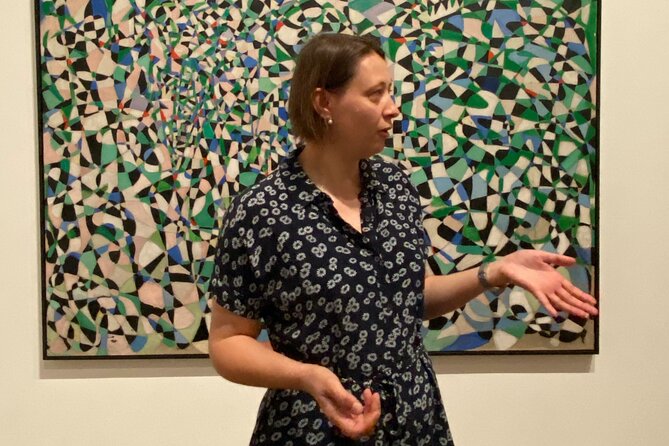
If contemporary art has ever made you feel lost, this kind of tour is a shortcut to confidence. You do not need art school. You just need curiosity and a willingness to talk while you walk.
You’ll spend about 2 hours inside Tate Modern with a guide who frames what you see with clear themes and real questions. The biggest value is that the guide helps you turn confusion into a method, not a homework assignment.
Why free entry plus an art historian is strong value
Let’s talk money, because London museums can add up fast. This tour is priced at $137.12 per person, and that includes a free entry ticket to Tate Modern. So you’re paying mainly for the guide time and the curated, conversation-based experience.
That can be a smart trade if you know you’ll spend time there anyway. Instead of “How do I even start?”, you get “Here’s how to look, and why it matters.” You also avoid the awkward first hours where you’re trying to read labels instead of seeing the work.
One small catch to keep in mind: the tour does not include paid temporary exhibitions. If you care about a specific special show happening during your visit, you’ll likely need extra ticket time and money.
Your guide: the method matters more than the facts
The best part of this experience is how the guide teaches. Guides like Julia and Rosa (who previously worked at the National Gallery) use an approach that feels friendly but not fluffy.
Julia’s style shows up again and again in feedback: she asks questions about what you notice, listens to your interpretations, and then adds context. That order is a big deal. You’re not waiting for the correct answer, you’re learning to form your own one.
Also, the group stays small (up to 10 people), which makes it easier for the guide to tailor the pace. If you’re with kids, the guide can keep it moving. Reviews mention Julia engaging a 10-year-old and an 11-year-old in a way that kept them involved without dumbing things down.
Inside Tate Modern: what you’ll actually do during the walk
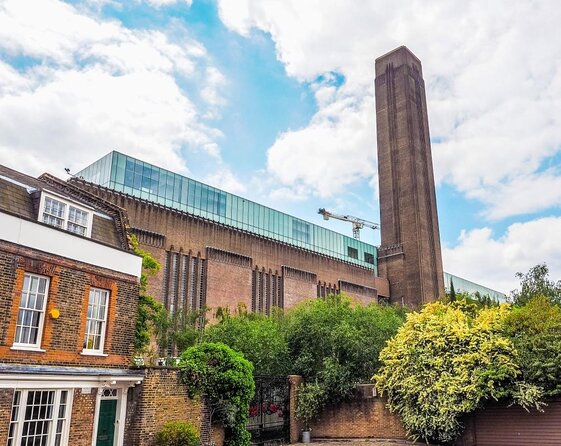
This tour happens entirely at Tate Modern, starting and ending near the same meeting point. In practice, that means you’re not burning time crisscrossing London.
Once you’re inside the galleries, the guide runs the visit like a guided conversation. You’ll move from work to work, but the real focus is on learning skills: looking closely, noticing choices, and putting the meaning in words.
You’ll also cover big questions that many people quietly wonder but never ask out loud, like:
- How did abstract art develop and why did it take hold?
- Does the gender of the artist change how we read work?
- What happened to sculpture across the 20th century?
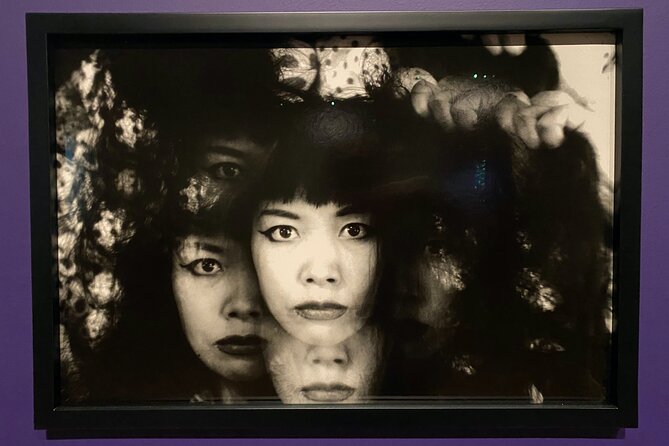
- Is photography art, and who gets to decide?
- Can art change the world, or is it only reflecting it?
- Do you need to like something to understand it?
That list is why this tour works. It gives you a set of lenses, so each artwork becomes an example in a larger conversation.





Contemporary art in plain language, not “museum speak”
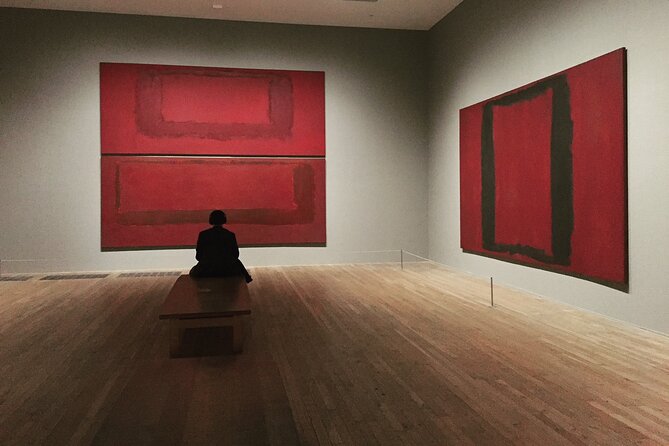
Contemporary art can feel tricky because the rules feel unclear. You might see something that looks random or too simple, or something that feels like it’s missing context.
Here’s what this tour does with that: it helps you trust your instincts first. Then it shows how context can sharpen your instincts instead of overriding them. You learn that there are many ways in, and understanding can start with your own reactions.
In a lot of visits, you either read labels or you drift. This tour tries to blend both. You get to say what you see, and then you learn what the guide thinks connects it to art history and culture.
The works and themes that guides tend to highlight
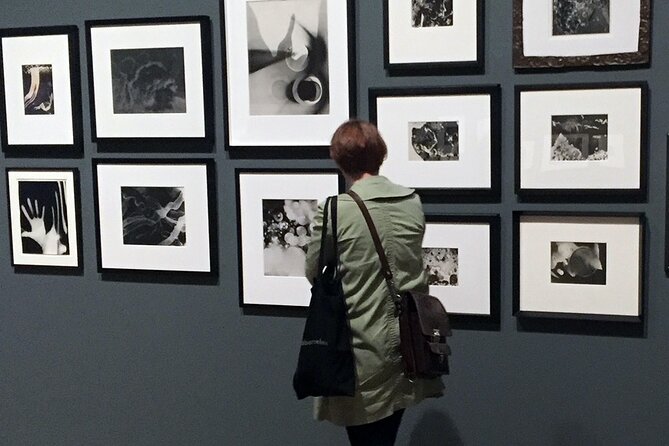
You will see highlights from Tate Modern’s collection rather than every gallery room. That makes sense, because the museum is large, and trying to do everything usually turns the day into a blur.
One specific example mentioned in feedback is Bottle of Rum and newspaper by Juan Gris. That’s the kind of work that often gets overlooked if you only chase the most famous names.
You’ll also get pointed commentary on how art connects to politics and activism, and how modern painting can carry real-world pressure. One review notes a tour that leaned into political activist art and modern abstract paintings, which is great if you like your art ideas grounded in society.
If you like architecture and atmosphere as much as artworks, you’ll likely appreciate that the guide can flag the museum’s structure and how it shapes what you notice.
Temporary exhibitions: how they fit, and how they don’t
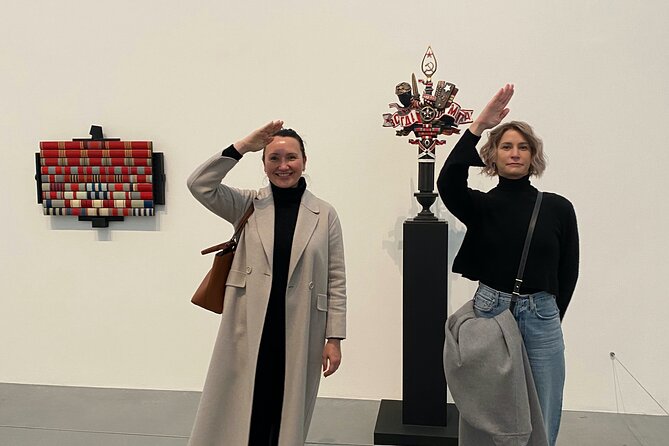
This is the main “watch out” item for expectations. The tour includes free entry ticket to Tate Modern, but paid temporary exhibitions are not included.
In real terms, you have options:
- If you’re there for the core collection experience, you’re set.
- If a paid show is a must, treat it as an extra add-on you can decide about during your visit.
One review references an exhibition by DO HO SUH and notes a separate ticket cost, which matches the general idea: the guided tour gets you into the museum, and temporary exhibits are a separate purchase.
Small group energy: better questions, better pacing
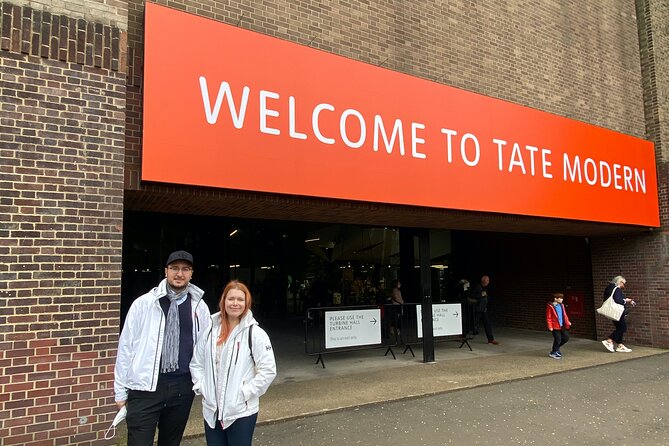
With a maximum of 10 people, the tour has a “workshop” feeling rather than a “line up and listen” feeling. That changes what you get out of 2 hours.
You can ask questions that come from your confusion. You can request a different angle if you’re more interested in politics, photography, sculpture, or abstraction. You also get time for the guide to react to your responses, which keeps it interactive.
If you’re traveling as a couple, it can feel like a shared conversation rather than a lecture. If you’re solo, it can prevent that lonely museum feeling where you’re stuck translating your thoughts alone.
For families, this format is also easier for kids. Reviews specifically mention engagement with 10-year-olds and 11-year-olds, which suggests the guide knows how to make the prompts lively and the explanations clear.
Time to explore on your own after the tour
A big benefit of a short, focused visit is that you keep control of the rest of the day. After the guided portion, you can follow the threads you found most interesting.
Use the tour like a warm-up. You’ll likely leave with a short list of works you want to return to, plus a new way of reading what you see. That makes your self-guided time more satisfying, because you’re no longer guessing what to look for.
Who should book this Tate Modern art historian tour
You’ll probably love it if you fit one or more of these:
- You want to understand contemporary art without feeling pressured to “get it right”
- You enjoy questions and discussion more than silence and reading labels
- You’re visiting Tate Modern once and want high-value highlights
- You’re bringing kids and want a guide who can keep them engaged
- You like tours that give you tools for future museums, not just facts for today
If you already know modern and contemporary art deeply and you want to spend most of your day inside specific galleries, you might find the highlights approach less useful. In that case, you could pair a guided session with extra time for your niche interests.
Quick practical notes that affect your day
You’ll get a mobile ticket, and the tour is offered in English. It’s near public transportation, so you can keep your schedule flexible.
The tour also includes free luggage storage, which is quietly helpful in London. If you’re touring with bags, that small inclusion can save you from carrying extra weight all day.
Also, it’s worth noting that this experience is often booked about 25 days in advance. If your dates are fixed, I’d plan ahead rather than assume you’ll find space last minute.
Should you book it? My take
Book this tour if you want a guided way to think, not just a checklist of works. The best reasons are the small group size, the fact that the museum entry is included, and the guide approach that invites your own interpretation before adding context.
Skip it only if you already feel fully at ease with contemporary art and you want to spend your time on paid temporary exhibitions above all else. In that scenario, you may prefer a museum day built around the specific shows you care about.
If you’re on the fence, I’d choose this. Two hours at Tate Modern with an art historian is a strong way to get traction fast, then explore with a fresh eye.
FAQ
How long is the Tate Modern with an Art Historian tour?
It runs for about 2 hours.
What is the price per person?
The price is $137.12 per person.
Does the tour include admission to Tate Modern?
Yes. It includes a free entry ticket to Tate Modern.
Are temporary exhibitions included?
No. Temporary exhibitions are not included.
What group size should I expect?
The tour has a maximum of 10 travelers.
Is prior art knowledge required?
No prior art knowledge is required. Everyone is welcome.
Where does the tour start?
The tour starts at Tate Modern, London SE1, UK.
Is the tour offered in English?
Yes, it is offered in English.
Is free cancellation available?
Yes. You can cancel up to 24 hours in advance for a full refund. If you cancel less than 24 hours before the start time, you do not get a refund.
Museum Days In London





Fresh off the notebook in London
- Private Rock ‘n’ Roll Music Tour of Central London
★ 5.0 · 7 reviews - London Walking Tour: Camden Town Photography Walkabout
★ 5.0 · 7 reviews - Private Transfer from London accommodation to Cruise terminal
★ 5.0 · 7 reviews - Amazing Nightlife in London East Tour
★ 4.5 · 7 reviews - The British Museum: a highlights tour with a TV historian
★ 5.0 · 7 reviews - Heathrow Airport to Cambridge private taxi transfers
★ 5.0 · 7 reviews
London Museums and Galleries, compared.
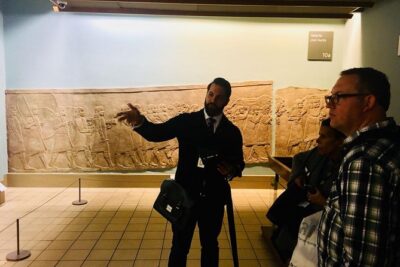 ★ 5.0British Museum London Guided Tour Semi-Private 8ppl MaxFrom $108984 reviews
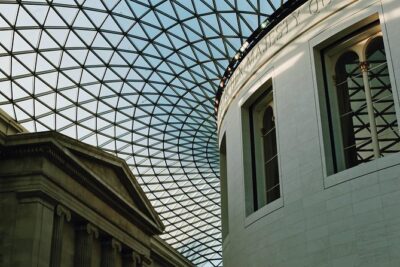 ★ 5.0The British Museum London – Exclusive Guided Museum TourFrom $108555 reviews
 ★ 4.0British Museum Guided TourFrom $18470 reviews
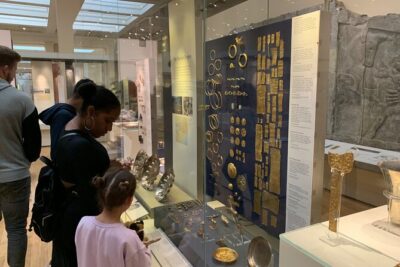 ★ 5.0Private Guided Tour of the British Museum – Tickets IncludedFrom $187193 reviews
 ★ 5.0British Museum Guided Tour with Priority Timeslots(Small Group)From $48192 reviews
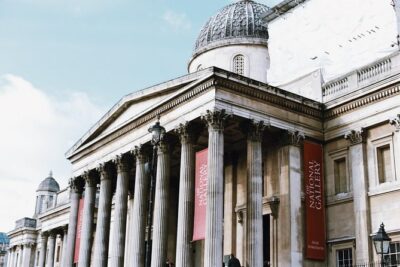 ★ 5.0National Gallery of London Museum Tour Semi-Private 8ppl MaxFrom $108178 reviews
 ★ 5.0British Museum & National Gallery of London Semi-Private 8ppl MaxFrom $201168 reviews
 ★ 5.0Natural History Museum London – Exclusive Guided Museum TourFrom $108153 reviews
Browse the lists this tour appears in