
REVIEW · STRATFORD AND SHAKESPEARE TOURS
Shakespeare Promenade
London turns into Shakespeare’s backstage street. This walk strings together small-group drama with an actor guide who brings the plays to life while you move between major landmarks and lesser-known playhouse sites. You get the best kind of London moment too, crossing the Millennium Bridge for big city views before the route starts feeling very much like theatre history.
I like that you can actually ask questions, and the group size stays small enough for the guide to slow down when you want to. The main thing to consider is that this is an active promenade, with steps and stairs, road crossings, and a good amount of walking for a roughly 2-hour tour.
At $23.08 per person, it is strong value because the walking tour covers a lot of stops with no extra admission fees, and you also get entry included for the Barbican Centre. Bring your own water, plan for rain just in case, and wear shoes you would happily walk in for a couple miles.
In This Review
- Key highlights you’ll feel right away
- A Shakespeare walk with city views and theatre connections
- Price and time, what $23.08 gets you in practice
- Where you start, where you finish, and how the route flows
- Stop 1: The Thames River north bank and the Globe Theatre across the water
- Stop 2: Playhouse Yard and Blackfriars, where monasteries became stages
- Stop 3: St. Paul’s Cathedral, Cheapside, and Milk Street viewpoints
- Stop 4: Guildhall and the Heminges and Condell statue linked to the folio
- Stop 5: The Roman Wall ruins and Shakespeare’s lodgings plaques
- Stop 6: The Barbican Highwalk for views plus estate history
- Stop 7: Bunhill Fields, Fortune Playhouse, and the Shoreditch boundary
- Stop 8: Barbican Centre entry, plus a longer pause
- Stop 9: New Inn Yard and the Theatre site now linked to the Shakespeare Museum
- Stop 10: Shoreditch streets toward Curtain Road
- What makes the guide style special (and why it matters)
- Who should book, and who might skip this one
- Should you book the Shakespeare Promenade?
- FAQ
- How long is the Shakespeare Promenade walking tour?
- What is the price per person?
- What is included in the tour?
- Do I need to pay for admission fees at the stops?
- Where do I meet the tour and where does it end?
- Is free cancellation available?
Key highlights you’ll feel right away
- Up to 6 people, so you get real time with your actor guide
- Globe views from the Thames north bank, plus a Millennium Bridge photo moment
- First playhouse sites, including the area now associated with the Shakespeare Museum
- Barbican Centre access, including a longer pause on the Highwalk and at the Centre
- Actor-guide narration with play quotes, making the route easier to remember
- Free stop access at most locations, so you are not hunting tickets mid-walk
More Shakespeare country, stage and street
- Oxford, Stratford-upon-Avon, Cotswolds & Warwick Castle Day Trip★ 4.5 · 2,943 reviews
- England in One Day: Stonehenge, Bath, the Cotswolds and Stratford-upon-Avon Day Trip from London★ 4.5 · 1,344 reviews
- Warwick Castle, Oxford, Stratford-upon-Avon & Cotswolds Day trip★ 4.5 · 828 reviews
- Oxford, Stratford, Cotswolds & Warwick Castle Tour from London★ 4.5 · 756 reviews
A Shakespeare walk with city views and theatre connections
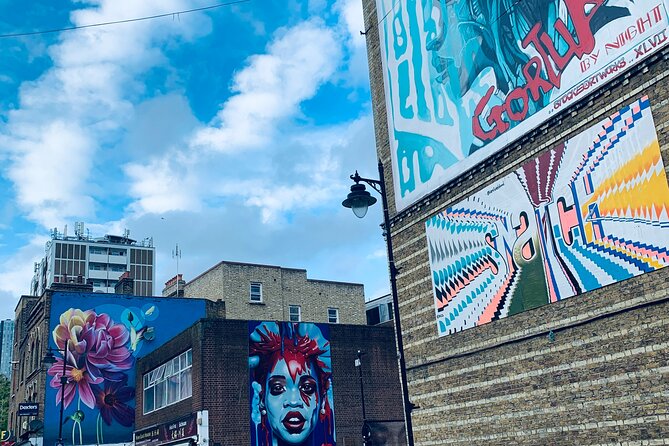
This tour works because it is not just about famous buildings. You are tracing how London’s theatre world sat inside everyday neighborhoods, from the river to the playhouses to Shoreditch’s modern streets.
I especially like the way the route keeps mixing viewpoints with locations. You see key sites, then you step right back into the streets where the history would have felt real, not locked behind glass.
And yes, you get the classic London view payoff too. That Millennium Bridge crossing is a good reset in the middle of a story-heavy walk.
Price and time, what $23.08 gets you in practice
For $23.08 per person, you are paying for a guided experience that runs about 2 hours, not a long day of museum hopping. You are also paying for interpretation, meaning your guide turns place names into something you can picture and connect to the plays.
Most stops are marked as admission free, so your cost stays predictable. The only ticketed piece called out is the Barbican Centre, where entry is included, and that helps the tour feel like more than just street sightseeing.
Max group size is 6, which matters here. In a tiny group, the guide can tailor explanations, and you can ask questions without feeling like you are waiting your turn.
Where you start, where you finish, and how the route flows
The tour starts at The Tallow Chandlers Company at 4 Dowgate Hill, London EC4R 2SH. It ends at New Inn Yard, outside the new Shakespeare Museum area, roughly 10 minutes from Old Street Tube on the Northern Line and about 15 minutes from Liverpool Street on the Central Line.
The route is designed as a chain of short stops that build on each other. You will move from river views to classic London icons, then into playhouse sites and finally into Shoreditch.
You do need to think about logistics like footwear and weather. Steps and stairs are included, there are road crossings, and the tour notes say rain gear like an umbrella or rain macs may be required. You will also want to bring your own bottled water.
Stop 1: The Thames River north bank and the Globe Theatre across the water
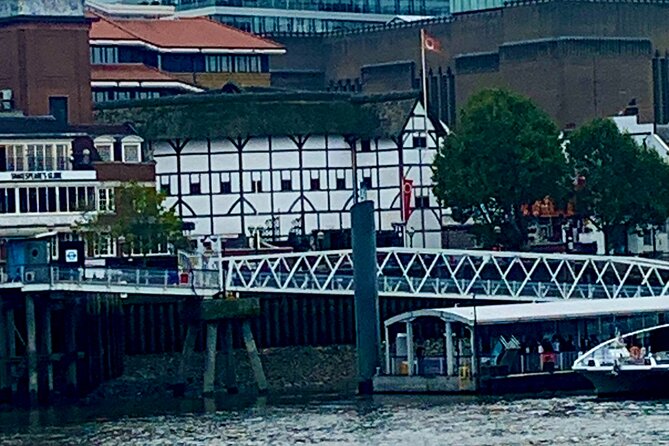
You begin along the north bank of the Thames path, with a view of the Globe Theatre from across the river. This is one of the smartest start choices because it places you in the geography of the city’s theatre world right away.
From here, the walk continues toward Blackfriars. Even if you are not a hardcore theatre fan, this helps you “place” Shakespeare in London’s real physical map.
The time here is brief, about 20 minutes, and the good news is that the stop is free. The tradeoff is that the explanations move fast, so keep your questions handy if you want more detail.

Stop 2: Playhouse Yard and Blackfriars, where monasteries became stages
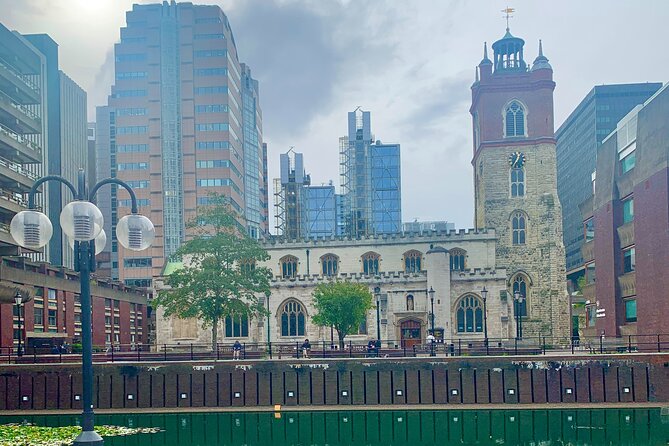
Playhouse Yard is short, around 5 minutes, but it has a lot of layering. You are shown the site of the Blackfriars Dominican Monastery and connected to the first and second Blackfriars Playhouses.
What I like about this kind of stop is how it shows change over time. One plot of land, multiple uses, and a clear link between religious institutions and the later world of public performance.
Because the stop is brief, watch for the guide’s framing. The value is in understanding why the same ground mattered, not in lingering for long.
Stop 3: St. Paul’s Cathedral, Cheapside, and Milk Street viewpoints
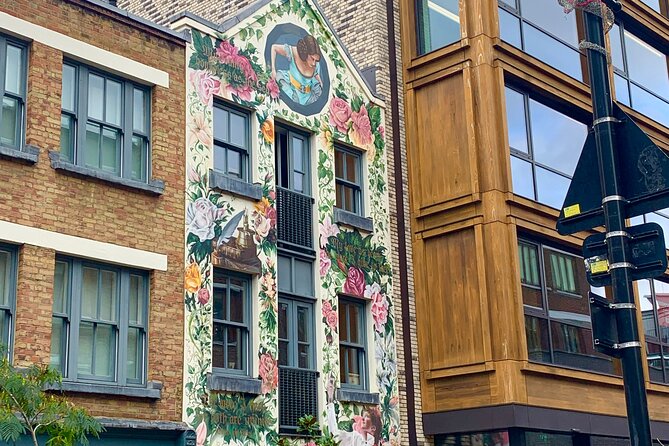
Next you circle St. Paul’s Cathedral along Cheapside and up Milk Street. This segment is around 5 minutes, which keeps the pace brisk but also keeps you from turning this into a long monument photo stop.
Still, it helps to see St. Paul’s as part of the route’s story. It puts you in central London while the guide ties the street setting back to theatre-era London life.
Since this stop is free and short, consider it a visual reset. You will be back in more intimate, story-dense streets right after.
Stop 4: Guildhall and the Heminges and Condell statue linked to the folio
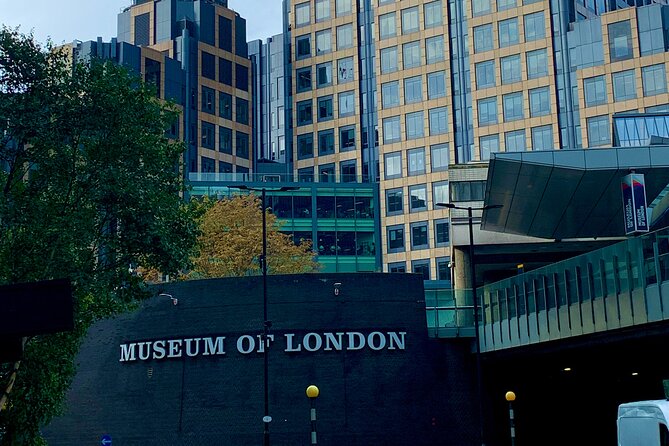
At Guildhall, you get about 10 minutes, and the highlight here is the Heminges and Condell Shakespeare statue on Love Lane. The tour also connects the display of Shakespeare’s folio housed in the Guildhall area.
This is the part of the walk where the guide can help you connect “performance” to “print.” Even if you have never studied the publishing history, seeing the folio link makes it easier to understand why plays survived beyond the stage.
One practical consideration: because you are moving through a city setting, this is less about a quiet moment and more about learning while you stand in the flow of streets.
Stop 5: The Roman Wall ruins and Shakespeare’s lodgings plaques
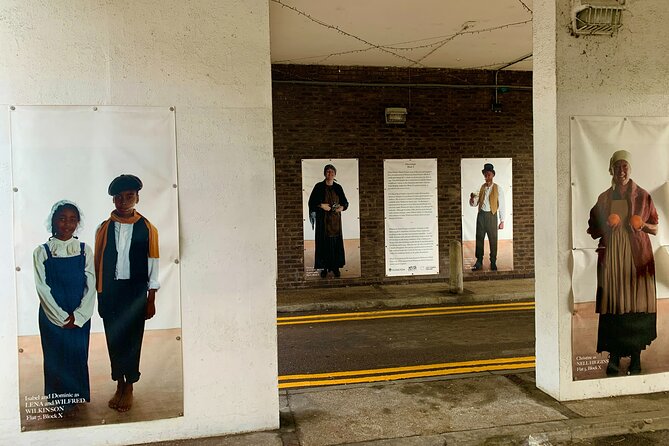
You then head to see ruins of the Roman Wall on Noble Street and a plaque about Shakespeare’s lodgings on Silver Street. The stop is about 5 minutes, so it is quick, but it is the kind of detail that can make the city feel three-dimensional.
This is where I like focusing on how London stacks eras. You walk past Roman remains, then straight into a plaque tied to Shakespeare’s life, and suddenly you are not treating the story as “ancient” or “old.”
If you enjoy urban details, this will likely be a memorable moment. If you prefer large indoor exhibits, just know this is outward street interpretation.
Stop 6: The Barbican Highwalk for views plus estate history
The Barbican Highwalk is one of the more interesting transitions because it is not the typical London landmark route. You get about 10 minutes here, moving through a walkway that offers views and background on the Barbican estate and the Barbican Centre.
I like this stop because it gives you space to look. Walking tours can feel like constant forward motion, and a raised walkway gives you a better sense of how the city sits under your feet.
The route notes mention a 20-minute interval at Barbican, and this area sets you up for that. Use it to take in views and keep your energy for what comes next.
Stop 7: Bunhill Fields, Fortune Playhouse, and the Shoreditch boundary
Then you walk up Whitecross Street and see the site of the Fortune Playhouse. After that, you cross the boundary into Shoreditch and hear about the burial ground history at Bunhill Fields.
This is a thoughtful pairing. A playhouse site plus a burial ground makes you think about the way theatre audiences and theatre stories were shaped by the city around them.
It also lands you in a neighborhood that feels modern now, so the guide’s job becomes even more important. The time here is around 10 minutes, so pay attention to how the guide connects old sites to the streets you are actually walking.
Stop 8: Barbican Centre entry, plus a longer pause
At the Barbican Centre, you enter via walkways and learn about the Centre’s history, including that it is a London home of the Royal Shakespeare Company. This stop is about 10 minutes, and this is where the tour includes an entry ticket.
The notes also mention a 20-minute interval at Barbican. In practice, this means you are likely to get a breather, not only more information. Rest rooms are available at Barbican too, which is a real plus on a walking tour.
If you want context, this is the place to let it sink in. The guide can bridge the gap between Shakespeare-era playhouses and today’s theatre culture.
Stop 9: New Inn Yard and the Theatre site now linked to the Shakespeare Museum
You finish the landmark story at New Inn Yard, around 5 minutes, at the site of the first playhouse The Theatre, now associated with the Shakespeare Museum. This is a fitting closer because it points to the start of a major theatre lineage.
I like that the tour ends here, not at a distant tube station. Finishing at the museum area means you can keep going if you want more depth, or simply stop and grab a meal nearby when you are done.
Since the tour ends at New Inn Yard, the final minutes matter. Stay present and listen carefully, because this is the stop where the guide ties many threads together into a clearer picture.
Stop 10: Shoreditch streets toward Curtain Road
The last segment is a walk through modern Shoreditch toward Curtain Road, about 15 minutes. This is part sightseeing, part atmosphere, and it changes the tone from “historic sites” to “how the story lives in today’s London.”
It is also a smart way to end. You get a final stretch that feels like a neighborhood stroll rather than another rapid stop.
If you are hoping for quiet, reflective pacing, this part might be more lively because Shoreditch is not meant to be solemn. Still, it helps you end with momentum.
What makes the guide style special (and why it matters)
The tour is led by an actor guide narrator, and that is not a minor detail. I like this approach because it turns names and dates into something your brain can hold onto.
From the strongest feedback patterns, the guides use play quotes and often deliver information with a theatrical touch. One named guide, Dee, was praised for clear love of Shakespeare and theatre, and for weaving quotes into the walk in a way that made the route feel like a performance with a purpose.
Small-group size ties directly to this style. In a group of up to 6, you can ask questions and get answers that fit your curiosity, not just the script of the guide’s run.
Who should book, and who might skip this one
This tour is a good match if you want Shakespeare in the streets, not only in a classroom or a museum room. You’ll likely enjoy the mix of river views, playhouse sites, and short landmark stops where a guide can connect the dots fast.
It is also a strong choice if you like walking tours with time to talk. With lots of time for questions and a maximum of 6 people, it feels more like a guided conversation than a lecture line.
Skip it if you do not like steps and stairs or if keeping up with a group is hard for you. The tour notes also say it is not recommended for mobility issues, and steps and stairs are included. Children under 16 are also not suitable for this tour, so it is mainly an adult plan.
Should you book the Shakespeare Promenade?
I think you should book this tour if you want a short, focused Shakespeare experience that still covers a lot of ground. For $23.08, the value comes from the guiding, the small-group feel, and the fact that most stops are free to access, with Barbican Centre entry included.
You should also book if you like practical city sightseeing. The route ends near major tubes, so you can keep moving after the walk without needing a long plan.
I would pause before booking if you need low-impact travel. With steps, stairs, road crossings, and weather considerations, this one is best for people who can handle a brisk walking pace for about 2 hours.
FAQ
How long is the Shakespeare Promenade walking tour?
The tour runs for about 2 hours, including walking time.
What is the price per person?
The price is $23.08 per person.
What is included in the tour?
You get a mobile ticket and an actor guide narrator. Entry is included for the Barbican Centre.
Do I need to pay for admission fees at the stops?
No entry fees are indicated for the stops listed as free, and only the Barbican Centre entry is specified as included.
Where do I meet the tour and where does it end?
You start at The Tallow Chandlers Company, 4 Dowgate Hill, London EC4R 2SH. You end in New Inn Yard, outside the new Shakespeare Museum, about 10 minutes from Old Street Tube and about 15 minutes from Liverpool Street Tube.
Is free cancellation available?
Yes, free cancellation is available, and you can cancel up to 24 hours in advance for a full refund.
More Shakespeare Country




Fresh off the notebook in London
- Witchcraft, Ancient Cults & MI15 Spy Secrets
★ 4.0 · 3 reviews - Arrival Transfer: London Train Stations to London Hotels
★ 5.0 · 3 reviews - Royal Afternoon Tea & Walk at Kensington Palace
★ 4.5 · 3 reviews - Bridgerton Tour in London
★ 5.0 · 3 reviews - Private Transfer from central London to Southampton Cruise Terminal
★ 5.0 · 3 reviews - Photographer, Professional Photo Shoot – London
★ 5.0 · 3 reviews
Stratford and Shakespeare Tours, compared.
 ★ 4.5Oxford, Stratford-upon-Avon, Cotswolds & Warwick Castle Day TripFrom $1092,943 reviews
 ★ 4.5England in One Day: Stonehenge, Bath, the Cotswolds and Stratford-upon-Avon Day Trip from LondonFrom $1871,344 reviews
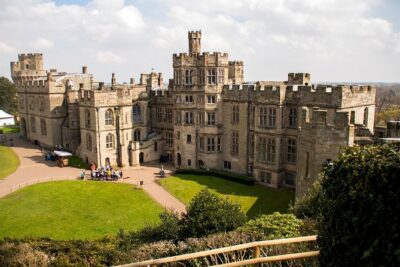 ★ 4.5Warwick Castle, Oxford, Stratford-upon-Avon & Cotswolds Day tripFrom $109828 reviews
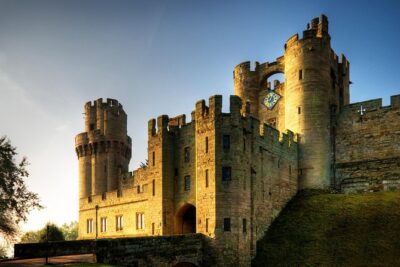 ★ 4.5Oxford, Stratford, Cotswolds & Warwick Castle Tour from LondonFrom $106756 reviews
 ★ 5.0Shakespeare Distillery Tour – 1pm TicketFrom $27598 reviews
 ★ 4.5Shakespeare’s Globe Guided TourFrom $37481 reviews
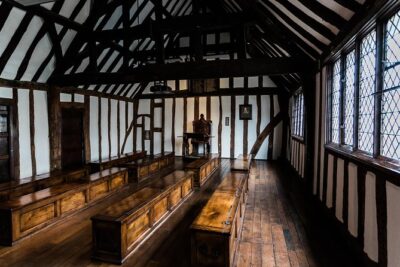 ★ 4.0Oxford, Stratford-upon-Avon & Cotswolds Day Trip from LondonFrom $102373 reviews
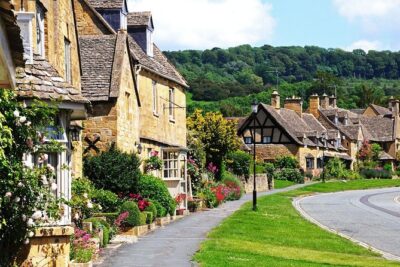 ★ 4.5From London: Shakespeare’s Stratford-upon-Avon Day Trip by CoachFrom $122352 reviews
Browse the lists this tour appears in