
REVIEW · LONDON MUSEUMS AND GALLERIES
The British Museum: a highlights tour with a TV historian
A famous museum, explained in human terms. This 3-hour British Museum highlights tour brings the collections to life with a TV historian, with Loona’s knack for turning objects into stories you can actually remember. I especially like the focus on big-name artifacts like the Rosetta Stone and the Elgin Marbles, and I like the behind-the-scenes talk about how pieces were acquired and what that means. One possible drawback: the museum is enormous, so you will not see everything, and the tour is a best-of plan, not a full walkthrough.
This is a private tour for your group, guided in English, designed to work for different ages and interests. If you have kids, Loona can make the visit fun and relevant with references like Harry Potter, Hollywood, and everyday life, without turning it into a silly show. You also get a guide who is not just reading labels, he’s drawing on firsthand museum experience, including stories like having supervised sleepovers with the mummies.
Logistics are mostly straightforward, because the museum admission itself is free, but timed entry and queue time matter. You’ll want to plan for a bit of getting in and settling, otherwise you start the tour late and lose that tight 3-hour window.
In This Review
- Key points to know before you go
- The magic is not the objects, it is the stories
- Your 3-hour highlights route at the British Museum
- Rosetta Stone and deciphering hieroglyphs
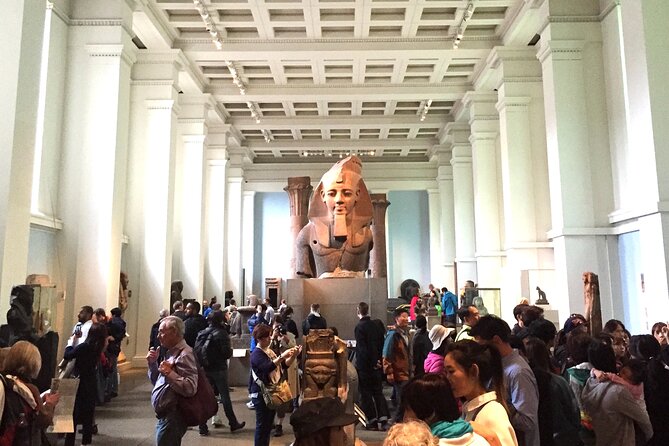
- Rameses II bust and the power of Egyptian portraiture
- Aztec jewelry worn by Montezuma and cross-Atlantic shockwaves
- Fakes, crystal skulls, and mermaids: learn the difference fast
- Oldest library and Sutton Hoo: two ways to meet the past
- Worlds oldest epic story and Mayan carvings
- First ever declaration of human rights
- Assyrian war machine, cuneiform, and translation
- Benin Bronzes and Celtic jewellery
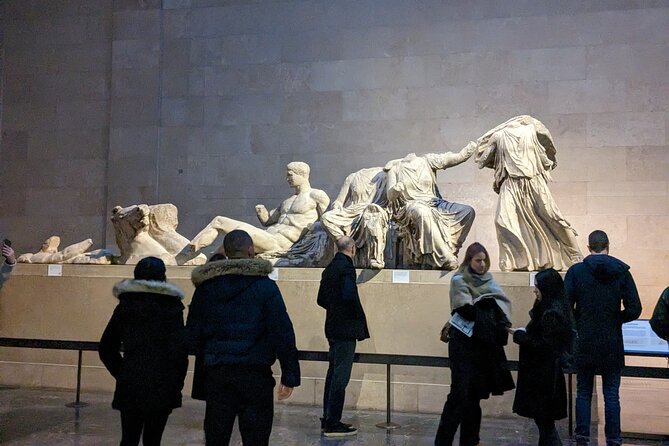
- Lewis Chess pieces and the Parthenon sculptures
- Easter Island statue, Chinese Buddha, and Shiva statue from India
- Loona’s TV historian approach: why it works
- Price and value: you pay for guidance, not entry
- Who should book this tour
- Practical timing tips so you do not start behind
- Should you book the British Museum highlights tour with a TV historian?
Key points to know before you go
- TV historian guiding your highlights route: Expect clear explanations, not just a list of names.
- Rarely told context on artifacts: You’ll hear what the objects mean and how acquisitions shaped what you see.
- Built for different audiences: Kids can stay engaged with pop-culture connections.
- Time-smart museum strategy: You hit many must-sees in a single focused visit.
- Loona’s style is interactive and story-driven: The tour is designed to keep pace without rushing breaks.
- Free museum entry requires your timed ticket: Book ahead to avoid getting stuck outside the timed-entry system.
Rainy afternoon fixed: more museum visits we tried
- British Museum London Guided Tour Semi-Private 8ppl Max★ 5.0 · 984 reviews
- The British Museum London – Exclusive Guided Museum Tour★ 5.0 · 555 reviews
- British Museum Guided Tour★ 4.0 · 470 reviews
- Private Guided Tour of the British Museum – Tickets Included★ 5.0 · 193 reviews
The magic is not the objects, it is the stories
The British Museum can feel like a warehouse of wonders when you visit on your own. You see the famous pieces, you take photos, and then you realize you still do not know why some objects changed the world or what debates surround them. This tour fixes that by connecting each stop to a clear story.
What I like most is the balance between awe and explanation. The Rosetta Stone is not treated as a static slab of stone. You get the role it played in deciphering hieroglyphs, and that turns a museum highlight into a real-life breakthrough story. The same approach shows up again and again: big objects, followed by the “how we know” and the “what happened next” behind them.
The other standout is the honesty about acquisition and context. The description signals that the guide will explain history, including how objects came to be in the museum collection. That matters because it helps you view the museum as a living institution, not just a neutral display case.
Your 3-hour highlights route at the British Museum
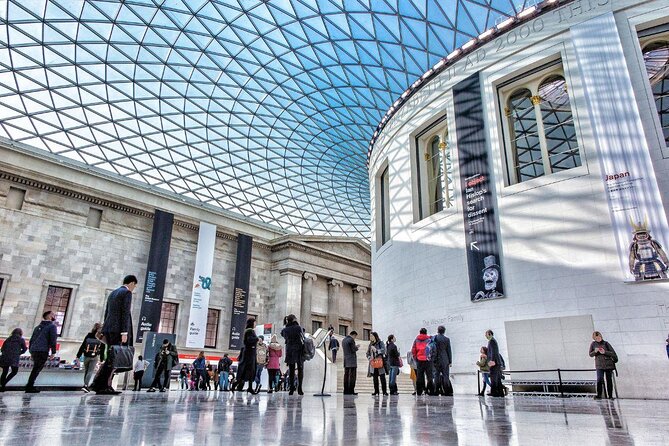
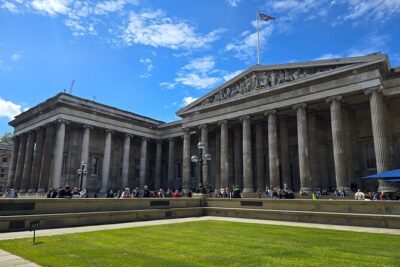
This experience is scheduled for about 3 hours and focuses on must-sees inside the museum, centered on a single tour stop at the British Museum itself. The meeting point is the British Museum Reading Room, Great Russell St, London with a start time of 11:00 am, and the tour ends back at the museum area (the notes point to the mummies gallery as the ending spot).
Here’s the feel of what you’ll cover, and why each category is worth the time.
Rosetta Stone and deciphering hieroglyphs
This is the stop that hooks almost everyone, even if your reading history ends at school textbooks. You will see the Rosetta Stone and learn how hieroglyphs were deciphered. The value here is practical: it gives you a way to look at the rest of the Egyptian collection with more understanding than a quick skim of labels.
If you only have one museum where you want to feel the “science of reading ancient scripts,” this is it. And having a guide means you get the explanation in a way that sticks.
Rameses II bust and the power of Egyptian portraiture
Next you move through other Egyptian highlights, including the bust of Rameses II. Busts and sculpture are sometimes treated as “just art” by visitors, but a guide can help you notice what the artist is doing: face, posture, and how imperial identity is communicated through physical form.
This section works well if you like human-scale history. You’re not only learning about rulers, you’re learning how museums teach you to “see” a ruler.
Other collections we queued for



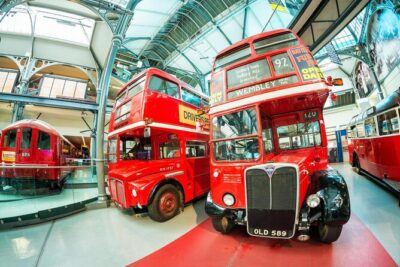
Aztec jewelry worn by Montezuma and cross-Atlantic shockwaves
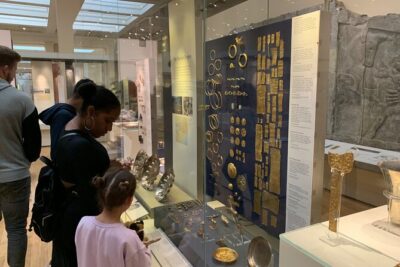
Then the tour expands outward to the wider world represented at the museum, including Aztec jewellery worn by Montezuma. Items like this can feel like a time machine because the museum is basically staging long-distance histories in one building.
The big payoff is not only what the object is, but how it connects to major historical encounters. You will likely come away thinking about what must have changed when cultures collided.
Fakes, crystal skulls, and mermaids: learn the difference fast
One section that I really appreciate is the inclusion of fakes, specifically crystal skulls and mermaids. This is not trivia for its own sake. It teaches you to approach popular myths with better instincts, and it reminds you that “famous stories” are not automatically “true stories.”
In a museum full of genuine artifacts, learning how deception spreads is a surprisingly useful skill.
Oldest library and Sutton Hoo: two ways to meet the past
You’ll also see references to the oldest library, plus Anglo Saxon Sutton Hoo. These stops show two different angles on history.
A library is about the transmission of knowledge, not just conquest. Sutton Hoo is about material culture and what funerary evidence can tell you. Together, they help you see that the past is not only about dates and battles. It is also about what people built, believed, and valued.
Worlds oldest epic story and Mayan carvings
The tour includes the world’s oldest epic story and Mayan carvings. What makes this worth it in a highlights tour is that it connects storytelling to survival of memory.
When you’re guided, you can take in details that you would otherwise miss, like how carvings functioned as messages across generations.
First ever declaration of human rights
Another standout is the first ever declaration of human rights. This can be a heavy topic, but it is also one of the most important ways a museum can feel relevant to your life today.
Even if you come for the classic ancient-world stars, this stop nudges you toward modern themes: how societies write down values and how those documents shape later thinking.
Assyrian war machine, cuneiform, and translation
Then you get a strong “how information works” stretch, including the Assyrian war machine, cuneiform, and how it was translated. This is the part of the tour where you stop thinking of ancient history as distant and start thinking of it as something people actually learned to read and reconstruct.
Translation also means uncertainty. Knowing that gives you respect for the work behind what museums show.
Benin Bronzes and Celtic jewellery
The tour also includes Benin Bronzes and Celtic jewellery. These are great examples of how objects can be both stunning and culturally specific. A guide can help you see form and craftsmanship, but also what the objects did in their original contexts.
This section is ideal if you care about art as evidence, not decoration.
Lewis Chess pieces and the Parthenon sculptures
Next come the Lewis Chess pieces and the Parthenon Sculptures. The clever thing here is variety. Chess pieces are intimate and playful, while Parthenon sculptures are monumental and political.
Both also invite you to consider why these artifacts are here, and how museum display shapes how we think about cultural heritage.
Easter Island statue, Chinese Buddha, and Shiva statue from India
Finally, the tour reaches far-flung corners of the world with an Easter Island statue, a Chinese Buddha, and a Shiva statue from India. These are often the moments where visitors realize the museum is not one civilization, it is many, arranged by human curiosity and scholarship.
With a good guide, you’re not just seeing a statue. You’re learning how religions and philosophies are expressed through form and symbolism.
Loona’s TV historian approach: why it works
A highlights tour can fail fast if the guide only recites facts. This one succeeds because Loona’s teaching style leans on story, timing, and relevance.
From the way the tour is described, Loona isn’t stuck in “museum lecturer mode.” He’s able to make the museum come alive, and he uses recognizable cultural hooks for kids. That matters because kids can get bored when they think history is either too old or too complicated. With pop-culture references, you keep attention without watering down the learning.
The other big reason this tour feels good is pacing. People often expect museums to feel like a sprint between crowds. Here, the format includes time for breaks so you can actually absorb what you just saw.
And Loona is described as punctual and deeply experienced, with an insider feel for how the museum is laid out and what you should look at first.
Price and value: you pay for guidance, not entry
Admission to the British Museum is free, but you are advised to book your own free timed ticket directly from the museum’s website. That’s important. The value in this tour is not paying for entry. The value is paying for a private historian-led route that saves you the guesswork.
If you visit on your own, you can still have a great day, but you’ll miss the connective tissue. You’ll likely read fewer labels and you might not know which objects are truly central to major turning points, like deciphering scripts or the impact of early rights documents.
At roughly 3 hours, you get enough coverage to feel satisfied, especially if you’re short on time in London. Just remember, you’re not buying a complete museum education. You’re buying a focused, high-impact highlights experience.
Who should book this tour
This is a strong fit if you want:
- A first British Museum visit and you want the “greatest hits” plus explanations
- A family with kids who need history made fun and relevant
- Anyone who enjoys the stories behind famous objects, including how acquisitions shaped museum collections
- People who want an English-language guide with real museum depth
If you’re the type who loves reading everything at your own pace for hours, you might find the highlights format too selective. But if you want your time to feel efficient and meaningful, this is a good match.
Practical timing tips so you do not start behind
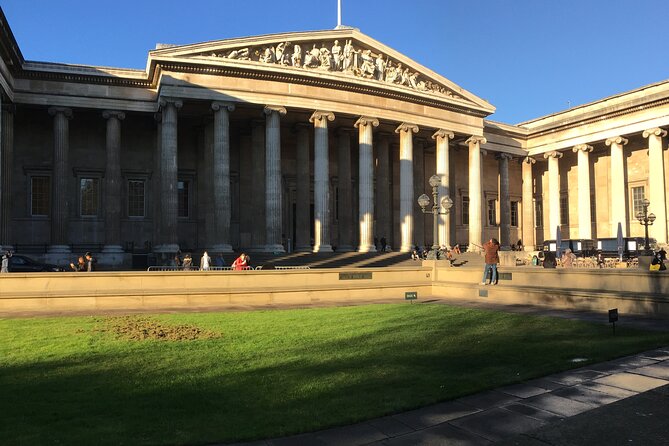
A big-world museum rewards planning. Here’s what you should do to keep your tour smooth:
- Book your free timed ticket ahead: There are limited slots, and it can get booked out.
- Arrive early enough to get in: Plan for about 30 minutes just to get through entry and get ready to start.
- Keep your 11:00 am start time sacred: If you arrive late, you shrink the “see and learn” time you paid for.
- Wear comfortable shoes: The museum halls have lots of walking, and you will likely change floors and galleries as you follow the route.
Also note that this experience is described as near public transportation and allows service animals.
Should you book the British Museum highlights tour with a TV historian?
I think you should book it if you want a guided visit that feels like more than a checklist. The biggest reason is the guide focus: you get behind-the-scenes stories, clear explanations for huge artifacts like the Rosetta Stone and the Parthenon Sculptures, and context that helps you understand what you’re looking at, including acquisition history.
Skip it only if you want an unstructured, self-paced museum day or if you already know the collection well enough that you can teach yourself most of what the guide would explain.
If you’re visiting London for the first time, or you only have one museum slot, this is one of the smarter ways to make the British Museum land in your memory, not just your camera roll.
Other Collections Worth An Hour




Museum Days In London


Fresh off the notebook in London
- Private Rock ‘n’ Roll Music Tour of Central London
★ 5.0 · 7 reviews - London Walking Tour: Camden Town Photography Walkabout
★ 5.0 · 7 reviews - Private Transfer from London accommodation to Cruise terminal
★ 5.0 · 7 reviews - Amazing Nightlife in London East Tour
★ 4.5 · 7 reviews - The British Museum: a highlights tour with a TV historian
★ 5.0 · 7 reviews - Heathrow Airport to Cambridge private taxi transfers
★ 5.0 · 7 reviews
London Museums and Galleries, compared.
 ★ 5.0British Museum London Guided Tour Semi-Private 8ppl MaxFrom $108984 reviews
 ★ 5.0The British Museum London – Exclusive Guided Museum TourFrom $108555 reviews
 ★ 4.0British Museum Guided TourFrom $18470 reviews
 ★ 5.0Private Guided Tour of the British Museum – Tickets IncludedFrom $187193 reviews
 ★ 5.0British Museum Guided Tour with Priority Timeslots(Small Group)From $48192 reviews
 ★ 5.0National Gallery of London Museum Tour Semi-Private 8ppl MaxFrom $108178 reviews
 ★ 5.0British Museum & National Gallery of London Semi-Private 8ppl MaxFrom $201168 reviews
 ★ 5.0Natural History Museum London – Exclusive Guided Museum TourFrom $108153 reviews
Browse the lists this tour appears in