
REVIEW · AUDIO TOURS
Hyde Park and Kensington Gardens: A Self-Guided Audio Tour
City parks, guided by your phone.
This self-guided audio tour is built for people who like greenery, flowers, and quiet discovery, with stops around Hyde Park and Kensington Gardens. I like that you control the pace, and you can pause, backtrack, or speed up as the mood hits. You also get stories and local context that you would normally miss on a quick photo run through the same area.
Two things I really like: first, the offline access for audio and maps, so you are not stuck hunting for signal. Second, the tour is short enough to fit into a London day, about 1 hour to 1 hour 15 minutes, without turning into an all-day slog. One consideration before you buy: a short route can mean you might not see every major pocket of the parks, and one user noted issues getting pocket mode to work smoothly.
In This Review
- Key takeaways before you buy
- How this self-guided Hyde Park and Kensington Gardens audio walk actually feels
- Price and value: is $11.99 a good deal for this kind of tour?
- Start at Marble Arch, then ease into Hyde Park at your pace
- Hyde Park stops that add variety, not just scenery
- Speakers’ Corner, with free show energy
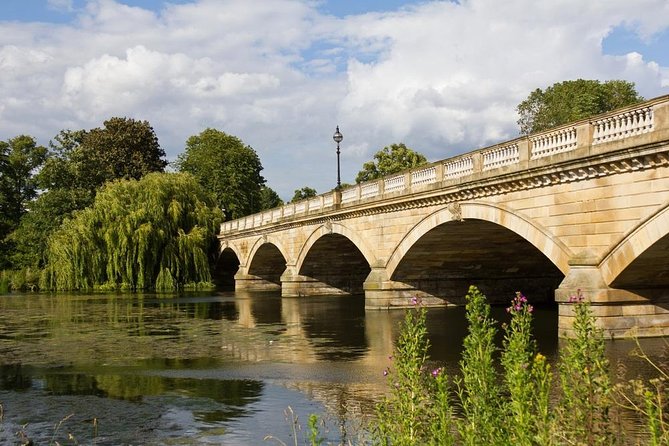
- Serpentine Lake and the water-view moments
- Norwegian War Memorial, a quieter turn
- Serpentine Sackler Gallery and the arts connection
- Diana Memorial Fountain: big “London moment” energy
- Transition into Kensington Gardens, where flowers and geometry show up
- Key Kensington Gardens sights along the audio route
- Queen Caroline’s Temple, a classic garden landmark
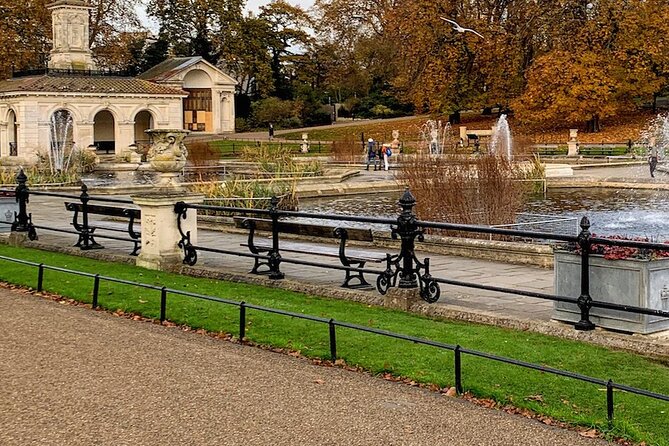
- Italian Gardens, where the flower-focus really earns its keep
- Budge’s Walk, a steady walking spine
- Speke Monument, pause-worthy but not fussy
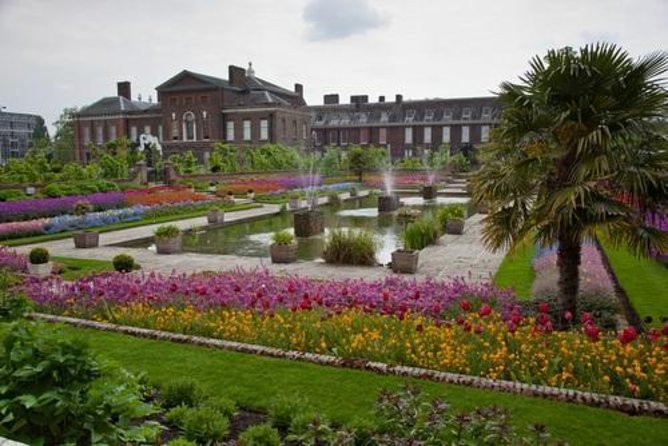
- Kensington Palace, exterior views as part of the garden story
- Diana Memorial Playground, end-of-walk energy
- The biggest “good” and “not so good” from real-world experience
- What works well
- What can disappoint
- Practical tips to make sure your phone tour works smoothly
- Who this self-guided audio tour is best for
- Should you book it?
- FAQ
- Where does the audio tour start and end?
- How long does the Hyde Park and Kensington Gardens self-guided tour take?
- What do I need to use the tour?
- Does the tour work offline?
- Is the tour in English and do I keep access after I buy?
- Is this experience refundable if I cancel?
Key takeaways before you buy
- Offline audio and maps means you can keep moving even with spotty phone service
- Self-paced timing fits how you walk and how long you linger at the views
- Hyde Park to Kensington Gardens gives you a quick mix of nature, monuments, and royal-area sights
- Stops like Speakers’ Corner and Serpentine Lake add variety beyond just flower gardens
- The shorter route may skip some of the park areas you expected to hit
- Phone app setup matters if you rely on pocket mode or specific phone behaviors
Rather go alone? More self led routes here
- Westminster Abbey Entrance Ticket Including Audio Guide★ 4.0 · 661 reviews
- Windsor Castle Tour from London with Transportation & Audio Guide★ 3.5 · 222 reviews
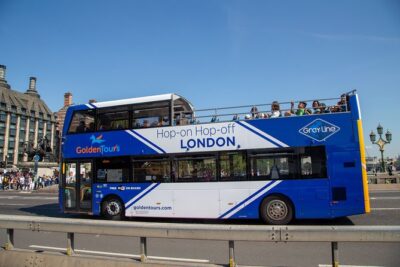
- London Panoramic Open Top Bus Tour with Audio Guide★ 4.0 · 209 reviews
- Emirates Stadium and Arsenal Museum Entrance Ticket Including Audio Guide★ 4.5 · 113 reviews
How this self-guided Hyde Park and Kensington Gardens audio walk actually feels
This is not a guided hike with a person leading you. It is a smart, curated walking route you follow on your own phone, using the VoiceMap app. That matters because you get to behave like a local stroller, not a tour-bus passenger. Want to walk briskly from Marble Arch and skim the highlights? You can. Want to stop for photos at the water and fountains? You can also do that without feeling rushed.
The “private tour” label also makes sense here. You are not sharing audio prompts with strangers, because it is your group only. You just download, press play when you are ready, and let the audio guide you along the path at your pace.
The experience is especially appealing if you like parks that have multiple “moods.” Hyde Park tends to feel open and flexible, while Kensington Gardens feels more formal and garden-forward. You get both without needing museum tickets or timed entry tickets.
Price and value: is $11.99 a good deal for this kind of tour?
At $11.99 per person for an audio tour, the value hinges on one question: will you actually enjoy walking and listening for about an hour? If yes, it is a low-cost way to turn a simple stroll into a guided route with structure.
What makes it better than a basic phone podcast is the combination of:
- Lifetime access, so you can reuse it on another London trip
- Offline access to audio and maps, so the tour still works when you do not have data
- An English narration track that gives you context as you pass real landmarks
Also, this is booked about 17 days in advance on average. That is a hint that the format is popular for people planning a tight itinerary, even though it is self-guided.
Where value can feel weaker is if you expected to see every major corner of Hyde Park and Kensington Gardens. One of the key frustrations people report is that the route may not include some of the areas they considered must-sees. A short audio tour is always a tradeoff: depth for coverage, or coverage for speed.
Start at Marble Arch, then ease into Hyde Park at your pace
Your tour begins at Marble Arch (London W2 2UH). I like starting at a clear, well-known edge like this because it reduces the “where am I” time that can happen with park tours.
From there, the audio leads you through Hyde Park, and that first stretch is a good warm-up. Even if you do not linger, you are getting oriented to the park layout and learning what to look for as you go. If you like plant life and seasonal color, this is where you set the frame for the rest of your walk.
One detail to look for while you listen: the tour includes a 900-year-old oak tree fact. That is the kind of detail that makes a park feel bigger than it looks on a map.
Hyde Park stops that add variety, not just scenery
As you move through Hyde Park, you pass several recognizable landmarks that keep the walk from feeling repetitive.
Headphones in: other audio routes we walked



Speakers’ Corner, with free show energy
You pass by Speakers’ Corner, where you can catch free shows. Even if you time it wrong and do not see a performance, it is still a memorable place to pause because it adds a civic, public-life layer to the park. This stop also breaks up the “just walking around” feeling.
Practical tip: if you want audio to land well, do not try to listen at full volume while walking at speed past the densest spots. Slow slightly near Speakers’ Corner and let the audio catch up with your surroundings.
Serpentine Lake and the water-view moments
Next you pass by Serpentine Lake. Water changes everything in a park walk. It gives you a natural pause point, a place for pictures, and a different kind of soundscape than open grass.
This is also a good place to adjust your plan. If your feet feel great, you can keep moving. If you want a longer stop, you are not far from multiple other highlights that come soon after.
Norwegian War Memorial, a quieter turn
You also pass the Norwegian War Memorial. This is not the kind of spot you linger at for photos like a fountain, but it is exactly the kind of pause that makes the walk feel balanced. After lighter, playful park scenery, a memorial adds weight and meaning.
If you are traveling with family, consider keeping it respectful and brief. You do not need a long stop to get the point of the location.
Serpentine Sackler Gallery and the arts connection
Passing by the Serpentine Sackler Gallery adds another “why this place matters” angle. Even if you do not enter any museums, seeing how the gallery sits in the park setting helps you understand how London uses art spaces in everyday public life.
Diana Memorial Fountain: big “London moment” energy
You pass the Diana Memorial Fountain. This is one of those stops where people naturally slow down because it reads instantly as a landmark. If you want to grab a photo or just let the scale register, this is a solid place to do it.
If you travel with kids, expect them to react more here than at purely botanical points. It tends to feel like a recognizable “thing to see,” not just a view.
Transition into Kensington Gardens, where flowers and geometry show up
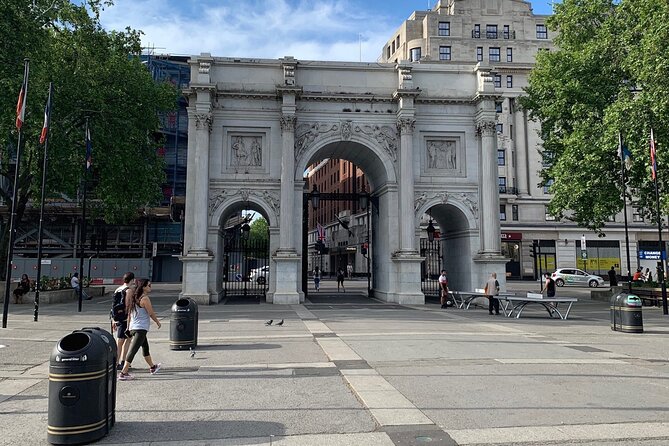
After Hyde Park, you continue through Kensington Gardens. This section tends to feel more garden-forward and more designed. That is where the tour’s garden focus starts to make more sense.
If you like plant detail, pay attention here. The audio helps you notice what you might otherwise treat as background. Even when you walk through quickly, you are looking with new eyes.
Key Kensington Gardens sights along the audio route
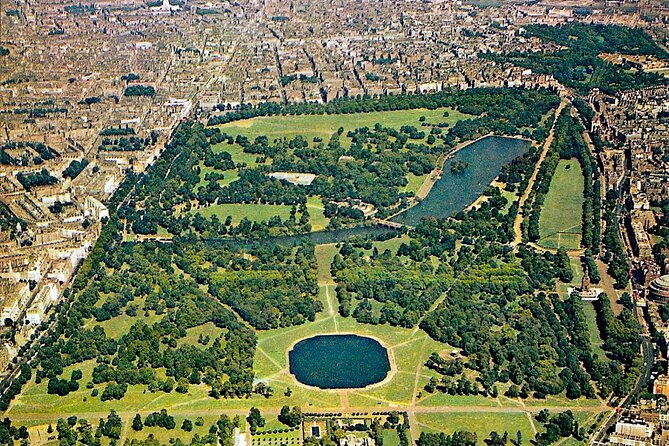
Here is the practical “what you will see and why it matters” side of the rest of the walk.
Queen Caroline’s Temple, a classic garden landmark
You pass by Queen Caroline’s Temple. I like stops like this because they give you a visual anchor. Even if you do not know the background, a temple-like structure in a garden makes the space feel intentionally planned, not accidental.
Italian Gardens, where the flower-focus really earns its keep
The audio takes you past the Italian Gardens. This is the segment where you should slow down if your trip is about plants. If you are here in a season with blooming color, you will likely appreciate it more, but even without peak flowers, the layout tends to feel more intentional than the wider park areas.
Keep your expectations realistic. This is an audio route through open space. It is not a timed-entry garden ticket experience. Still, it is a good way to learn what to pay attention to.
Budge’s Walk, a steady walking spine
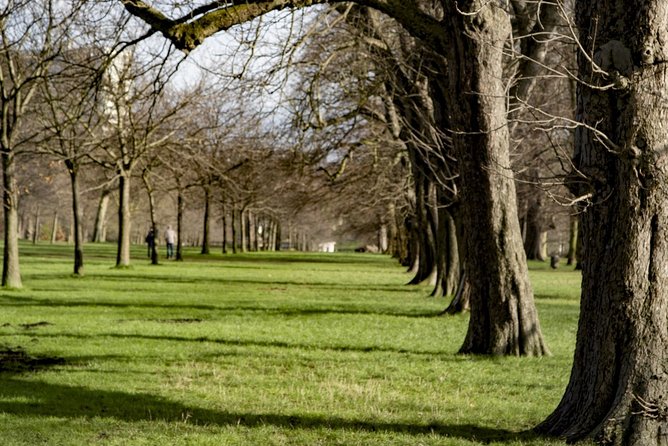
You pass along Budge’s Walk. Think of this as your rhythm section. It is the kind of path where you can listen smoothly, with fewer “wait, what is that?” moments.
If your phone battery is low, this is a good place to check your progress and make sure you are still on track without rushing.
Speke Monument, pause-worthy but not fussy
You pass by the Speke Monument. Monuments in parks can feel either like quick dots or like meaningful pauses, depending on how you take them. Plan for a short stop, just enough for the audio to connect the why to the what you see.
Kensington Palace, exterior views as part of the garden story
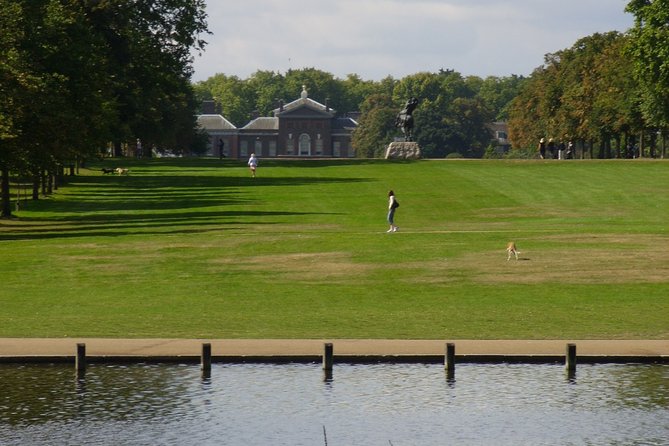
You pass by Kensington Palace. This is where the walk shifts again, from garden detail to royal-area visibility. Even if you do not step inside any buildings, the exterior presence gives you that London “this is the real world, right here” feeling.
Tip: if you are trying to keep the whole walk near 1 hour, treat Kensington Palace as a glance-and-continue stop unless the audio prompts you to slow down.
Diana Memorial Playground, end-of-walk energy
You pass by the Diana Memorial Playground as you near the finish. This is a good closing note because it often feels playful and lively compared to the more contemplative memorial and monument stops.
Your tour ends at Queensway (Bayswater Rd, London W2 4SS). I like ending near Queensway because it tends to make it easier to connect to other parts of your day without backtracking.
The biggest “good” and “not so good” from real-world experience
Here is the honest tradeoff I would want you to know up front.
What works well
- The route is structured enough that you do not wander aimlessly, but still flexible enough to pause when you want.
- Offline maps and offline audio are genuinely useful for parks, where signal can be inconsistent.
- The mix of topics, flowers, notable landmarks, and a few weightier stops, makes the walk feel more complete than a “pretty park only” stroll.
What can disappoint
- It may feel like a half-covered plan if you are expecting the tour to reach every famous corner of both parks. If your must-sees include more specific internal areas than the route covers, you might feel like it skimmed past them.
- One practical snag: pocket mode may not behave the way you expect on your phone. If you rely on locking your screen in your pocket to control audio, test that early in your walk rather than at the end.
Practical tips to make sure your phone tour works smoothly
This kind of tour succeeds or fails based on two things: your phone setup and your expectations about walk coverage.
Before you start:
- Bring your smartphone and plan for headphones (headphones are not included).
- Make sure the VoiceMap app and the tour content are downloaded before you enter the thick park areas where cell service can fluctuate.
- If you want offline maps, keep your phone charged. A short tour still drains power if GPS and screen stay active the whole time.
While walking:
- If you are walking fast, you might miss audio beats. Slow for 30 seconds at each major landmark. Let the audio match what you are looking at.
- If you get off track, use the offline map view to get yourself back. Since the tour provides offline maps and geodata, it is designed for this.
Timing wise:
- Aim for closer to 1 hour if you are moving steady and only doing quick photo stops.
- Stretch to 1 hour 15 minutes if you like water views, garden moments, or you stop for a longer pause at a monument or fountain.
Who this self-guided audio tour is best for
I think this tour fits best if:
- You like parks and plants and want the walk to teach you something beyond directions
- You prefer going at your own pace instead of matching someone else’s rhythm
- You want a low-cost activity that does not require museum tickets
- You value offline convenience, especially in outdoor areas
It might be less ideal if:
- You want a “see-every-famous-spot” checklist experience across both Hyde Park and Kensington Gardens
- You strongly rely on a specific phone behavior like pocket mode and you want it to be effortless every time
- You do not enjoy listening while walking, since the tour is built around the audio prompts
Should you book it?
If you are spending time in London and you want a simple, garden-friendly walk with a guided feel, this is a good match. The offline audio and maps are the headline benefit, and the short duration makes it easy to plug into a day without stressing your schedule.
I would book it if Hyde Park and Kensington Gardens are already on your “must see” list, and you are happy with a well-chosen highlight route rather than a full park survey. I would think twice if your expectations are broader than the highlights covered, or if your phone setup depends on pocket mode working perfectly.
FAQ
Where does the audio tour start and end?
It starts at Marble Arch, London W2 2UH, UK, and it ends at Queensway, Bayswater Rd, London W2 4SS, UK.
How long does the Hyde Park and Kensington Gardens self-guided tour take?
It is listed as about 1 hour to 1 hour 15 minutes.
What do I need to use the tour?
You need a smartphone and headphones. The tour uses the VoiceMap app for Android and iOS.
Does the tour work offline?
Yes. You get offline access to audio, maps, and geodata.
Is the tour in English and do I keep access after I buy?
It is available in English, and you get lifetime access to the tour.
Is this experience refundable if I cancel?
No. It is non-refundable and cannot be changed for any reason.
Other Departures With A Guide Attached






More Routes With Headphones In






Routes You Can Walk Unaccompanied
Fresh off the notebook in London
- Witchcraft, Ancient Cults & MI15 Spy Secrets
★ 4.0 · 3 reviews - Arrival Transfer: London Train Stations to London Hotels
★ 5.0 · 3 reviews - Royal Afternoon Tea & Walk at Kensington Palace
★ 4.5 · 3 reviews - Bridgerton Tour in London
★ 5.0 · 3 reviews - Private Transfer from central London to Southampton Cruise Terminal
★ 5.0 · 3 reviews - Photographer, Professional Photo Shoot – London
★ 5.0 · 3 reviews
Audio Tours, compared.
 ★ 4.0Westminster Abbey Entrance Ticket Including Audio GuideFrom $41661 reviews
 ★ 3.5Windsor Castle Tour from London with Transportation & Audio GuideFrom $94222 reviews
 ★ 4.0London Panoramic Open Top Bus Tour with Audio GuideFrom $48209 reviews
 ★ 4.5Romans, Vikings and Medieval York: An Audio TourFrom $11118 reviews
 ★ 4.5Emirates Stadium and Arsenal Museum Entrance Ticket Including Audio GuideFrom $48113 reviews
 ★ 5.0Buckingham Palace: Walking Tour with Entry & Audio GuideFrom $9291 reviews
 ★ 3.5London: British Museum Audio Guide & Small Group EntryFrom $1281 reviews
 ★ 4.0Former Student’s Cambridge Colleges: An Outdoor Audio TourFrom $854 reviews