
REVIEW · WALKING TOURS
London: Notting Hill Self-Guided Walking Tour with an APP
Notting Hill feels like a scene you can walk through. This self-guided route lets you explore at your own pace, with an offline map and 20+ narration points that cue up as you move. It is a smart way to see the neighborhood without locking yourself into rigid group timing, especially if you like popping into shops, grabbing coffee, or just lingering on street corners.
I really like how the app uses your location to keep the story in sync, so you do not have to constantly check your phone. I also like that it includes iconic landmarks tied to Notting Hill while still covering the neighborhood’s real street-level character. One possible drawback: if your phone setting or GPS is finicky, the app can feel awkward to start up or re-enter at a stop, so a little patience helps.
In This Review
- Key highlights at a glance
- How the Trippy app keeps your Notting Hill walk on track
- Start at Notting Hill Gate, end at Lansdowne Crescent
- Gate Picturehouse, 1911 cinema and the Notting Hill scuba goggles moment
- Pembridge Road’s Victorian and Edwardian architecture details
- The Blue Door, Hugh Grant’s residence outside the lines
- The Notting Hill Bookshop and the movie-fan treasure hunt
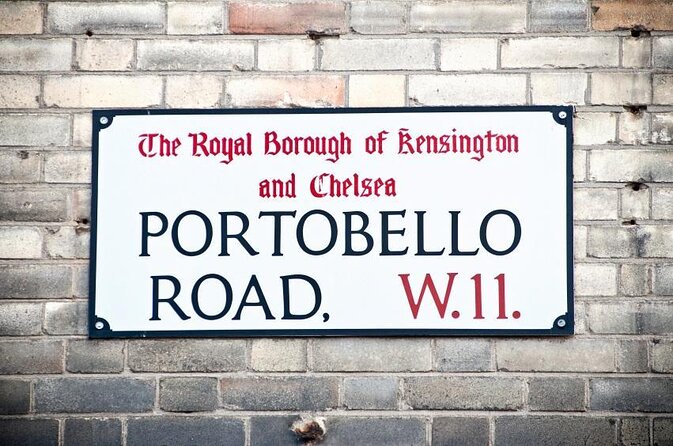
- Portobello Road Market, antiques, produce, and recognizable street energy
- Electric Cinema, vintage style and modern screenings
- Lansdowne Crescent townhouses with Georgian and Victorian flair
- Price and value for a $14.99 self-paced film-and-street tour
- Tips so the app works smoothly on your walk
- Who should book this Notting Hill self-guided walk?
- Should you book this Notting Hill self-guided tour?
- FAQ
- How long is the Notting Hill self-guided walking tour?
- How much does the tour cost?
- Where does the tour start and end?
- Do I need Wi-Fi or data to use the tour?
- What language is the tour offered in?
- Is the tour free to cancel?
Key highlights at a glance
- GPS-synced walking experience that helps you follow the route stop by stop
- Fully offline map so you are not hunting for Wi-Fi while walking
- Cinematic stops in context, from Gate Picturehouse to the Blue Door area
- Portobello Road Market included for real shopping energy, not just movie trivia
- Local architecture moments, like Pembridge Road and Lansdowne Crescent
More on foot, at a pace you can hear the guide
- Tour for Muggles The Ultimate Harry Potter Walking Tour in London★ 5.0 · 4,684 reviews
- London Jack The Ripper Guided Walking Tour★ 5.0 · 3,131 reviews
- Changing of the Guard Guided Walking Tour in London★ 5.0 · 1,793 reviews
- The Great British Rock and Roll Walking Tour★ 5.0 · 1,371 reviews
How the Trippy app keeps your Notting Hill walk on track
This is a self-guided tour powered by the Trippy Tour Guide app. The big practical win is that you get a fully offline map, which matters in London because coverage can be hit or miss while you are walking between side streets. If you want a calm experience, offline also cuts down the mental load. You can focus on the sidewalks, not the signal.
What makes this feel well designed is the way the app can react as you arrive near each location. In a review I saw, the walker downloaded before leaving, turned on GPS, and the route seemed to pop up automatically at each stop. That is the difference between a phone that is “there” and a phone that actually helps you move through a neighborhood.
The tour is also sold as having a mobile ticket. In plain terms, that is one less thing to print or juggle. You are basically carrying your walking guide in your pocket.
Start at Notting Hill Gate, end at Lansdowne Crescent
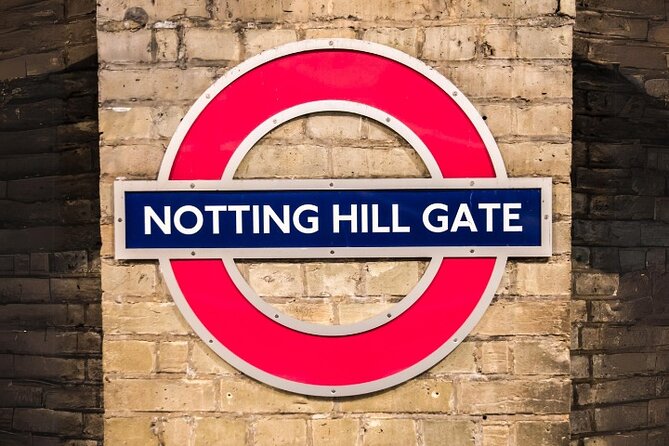
The tour starts at Notting Hill Gate, London W11 3HT and ends at Lansdowne Crescent (near Lansdowne Crescent, London W11). The whole thing takes about 1 to 2 hours, which is a good length for a neighborhood you might already be curious about.
Because it is self-guided, you can also bend the schedule around your mood. If you want to spend an extra few minutes at Portobello Road Market, you can. If you are more into architecture and film locations, you can move faster. The route works best when you keep your walking pace steady, so the narration points land at the right time.
Also note this is described as a private activity, meaning it is intended for only your group. That is a nice match for people who do not want to keep pace with strangers while they read plaques and look at shop windows.
Gate Picturehouse, 1911 cinema and the Notting Hill scuba goggles moment
Your tour kicks off with The Gate Picturehouse in Notting Hill. This is not a random stop. The cinema dates to 1911, which alone gives it a sense of staying power. It also has a direct link to Notting Hill, with a famous scene connected to scuba goggles.
Here is how to use this stop well. If you arrive when the cinema is showing films, you might notice the atmosphere and how it still feels like a real working theatre, not a staged photo spot. Even if you do not go in, the exterior and its long history make it a memorable opener.
Possible drawback: cinemas are active places. If you are hoping for a quick photo only, plan for people passing by and keep it simple. Also, you will not get “set tour” access. Think of this more like a storytelling landmark than a walkthrough.
Pembridge Road’s Victorian and Edwardian architecture details
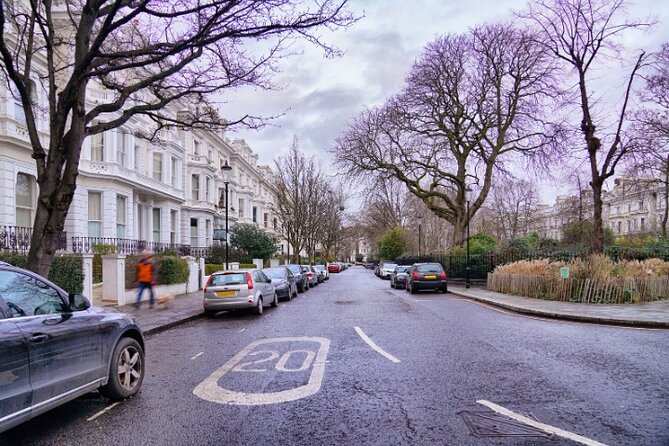
Next up is Pembridge Road, described as an architectural showcase with Victorian and Edwardian buildings and strong decorative details. This is the kind of stop that rewards slow walking. Stand back and take in facades, doorways, windows, and street rhythm.
Why this matters: Notting Hill is famous for its movie reputation, but Pembridge Road is the reminder that it is also a lived-in neighborhood with distinctive housing styles. If you love old London streets, this is where the neighborhood starts to feel real instead of curated.
Practical tip: this stop is free in terms of admission, so your main “cost” is time and attention. Give yourself a few minutes to look up, not just forward. That is where a lot of the visual payoff is.
Rather go alone? More self led routes here


The Blue Door, Hugh Grant’s residence outside the lines
Then you hit The Blue Door, another clear Notting Hill reference, tied to Hugh Grant’s character’s residence in the film. The key point for your expectations is simple: the interior is private. You are there for the landmark look and the location vibe, not to tour inside.
I find this kind of stop works best when you treat it like a street photo moment plus a storytelling pause. The Blue Door is famous, yes, but the surrounding area gives it the grounding. Look at the curb, the sidewalk width, the nearby buildings. That is what makes it feel like you are actually standing where scenes would plausibly be shot.
If you are the type who gets stuck trying to re-create a scene from memory, do yourself a favor and keep it flexible. Take your photo, read the narration prompt in the app, then move on. The route is built so the story keeps flowing.
The Notting Hill Bookshop and the movie-fan treasure hunt
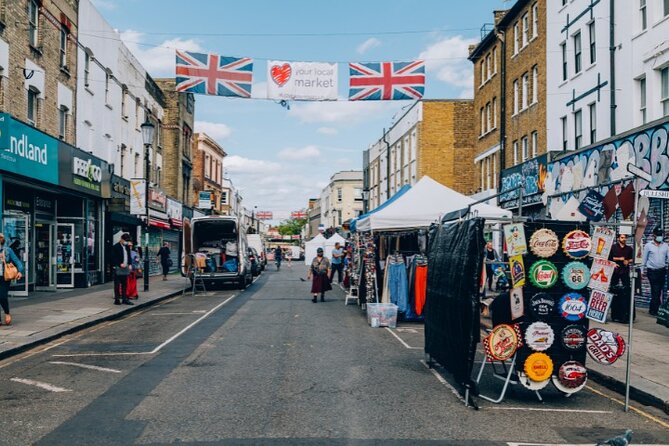
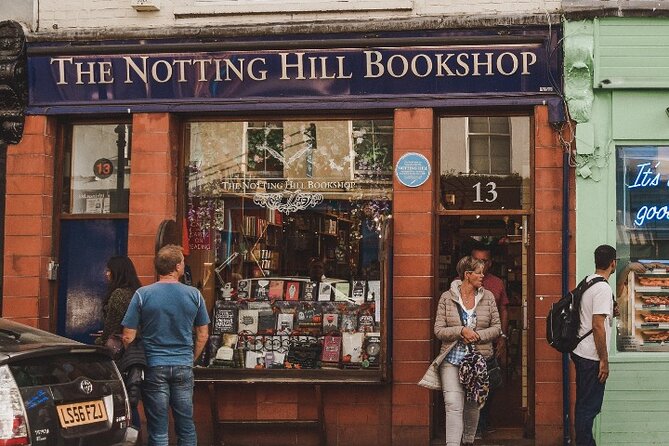
Next stop is The Notting Hill Bookshop, often confused with the bookshop seen in Notting Hill because of its name and location. The tour does not promise a perfect match to the film set, and that is fine. What you get instead is a real bookshop stop that has become a fan favorite in its own right.
This is one of those spots where you can decide your level of involvement. If you just want a quick look, you can do that. If you like browsing, bookstores in London are often worth the time even when you are not there for a souvenir.
A useful mindset: treat this as part film trivia, part local culture. You are not wasting time by stepping in. Even if the storefront is not exactly the movie picture, the experience of a working bookshop is still the point.
Portobello Road Market, antiques, produce, and recognizable street energy
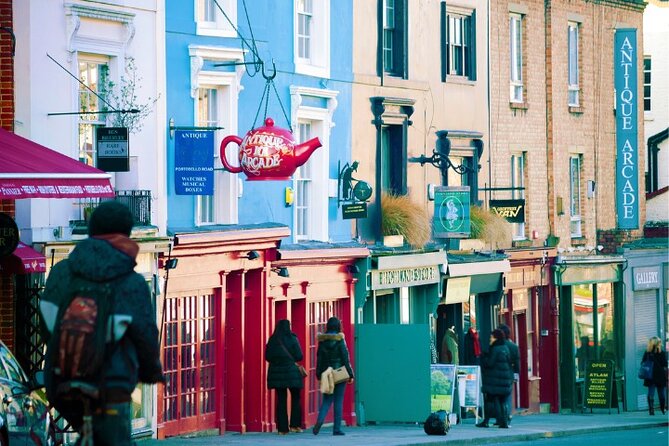
Portobello Road Market is where the neighborhood shifts from “movie spots” into “real-life London browsing.” The market offers everything from fresh produce to antiques, and it is known for its frequency, happening six days a week.
The tour highlight calls out that the Saturday antique sale is a major attraction. If your visit includes a Saturday, expect more buzz and longer lines. If you are there on a quieter day, you still get the market feel without the peak crowd pressure.
Why this stop is valuable on a self-guided tour: markets are flexible. You can do a quick pass and get the atmosphere, or you can slow down and actually look for items that interest you. The tour format is ideal here because you do not have to keep marching with a group.
Possible drawback: it can be busy. So if you are traveling with someone who hates crowds, keep your browsing time intentional. Grab what you need, take your photo, and then use the rest of the tour for calmer streets.
Electric Cinema, vintage style and modern screenings
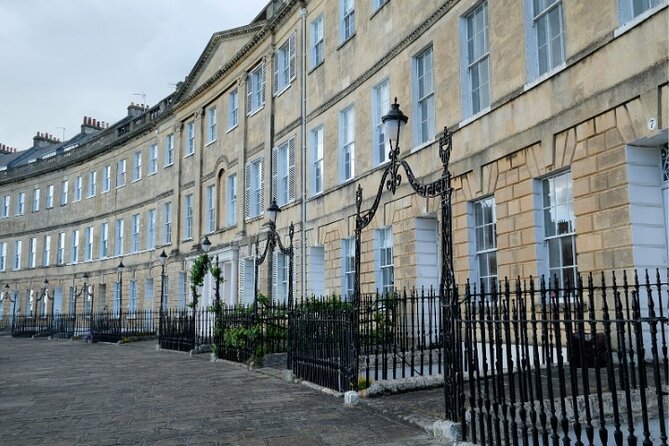
The route then moves to Electric Cinema, described as a place where vintage charm and modern luxury meet. It is known for its seating, including leather seats, and the overall feel is described as nostalgic but still cutting edge in its film experience.
In practice, you have two ways to enjoy this stop. One is purely as a sightseeing moment, checking out the look and vibe from outside and maybe timing a quick look inside if it is convenient. The other is to turn it into an actual cinema break if you find a showtime that fits your day.
Because the tour is self-guided and timed around walking, do not plan this as a guaranteed ticket plan unless you are confident about show availability. Treat it as an optional add-on if you want to deepen the film theme.
Lansdowne Crescent townhouses with Georgian and Victorian flair
Your final stop is Lansdowne Crescent, where the tour points out classic Notting Hill townhouses with Georgian and Victorian style. It is also described as having connection to a memorable scene in Notting Hill, which gives a nice closing beat to the route.
This end point works well because it feels like the neighborhood “settles” into quiet architecture rather than continuing into market flow. When I plan self-guided walks, I like endings that give you a chance to reflect and take a few final photos before you head back to transit.
You also end near a place where it is easier to orient yourself for the next leg of your day. In other words, it is a solid landing spot after 1 to 2 hours of walking and story stops.
Price and value for a $14.99 self-paced film-and-street tour
At $14.99 per person, this is priced like a low-friction add-on to a London day. The best value angle is not that it covers “everything” in Notting Hill. It is that it gives you a structured way to see the neighborhood without hiring a guide for hours.
Here’s what you get for your money:
- Access through the Trippy Tour Guide app
- 20+ narration points tied to popular locations
- Detailed directions to well-known spots and lesser-noted stops
- Offline map, which removes the hassle of data use
- Free admission listed for the major sights on the route
What it does not include: snacks. That is normal for a walking tour, but it means you should plan a coffee stop yourself. The upside is that you have control. You can pick a place that fits your budget and your timing rather than being forced into whatever is closest to a guide’s schedule.
If you are the kind of traveler who likes film locations but also wants real street atmosphere, I think the price makes sense because you are paying for the “connective tissue,” the narration and route flow that keeps everything from feeling random.
Tips so the app works smoothly on your walk
This is the section that can save you stress. Based on issues described by walkers, the app experience is generally smooth when you set yourself up right.
Do this before you leave:
- Download the app content while you are still on Wi-Fi, then confirm you have offline map access.
- Turn on GPS and allow location permissions, since the tour can appear to stay in sync with where you are.
- Set your phone on a comfortable brightness level so you can read narration prompts while walking.
During the walk:
- If the app ever seems to get ahead or lag behind, do not panic. Slow down for a moment and give it a chance to catch up.
- If you need to step back into the app at a stop, expect it may take a second to re-connect to your place. That is more annoying than dangerous, but it can happen.
One reassuring detail: when a glitch showed up for a walker, the company reached out directly to help resolve it. That tells me there is some customer support behind the tech, which matters when a tour depends on a phone.
Who should book this Notting Hill self-guided walk?
This tour is a great fit if you:
- Want to see Notting Hill in 1 to 2 hours without a strict schedule
- Like film locations but also want real neighborhood context
- Prefer an app guide you can follow at your own pace
- Enjoy markets, street architecture, and cinema landmarks
It might not be ideal if you:
- Hate using your phone for navigation or worry about app setup
- Want a fully guided experience with a human explaining everything on the move
- Plan to spend a lot of time sitting down for long breaks, since the narration flow is designed for walking between stops
Best timing idea: if you can, plan your walk so you can comfortably handle Portobello Road Market. That stop is free and it is a big part of what makes this feel like a real day in the neighborhood.
Should you book this Notting Hill self-guided tour?
Yes, if you want a smart, low-cost way to connect movie-famous sights with everyday Notting Hill street life. For $14.99, the mix of cinema history, architecture, and market browsing is exactly the kind of thing a self-guided route can do well, especially with an offline map.
I would book it if your phone settings are reliable and you are willing to spend a few minutes getting the app ready before you start. If you know your GPS permissions are sometimes finicky, test them early and keep some patience handy. Once it is working, this walk is an efficient way to experience Notting Hill without feeling rushed.
FAQ
How long is the Notting Hill self-guided walking tour?
It takes about 1 to 2 hours.
How much does the tour cost?
The price is $14.99 per person.
Where does the tour start and end?
It starts at Notting Hill Gate, London W11 3HT, UK. It ends at Lansdowne Crescent, London W11, UK.
Do I need Wi-Fi or data to use the tour?
No. The tour includes a fully offline map, so you do not need Wi-Fi or data.
What language is the tour offered in?
The tour is offered in English.
Is the tour free to cancel?
You can cancel for a full refund up to 24 hours in advance of the experience start time.
Other Departures With A Guide Attached




Routes You Can Walk Unaccompanied






More Of London On Foot





Fresh off the notebook in London
- Private Rock ‘n’ Roll Music Tour of Central London
★ 5.0 · 7 reviews - London Walking Tour: Camden Town Photography Walkabout
★ 5.0 · 7 reviews - Private Transfer from London accommodation to Cruise terminal
★ 5.0 · 7 reviews - Amazing Nightlife in London East Tour
★ 4.5 · 7 reviews - The British Museum: a highlights tour with a TV historian
★ 5.0 · 7 reviews - Heathrow Airport to Cambridge private taxi transfers
★ 5.0 · 7 reviews
Walking Tours, compared.
 ★ 5.0Oxford University Walking Tour With University Alumni GuideFrom $416,905 reviews
 ★ 5.0Tour for Muggles The Ultimate Harry Potter Walking Tour in LondonFrom $234,684 reviews
 ★ 5.0London Jack The Ripper Guided Walking TourFrom $03,131 reviews
 ★ 5.0Cambridge University Walking Tour by Alumni™ Kings College OptionFrom $332,336 reviews
 ★ 5.0Blackbeard to Banksy – The Ultimate Walking Tour of BristolFrom $181,961 reviews
 ★ 5.0Air Raid Shelter + St. Nicholas Market Walking TourFrom $171,950 reviews
 ★ 5.0Walking Tour of Bath with Blue Badge Tourist GuideFrom $301,877 reviews
 ★ 5.0Changing of the Guard Guided Walking Tour in LondonFrom $251,793 reviews