
REVIEW · OXFORD TOURS
Natural History Museum Tour – by Uncomfortable Oxford™
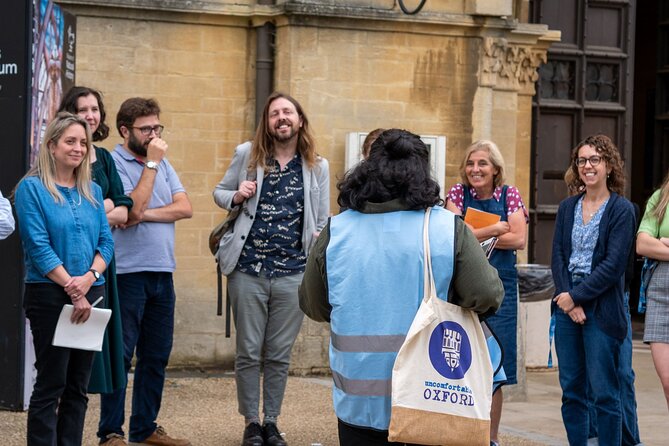
Oxford gets uncomfortable fast. This walking tour pairs museum time with guided discussion on the British Empire and colonialism. You start at Oxford University Museum of Natural History, then keep moving through Oxford with a guide who wants you thinking, not just sightseeing.
I especially like how the tour uses museum objects as evidence, not just background scenery. You learn to connect collections and naming, then connect those ideas to real people and real power. I also like that the conversation stays human and respectful, with guides such as Ffion, Devika, and Cameron creating room for questions and different views.
One thing to consider: like any meeting-based experience, you need to show up at the correct start point on time. If your party is running late, it can get messy, so I’d keep your phone handy and be ready to communicate quickly if needed.
In This Review
- Key things to know before you go
- Entering Oxford’s Natural History Museum, and Why It Matters
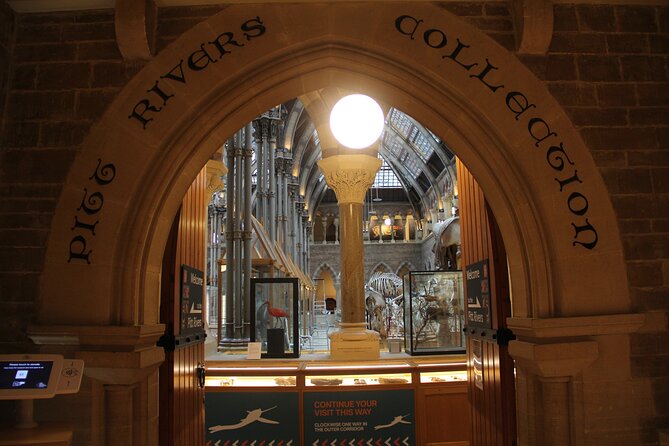
- The Pitt Rivers Museum Connection and Other Museum Stops
- Guides Who Keep the Conversation Grounded (Ffion, Devika, Cameron)
- What You Learn About Cecil Rhodes and Colonialism
- How Long It Takes, and How to Judge the $96.11 Value
- Practical Tips So You Don’t Miss Each Other
- Who Should Book This Oxford Natural History and Empire Walk
- Should You Book This Tour?
- FAQ
- How long is the Natural History Museum tour?
- Where do I meet for the tour?
- Does the tour end at the same place it starts?
- What museums are included?
- Is the tour discussion-based or more of a lecture?
- How big is the group?
- Is the tour offered in English?
- Can I cancel for a full refund?
Key things to know before you go
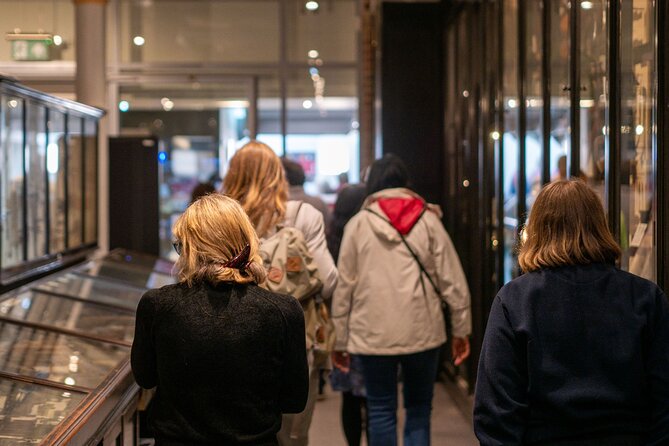
- Museum-to-street storytelling: you start in a natural history collection, then carry those themes into the city.
- Discussion beats a lecture: guides actively manage conversation, keeping it respectful and interactive.
- Empire and colonialism, handled thoughtfully: the tour questions the past without turning it into a blame-only talk.
- Cecil Rhodes comes up for context: you’ll hear how the Cecil Rhodes scholarship shaped ideas, access, and attitudes.
- Small group size: maximum of 15 travelers means it’s easier to stay together and participate.
- You might feel challenged: the topics are uncomfortable by design, even when the tone stays polite.
Undecided so far? Here are further Oxford tours we have written up.
- Oxford University Walking Tour With University Alumni Guide★ 5.0 · 6,905 reviews
- 1.5-hour Oxford City and University Walking Tour★ 4.5 · 1,383 reviews
- Oxford Official University & City Tour★ 5.0 · 1,134 reviews
- City Sightseeing Oxford Hop-On Hop-Off Bus Tour★ 4.5 · 1,042 reviews
Entering Oxford’s Natural History Museum, and Why It Matters
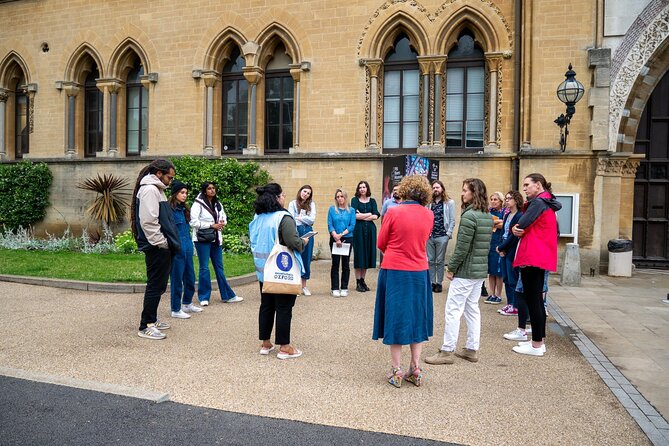
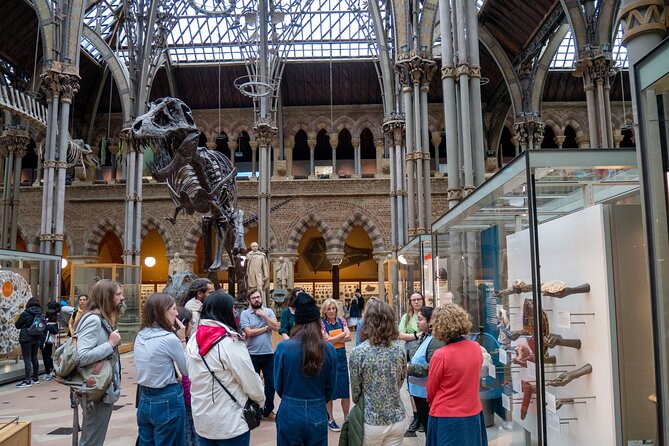
Most Oxford walking tours skim. This one starts where you can’t ignore the evidence. You meet at Oxford University Museum of Natural History and begin with the kind of museum setting that helps you slow down. Instead of only hearing about history in the abstract, you can look at specimens, displays, and collection logic as part of the story.
The tour frames the museum as a launchpad for understanding colonial connections. That sounds heavy, but the point is practical: museums are not neutral storage. They reflect what societies collected, what they valued, and what they were willing to call knowledge. Starting here makes the rest of the walk feel more grounded, because you’re not just repeating big ideas, you’re linking them to what you can see.
Timing is tight in the best way. The first stop is listed at about 15 minutes, so expect a focused start rather than a full, independent museum visit. If you love long museum wandering, you may want to plan extra time after the tour to go back for the bits that stick with you.
The Pitt Rivers Museum Connection and Other Museum Stops
From there, the experience keeps its museum rhythm. One of the most praised parts is how the walk connects the Oxford natural history space to the Pitt Rivers Museum, using each venue to build a clearer picture of how knowledge systems formed over time.
You can think of this as a theme bridge. Natural history museums often teach classification and collection habits, while other museum collections can expose how culture, identity, and power were represented. In this tour format, the guide helps you connect the dots between those representations and the real-world attitudes behind them.
The tour is also described as including entry into several museums, so it’s not just a “look from the outside” walk. That matters for value. Museum entry can be pricey and time-consuming to sort out on your own. Here, the structure suggests you’ll spend less effort on logistics and more time on the discussion that turns sightseeing into understanding.
A small but important practical note: because you’re moving between places, wear shoes you trust. You’ll likely be on foot through Oxford streets between stops, and the best learning comes when you’re not constantly pausing for sore feet.
Guides Who Keep the Conversation Grounded (Ffion, Devika, Cameron)
The biggest strength is the human delivery. The tour is built around discussion, and the guides are repeatedly mentioned for how they manage that. People bring questions, discomfort, and opinions, and the guides keep the tone respectful rather than preachy.
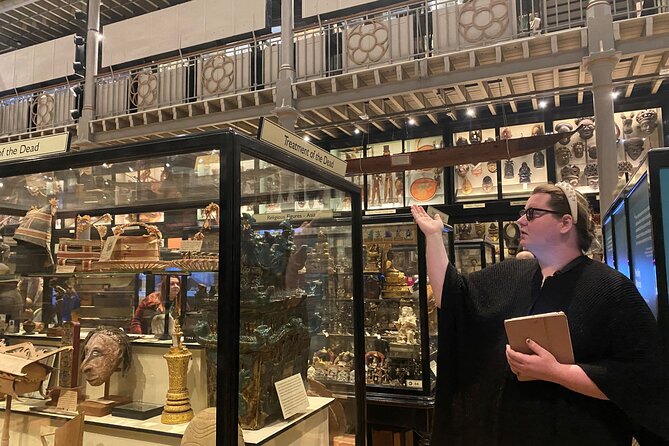
I like that the guides are described as thoughtful moderators. Ffion is specifically named as delivering a lot of information in an accessible way and facilitating careful reflection. Devika is named for keeping the group together and encouraging participation so the walk doesn’t become a one-person monologue. Cameron is noted for fostering interesting discussions along the route.
That discussion management is not a minor detail. When you’re dealing with topics like colonialism and racism, the difference between a lecture and a conversation changes everything. A good guide doesn’t just throw facts at you. They shape the room so you can ask your own questions, and so other people can answer without talking past each other.
So if you enjoy learning by talking things out, you’re in the right format. If you only want silent sightseeing, you may find the conversation feels like the main event rather than an add-on.
What You Learn About Cecil Rhodes and Colonialism
This isn’t an Oxford greatest-hits tour. A highlight in the feedback is hearing the background around the Cecil Rhodes scholarship, including problems with diversity and Rhodes-era historical attitudes toward people of color.
That’s the key value here. You get context for why certain names and institutions still matter today. Instead of treating history like a museum label you can read and move on, the tour treats it like a thread you can follow. Scholarship, education, collecting, and policy connect. The guide helps you see those connections as part of a bigger system, not isolated events.
The best part is the balance. Multiple comments mention that the tone is thought-provoking, but not overbearing. People praise it for not getting preachy and for being respectful even when the subject matter is hard. The goal seems to be opening your eyes, not shutting down your thinking.
If you worry that uncomfortable topics will spoil the experience, take heart. This tour aims to stay conversational and supportive. Still, do come prepared for the idea that Oxford’s shine has an underside, and this walk puts that underside on the table.
Other Oxford walks, colleges included

How Long It Takes, and How to Judge the $96.11 Value
At $96.11 per person, you’re paying for three things: a guide, guided conversation, and museum access across the route. The duration is listed at about 1 hour 30 minutes, and the group size tops out at 15 travelers.
Here’s how I’d judge the value. If you’re the type who can spend hours in museums and you usually read everything slowly, a 90-minute guided route can feel short. But if you want direction plus interpretation, it’s a good trade. You’re not just buying entry tickets. You’re buying someone’s skill at turning objects and streets into a story you can actually use to understand Oxford.
The small group size also matters. In a bigger crowd, discussion tends to flatten. Here, the format makes it easier for the guide to keep people together and to invite different voices into the conversation without letting it derail.
One more reason it can feel like good value: museum entry inside tours can save you time and planning. You don’t have to guess which tickets to buy, which doors to use, or how to sequence stops. The tour structure takes care of that so you can focus on the big questions.
Practical Tips So You Don’t Miss Each Other
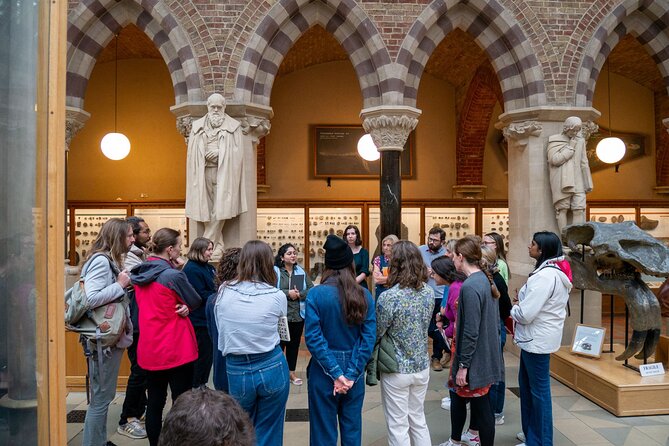
This tour starts at Oxford University Museum of Natural History (Parks Rd, Oxford OX1 3PW, UK) and ends back at the meeting point. That back-to-start ending is helpful. It means you can return to the same area afterward, grab coffee nearby, and still keep the day flowing.
The mobile ticket detail is also practical. When you’re hopping between museums, having your ticket on your phone reduces fumbling. And since it’s marked as near public transportation, you can plan your arrival without needing a car.
One caution comes from a reported incident involving a guide who did not arrive on time. It’s not something I’d expect as your default plan, but it’s enough to justify smart habits: show up early, double-check the meeting location, and make sure your phone number works before you arrive. If you split from your group at all, reunite quickly. Meeting-based tours are simple, but they still rely on matching up in real time.
Who Should Book This Oxford Natural History and Empire Walk
This is best for you if you want your Oxford to have an edge. It’s a good fit when you like:
- guided discussion that treats the past as complicated
- museum stops that connect to broader themes
- thoughtful handling of colonial history and racism without turning it into a lecture
It also fits well if you’ve already seen the classic sights and you want something more textured. You’ll get deeper insights into how Oxford’s collections and institutions connect to colonial networks.
On the other hand, if you’re traveling with someone who wants only light, purely decorative sightseeing, the “uncomfortable” focus may feel like too much. You don’t have to agree with everything to enjoy the tour, but you do need the willingness to sit with difficult context for 90 minutes.
Should You Book This Tour?
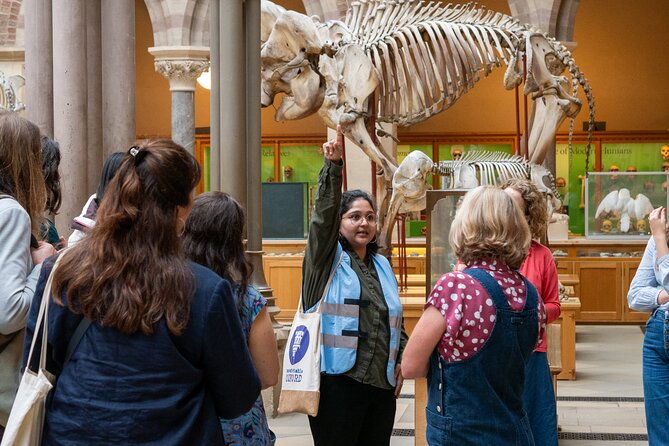
Book it if you want a walking tour that uses museums as evidence and treats conversation as part of the learning. The strongest signs are the repeated praise for respectful, discussion-based facilitation and for the way the tour brings up themes like the Cecil Rhodes scholarship and colonial attitudes without turning it into a one-way lecture.
Skip it only if your ideal Oxford day is mostly photo stops and minimal talking. This experience is designed for people who enjoy asking questions while walking.
If you do book, go in with two expectations: you’ll spend more time thinking than photographing, and you’ll leave with a sharper, more uncomfortable sense of how institutions and knowledge were shaped.
FAQ
How long is the Natural History Museum tour?
The tour is listed at about 1 hour 30 minutes.
Where do I meet for the tour?
You meet at Oxford University Museum of Natural History, Parks Rd, Oxford OX1 3PW, UK.
Does the tour end at the same place it starts?
Yes, the activity ends back at the meeting point.
What museums are included?
The tour starts at Oxford University Museum of Natural History and includes visits related to museum collections such as the Pitt Rivers Museum. It also includes entry into several museums.
Is the tour discussion-based or more of a lecture?
It’s built around guided discussion, with the guide facilitating conversation rather than running it like a lecture.
How big is the group?
The maximum group size is 15 travelers.
Is the tour offered in English?
Yes, it is offered in English.
Can I cancel for a full refund?
You can cancel up to 24 hours in advance for a full refund. If you cancel less than 24 hours before the start time, the amount paid is not refunded.
More History Led Walks


More Oxford, College By College






Fresh off the notebook in Oxford
- Cotswolds One Day Guided Cycle Tour – Private Groups
★ 5.0 · 7 reviews - Follow the Money Tour – by Uncomfortable Oxford™
★ 5.0 · 7 reviews - History of Medicine Tour – by Uncomfortable Oxford™
★ 4.5 · 8 reviews - Oxford: to Cotswolds (Half Day)
★ 5.0 · 8 reviews - CS Lewis & Tolkien Tour with Magdalen Entry Public tour 13.45
★ 5.0 · 8 reviews - Oxford Private Guided Walking Tour
★ 4.5 · 8 reviews
Oxford Tours, compared.
 ★ 5.0Oxford University Walking Tour With University Alumni GuideFrom $416,905 reviews
 ★ 4.5Windsor Castle, Stonehenge, and Oxford Day Trip from LondonFrom $1235,292 reviews
 ★ 4.5Oxford, Stratford-upon-Avon, Cotswolds & Warwick Castle Day TripFrom $1092,943 reviews
★ 4.5Windsor Castle, Stonehenge, and Oxford Day Trip from LondonFrom $1232,474 reviews
★ 4.5Oxford, Stratford-upon-Avon, Cotswolds & Warwick Castle Day TripFrom $1092,943 reviews
★ 4.5Windsor Castle, Stonehenge, and Oxford Day Trip from LondonFrom $1232,474 reviews
 ★ 4.5Windsor Castle, Stonehenge and Oxford Day Guided Tour from LondonFrom $1111,486 reviews
 ★ 4.51.5-hour Oxford City and University Walking TourFrom $381,383 reviews
 ★ 4.5Oxford and Traditional Cotswolds Villages Small-Group Day Tour from LondonFrom $1001,196 reviews
 ★ 5.0Oxford Official University & City TourFrom $411,134 reviews
Browse the lists this tour appears in