
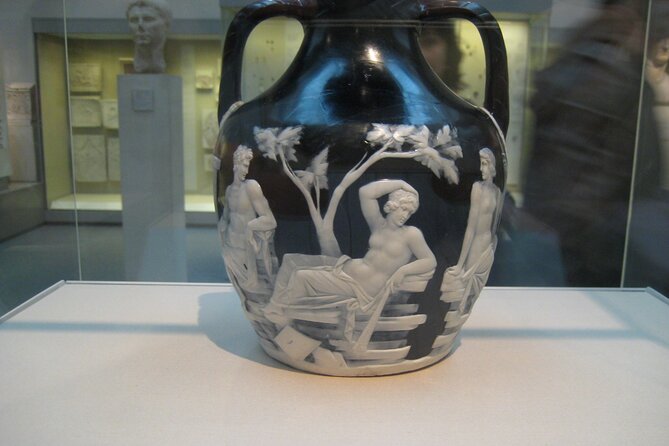
REVIEW · LONDON MUSEUMS AND GALLERIES
Private Guided Tour of the British Museum
One guide turns chaos into clear ancient stories. This private, customized British Museum tour led by Anthony Matthews helps you zero in on must-sees like the Rosetta Stone translation story and Tutankhamun’s world, instead of getting lost in a museum that feels endless. I also like the crowd-smart approach, with early entry so you get a head start. The only real catch is that you’ll be walking a lot in a huge building, and not every area is fully easy to access.
You can pick a morning or afternoon slot, and you get a mobile ticket plus a licensed, insured guide. It’s also designed for small groups, so questions stay part of the program and your pace does not get steamrolled by a big bus tour.
The “what do we see?” answer is flexible. You’ll focus on standout Egyptian, Greek, and Roman objects, with enough context that labels feel less like homework and more like a story you can follow. Still, there’s no air-conditioned vehicle included, so plan on the usual London walking and transit rhythm before you even reach the museum doors.
In This Review
- Key things I think you’ll love
- Why a private British Museum tour makes sense for most people
- Entering the British Museum with Anthony Matthews
- Rosetta Stone to Tutankhamun: Egypt highlights you can actually follow
- Roman and Greek power: propaganda, armor, and gold that means something
- How the guide keeps the pace in a museum this size
- Price and value for a private group up to six
- Morning vs afternoon: choosing the right time to beat the museum feel
- Should you book this British Museum private tour?
- FAQ
- How many people are in the private tour?
- How long is the British Museum private guided tour?
- What is included in the tour price?
- Are morning and afternoon tours available?
- Is transportation included, and is there air-conditioning?
- Can I get a full refund if I cancel?
Key things I think you’ll love
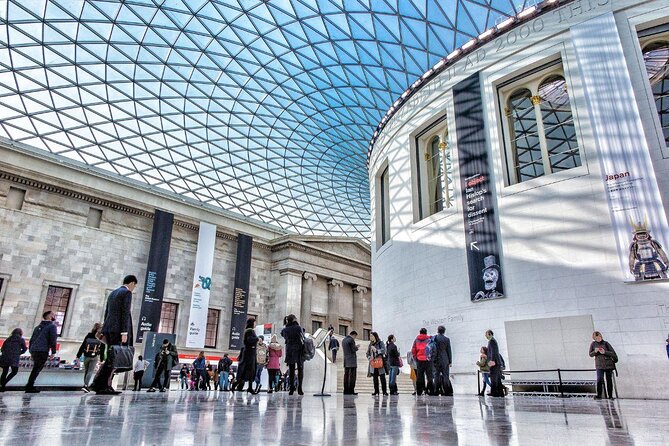
- Early-entry mindset so you spend more time looking, less time queued.
- Rosetta Stone explained with the meaning behind the translation breakthrough.
- Egypt + Greek + Roman connections that make the museum feel less random.
- Archaeology-led storytelling with practical insights, not just dates and names.
- Private group of up to 6 for a faster route and better Q&A.
- A focused 2.5-hour plan for highlights inside an enormous museum.
Rainy afternoon fixed: more museum visits we tried
- British Museum London Guided Tour Semi-Private 8ppl Max★ 5.0 · 984 reviews
- The British Museum London – Exclusive Guided Museum Tour★ 5.0 · 555 reviews
- British Museum Guided Tour★ 4.0 · 470 reviews
- Private Guided Tour of the British Museum – Tickets Included★ 5.0 · 193 reviews
Why a private British Museum tour makes sense for most people
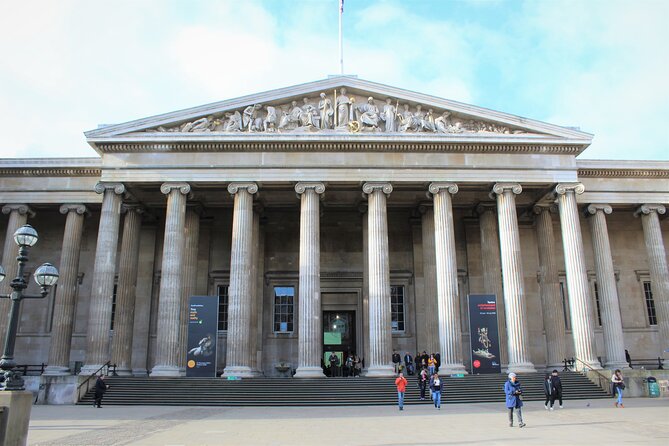
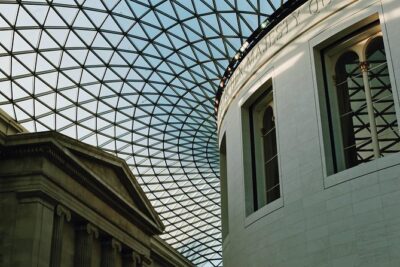
The British Museum is one of those places where the building itself can feel like the attraction. You can easily spend hours wandering, then realize you did not actually understand what you saw. This private tour is built to stop that problem fast.
The big win is that your guide is not just reading wall text. The experience is designed as a guided route through major highlight areas, with context you can carry with you. In a museum like this, context is everything. Knowing why the Rosetta Stone mattered, or how Tutankhamun’s objects connect to belief and burial practice, changes the way you look at every nearby statue and artifact.
This is also a small-group reality check in the best way. Up to six people means you are not stuck listening from far away, and it is easier to pause for questions. If someone in your group is more into Egyptology, or others care more about ancient Greece and Rome, the tour can be directed to those preferences.
And yes, it is still the British Museum, so you will see only highlights. That is the point. You get an efficient, high-impact experience in about 2 hours 30 minutes, which is a gift if you have limited time in London.
Entering the British Museum with Anthony Matthews
A lot of museum tours fail at the first 10 minutes. They either start late, get slow at the entrance, or dump you into the building with a map and hope for the best. This one aims to avoid that.
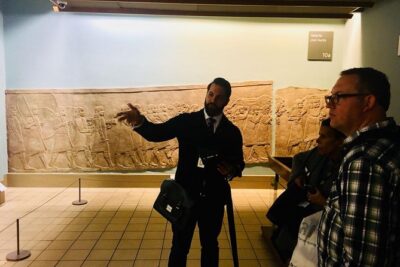
Anthony Matthews is a major reason this tour gets such consistently high marks. In the reviews, he’s described as a retired archaeologist and a Blue Badge Guide, with an approach that treats artifacts like evidence, not just decoration. That archaeology lens shows up in the way he talks about objects and how they were excavated and acquired.
You should expect the tour to start with an intro that gives you a mental framework before you walk deeper into the galleries. That matters because the British Museum can feel like separate worlds stacked on top of each other. When you know what connects the objects you are about to see, everything clicks faster.
One practical advantage mentioned repeatedly is his focus on getting in early. The goal is simple: see the key rooms before the heaviest crowd pressure. Even if you are not an “arrive at dawn” person, this crowd-smart start can make the difference between enjoying the visit and feeling like you are constantly stepping aside for others.
The tour uses a mobile ticket, and the meeting point is in Greater London, with the experience ending back at the meeting point. Public transportation is nearby, which is helpful because you will probably want to keep travel time flexible in London.
Rosetta Stone to Tutankhamun: Egypt highlights you can actually follow
The tour’s Egyptian thread is strong, and it is taught as story plus science. You do not just hear that the Rosetta Stone helped unlock hieroglyphs. You learn why it was the key to Egyptian history, and how translation became possible. That’s a big deal, because it turns a famous object into a clear explanation of how we know what we know.
Then you move from the translation breakthrough into the human scale of ancient Egypt. You’ll see elements tied to Tutankhamun, including a statue connected to his legacy and a discussion of his life and death. If you have ever wondered why Tutankhamun is treated like a rock star in the ancient world, this is where the answer starts to make sense.
From there, the tour shifts into burial and belief objects that feel less like random display pieces and more like evidence of daily life, status, and ritual. Expect stops that cover:
- sarcophagus motives, including decorative themes and what they signal
- canopic jars, tied to mummification and protection
- the Book of the Dead, framed in terms of how texts were used and understood
A smart detail here is that the tour does not treat Egypt as a single timeline. It helps you recognize patterns: power, ritual, and the way objects were designed to survive both time and memory.
If your group has kids or teens, this Egyptian portion also tends to work well. The objects are visually dramatic, and the explanation has enough structure to keep attention. Adults like it too, because the archaeology angle gives you a “how we got here” feeling, not just “look at this.”
Roman and Greek power: propaganda, armor, and gold that means something
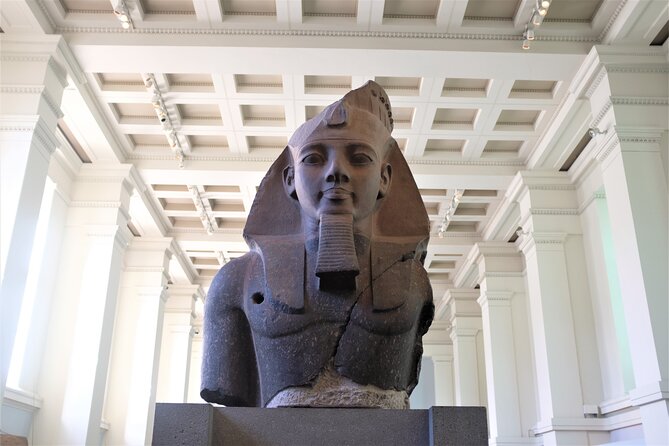
After Egypt, the tour keeps moving rather than grinding to a halt. That transition is key, because the British Museum is at its best when you see how cultures influenced each other across centuries.
On the Roman side, you’ll hear about the origins of Rome and its technology, with a focus on how power communicated itself. One standout topic mentioned in the experience is classical propaganda in glass. That sounds odd at first, but in context it helps you see that Romans used everyday and luxury objects as messaging tools, not just art for art’s sake.
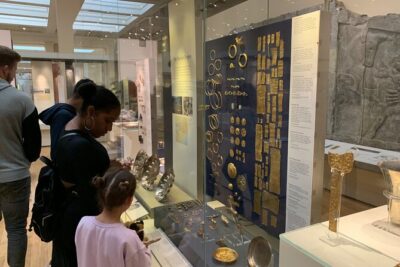
You’ll also encounter a set of objects that can surprise you in the best way. Alligator armor is one example, and it makes the ancient world feel less like a textbook and more like people solving practical problems with imagination and status. Gold jewelry also gets attention, and the point is not only the sparkle. It’s the social meaning of adornment, the signaling of rank, and the way material culture communicates authority.
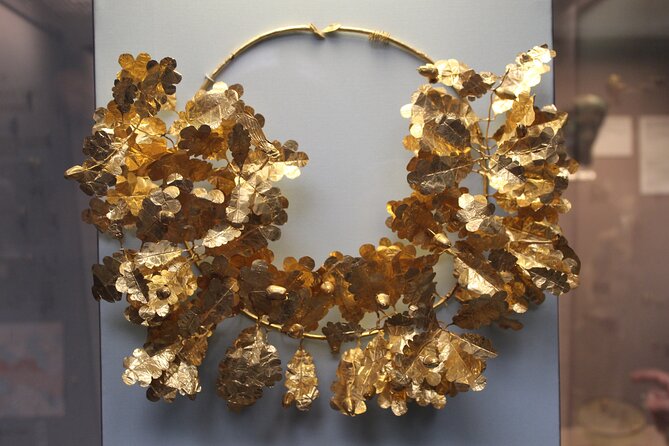
Then you move into Greek statuary and dramatic myth scenes. You’ll see a gold headdress as part of the story, and also imagery connected to Amazons fighting. The big value of these stops is that the guide ties art to narrative. You learn what you are looking at and why it was made to matter.
If you are the type who likes museums but hates feeling lost, this section is where the tour earns its keep. You get a guided path through huge galleries, but the explanations make the stop-by-stop logic feel intentional.
Other collections we queued for



How the guide keeps the pace in a museum this size
Two hours 30 minutes can sound short for the British Museum, and it is. So the tour has to do smart time management.
From the overall format, you can expect:
- an early-start approach to reduce time in peak crowds
- a curated highlight flow that avoids dead ends
- frequent chances to pause for questions and adjust the route based on your interests
This is where the private setup really pays off. In a group tour, the guide has to keep everyone together. Here, the guide can shift pacing for your group’s needs. One family might want more Egyptology. Another might want a tighter Greek and Roman focus. You also get a natural advantage if you ask questions along the way, because the guide can answer using the same artifacts you are standing in front of.
The tone in the reviews is consistent: entertaining and informative, with humor and clear context. That balance matters. Museum talks often fall into two traps: dry facts that go in one ear and out the other, or stories that do not explain enough. This style aims for middle ground, and it’s especially helpful for families traveling with teens and tweens.
One small practical consideration: you should dress for walking. Even with an efficient route, the British Museum is large, and you will spend time moving between rooms.
Price and value for a private group up to six
The price is $344.49 per group for up to six people, and the tour lasts about 2 hours 30 minutes. That pricing structure is often where people either feel smart or feel squeezed, depending on their group size.
Here’s the value logic you can use:
- If you come as a duo or small pair, you still get the full private guide benefit, but the cost per person is higher.
- If you travel with 3 to 6 people, the cost per person drops quickly, and you essentially buy yourselves a customized “best of the British Museum” experience with a real specialist.
The included items make the deal more straightforward. The tour includes the licensed, insured guide and the entrance ticket. There’s no air-conditioned vehicle included, but the tour focuses on being inside the museum, which is what you actually want anyway.
Also, this is the kind of tour that can prevent wasted time. If you only have one day in London and the museum is on your list, a guided highlight plan can help you leave with understanding, not just photos.
The average booking lead time is about 54 days. In busy seasons, plan ahead. If you wait until the last minute, you may find fewer slots that fit your schedule.
Morning vs afternoon: choosing the right time to beat the museum feel
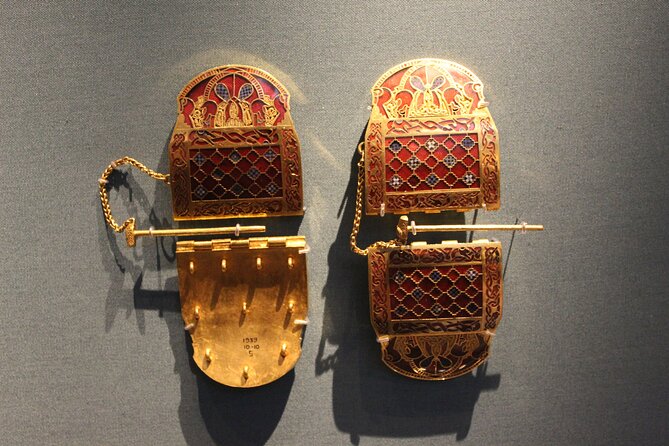
You can choose either a morning or afternoon tour, and that choice can genuinely affect your experience.
Morning tends to work well if you want the “calm start” effect. Early entry helps you get a cushion before crowds build, and it makes the museum feel more navigable. This matters most for the British Museum because the rooms you want to see are not in a straight line, and crowd flow can slow your route.
Afternoon can be a good option if your mornings are busy with other London sights. You still get a focused route, and a good guide helps you manage time even when the museum is busier. You just want to be mentally ready for a livelier atmosphere.
Either way, my advice is to think about your group energy. If you have kids, teens, or anyone who dislikes being rushed, morning can feel kinder. If you are on a tight day schedule, afternoon is often the only practical choice.
Should you book this British Museum private tour?
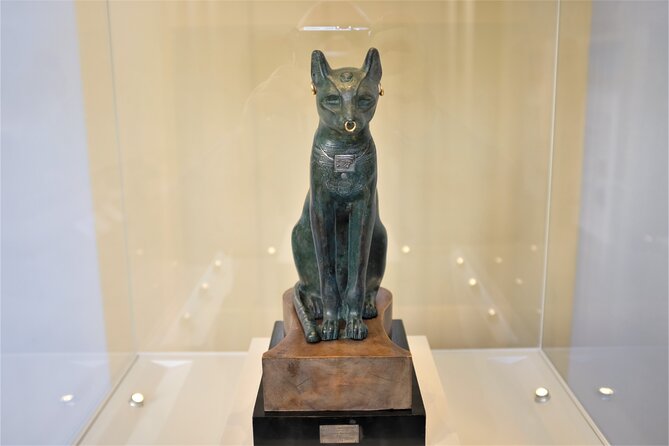
Book it if you want the museum’s highlights with real context, not just a walk past big objects. This is especially worth it if:
- you care about Egypt, Greek art, and Roman themes and want those threads connected
- you have limited time and want a tight route through the key galleries
- you’re traveling as a small group, ideally closer to the full size of six
- you like archaeology-style explanations and how discoveries shape what we think we know
Skip it if you want total freedom to roam at your own pace for hours, with no structured plan. Also, if mobility is a big concern, note that while most travelers can participate, not all areas are fully accessible.
Bottom line: this private format is a smart way to make the British Museum feel understandable and worthwhile in a manageable amount of time.
FAQ
How many people are in the private tour?
It is a private tour for your group only, with a maximum group size of up to 6 people.
How long is the British Museum private guided tour?
The duration is about 2 hours 30 minutes.
What is included in the tour price?
The tour includes a licensed, insured guide and an entrance ticket. A mobile ticket is provided.
Are morning and afternoon tours available?
Yes. You can choose either a morning or afternoon tour based on your schedule.
Is transportation included, and is there air-conditioning?
An air-conditioned vehicle is not included. The tour focuses on being inside the museum.
Can I get a full refund if I cancel?
Yes. You can cancel up to 24 hours in advance for a full refund. If you cancel less than 24 hours before the start time, the amount paid will not be refunded.
Other Departures With A Guide Attached






Other Collections Worth An Hour




Museum Days In London


Fresh off the notebook in London
- Private Rock ‘n’ Roll Music Tour of Central London
★ 5.0 · 7 reviews - London Walking Tour: Camden Town Photography Walkabout
★ 5.0 · 7 reviews - Private Transfer from London accommodation to Cruise terminal
★ 5.0 · 7 reviews - Amazing Nightlife in London East Tour
★ 4.5 · 7 reviews - The British Museum: a highlights tour with a TV historian
★ 5.0 · 7 reviews - Heathrow Airport to Cambridge private taxi transfers
★ 5.0 · 7 reviews
London Museums and Galleries, compared.
 ★ 5.0British Museum London Guided Tour Semi-Private 8ppl MaxFrom $108984 reviews
 ★ 5.0The British Museum London – Exclusive Guided Museum TourFrom $108555 reviews
 ★ 4.0British Museum Guided TourFrom $18470 reviews
 ★ 5.0Private Guided Tour of the British Museum – Tickets IncludedFrom $187193 reviews
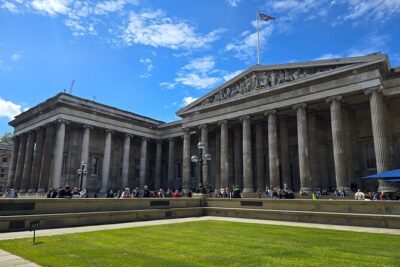 ★ 5.0British Museum Guided Tour with Priority Timeslots(Small Group)From $48192 reviews
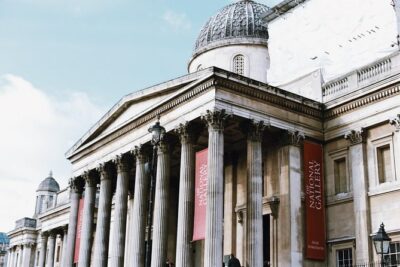 ★ 5.0National Gallery of London Museum Tour Semi-Private 8ppl MaxFrom $108178 reviews
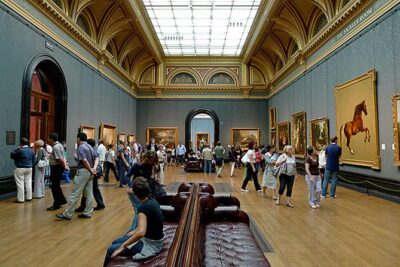 ★ 5.0British Museum & National Gallery of London Semi-Private 8ppl MaxFrom $201168 reviews
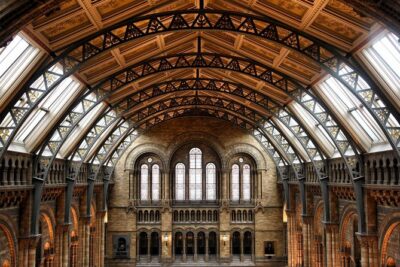 ★ 5.0Natural History Museum London – Exclusive Guided Museum TourFrom $108153 reviews
Browse the lists this tour appears in