
REVIEW · ENGLAND
Turmoil, Templars & Oliver Twist London’s Squalor and Splendour
Holborn turns crime tales into street-level reality. This guided walk threads together Charles Dickens’ Oliver Twist settings and the medieval institutions that shaped the city, all in one logical route. I also love that it is built for questions, with a small group and a guide like Tom who keeps explanations clear and answers coming.
The route hits seven major locations in about two hours, with short stops that still give you enough context to connect the dots as you go. One thing to consider is the walking, it is not recommended if you cannot walk about two miles at a reasonable pace.
In This Review
- Key things to know before you go
- Holborn, Oliver Twist, and why this route feels different
- Meeting points, route logic, and how 2 hours plays out
- Price and value: what $27.42 buys you
- Stop by stop: Bow Street to Old Bailey in one connected story
- Bow Street Museum of Crime and Justice, and the Bow Street Runners
- Freemasons’ Hall, and why civic power likes symbolism
- Royal Courts of Justice, where the legal story takes its modern shape
- Temple Church, the Knights Templar, and the weight of old stones
- Silver Vaults, Staple Inn, and the practical corners of legal London
- The London Silver Vaults, a strange but fun pause
- Staple Inn, the last surviving Inns of Chancery building
- Old Bailey, Newgate Prison, and the Oliver Twist connection
- The best fit: who will enjoy this tour most
- Should you book this Holborn squalor-and-splendour walk?
- FAQ
- How long is the tour?
- What language is the tour offered in?
- What is the group size limit?
- Where does the tour start and end?
- Is admission included for the stops?
- Do I need a mobile ticket?
- Is there a walking requirement?
- What is the price per person?
- Can I cancel for a full refund?
Key things to know before you go
- Oliver Twist locations in Holborn: you will see the real places linked to Dickens’ world
- Small-group pace, maximum 15: lots of chances to ask questions
- Tom’s style of guiding: clear, engaging, and ready for your follow-up questions
- Free entry at each stop: you do not pay separate admission for the listed locations
- A legal-and-medieval theme that makes sense: courts, crime, and Templars connect to how London works
Undecided so far? Here are further London tours we have written up.
- Stonehenge, Windsor Castle, and Bath from London★ 4.5 · 18,662 reviews
- London Big Bus Hop-On Hop-Off Tour with Optional River Cruise★ 3.5 · 10,803 reviews
- London Small Group Tour of Historical Pubs★ 5.0 · 10,422 reviews
- Stonehenge, Windsor Castle and Bath with Pub Lunch in Lacock★ 4.5 · 7,402 reviews
Holborn, Oliver Twist, and why this route feels different
If you think London history is just plaques and photos, this walk pushes you past that. Holborn is one of those central areas where law, power, and everyday grit sit close together. The tour uses that closeness like a teaching tool, so Oliver Twist stops do not feel random, they feel like they belong.
What I like most is the mix of scales. You go from street-level crime and justice, to institutions that ruled real lives for centuries. The guide is the glue, turning names you might recognize, Bow Street, Old Bailey, Temple Church, into a story you can picture while you walk.
And you get that great small-group vibe. With a cap of 15 people, you are not just listening, you are participating. If something feels confusing, you can usually ask and get a straight answer, which makes the history stick.
Meeting points, route logic, and how 2 hours plays out
The tour starts near Covent Garden Underground Ltd on Long Acre, right in the middle of the West End flow. You end near a Superdrug Health Clinic at 36 to 37 New Bridge Street, close to Blackfriars Station on the north bank of the Thames. That matters because it keeps the route practical. You do not finish somewhere awkward, you finish in an area you can easily connect to the rest of your day.
The timing is also worth understanding. Each listed stop is about five minutes, which means you are not settling in for a long museum session at every location. Instead, you are getting a guided orientation plus just enough detail to understand why each place matters. Then you move on, so the tour stays energetic rather than exhausting.
Dress for real walking. The tour description flags it clearly: it is not recommended if you cannot walk about two miles at a reasonable pace. If you can handle a steady stroll, the route is manageable, and you will have time to ask questions without feeling rushed.
Price and value: what $27.42 buys you
At about $27.42 per person for roughly two hours, this tour is aiming at value through structure. Here is the practical part: the stops listed are marked with admission free for the duration of the visit. That reduces the usual London problem of paying for multiple entrances while you are still paying for the guide.
You are also getting guided context, not just a route map. In central London, the same street can look polished on one block and raw on the next. A guide helps you see the connections, like how justice systems and religious orders influenced the city’s institutions over time.
Small-group limits also affect value. When you are under 15 people, it is easier for the guide to keep everyone involved. In a city like London, that turns your time into something you can actually use.
Stop by stop: Bow Street to Old Bailey in one connected story
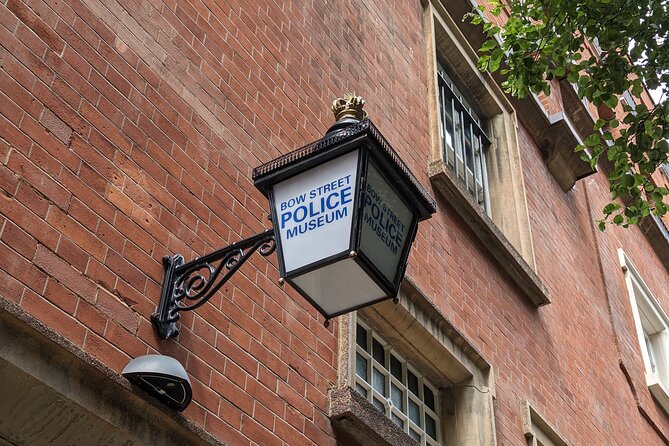
The walk is organized like a historical argument. You start where organized crime and policing get discussed, then move into the legal machinery, and finally end where punishment and public justice became public events.

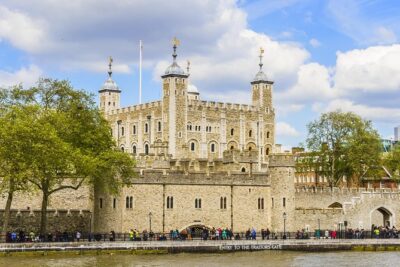
Bow Street Museum of Crime and Justice, and the Bow Street Runners
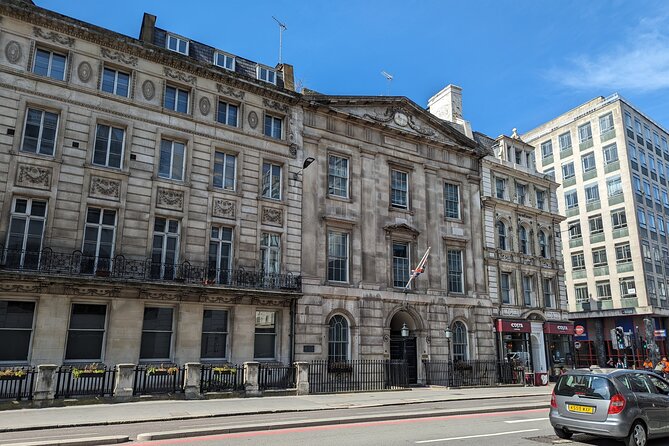
You begin at the Bow Street Museum of Crime and Justice, and you are set up with the history of the Bow Street Runners. This is a smart opening because it grounds the whole theme in practical reality. Crime and justice in London did not start in courtrooms alone, it started with systems for responding to wrongdoing.
Even with a short stop, the point is to give you a reference frame. Once you understand what Bow Street was trying to do, the later court and criminal justice sites click into place.
Freemasons’ Hall, and why civic power likes symbolism
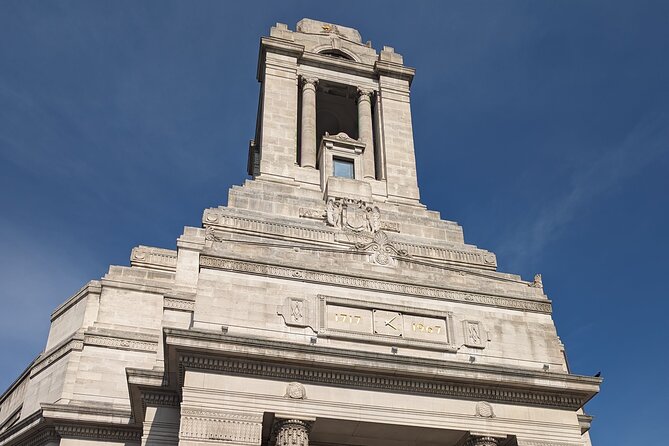
Next is Freemasons’ Hall. The focus is on the history of the hall, and that is a helpful counterweight to the crime-and-courts vibe. Freemasonry has long been tied to buildings, networks, and social influence, and this stop gives you a way to think about institutions as more than just laws on paper.
In a tour like this, Freemasons’ Hall is not there for trivia. It is there to show how London’s authority culture built places where ideas, membership, and public presence could coexist.
Royal Courts of Justice, where the legal story takes its modern shape
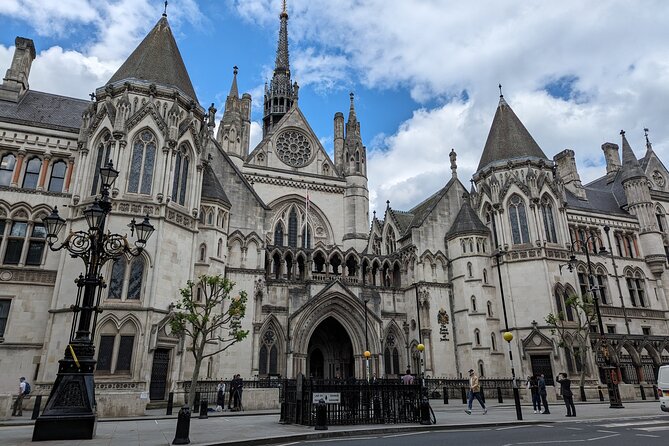
Then you reach the Royal Courts of Justice. Again, you get the history of the courts, and this is one of the places where your brain starts labeling what you see. Once you have a framework for how courts developed, you can connect them to earlier mechanisms you just heard about.
This is also a stop where questions can pay off. If you like understanding how systems evolve instead of just memorizing facts, this is a good moment to ask for the simple version of how law changed over time.
Temple Church, the Knights Templar, and the weight of old stones
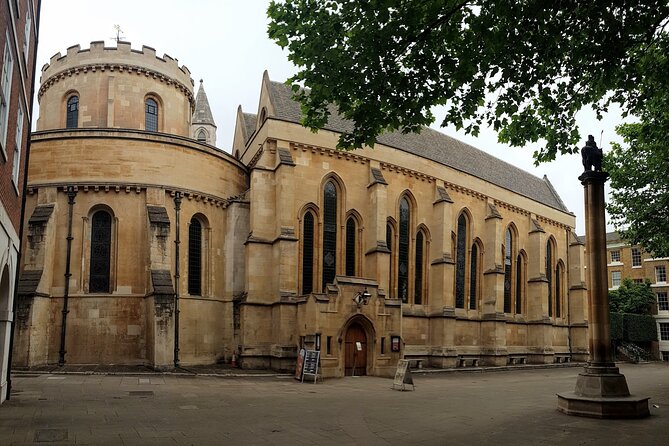
Temple Church is the Templars section of the walk, with a focus on the Knights Templar and the church itself. This part is likely to appeal if you like medieval stories that are not just fantasy. The Templars are often discussed in myths and pop culture, but here you see the real physical anchor, which makes the story feel more grounded.
The church setting also helps. It is one thing to hear a name, it is another to stand somewhere tied to that era and have your guide connect it to broader shifts in power and belief.
Silver Vaults, Staple Inn, and the practical corners of legal London
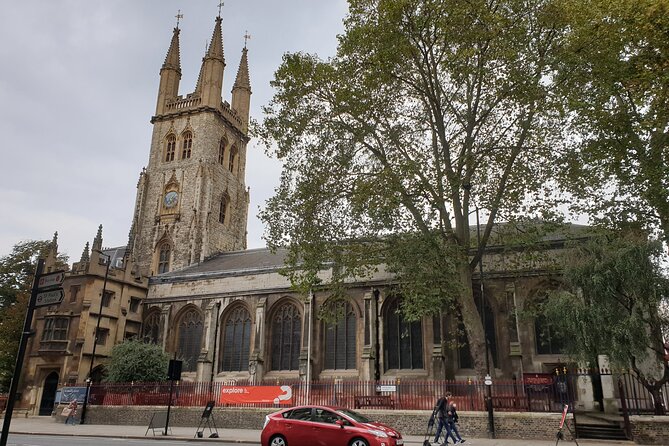
After the heavier legal and medieval stops, the route adds variety in two ways: with a retail culture twist and with an architectural survivorship story.
The London Silver Vaults, a strange but fun pause
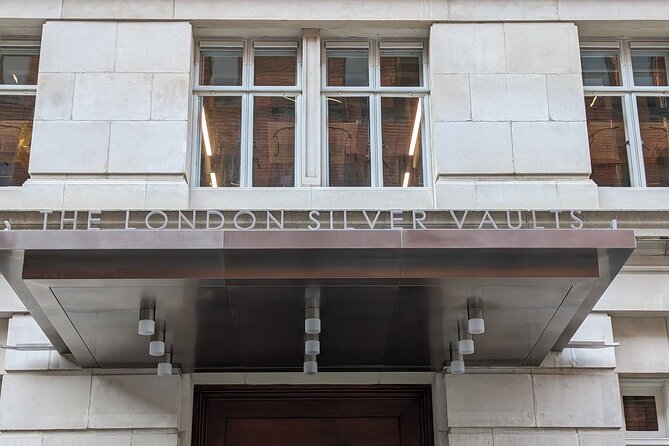
You visit The London Silver Vaults, described as the world’s largest collection of retail silver. This stop sounds odd if you expect the tour to be strictly “dark history.” But I actually like it because it breaks the mood at the right time.
The key value here is contrast. Around courts and crime, you also find everyday commerce, wealth displays, and social consumption. This is where you learn that London’s legal district was not only about punishment, it was also about money and status showing up in physical ways.
Staple Inn, the last surviving Inns of Chancery building
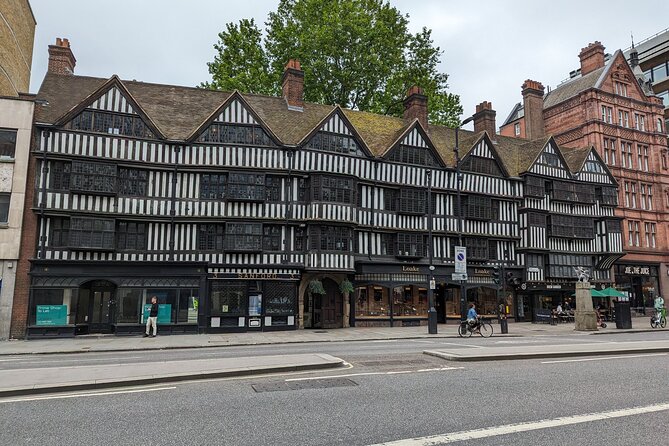
Next is Staple Inn, described as the last remaining of the Inns of Chancery buildings. This is the kind of stop that rewards slower attention. When you hear it is the last remaining, you realize why it matters: you are looking at survival in a city that demolishes and rebuilds constantly.
Inns of Chancery are tied to training and legal tradition, so this stop helps you understand that the legal system had living spaces and routines, not just court dates.
Old Bailey, Newgate Prison, and the Oliver Twist connection
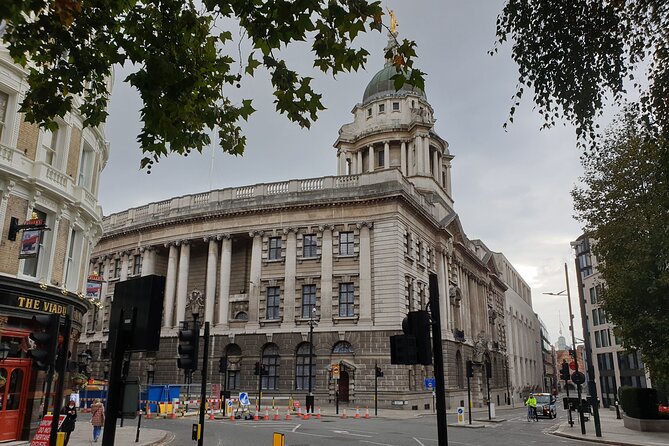
You finish at the Old Bailey, the site of the Central Criminal Court. It is also where Newgate Prison once stood, and that is the kind of fact that makes a location feel alive. Old Bailey is not abstract, it is where justice was carried out, publicly, with real consequences.
For Dickens fans, this ending lands well. The walk’s promise is to show the locations Charles Dickens used in Oliver Twist, and ending at Old Bailey helps you tie together the “crime and justice” theme with the literary one. You are essentially closing the loop: from policing and institutions to the place where punishment was administered.
The best fit: who will enjoy this tour most
This tour is for you if you like history with structure. I think it is especially good for people who want a single route that connects multiple eras, medieval institutions to later legal systems, without turning into a 30-stop marathon.
You will also get good value if you enjoy asking questions. Reviews attached to this experience emphasize how much time you get to ask things, and that matches what the format is designed to do, a guided walk where you are not stuck listening through the whole time.
It might not be the best match if you want long time inside museums. The stops are short, so you get orientation and guided context, then you can choose what to revisit afterward if you want more depth.
Should you book this Holborn squalor-and-splendour walk?
Yes, if you want a central London walk that links Oliver Twist to the real systems behind crime, courts, and medieval power. The route is tight, the group is small, and the free entry at each stop helps the price feel fair for two hours of guided context.
I would skip it only if walking two miles at a steady pace is a problem for you, or if you dislike legal and institutional themes. If those are fine, this is a smart way to see Holborn as more than a backdrop, it becomes the mechanism behind the stories.
FAQ
How long is the tour?
It lasts about 2 hours.
What language is the tour offered in?
The tour is offered in English.
What is the group size limit?
The tour has a maximum of 15 travelers.
Where does the tour start and end?
It starts near Covent Garden Underground Ltd, Long Acre, London WC2E 9JT, UK. It ends at Superdrug Health Clinic 36 to 37 New Bridge St, London EC4V 6BJ, UK, near Blackfriars Station.
Is admission included for the stops?
The stops listed are marked as admission ticket free.
Do I need a mobile ticket?
Yes, it is a mobile ticket experience.
Is there a walking requirement?
It is not recommended if you are unable to walk two miles at a reasonable pace.
What is the price per person?
The price is $27.42 per person.
Can I cancel for a full refund?
Yes, free cancellation is available. You can cancel up to 24 hours in advance for a full refund. If you cancel less than 24 hours before the start time, you will not be refunded.
Fresh off the notebook in London
- Private Rock ‘n’ Roll Music Tour of Central London
★ 5.0 · 7 reviews - London Walking Tour: Camden Town Photography Walkabout
★ 5.0 · 7 reviews - Private Transfer from London accommodation to Cruise terminal
★ 5.0 · 7 reviews - Amazing Nightlife in London East Tour
★ 4.5 · 7 reviews - The British Museum: a highlights tour with a TV historian
★ 5.0 · 7 reviews - Heathrow Airport to Cambridge private taxi transfers
★ 5.0 · 7 reviews