
REVIEW · WORKSHOPS
Wildlife Photography Workshop in Richmond Park in London
A half day of wildlife in London, doable. Richmond Park brings you close to Red and Fallow deer and teaches you how to make wildlife photos look intentional, not accidental. You get guided, in-the-field practice plus a mindset shift that helps you think through shots.
I like that it’s small, capped at 8 travelers, so you are not lost in a crowd. I also like the focus on real technique, from composition and framing to practical camera guidance, including help with manual settings for birds in flight.
One thing to watch is park timing, because if you miss the right route back, some gates can be locked. Plan for an easy exit buffer and pay attention to where your guide expects you to leave.
In This Review
- Key Points at a Glance
- Why Richmond Park Is a Wildlife Photo Shortcut from London
- Starting at Queen’s Road: Getting Oriented Fast
- The Richmond Park Stop: Learning in Front of Red and Fallow Deer
- Composition and Camera Basics, Without the Hand-Waving
- Evenings, Best Light, and How to Work with Changing Shadows
- Camera Settings for Birds in Flight, Plus Real Wildlife Priorities
- The Backdrops: Turning a Park into a Photo Set
- Group Size, Pace, and How Much Help You Really Get
- Price and Value: Is $161.56 Worth It?
- Practical Caution: Gates Can Affect Your Exit
- Should You Book This Wildlife Photography Workshop?
- FAQ
- Where does the workshop meet?
- How long is the wildlife photography workshop?
- What is the cost per person?
- How big is the group?
- What language is the workshop taught in?
- What will I photograph at Richmond Park?
- Is the workshop only for beginners?
- What happens if the weather is bad?
- Can I use a mobile ticket?
Key Points at a Glance
- Field-first teaching: learn right where the wildlife is, instead of a classroom warmup.
- Deer photography with strong backdrops: birch copses, oak trees, ferns, and lakes feed your composition.
- Evening light matters: the session is timed for better light to shape animals and scenes.
- Small group attention: up to 8 people means more specific help with your camera choices.
- Thought process over button pushing: you practice seeing and planning, not just shooting.
Cameras out: further shoots we tagged along on
- Professional Photoshoot in London Photographer★ 5.0 · 102 reviews
- Private landmarks photoshoot for families and couples★ 5.0 · 92 reviews
- Professional Private Photoshoot in London★ 5.0 · 63 reviews
- 30 Major London Attractions Walking Tour With Photos★ 4.5 · 51 reviews
Why Richmond Park Is a Wildlife Photo Shortcut from London
Richmond Park is one of those places that feels like a country break, without the logistics headache. You stay inside London, yet you get a serious wildlife setting with deer roaming and nature scenes that actually work for photography.
What makes this workshop especially interesting is that it does not treat wildlife photos like a random walk. The guide builds your eye and your skills around what Richmond Park offers, so you are learning in context. That matters, because wildlife photography is harder than portraits, and the distance, light, and behavior can all change minute to minute.
The best part for your photos is that you are not only chasing animals. You are also learning how to build pictures using the park’s environment, like silver birch copses, lone oak trees, ferns, and lakes. Those elements help you make images that look crafted, even if the animal is moving or partly hidden.
Starting at Queen’s Road: Getting Oriented Fast
The session meets at Queen’s Rd, Richmond TW10 6JJ, UK and ends back at the meeting point. That loop sounds simple, but it makes a big difference in planning. You do not have to guess transport back, and you can concentrate on finding good viewpoints and practicing what the guide is teaching.
A smart habit here is to arrive a few minutes early and get your gear sorted. Richmond Park is large, and wildlife is not guaranteed, so you want to avoid wasting time on minor problems. With a small group, your first minutes often set the tone for the whole session.
Also, expect a moderate walking pace. You will likely move around the park as the light and animal activity suggest better spots. If you have any mobility limits, wear supportive shoes and keep expectations realistic about uneven ground and paths.
The Richmond Park Stop: Learning in Front of Red and Fallow Deer
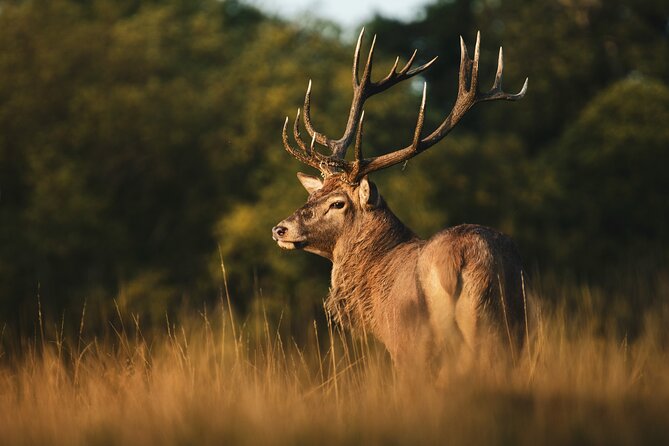
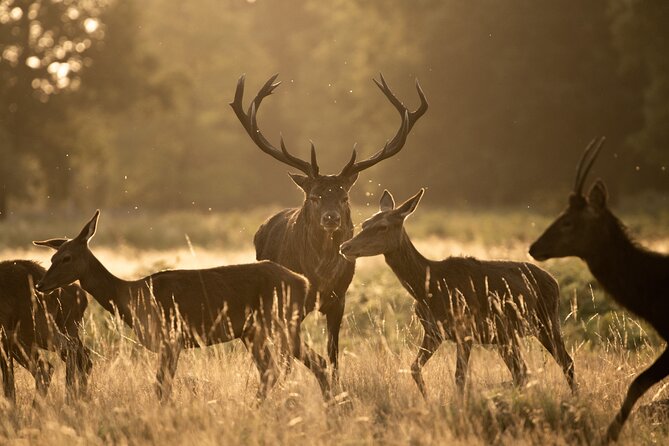
The heart of the workshop happens at Richmond Park. The focus is wildlife photography, and the standout subjects are the park’s Red and Fallow deer. Instead of only talking about settings, you practice in front of the very wildlife you came for.
This is where the workshop earns its value. Deer photography forces you to deal with real-world issues: motion, distance, and changing light. When you learn technique in that setting, the lesson sticks. You see how composition choices work when the animal is not sitting like a model.
You also get taught to look at more than the deer as the main subject. Richmond Park is full of scene builders, like the way birch trunks create patterns, or how ferns can frame the lower part of an image. That’s useful, because wildlife photos can look flat if you only focus on the animal and ignore background structure.
Composition and Camera Basics, Without the Hand-Waving
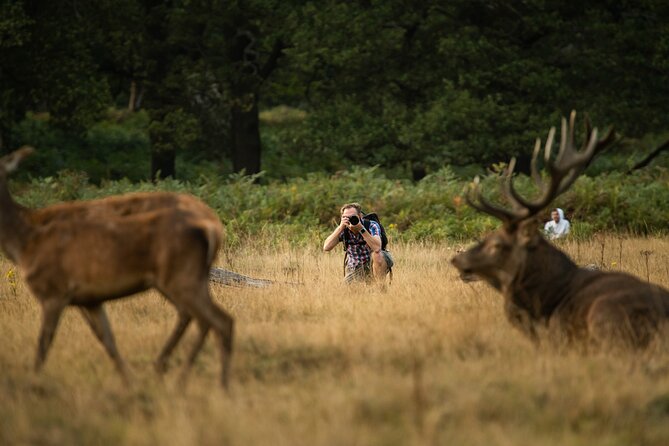
This workshop is for people who love getting out into nature and learning how to photograph wildlife. It’s also practical about where you start. Some participants are working on basics, and others want to sharpen skills they already have. The guide handles the range so you still get real feedback.
You’ll spend time on technical and creative sides. That includes how to think about composition, framing, and settings. The key is that you are not only collecting tips. You are learning how to apply them quickly while you are standing in the park.
One of the most useful parts, based on what people highlight afterward, is how the guide teaches the thought process. That means you stop treating wildlife photos like a grab bag of luck. You learn to build a plan: where you stand, what background you are aiming for, how to anticipate movement, and how to react when something changes.
If you are new to photography, this mindset helps you stop feeling overwhelmed. If you already shoot, it helps you go beyond random shutter clicking. Either way, you leave with a repeatable way to approach the next animal you see.

Evenings, Best Light, and How to Work with Changing Shadows
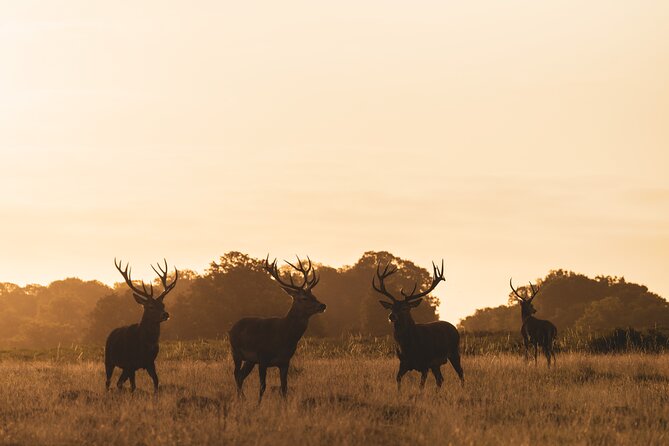
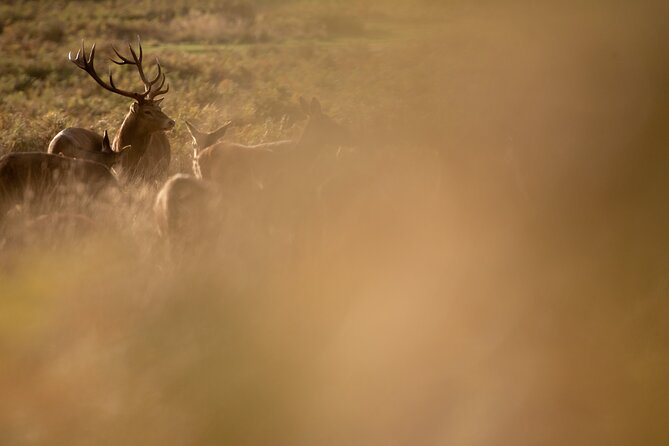
The workshop is designed around evening timing for better light. That matters for wildlife because the sun angle affects contrast, softness, and how easy it is to separate the subject from the background.
In the field, you’ll likely work through ideas like:
- how to position yourself so the light is not washing out the deer or blowing highlights
- how to use framing to keep the background from getting distracting
- how to adjust your approach when the animals move into different patches of light
This is also where experience levels can show. Beginners can easily get stuck on exposure settings. More experienced photographers often get stuck on gear settings, but not on the scene. A good workshop pushes you back to the scene first, then chooses settings that match it.
And yes, evening light can be a little unpredictable, because clouds and wind shift quickly. That’s another reason guided practice helps. You learn how to keep making good choices even when conditions move under your feet.
Camera Settings for Birds in Flight, Plus Real Wildlife Priorities
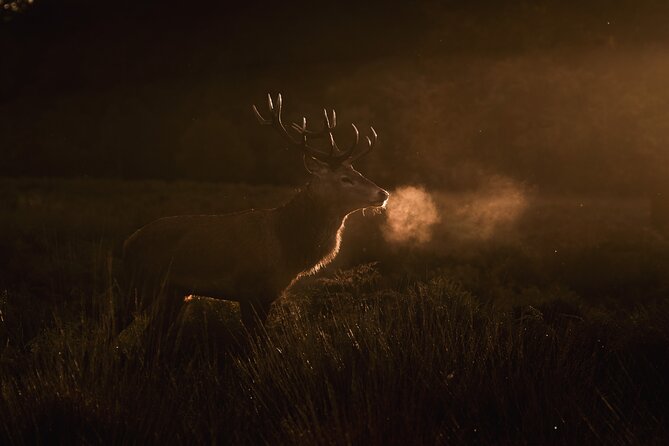
A standout detail from the experience is the attention to camera settings for fast action. One highlight mentions help programming manual settings for birds in flight, which is the kind of practical coaching that can save you from trial and error.
Even if you are mostly focused on deer, birds are often part of Richmond Park wildlife life. When you get instruction that improves your ability to handle motion, your whole photography experience gets better. You learn how to think in terms of shutter speed, focus behavior, and how your exposure choices interact with movement and background.
The workshop also emphasizes that wildlife photos are about priorities. You do not wait for the perfect moment and then freeze your brain. You watch what the subject is doing, and you decide what will produce a clean image: angle, distance, background, and timing. That’s how you get photos you actually feel proud of, not just images you took.
The Backdrops: Turning a Park into a Photo Set
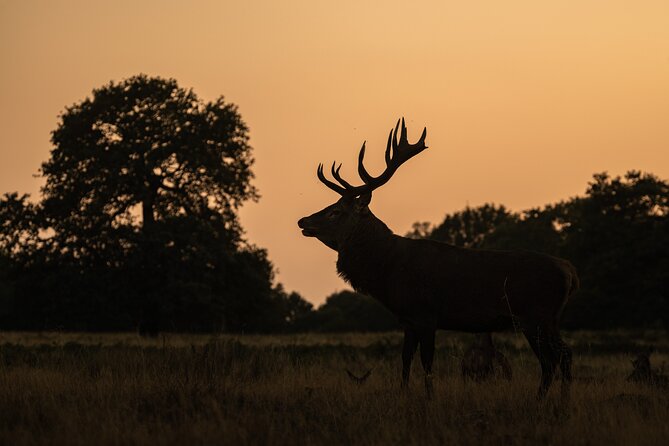
Richmond Park gives you built-in variety. You get scenes with silver birch stands, lone oaks, ferns, and lake views. That matters because wildlife photography quickly turns repetitive if your background is always the same.
Here’s what these backgrounds do for your images:
- Birch copses can create texture and vertical structure that frames subjects.
- Lone oak trees can work as a clean, recognizable shape, useful for both portraits and wider scenes.
- Ferns can add a natural lower frame, which helps the deer feel grounded in the setting.
- Water and lakes can add mood and reflections, if the light cooperates.
The guide’s job is not just to point at pretty places. It’s to show you why those places work and how to use them with your composition decisions. When you combine animal behavior with a background that supports your story, your photos start looking like they belong together.
Group Size, Pace, and How Much Help You Really Get
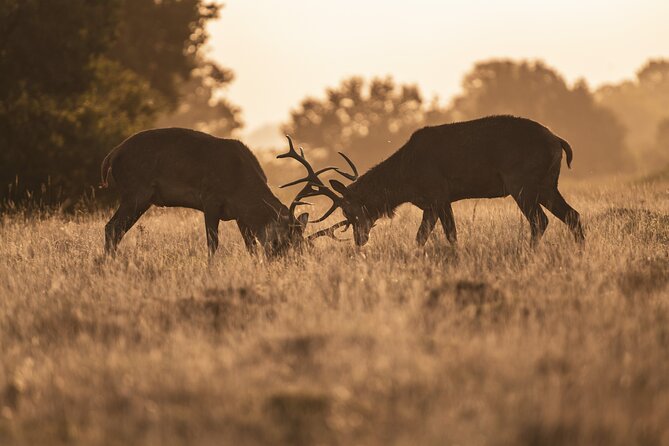
With a maximum group size of 8 travelers, you should expect more coaching than you would get in a larger tour. Wildlife photography is a hands-on hobby, so smaller groups usually mean you get targeted feedback. It also means the guide can help different people without losing the thread.
The pacing is built for a photography workshop, not a long hike. The session lasts about 3 hours, and you stay focused on getting images and learning how to improve them. If you are hoping for a gentle nature outing with serious instruction, this is closer to that than to a fast, production-line group photo walk.
You do need moderate physical fitness. That likely translates to walking around, finding spots, and standing for short bursts while wildlife shows up. Wear comfortable shoes and be ready to move when the guide suggests a new position.
Price and Value: Is $161.56 Worth It?
At $161.56 per person for around 3 hours, this is not a cheap activity. The value depends on what you want out of it.
If you want a casual stroll with a camera, you might feel the price. But if you want instruction you can apply right away, the cost starts to make sense. This workshop is built around in-the-field teaching with real wildlife, and the guide focuses on both technique and the mental side of photography.
Small-group size is part of that value. Fewer people means more chances to get your questions answered, and more chances to adjust your approach while you’re still in the shooting window.
You also get benefits that are hard to price: learning how to see backgrounds, how to anticipate animal behavior, and how to choose settings that fit the moment. If you have ever spent hours frustrated with results, targeted coaching often pays back quickly.
In short: it’s good value if you care about improving your photos, not just taking them.
Practical Caution: Gates Can Affect Your Exit
One concern that comes up clearly is getting out of Richmond Park. Some people reported trouble finding gates that were locked, after checking about gate closure time.
So do this: keep track of time during the workshop. When you finish shooting, do not drift. Use the route your guide expects, and if you get even a hint of confusion, ask right away rather than exploring. Richmond Park is big enough that a delayed exit can turn stressful fast, especially near closing.
This is not something you can fully control, but you can manage it. Plan a calm pace, stay with the group, and treat the exit as part of the experience, not an afterthought.
Should You Book This Wildlife Photography Workshop?
I think you should book this workshop if you want hands-on wildlife photography coaching in a place that actually delivers natural scenes. It’s a smart choice for beginners who need a clear path into camera settings and for experienced shooters who want better composition habits and more practical guidance for action moments.
You should also book it if you care about mindset. The emphasis on planning, not just shooting, is what helps your future photos improve. The evening timing adds another layer of value, since wildlife photography gets easier when the light is working with you.
Skip it, or at least go in with eyes open, if you hate walking around outside or you are very tight on timing for the park closing and exit routes. The gate situation can be a real factor. If you show up prepared and stay mindful of time, that risk drops a lot.
Bottom line: this is a focused, teach-you-in-the-field session in a great London wildlife setting, with small-group attention and practical coaching that can level up your deer and bird photos fast.
FAQ
Where does the workshop meet?
The meeting point is Queen’s Rd, Richmond TW10 6JJ, UK, and the activity ends back at the meeting point.
How long is the wildlife photography workshop?
It lasts about 3 hours.
What is the cost per person?
The price is $161.56 per person.
How big is the group?
The workshop has a maximum of 8 travelers.
What language is the workshop taught in?
The workshop is offered in English.
What will I photograph at Richmond Park?
You will focus on wildlife photography, with tutorials in front of the park’s Red and Fallow deer, plus chances to capture birds.
Is the workshop only for beginners?
No. The workshop covers photography basics and also helps enhance existing skills, so you are not limited to one experience level.
What happens if the weather is bad?
This experience requires good weather. If it is canceled due to poor weather, you will be offered a different date or a full refund.
Can I use a mobile ticket?
Yes, it uses a mobile ticket.
More Photo Walks And Shoots
Fresh off the notebook in London
- Witchcraft, Ancient Cults & MI15 Spy Secrets
★ 4.0 · 3 reviews - Arrival Transfer: London Train Stations to London Hotels
★ 5.0 · 3 reviews - Royal Afternoon Tea & Walk at Kensington Palace
★ 4.5 · 3 reviews - Bridgerton Tour in London
★ 5.0 · 3 reviews - Private Transfer from central London to Southampton Cruise Terminal
★ 5.0 · 3 reviews - Photographer, Professional Photo Shoot – London
★ 5.0 · 3 reviews
Workshops, compared.
 ★ 5.0Surf LessonFrom $62349 reviews
 ★ 5.0London Traditional English Scone Making and Tea WorkshopFrom $48271 reviews
 ★ 5.0Beginner Surf Lesson in Newquay, CornwallFrom $62215 reviews
 ★ 5.0Sea Kayak Lesson & Tour in NewquayFrom $83189 reviews
 ★ 5.0Private Surfing LessonFrom $138173 reviews
 ★ 4.5Chocolate Bar Making Workshop – York Cocoa WorksFrom $34170 reviews
 ★ 5.0Silver Ring Workshop in Kent, EnglandFrom $131102 reviews
 ★ 5.0Taster Surfing Lesson in BudeFrom $62101 reviews
Browse the lists this tour appears in