
REVIEW · BRITISH FOOD AND MARKET TOURS
Beginner Foraging Walk: Wild food walking tour & tasters
If you can spot nettles, you can start foraging. This beginner-friendly wild food walking tour on the Isle of Wight teaches you how to identify edible plants and fungi with local forager Joseph Thurbin, then you get to taste a few of the finds. It is practical, outdoorsy, and very approachable, even if you have never picked anything edible in your life.
I especially like the focus on easy identification and the way you learn to use your eyes plus basic field skills, not just gut feeling. I also enjoy the hands-on tasting part, because it turns theory into something you can actually picture at home. One consideration: it is a 2 mile walk and it is not for people with low fitness or mobility limitations, so you should treat it like a real country walk.
In This Review
- Wild Food for Beginners, Not a Fancy Course
- Key Highlights You Will Actually Use
- Starting at The Buddle Inn in Niton, and Why That Matters
- What You Learn About Plant and Fungi Identification
- The Foraging Walk: 2 Miles of Noticing, Not Rushing
- Tasting Wild Ingredients, the Part That Makes It Stick
- Photographing Plants and Fungi for Use at Home
- Timing, Distance, and What a Good Pace Feels Like
- Price and Value: What $33.67 Buys You
- Weather, Shoes, and What to Bring So You Enjoy It
- When the Isle of Wight Is Quiet, Foraging Still Works
- Who This Tour Is Best For
- Should You Book This Beginner Foraging Walk on the Isle of Wight?
- FAQ
- How long is the beginner foraging walk?
- Where do we meet, and where does the tour end?
- What should I bring with me?
- Is it suitable for children?
- Is it suitable for people with food allergies?
- Can I reserve and pay later, or cancel?
Wild Food for Beginners, Not a Fancy Course

This is the kind of tour where you leave with real confidence, not a folder full of names you will never use. The guide, Joseph Thurbin, leads you through the countryside near The Buddle Inn in Niton, pointing out edible species and showing you how to tell them apart in the wild.
The route is a solid beginner length: about 2 miles, usually around 1.5 hours total. You walk at a relaxed pace, but you do keep moving, and you will be stopping to look closely, take photos, and ask questions.
You also get a built-in reward system. As you go, you nibble on snacks made with wild ingredients. It is one thing to read about wild food. It is another to taste it while the plant or fungi is still fresh in your mind.
Undecided so far? Here are further England tours we have written up.
- British Motor Museum Entry Ticket in Gaydon★ 5.0 · 288 reviews
- Outdoor Rock Climbing Taster Day in Peak District★ 5.0 · 74 reviews
- Walking tour of Lancaster – Execution Slavery Industry★ 5.0 · 71 reviews
- Shared Gin, Vodka & Rum Making Experience at Nelson’s Distillery★ 5.0 · 64 reviews
Key Highlights You Will Actually Use
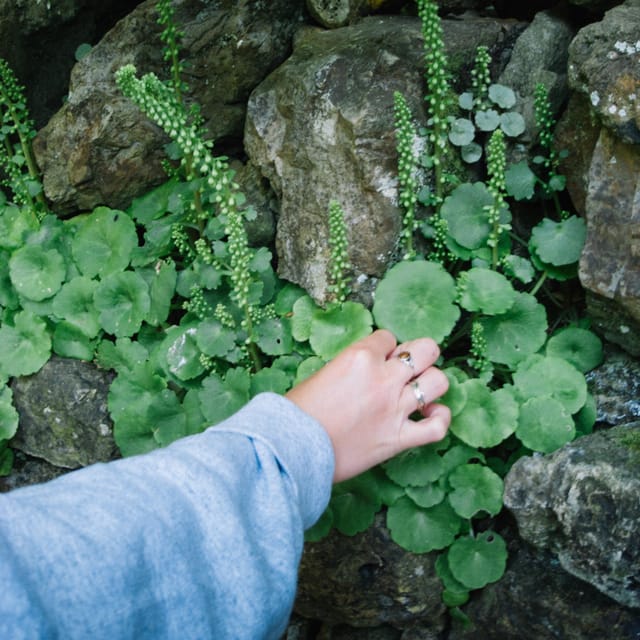
- Beginner plant and fungi ID, with practical guidance you can repeat later
- Joseph Thurbin making the walk friendly and question-friendly
- Tasters of wild ingredients, so identification connects to flavor
- Photo tips so you can track what you see and check yourself at home
- A scenic, calmer stretch of the Isle of Wight countryside around Niton
- A short 2 mile loop format that keeps the experience focused
Starting at The Buddle Inn in Niton, and Why That Matters
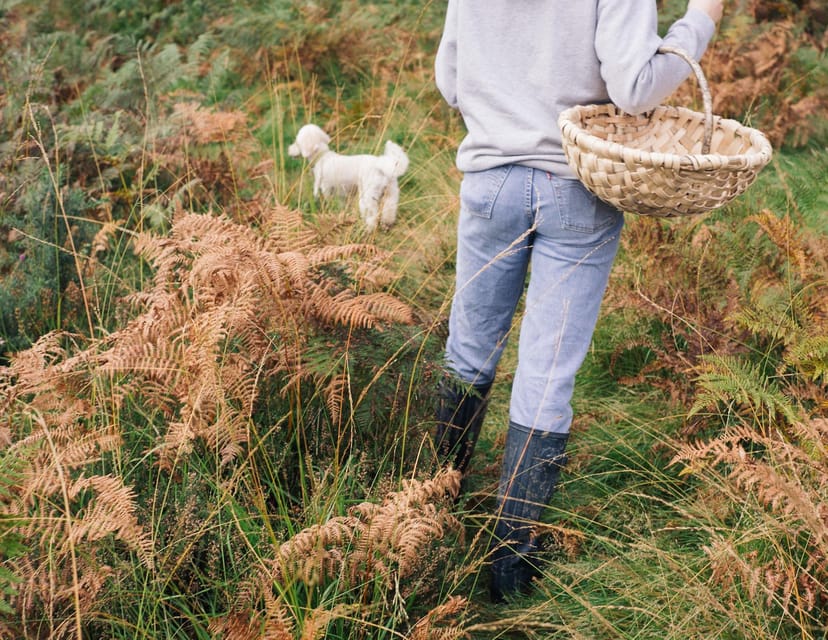
The tour starts at The Buddle Inn in Niton. You park in the large car park opposite the pub, and your guide carries a foraging basket. That detail matters because it makes the meeting point easy to find, and it sets the tone. You are not wandering around hoping to meet someone, you are heading straight to the start line.
The walk ends back at the meeting point. So you are not planning a second leg of transport, and you can think of it as a self-contained 1.5 hour outdoor lesson. If you are using public transport, the area is reachable via the Southern Vectis route 6, which helps if you do not want to drive.
Also, keep your expectations realistic. This is not a long hike. It is a guided foraging session on foot, with enough time to stop and learn, but not enough time to treat it like a scenic wander where you drift along taking photos the whole time.
What You Learn About Plant and Fungi Identification
The heart of the tour is identification, and the style is exactly what beginners need. You will learn the basics of how to identify wild edible plants and fungi, and you will practice spotting features that help you separate look-alikes. Instead of memorizing a list, you get strategies for how to look.
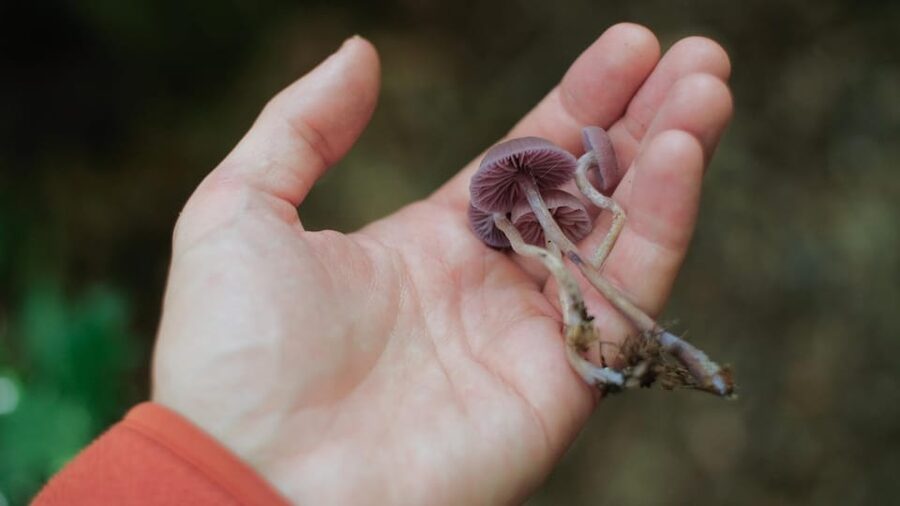
One of the most useful parts is that you are encouraged to photograph plants and fungi as you go. The guide also shares information on how to photograph them so you can identify them at home later. In other words, you are building your own reference notes, not just hoping memory will do the work.
From the experience perspective, this is also where Joseph Thurbin shines. People walk away feeling inspired to keep learning, and that usually comes from someone who can explain what to notice, then patiently answer questions when you hesitate. The most common beginner problem is second-guessing everything. This tour helps you do it smarter.
The Foraging Walk: 2 Miles of Noticing, Not Rushing
The walk itself is about 2 miles. In the field, that distance works well because you get enough time to see multiple edible species without turning it into an all-day event.
You can expect frequent stops. The guide will show you how to identify plants and fungi, then you will likely get a chance to look, ask, and compare details. This is where the “beginner” part becomes real. You are not being thrown into complicated foraging jargon. You are learning how to look at the world like a forager.
You will also be walking outdoors through typical British weather. So you want sturdy waterproof shoes and a raincoat. If you get cold or slippery, your attention goes away from the plants, and then the lesson loses some of its value.
One small but important mindset tip: treat each stop like a mini lesson. If you spend the walk jumping forward to the tastings, you might miss the ID skills that make the tastings click.
More on foot, at a pace you can hear the guide

Tasting Wild Ingredients, the Part That Makes It Stick
The included tasters are more than a snack break. They are the emotional link between identification and cooking. When you taste something while you are learning what it looks like, your brain tags it with meaning.
The tour includes nibbling on snacks made with wild ingredients. In my view, that is what separates a “look and learn” walk from a “start foraging yourself” experience. You are building a real-world connection to flavor and texture.
And yes, you might even get inspired to cook with things you previously overlooked. One person summed it up as wanting to eat more nettles, which is the kind of shift that happens when you realize wild food can be approachable.
You should also know who the tastings are not for. The tour is not suitable for people with food allergies, so if allergies are in the picture, you should skip this specific experience.
Photographing Plants and Fungi for Use at Home

You will not leave with a single magic photo and a perfect answer. But you will learn how to take helpful photos for later identification. That is a big deal for beginners, because the hardest part usually comes after the walk, when you try to remember what you saw.
The tour includes guidance on photographing plants and fungi so you can identify them at home. Use your phone like a field notebook. Take pictures that show the whole plant, then close-ups of key features the guide points out.
Also bring a notebook if you like writing things down, because notes plus photos is a stronger system than either one alone. If your phone is your only tool, make sure it is charged before you start. It sounds obvious, but a dead battery ruins a learning plan.
Timing, Distance, and What a Good Pace Feels Like
This tour runs for about 1.5 hours. That time window is long enough to cover multiple finds and practice identification basics, but short enough that you are not stuck in the rain for half a day.
The walk is about 2 miles. You still feel it on your legs, especially if the ground is damp or there are slippery patches. If you have low fitness, this is not the right fit.
I like the focus on a tighter time box because it keeps the group moving through lessons in a logical sequence. You learn, you look, you taste, you learn more, without the dead time that sometimes shows up on longer tours where the guide has to keep everyone engaged.
Price and Value: What $33.67 Buys You
At $33.67 per person for roughly 1.5 hours, you are paying for an expert-led field lesson plus included tastings. In value terms, that is fairly reasonable because you are getting guidance that would otherwise take a lot of trial, error, and safety checking.
What makes the cost feel fair is the combination of skills and outcomes:
- You learn the basics of plant identification for edible species
- You also learn how to identify wild fungi
- You get tastings made with wild ingredients
- You receive photo guidance so you can keep learning after the tour
If you are the kind of traveler who likes to take one practical skill home, this tour fits that style. If you only want a scenic walk with occasional commentary, you might find you are not getting enough pure sightseeing for the money. But if you want the skill, the price-to-impact ratio is solid.
Parking is not included if a fee applies, so if you drive, plan on that extra cost.
Weather, Shoes, and What to Bring So You Enjoy It
British weather has a sense of humor. Bring what keeps you comfortable so you can focus on the plants.
What to bring:
- Comfortable shoes (sturdy and waterproof is the smart move)
- Water
- Comfortable clothes
- A charged smartphone
No one wants to stop every five minutes to adjust boots or shake rain out of sleeves. If you keep yourself comfortable from the start, you will get more out of every teaching moment.
Also note what is not allowed. High-heeled shoes are out. Intoxication, alcohol, and drugs are not allowed. That policy keeps the foraging responsible and the group safe.
When the Isle of Wight Is Quiet, Foraging Still Works
One thing I love about this kind of tour is that it fights the idea that foraging is only a summer hobby. People have been surprised by how much can still be found even in January, and that tells you the guide knows how to work with what is available.
So if you are visiting in the cooler months, you should not assume the walk will feel pointless. Instead, expect the guide to show you what you can still spot and how to think about seasonality.
The practical takeaway for you: go with curiosity, not with a checklist of summer-only plants. The whole point is learning to notice the edible world around you, month by month.
Who This Tour Is Best For
This experience fits best if you:
- Are a beginner who wants structured instruction on identification
- Like hands-on learning, not just listening
- Want to taste what you are learning
- Enjoy taking photos and keeping notes for later practice
It is not suitable for:
- Children under 18
- People with low fitness
- People with mobility impairments or wheelchair users
- People with food allergies
If you fall into any of those categories, you will likely have a worse experience and should consider a different outing.
Should You Book This Beginner Foraging Walk on the Isle of Wight?
Book it if you want a practical skill you can use again after your trip. The guided identification, the included tastings, and the photo and note approach are exactly what turns a one-time walk into real learning. I also think it is a great choice for pairing with other Isle of Wight nature time, because you will be seeing plants with new eyes.
Skip it if you are looking for a purely leisurely stroll, or if allergies, mobility limits, or low fitness are issues for you. Also, if you already know a lot about foraging and want more advanced training, this may feel too introductory.
If you are on the fence, ask yourself one question: do you want to come home with confidence, not just photos? If yes, this is an easy yes.
FAQ
How long is the beginner foraging walk?
It lasts about 1.5 hours, and the route is around 2 miles.
Where do we meet, and where does the tour end?
Meet at the large car park opposite The Buddle Inn in Niton. The tour ends back at the same meeting point.
What should I bring with me?
Bring comfortable shoes, water, comfortable clothes, and a charged smartphone.
Is it suitable for children?
No. It is not suitable for children under 18.
Is it suitable for people with food allergies?
No. It is not suitable for people with food allergies.
Can I reserve and pay later, or cancel?
Yes. You can reserve and pay later. You can also cancel up to 24 hours in advance for a full refund.
More Eating And Drinking
More Of England On Foot

Fresh off the notebook in England
- A Walk through Tudor Ipswich Tour and Exploration Game
★ 4.5 · 3 reviews - Lincolnshire: ARK Wildlife and Dinosaur Park Entry Ticket
★ 4.2 · 3 reviews - 1 Hour Archery Experience in Hereford
★ 5.0 · 6 reviews - Beginner Foraging Walk: Wild food walking tour & tasters
★ 4.3 · 6 reviews - The Slow Food Capital of England: A Self-Guided Tour in Ludlow
★ 4.5 · 9 reviews - Private Deer Park Tour and Day Out in Leek
★ 5.0 · 18 reviews
British Food and Market Tours, compared.
 ★ 5.0London Bridge & Borough Market Food Tour with 7 Authentic DishesFrom $1131,972 reviews
 ★ 5.0London Foodie Adventure:More than 10 dishes with Sherpa Food TourFrom $105932 reviews
 ★ 5.0East London Indian Food Tour with 8+ Authentic Food TastingsFrom $135585 reviews
 ★ 5.0Manchester Cheese Crawl : Guided Food TourFrom $68559 reviews
 ★ 5.0London Borough Market & London Bridge Food TourFrom $119519 reviews
 ★ 5.0Ultimate London Cheese Crawl : Guided Food TourFrom $48515 reviews
 ★ 5.03-Hour Guided Manchester Food Tour with LunchFrom $124374 reviews
 ★ 5.0London Soho Food Tour with 7+ Tastings of Delicious Hidden GemsFrom $149366 reviews
Browse the lists this tour appears in