
REVIEW · CITY TOURS
City & Secrets: Explore London’s Hidden Gems
London has a second story.
This bike tour threads that other side through the City of London and the East End, mixing big landmarks with quieter, older streets. You’ll cover a lot fast on a hand-built British bike, and you’ll learn the why behind the sights from a local guide.
I especially like the route balance. You get iconic stops like Tower Bridge and the Tower of London, plus places most first-timers skip, like the Cable Street Mural and Roman-era London Wall sections. It’s a strong way to get your bearings fast without feeling like you’re sprinting between checkpoints.
One consideration: this is outdoors and ride time matters. You’ll want a moderate fitness level, and you should dress for weather since the tour runs in all conditions.
In This Review
- Key highlights to watch for
- Why a 4-hour bike loop is a smart way to see London
- From 2:00 pm Waterloo starts to Thames-side momentum
- Roupell Street and the King’s Arms pub, 1820s London in plain sight
- Blackfriars Bridge and the Cockpit, Church, gatehouse, and Shakespeare echoes
- St. Paul’s Cathedral and Bow Church, London’s major milestones
- Guildhall and Mansion House, medieval rules in modern government
- Leadenhall Market and the Lloyds of London contrast
- London Wall and the Cable Street Mural, ancient edges and modern protest
- Shadwell Basin, Tobacco Dock, and St Katharine Docks
- Tower Bridge, then Tower of London, history you can actually walk through
- HMS Belfast and City Hall, World War II to Norman Foster modernism
- St Dunstan in the East, the Monument, and Shakespeare’s Globe from Southwark Bridge
- Tate Modern as the final art stop after heavy London history
- Price and value: what $103.35 buys you, and what you still pay
- Who this is best for, and how to prep without stress
- Should you book City & Secrets: Explore London’s Hidden Gems?
Key highlights to watch for
- Waterloo to the docks and canals: a rare mix of Thames views and old working waterfront areas.
- Georgian and Victorian London in one loop: from Roupell Street to Victorian markets and churches.
- Hard-to-find photo stops: Cable Street Mural, London Wall segments, and Shadwell Basin.
- City of London traditions: Guildhall and nearby architecture tied to medieval-era rules.
- Guide-led context: stories that connect buildings, disasters, and war to what you see today.
More city runs, half day and full
- City Sightseeing London Hop-On Hop-Off Bus Tour & Bookable Extras★ 4.0 · 1,224 reviews
- Eating London: The Heart of ‘The City’ Food Tour★ 5.0 · 206 reviews
- Go City London Explorer Pass: 2-7 Things To do including Shard★ 3.5 · 155 reviews
- London Best of the City Fully Customized Guided Private Tour★ 5.0 · 146 reviews
Why a 4-hour bike loop is a smart way to see London
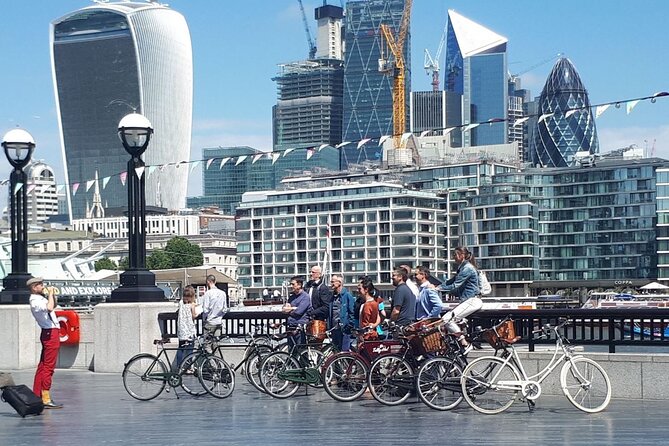
London can swallow time. On foot, you bounce between neighborhoods and spend a lot of energy just crossing from one “must-see” to the next. On this ride, you keep moving, and the pace is built for a half-day format.
The bike part is the real value for many people. You’ll get to pass the famous stuff quickly, but you’ll also slide through the backstreets and lesser-known monuments where you usually don’t wander. It’s ideal when you’re short on time or when you want a framework you can explore later.
Also, the group size stays small, capped at 12. That matters for navigation. A compact group is easier to guide, easier to hear, and easier to manage in tighter areas.
Finally, the tour includes practical items for London weather. You get a rain poncho if required, and helmet use is optional, not mandatory.
From 2:00 pm Waterloo starts to Thames-side momentum
You meet at 189 Hercules Rd, London SE1 7LD. Then the day starts with a roll from Waterloo and a follow-along of the Thames Riverfront toward the City of London.
This first stretch is about orientation. You’re not just “seeing London,” you’re learning how the river shaped the city’s layout and traffic patterns over time. You also get an easy setup period before the route tightens into the older streets.
If you’re the type who likes to understand where you are before you take photos, this portion is a good match. Even the short stops feel purposeful, like you’re being handed a map made of stories.
Roupell Street and the King’s Arms pub, 1820s London in plain sight
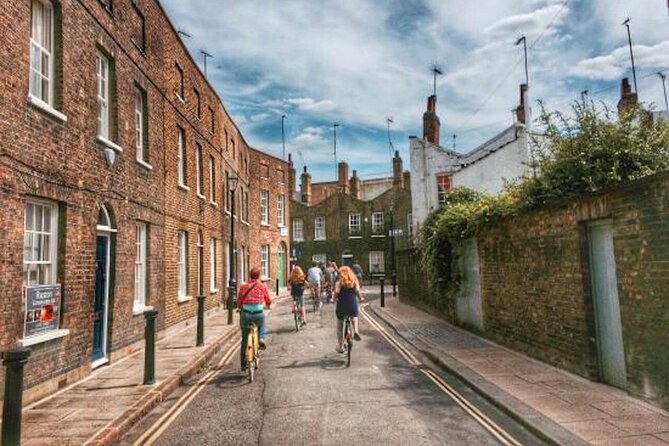
The ride begins with a stop at Roupell Street, a small, specific pocket of London that tells a big story. You’ll look at Georgian houses built for working-class life in the 1820s, including the connection to John Roupel and how naming issues even affected the area.
One of the most interesting parts here is how survival planning showed up in the built environment. You’ll hear why fire insurance and warnings were tied to the houses you see. Even after the area was almost burned down in 1829, and later bombed during WWII, the street still holds onto its layout.
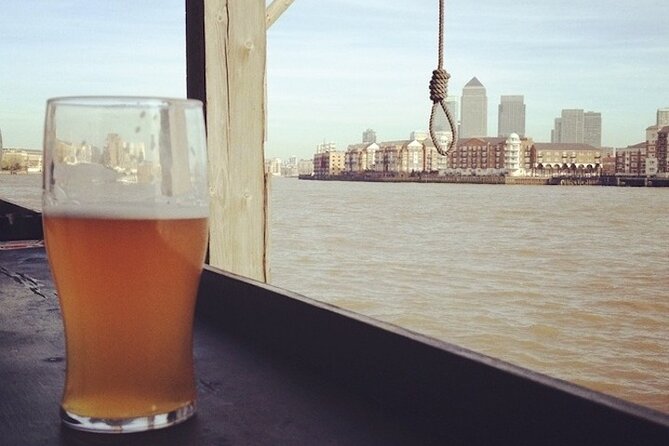
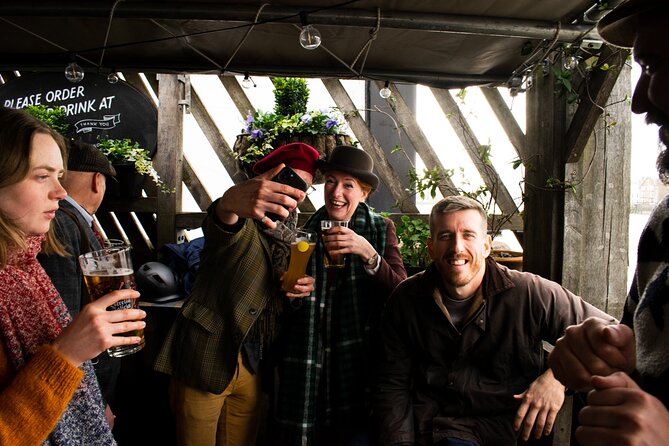
Then you visit The King’s Arms, a Grade II Victorian pub. It has 10 real ales, including local brews. The fun twist is that it’s also been a former undertaker’s and a magistrates’ court, and today it serves Thai cuisine.
Drawback to consider: this is a short stop, about 10 minutes, and food or a full drink order isn’t really the point. If you want a proper meal, plan it before or after the tour, since snacks and drinks aren’t included.
Blackfriars Bridge and the Cockpit, Church, gatehouse, and Shakespeare echoes
Next you cross to Blackfriars Bridge. The key detail you’ll hear is that it opened in 1869 under Queen Victoria. It also ties back to Dominican Friars, with the monastery memory worked into the bridge design. The tops of the support columns are shaped like pulpits in that connection.
This is a fast stop, around 5 minutes. But it’s exactly the kind of detail that makes the bike pace feel worth it. You’re not just riding past, you’re understanding why that structure looks the way it does.
Then comes The Cockpit pub area. The site connects to monastic houses and the Dominican Friars’ monastery here, and you also hear Shakespeare history. The story goes that Shakespeare bought the gatehouse and lived in the area.
Note: the stop at The Cockpit is short and the admission is not included. Plan to treat it as a photo and viewpoint pause rather than a ticketed museum moment.

St. Paul’s Cathedral and Bow Church, London’s major milestones
St. Paul’s Cathedral is a quick photo stop, around 5 minutes, and entry is not included. Still, it’s loaded with anchor facts that make your later sightseeing easier. You’ll connect it to major events like the wedding of Prince Charles and Lady Diana, Winston Churchill’s funeral, and the resting places of Wellington and Nelson.
You’ll also hear why the cathedral is a symbol of endurance. St. Paul’s dates back to 604 AD, its older versions were destroyed in the Great Fire of London in 1666, and Christopher Wren rebuilt it. Then WWII bombings tested it again, yet it remains.
After that, St. Mary Le Bow Church is another short stop (about 5 minutes). The big local clue is about the bells and the phrase tied to London identity. If you were born within the sound of the Bow bells, you’re a Cockney Londoner.
A practical tip here: bells can be a factor even when you’re not going inside. If you want a quiet listen, time your photos and glance around the street edges rather than trying to “hunt” for a perfect shot in the middle of traffic.
Guildhall and Mansion House, medieval rules in modern government
Guildhall is next, and it’s one of the places where the stories feel oddly specific. Entry is not included and it’s about 5 minutes, but you’ll hear about medieval traditions that still operate through the institutions tied to the City of London.
From there, you visit The Mansion House in the City of London area. The stop runs around 10 minutes. You’ll learn about the Lord Mayor of London’s home there and how the site’s importance reaches back to Roman times. You’ll also connect it to the wider financial world, including the Bank of England nearby.
Why this matters for your trip: if you only visit museums, London feels like a series of separate attractions. Stops like Guildhall and the Mansion House stitch it together. They show how older civic structures still influence how London works today.
Leadenhall Market and the Lloyds of London contrast
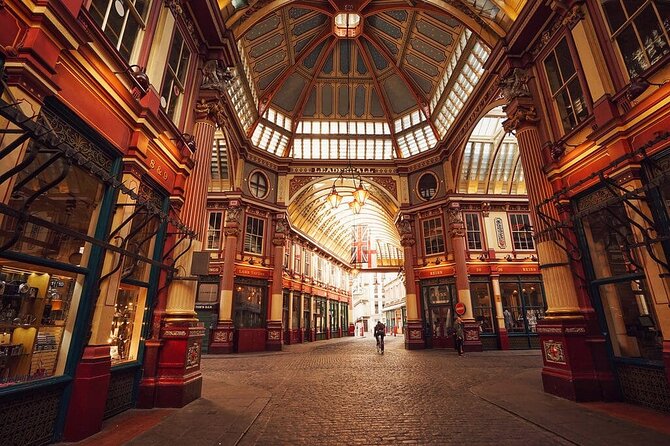
Leadenhall Market is about a 10-minute stop and admission is listed as free for the visit. It’s Victorian, designed by Sir Horace Jones, but it sits on a location linked to Roman times, including the Forum and Basilica.
Then you get a very practical payoff. You’ll hear about Harry Potter filming locations connected to the market, including Diagon Alley and the Leaky Cauldron. Even if you’re not into the films, it helps you recognize architectural details you might miss on your own.
After Leadenhall Market, you head to Lloyds of London, another 10-minute stop with admission free. Here the guide points out the architecture contrast around it, including the Cheesegrater and the Gherkin. You also hear about St Andrew Undershaft, a church tied to before the Great Fire of London.
This section is a good reminder that the City isn’t only old or only new. It’s a layered mix, and a bike route lets you see the transitions quickly.
London Wall and the Cable Street Mural, ancient edges and modern protest
London Wall is a quick 5-minute stop, admission free. You’ll see parts of the Roman wall of London, with segments built around 200 AD. Even from the street, it helps you picture how far back the city’s footprint stretches.
Then the tour shifts into a different kind of “London history” at the Cable Street Mural. This takes about 10 minutes and admission is free. The mural, completed in 1983, depicts the battle between fascists and protesters in 1936. It also highlights the area’s Jewish community history.
Why I like this inclusion: it broadens what people think “London history” means. It’s not only palaces and kings. It’s politics, neighborhoods, and conflict that shaped the city.
Shadwell Basin, Tobacco Dock, and St Katharine Docks
Next is Shadwell Basin, around 5 minutes with admission free. This is one of the original dock areas, and it ties to what was described as the busiest docks in the world about a century ago. You’ll learn how the area has been regenerated since the 1980s.
Then Tobacco Dock, about 10 minutes with admission not included. You’ll look at ornamental canal features and old tobacco warehouses, again connected to dockside history and redeveloped since the 1980s.
Finally, you reach St Katharine Docks. It’s about 5 minutes and admission not included. The story here is the timing of dock development: built in 1825 and later closing in the 1960s. You’ll also hear about St Katherine’s hospital founded in 1147 by Queen Matilda, tied to the Tower area.
Practical drawback: these are short viewing stops. If you want to do deeper indoor exploring, you’ll need to plan a separate visit. The value of these stops is mostly visual and story-based, not ticket-based.
Tower Bridge, then Tower of London, history you can actually walk through
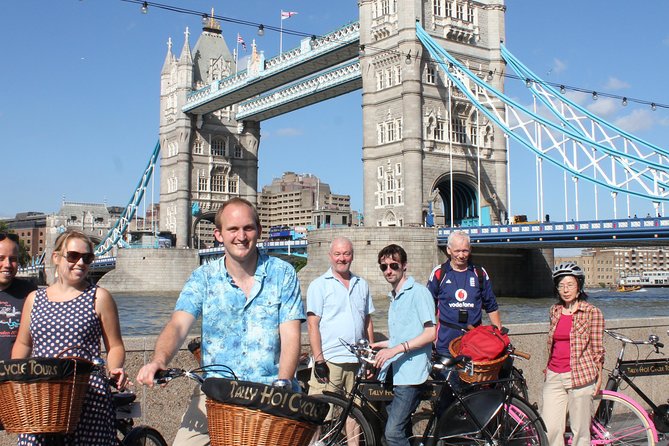
Tower Bridge is next, about 5 minutes, and admission is not included. You’ll see why it’s such an icon: it’s a combined bascule and suspension bridge with neo-Gothic towers and a central walkway. The bridge was completed in 1894, designed by Sir Horace Jones and engineered by Sir John Wolfe Barry.
You’ll also hear a very useful fact for photo timing. The bascules are raised around 800 times a year for tall ships, which is a big part of why it draws attention even when you already know it from postcards.
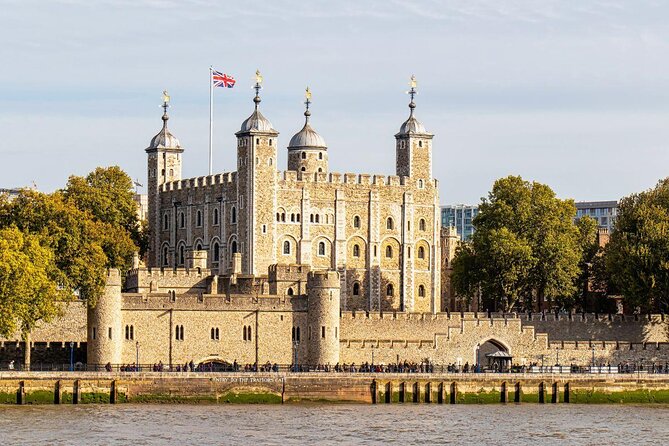
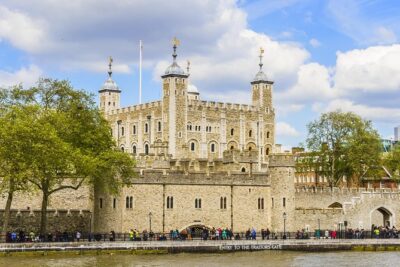
After that, you visit Tower of London. This stop is about 5 minutes, and admission is not included. The core story is Norman conquest era origins: built by William the Conqueror after 1066. It served multiple roles, including royal palace, menagerie, observatory, and armoury, but it’s most famous as a prison and execution site.
The guide’s stories connect specific people to that grim past, including William Wallace, Thomas More, Henry VI, Edward V, and Henry VIII’s wives Anne Boleyn and Catherine Howard. Today, you’ll also hear about the Crown Jewels, which are the must-see highlight for most visitors.
Real-world advice: since admission is not included, decide ahead of time if you want to pay for entry. If you do, build extra time elsewhere in your day, because this tour is mainly a guided overview and photo stop.
HMS Belfast and City Hall, World War II to Norman Foster modernism
HMS Belfast is about a 10-minute stop and admission is not included. You’ll hear that it’s a WWII cruiser class destroyer ship, built in the same shipyard that built the Titanic in Belfast. It protected convoys during WWII and the Korean War and was part of D Day landings on June 6, 1944.
Today, it’s described as a floating museum, and you’ll get a note about movie and TV crossover, including Netflix’s The Crown and the Royal Yacht Britannia interior resemblance.
Then you reach City Hall, about 10 minutes, admission not included. It’s the former City Hall of London designed by Norman Foster. This stop helps you transition from war-era history to modern architectural identity.
St Dunstan in the East, the Monument, and Shakespeare’s Globe from Southwark Bridge
St. Dunstan in the East is next, about 5 minutes and admission not included. You’ll stop in a quiet space even though the City around it is busy. The story ties back to the Great Fire of London destroying the original church in 1666, then Wren rebuilding it.
Then you see The Monument to the Great Fire of London. It’s about 5 minutes, admission not included, and it stands at 202 ft high. You’ll get the famous location link too: if laid on its side, the golden urn on top would land at Thomas Farriner’s bakery shop on Pudding Lane, where the fire started on 2 Sep 1666.
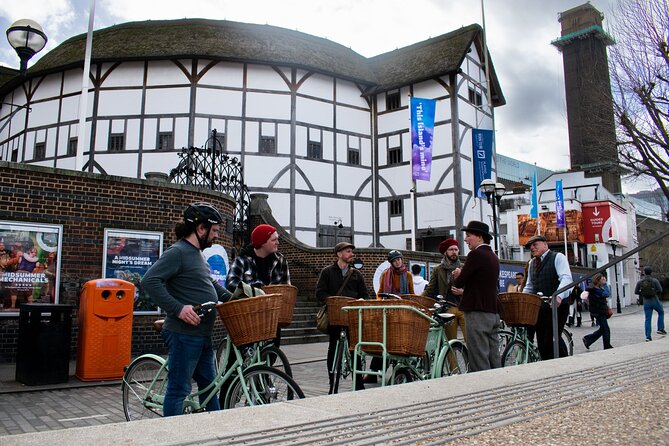
After that comes a view from Southwark Bridge, about 5 minutes. This is your Shakespeare moment from the river crossing. You’ll look toward Shakespeare’s Globe, described as a 1997 reconstruction of the original 1599 venue and tied to The Lord Chamberlain’s Men and classic debuts.
These stops are short, but the facts give you a mental map for later. When you do choose to visit the Globe or the Monument, you’ll already know what you’re looking at and why it matters.
Tate Modern as the final art stop after heavy London history
Your final major stop is Tate Modern, about 5 minutes, admission not included. It’s described as the world’s most-visited modern art gallery and it opened in 2000 after transforming a 1950s Bankside Power Station. You’ll hear about the twisted brick pyramid extension added in 2016, including a 10th-floor viewing gallery.
You’ll also learn the turbine hall plays host to changing commissions, and the building itself is presented as worth visiting even if you are not a die-hard art fan.
Why this ending works: you start with streets and disasters and war stories, then you finish with modern art and a repurposed industrial building. It’s a shift that helps your brain stop treating the day like a checklist.
Price and value: what $103.35 buys you, and what you still pay
At $103.35 per person for about 4 hours, this tour is priced like a guided transportation experience. You get a local guide, hand-built British bicycles, and a helmet is available (optional). You also get a rain poncho if required and can choose a tweed cap if that’s your thing.
Snacks and drinks are not included, so you should budget for water and some kind of pre or post snack. One of the best practical tips I’d follow here is to eat before you ride. A midday bike tour feels easier when you are not running on an empty tank.
One more budget note: several stops list admission as free, but several important ones list admission not included. That includes places like The Cockpit, St. Paul’s Cathedral, Tower Bridge exhibition access, Tower of London, HMS Belfast, and more. So you might walk away with great photos and stories, but if you want to actually enter the big attractions, plan extra money and extra time.
Worth it? For me, the value comes from compression. You’re seeing a wide spread of areas and learning how they connect, without spending all afternoon on logistics.
Who this is best for, and how to prep without stress
This tour fits best if you want an efficient London introduction, especially if you are a first-time visitor or you have limited time. The bike route is built to cover more sights in less time, and the guide stories turn quick stops into something you can remember.
It also helps if you like mix-and-match. You get Georgian street details, Victorian and Roman-era layers, WWII ship history, and modern art. That variety makes the day feel less like repetition.
You’ll want moderate physical fitness. It is a bike tour, so even short stop times can add up in movement. Also, riders must be aged 13 years and over.
For what to bring:
- Wear layers and expect rain. The tour operates in all weather conditions.
- Plan for optional helmet use, and follow guide guidance.
- Bring a plan for food since snacks and drinks are not included.
And because the tour includes references to history and stories that some might find disturbing, keep expectations in the right place. It’s not all cheerful London postcard material, and that’s part of the point.
Should you book City & Secrets: Explore London’s Hidden Gems?
I’d book it if you want a structured half-day that gives you both orientation and context. The small group size, the bike advantage, and the guide-led stories make it an easy “base layer” for the rest of your trip.
Skip it if you are only interested in one or two major indoor attractions and you want lots of time inside those places. The stops are short, and several entrances are not included, so you would be paying for quick looks and then heading elsewhere.
If you fall in the middle, the best approach is to treat this as your guided overview. Do the bike route for the big picture, then come back later on foot or by transit for the specific sites you want to spend real time in.
More City Runs In London



Fresh off the notebook in London
- Private Rock ‘n’ Roll Music Tour of Central London
★ 5.0 · 7 reviews - London Walking Tour: Camden Town Photography Walkabout
★ 5.0 · 7 reviews - Private Transfer from London accommodation to Cruise terminal
★ 5.0 · 7 reviews - Amazing Nightlife in London East Tour
★ 4.5 · 7 reviews - The British Museum: a highlights tour with a TV historian
★ 5.0 · 7 reviews - Heathrow Airport to Cambridge private taxi transfers
★ 5.0 · 7 reviews
City Tours, compared.
 ★ 5.0Liverpool: “Blue Route” – City & Beatles TourFrom $278,562 reviews
 ★ 5.0The Manchester City Stadium TourFrom $354,176 reviews
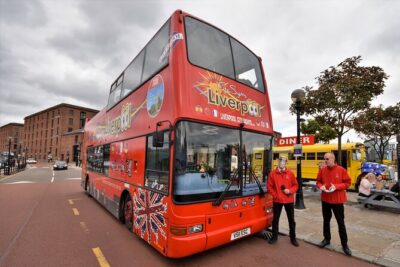 ★ 4.5Liverpool City Sights Hop On Hop Off City Tour – 24hr TicketFrom $192,555 reviews
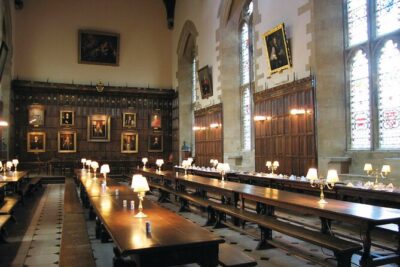 ★ 4.51.5-hour Oxford City and University Walking TourFrom $381,383 reviews
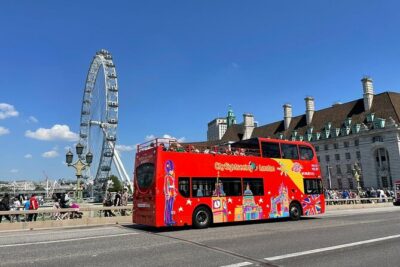 ★ 4.0City Sightseeing London Hop-On Hop-Off Bus Tour & Bookable ExtrasFrom $371,224 reviews
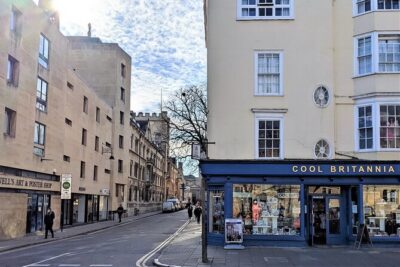 ★ 5.0Oxford Official University & City TourFrom $411,134 reviews
 ★ 4.5City Sightseeing Oxford Hop-On Hop-Off Bus TourFrom $271,042 reviews
 ★ 4.5Roman Baths and Bath City Walking TourFrom $35762 reviews
Browse the lists this tour appears in