
REVIEW · BRITISH FOOD AND MARKET TOURS
Eating London: The Heart of ‘The City’ Food Tour
London eats where most tourists hurry past. This small-group City of London food tour pairs guided walking with stops that explain how the area became London’s historic power center. You’ll also end at Leadenhall Market, a great payoff after a focused afternoon of tastings and stories.
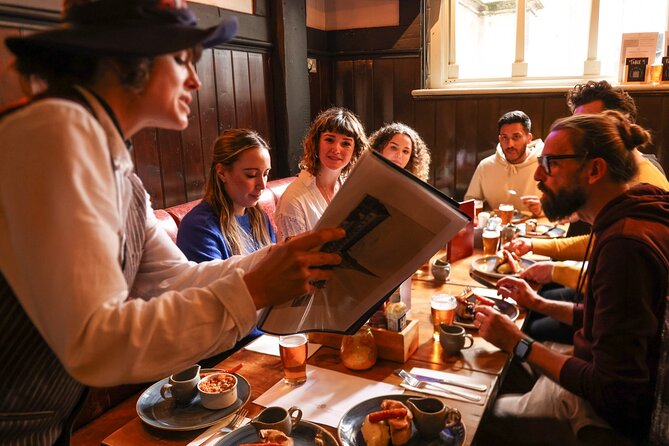
I really like the small, capped group feel. It keeps the pace relaxed, and it gives your local English-speaking guide room to answer questions. I also like the food mix, because it leans into recognizably British places, not just generic tourist plates.
One thing to consider: food selections vary by day and season, and the tour cannot accommodate severe, life-threatening allergies. If that’s your situation, you’ll want to check carefully before booking.
In This Review
- Key highlights worth circling
- The City of London focus, and why it matters for your day
- Meeting at Captain John Smith, then settling into a smart 3-hour route
- Ye Olde Watling on Watling Street: an old-road pub with St Paul’s ties
- Sweetings, London’s oldest fish restaurant, and why seafood works here
- Explaining the City of London, then walking through the layers you see
- Royal Exchange and Buns From Home: a pandemic story inside a trading landmark
- The Counting House in EC3: a 19th-century bank with a real safe behind the bar
- George and Vulture: the oldest chophouse, Dickens, and that historic bar bill
- Harry Potter footsteps, Shakespeare echoes, and Roman ruins on one walk
- Finishing at Leadenhall Market: your “one more bite” moment
- Price and value: what $131.95 really buys in a 3-hour tour
- Who this tour suits best, and who should look elsewhere
- Should you book Eating London: The Heart of the City Food Tour?
- FAQ
- How long is the Eating London: The Heart of The City Food Tour?
- Where does the tour start and end?
- What time does the tour begin?
- Is this a small group?
- Does the tour include the food, and can kids join?
- Are dietary needs accommodated?
- Is the tour ticket mobile?
- Do I pay extra for stop admissions?
Key highlights worth circling
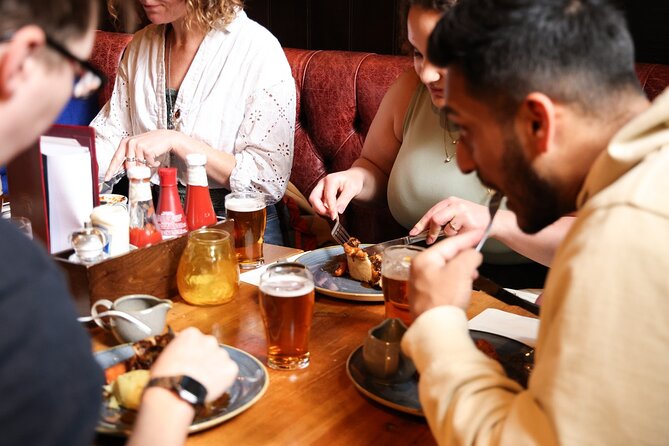
- Maximum 12 travelers means easier conversation and a calmer walk through the City
- London-only food stops like Ye Olde Watling and Sweetings (built on real local reputations)
- City of London context, not just sightseeing, with explanations of what makes a true Londoner and what the City is
- Literature and pop-culture links, from Dickens-style bar lore to Harry Potter filming locations
- Dietary help when possible, with vegetarian and gluten-free accommodations attempted where you book ahead
Hungry still? More market and food walks
- London Bridge & Borough Market Food Tour with 7 Authentic Dishes★ 5.0 · 1,972 reviews
- London Foodie Adventure:More than 10 dishes with Sherpa Food Tour★ 5.0 · 932 reviews
- East London Indian Food Tour with 8+ Authentic Food Tastings★ 5.0 · 585 reviews
- London Borough Market & London Bridge Food Tour★ 5.0 · 519 reviews
The City of London focus, and why it matters for your day
This tour stays inside the City of London, not the wider tourist map most people default to. That matters, because the City has its own identity, old boundaries, and power history that shaped how London grew. You get the feeling of moving through a place with rules and traditions, where medieval streets meet Roman traces and medieval markets.
You also get a quick, useful orientation on the difference between the City of London and Greater London. Even if you already read about London, this kind of on-foot context helps it click. Instead of memorizing facts, you understand what you’re looking at and why it became important.
The best part is how the food ties to place. The stops are chosen because they connect to the City’s story, whether that’s the roads that supported major building projects or taverns tied to famous authors. It feels like you’re eating your way through a map.
Meeting at Captain John Smith, then settling into a smart 3-hour route
You start at Captain John Smith, London EC4M 9DQ, at 1:15 pm, with the tour ending at Leadenhall Market, London EC3V 1LR. The timing is good for travelers who want a real afternoon plan without burning the entire day on transportation and lines.
The route is paced around quick, focused visits. Most stops are around 10 to 20 minutes, which keeps you from feeling stuck in one location too long. At the same time, you’re not sprinting from photo spot to photo spot. Your guide gives you the “why” behind what you see, then you move on to the next taste.
Another practical win: you’ll have a mobile ticket, and the tour is near public transportation. That makes it easier to plug into an already busy day, especially if you’re staying in central areas.
Ye Olde Watling on Watling Street: an old-road pub with St Paul’s ties
One of the first stops is Ye Olde Watling, a historic pub on one of Britain’s oldest roads. This is one of those locations where the setting itself explains the atmosphere. You’re stepping onto the kind of street that mattered for moving people and materials, including the builders associated with St Paul’s Cathedral.
What I like about this kind of stop is that it’s not just a pub you drink in. It’s a story you can taste. And yes, the food selection here is described as a classic British style, with the steak and ale pie getting a special mention. If you like hearty pub food, this is the moment to lean in.
A possible drawback: pubs can be lively, and you might have a little background noise depending on the time and crowd. If you’re the type who likes quiet conversations, consider asking your guide a question early at this stop so you get the information while it’s easiest to hear.
Sweetings, London’s oldest fish restaurant, and why seafood works here
Next up is Sweetings, described as London’s oldest fish restaurant, with roots in the 1800s. That longevity gives the place credibility. It also changes how you experience the tasting, because you’re not eating a trend. You’re sampling food in a long-running City institution.
This stop also comes with a strong “food culture” angle. Sweetings is noted as a favorite of famous chefs and writers including Anthony Bourdain, Fergus Henderson of St John, and Jamie Oliver. Even if you’re not a superfan of those names, it signals that the restaurant’s appeal went beyond local tradition.
Why this works on a City of London tour: seafood feels like a shift after pub comfort food, and it reminds you that London’s food history isn’t only meat and pastry. The flavors tend to be more direct, and it helps you keep your attention on what you’re tasting while your guide connects it back to the City’s past.
More city runs, half day and full

Explaining the City of London, then walking through the layers you see
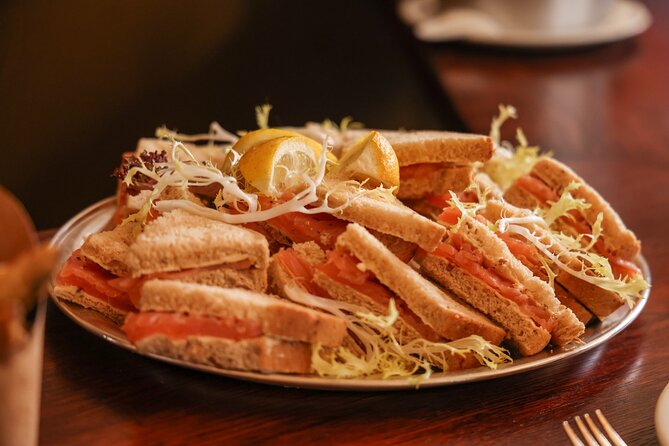
At one point, you’ll pause to understand the City of London versus the wider London experience, and what marks a real Londoner as you marvel at medieval buildings, historic markets, and Roman ruins. This is the kind of segment that makes the whole tour feel smarter.
Instead of treating buildings as backdrops, you get a framework for reading them. Medieval architecture makes sense when you understand the City’s long continuity. Roman ruins make sense when you realize this area was a power center long before modern London’s skyline.
If you like history but hate lectures, this portion is a good middle ground. Your guide doesn’t just give dates. They help you connect visible details to the bigger story of why this area became the City it is.
Royal Exchange and Buns From Home: a pandemic story inside a trading landmark
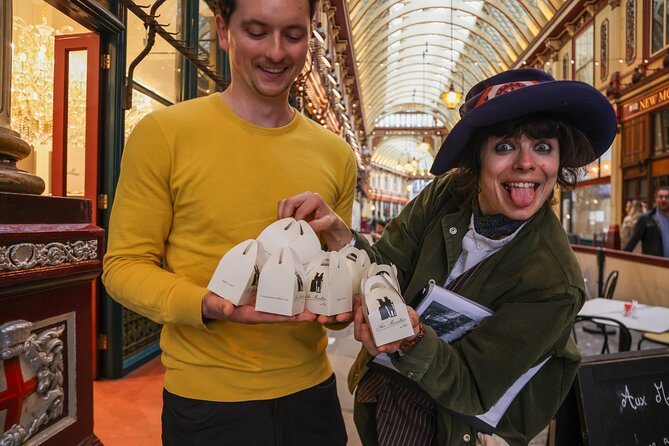
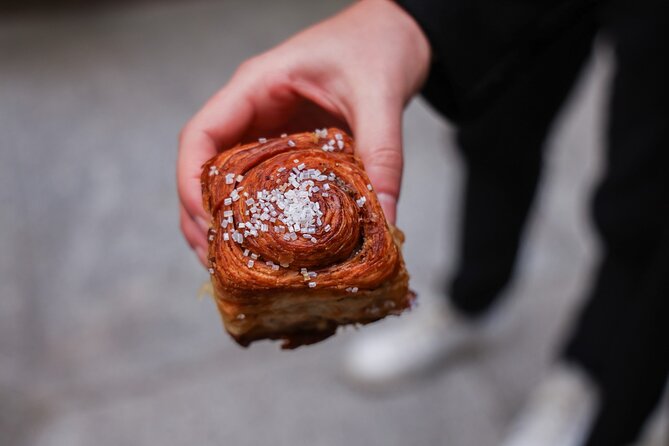
Royal Exchange Building is a highlight for a very specific reason: it houses Buns From Home, described as a lockdown success story now located in a landmark tied to London’s spice and sugar trade. That connection is bigger than it sounds.
The Royal Exchange is the kind of building that instantly signals commerce and influence. When your guide points out the spice and sugar trade history, you start seeing today’s London food culture as a long chain of global ingredients, shipping routes, and economic power. The “controversial history” angle matters too. It keeps the story honest, not just cute.
What makes this stop valuable for you: it gives context for why certain flavors became London staples and why trade shaped who had access to what. And you get a food moment to anchor that context, so it’s not only a lecture beside a famous building.
The Counting House in EC3: a 19th-century bank with a real safe behind the bar
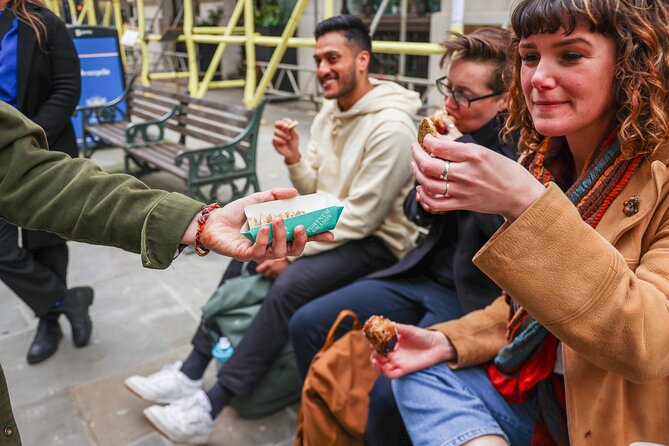
The Counting House stop is built for the visual imagination. This is a 19th-century bank now used as a hotel, bar, and restaurant, with high ceilings and a luxurious look. The detail that gets people talking is the real-life safe behind the bar. It’s described as feeling like stepping into Gringotts, and you can understand why once you’re there.
Why I think this stop works on a food tour: it reinforces the City theme of money, finance, and the physical spaces where power happened. Even if you’re not a finance person, your brain understands a “bank” room faster when it looks like a real vault and not a museum set.
Practical note: bars can get noisy. If you want a calm chat with your guide, you’ll have an easier time if you pay attention early in the stop, then let the atmosphere do its thing. This isn’t meant to be a long sit-down meal anyway, and the pacing supports that.
George and Vulture: the oldest chophouse, Dickens, and that historic bar bill
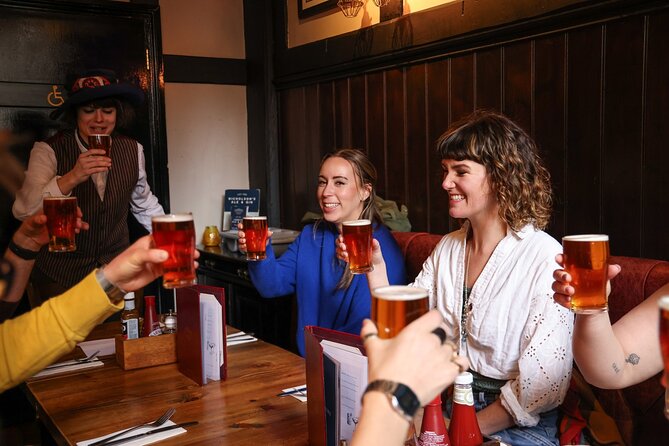
Next comes George and Vulture, tucked down a back alley. It’s described as the oldest chophouse in London, with history dating back to the 1700s. The connection to Charles Dickens is a major selling point. It’s noted as a favorite of Dickens, associated with the idea of Scrooge having supper in A Christmas Carol, and there’s even mention of the bill from a party Dickens had there.
What I love here is the mix of food, authorship, and objects you can point to. Instead of only hearing names, you get the sense of how writing and everyday life overlapped in the City. That makes the tasting feel like part of a larger cultural scene.
Is it for everyone? If you strongly dislike meat-forward chophouse styles, you’ll want to ask ahead about substitutions. The tour says dietary requirements can be accommodated where possible for vegetarian and gluten-free guests, but severe allergies are not supported safely. If you have any allergy constraints, plan your booking around that.
Harry Potter footsteps, Shakespeare echoes, and Roman ruins on one walk
The tour also plays in the Hollywood sandbox without losing the old-world spine. You’ll walk in the footsteps of William Shakespeare and Roman soldiers as you enjoy medieval buildings, then later you’ll see one of the filming locations from the first Harry Potter film.
That combination can work surprisingly well. Shakespeare and Roman references keep the tour grounded in London’s long timeline, while Harry Potter gives modern momentum. The effect is you’re not just collecting trivia. You’re seeing how the City keeps generating new stories on top of old foundations.
If you’re a Harry Potter fan, this stop alone can justify the walk. But even if you’re not, it’s a fun way to break up history segments with something concrete you can recognize. And it naturally leads to the final payoff at Leadenhall Market.
Finishing at Leadenhall Market: your “one more bite” moment
The tour ends at Leadenhall Market, London EC3V 1LR. It’s a sensible finishing location because it’s easy to continue your day without backtracking. You can use the market as your transition point to explore more on your own, grab dessert, or head toward your next neighborhood.
One practical tip: this tour is designed to leave you wanting to explore. If you plan to catch dinner nearby, consider keeping some space. The tastings are meant to be substantial enough to feel worth it, and you’ll likely find yourself naturally curious about what else is around you.
And since the tour ends at a central, easy-to-find spot, you don’t have to worry about closing your afternoon with a confusing last leg.
Price and value: what $131.95 really buys in a 3-hour tour
At $131.95 per person for about 3 hours, this is not a bargain snack crawl. It’s priced like a guided experience with several purposeful stops and a local guide who ties food to place.
Here’s what you’re paying for, based on the structure:
- Multiple food stops across City institutions, including a historic fish restaurant and a traditional pub
- Guided storytelling built around the City’s medieval, Roman, and trading past
- Included insider tips tied to what you’re seeing and eating
- No separate admission fees at key stops, since listed admissions at the tour’s stops are free
You also avoid a common hidden cost trap with pub and restaurant tours, where you pay for “small bites” but then get hit with extra charges for entry fees or entertainment. This tour keeps the spotlight on food and context, with extra drinks not included and tips not included.
One more value factor: the tour is capped at 12 travelers. That group size tends to make the guide feel more present, not buried in a crowd. It’s easier to ask a question, and it helps the walk feel like a shared afternoon rather than a logistics exercise.
Who this tour suits best, and who should look elsewhere
This works especially well if you want:
- A focused City of London experience without trying to research it yourself
- A guide who connects food to St Paul’s, Dickens, and the City’s trading history
- A small-group pace with multiple stops instead of one big meal
It may not fit if:
- You need a tour that can safely handle severe, life-threatening allergies, since the tour is not suitable for that
- You prefer your food experiences to be purely modern and experimental, because the tour leans traditional and historically anchored
- You’re looking for a long sit-down dining event, since it’s structured around short stops and tastings
Also, if you travel with kids, note that children under 4 do not need a ticket, but food is not included for them. Paid tickets with food included are for ages 4 and up.
Should you book Eating London: The Heart of the City Food Tour?
I’d book this if you’re spending time in London and want an afternoon that feels both authentic and organized. The mix of places, from Ye Olde Watling to Sweetings and George and Vulture, gives you a believable slice of what the City has eaten for a long time, while the Royal Exchange and Counting House stops explain the forces that shaped London’s power.
It’s also a smart choice if you like your guide to make connections, not just point at monuments. This tour uses food as the anchor, so the history sticks without turning into a lecture.
If your dietary needs are strict or allergy-related, read the safety note carefully. If not, plan on coming hungry, wear shoes you trust for a City walk, and give yourself a little time to linger after you finish at Leadenhall Market.
FAQ
How long is the Eating London: The Heart of The City Food Tour?
It runs for about 3 hours.
Where does the tour start and end?
The tour starts at Captain John Smith, London EC4M 9DQ, and ends at Leadenhall Market, London EC3V 1LR.
What time does the tour begin?
The start time listed is 1:15 pm.
Is this a small group?
Yes. The tour has a maximum of 12 travelers.
Does the tour include the food, and can kids join?
Children under 4 can join for free and do not need a ticket, but food is not included for them. Paid tickets with food included are available for ages 4 and up.
Are dietary needs accommodated?
The tour says it can accommodate vegetarians and gluten-free guests where possible if you email or add a note at booking. It is not suitable for those with severe or life-threatening food allergies.
Is the tour ticket mobile?
Yes. A mobile ticket is included.
Do I pay extra for stop admissions?
The stop details list admission as free for the listed locations on the itinerary.
If you want, tell me your dates and any dietary needs, and I’ll help you sanity-check whether this timing and format fits your London plan.
More Eating And Drinking





More City Runs In London



Plates And Stalls Across London

Fresh off the notebook in London
- Private Rock ‘n’ Roll Music Tour of Central London
★ 5.0 · 7 reviews - London Walking Tour: Camden Town Photography Walkabout
★ 5.0 · 7 reviews - Private Transfer from London accommodation to Cruise terminal
★ 5.0 · 7 reviews - Amazing Nightlife in London East Tour
★ 4.5 · 7 reviews - The British Museum: a highlights tour with a TV historian
★ 5.0 · 7 reviews - Heathrow Airport to Cambridge private taxi transfers
★ 5.0 · 7 reviews
British Food and Market Tours, compared.
 ★ 5.0London Bridge & Borough Market Food Tour with 7 Authentic DishesFrom $1131,972 reviews
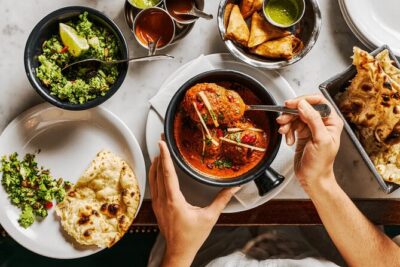 ★ 5.0London Foodie Adventure:More than 10 dishes with Sherpa Food TourFrom $105932 reviews
 ★ 5.0East London Indian Food Tour with 8+ Authentic Food TastingsFrom $135585 reviews
 ★ 5.0Manchester Cheese Crawl : Guided Food TourFrom $68559 reviews
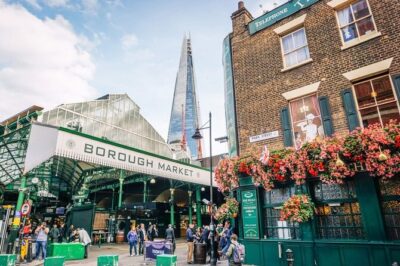 ★ 5.0London Borough Market & London Bridge Food TourFrom $119519 reviews
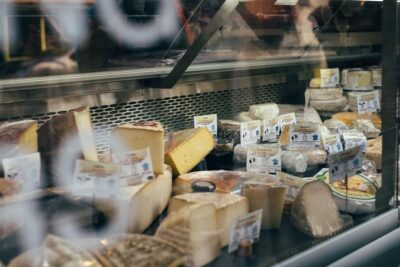 ★ 5.0Ultimate London Cheese Crawl : Guided Food TourFrom $48515 reviews
 ★ 5.03-Hour Guided Manchester Food Tour with LunchFrom $124374 reviews
 ★ 5.0London Soho Food Tour with 7+ Tastings of Delicious Hidden GemsFrom $149366 reviews
Browse the lists this tour appears in