
REVIEW · WESTMINSTER AND PARLIAMENT TOURS
Palaces, Parliament & Power: A Walking Tour of London’s Royal City
Power hits hard along London’s royal corridor. In about two hours, this small-group walk connects royal and political landmarks across a 1,000-year sweep, with lively storytelling that goes past the usual postcard facts. I love how you get your bearings fast, and I really like that the route is built for time-crunched first-timers. One thing to plan for: most highlights are viewed from the outside, and entrance fees are not included.
You start near the Thames at Golden Jubilee Bridges, then head through Whitehall, Westminster, and St. James’s area, finishing outside St. James’s Palace close to Green Park Station. The mobile ticket keeps things simple, and the max group size of 15 means you are not lost in a crowd.
If you want a royal-city orientation walk that feels like conversation and not a lecture, this is an easy yes.
In This Review
- Key things to know before you go
- Two hours of royal and political London, packed but not chaotic
- Victoria Embankment, then Whitehall’s palace leftovers
- Downing Street and the ceremonial route of control
- Parliament’s center, plus the medieval thread people miss
- Westminster Abbey: where royalty and the public story meet
- Churchill War Rooms: power under pressure
- St. James’s Park: the break that makes the royal sights feel real
- Buckingham Palace view: what to look for on an outside stop
- St. James’s Palace to the finish: the royal power map clicks
- Does $19 feel like a good deal?
- Who this tour suits best
- A guide can make or break the day
- Practical tips to get more out of the walk
- Should you book Palaces, Parliament & Power?
- FAQ
- What is the duration of the tour?
- How much does the tour cost?
- How many people are in the group?
- What is the meeting point?
- Where does the tour end?
- What time does the tour start?
- Do I need to pay for entrances?
- Do I get a ticket on my phone?
- Are service animals allowed?
- Is free cancellation available?
Key things to know before you go
- Small-group size (max 15) for better pacing and easier questions.
- Royal + political mix: palaces, Parliament, and war history in one loop.
- Thames start at Victoria Embankment, a calm opening before the power sites.
- Outside viewing focus keeps the tour moving, with no surprise ticket lines.
- Finish near St. James’s Palace so you are well placed for parks and museums after.
The Westminster end of town, walked a few ways
- Westminster to Greenwich Sightseeing Thames Cruise in London★ 4.5 · 2,969 reviews
- London’s Palaces & Parliament Tour (See Over 20+ London Top Sights)★ 5.0 · 1,609 reviews
- Walking Tour of London Westminster Abbey, Big Ben, Buckingham★ 4.5 · 1,213 reviews
- Westminster 3 Hour Walking Tour and Visit of Churchill War Rooms★ 5.0 · 967 reviews
Two hours of royal and political London, packed but not chaotic
London can feel like a blur of streets and statues. This tour is designed to fix that problem. You walk a tight, sensible route through the official heart of the city, where the past keeps showing up in the present.
The value is not just that you see major landmarks. It is that the connections between them are explained clearly, so you leave with a mental map. That matters when you only have limited time and you want your next stops to make sense.
With about 2 hours on the clock, the pacing is brisk but purposeful. You are not stuck waiting at every corner, and the group stays small enough that the guide can keep attention focused.
Victoria Embankment, then Whitehall’s palace leftovers
You begin at 9152 Golden Jubilee Bridges, right by Victoria Embankment. It is a smart first move. You get a Thames-facing moment before you plunge into the buildings that have shaped British power.
At Victoria Embankment, you get the visual context: the river as the city’s historic highway, and the way London’s government district grew up along routes people could actually reach. It also sets a relaxed tone, which helps when the rest of the walk gets more serious.
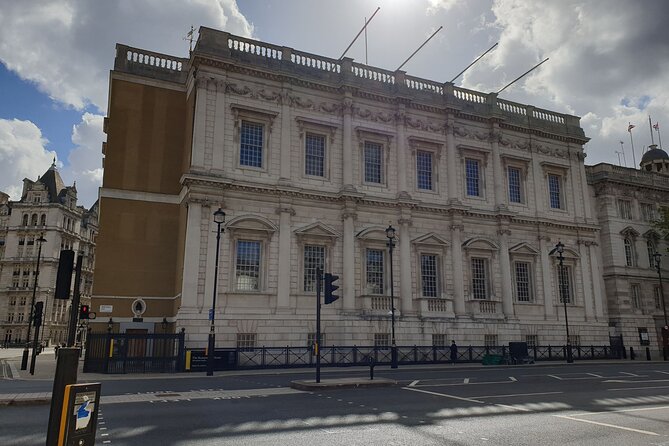
Next comes the Banqueting House, the only major surviving part of the Palace of Whitehall. This stop is a great example of how the tour teaches you to read architecture. Even if you are not an art expert, you can spot what is old, what is missing, and what survived for a reason. The practical catch is simple: admission is not included, so if you want to go inside, you would need separate plans.
Downing Street and the ceremonial route of control
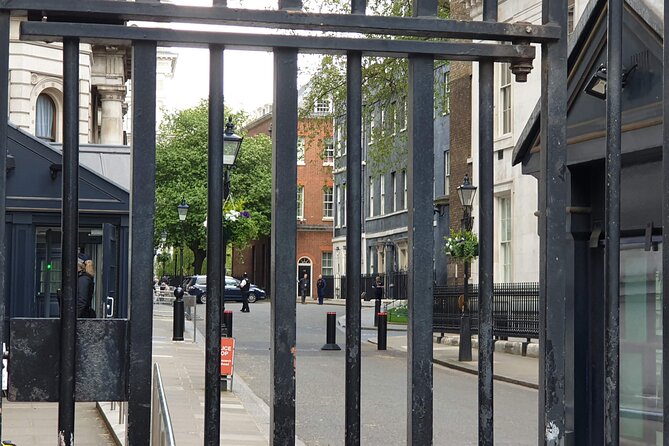
From Banqueting House, the route shifts into pure political symbolism at 10 Downing Street. Even though there is no included access here, the street itself is the point. You are walking where the Prime Minister and Chancellor work, and your guide’s commentary helps connect the address to the wider machinery of government.
This is one of those stops where being outside is enough. The tour is not selling a secret access pass. It is giving you the story of how London’s governance became something people experience through place.
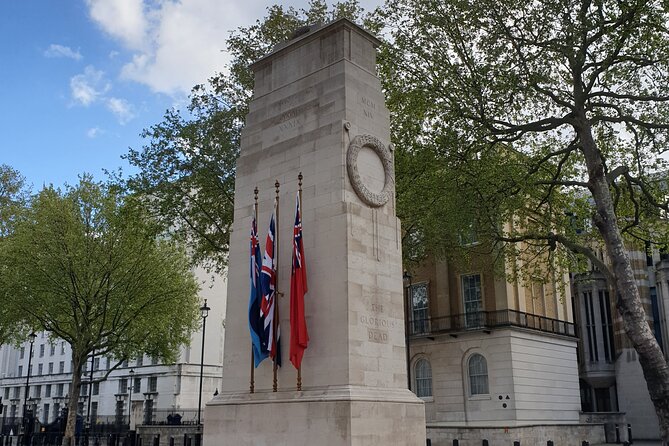
Then the vibe changes again at the Cenotaph, the UK’s official war memorial. It is close enough to feel part of the same civic world, but different in tone. This stop adds a crucial layer: power is not only about rulers and buildings. It is also about national sacrifice and memory, and the way public spaces carry those meanings.
Parliament’s center, plus the medieval thread people miss
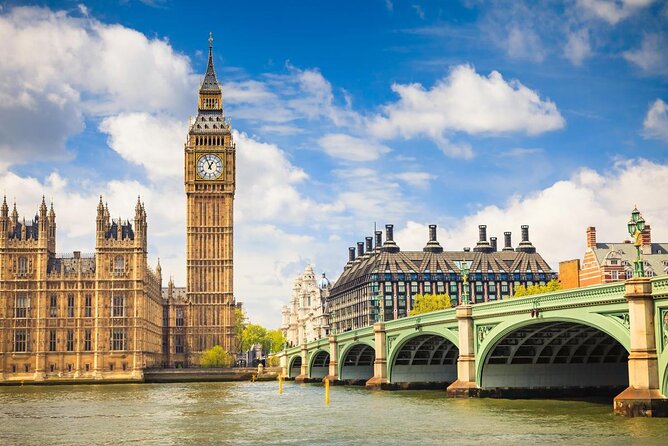
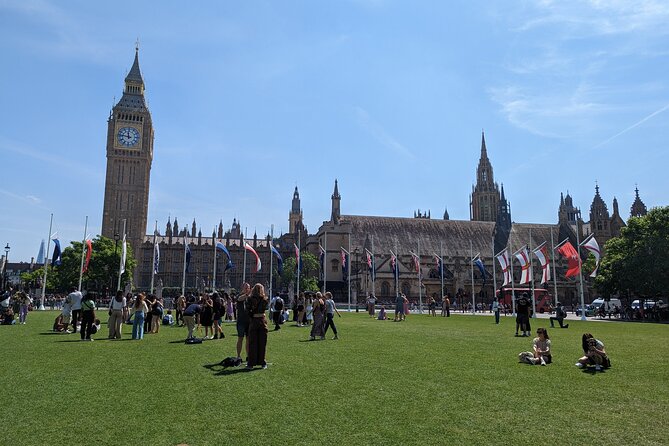
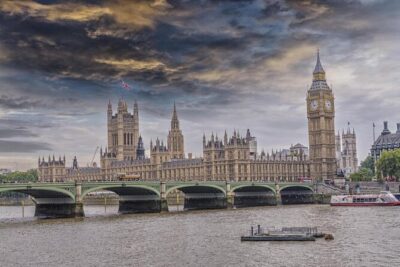
After the Cenotaph, you reach the Houses of Parliament, often described as the center of British democracy and closely associated with the idea of a “Mother of all Parliaments.” This is not just a landmark stop. It is a chance to understand how democracy, tradition, and architecture have been fused for centuries.
The tour helps you see the building as more than a photo backdrop. You learn what the space represents and why it is placed here, in this particular political pocket of London.
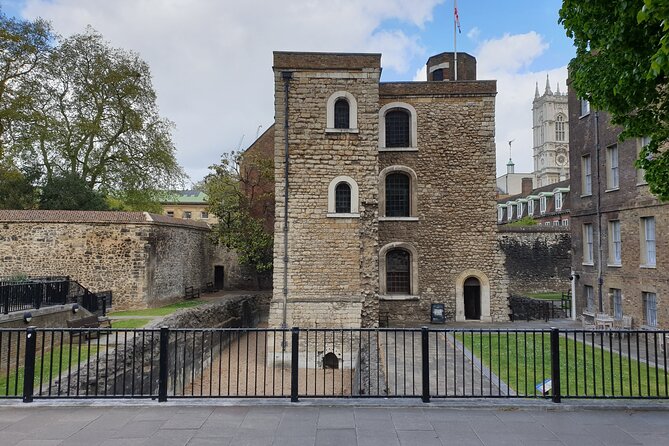
Just a bit further along, the Jewel Tower adds another angle. It is one of the only surviving pieces of the medieval Palace of Westminster. This matters because it reminds you that the current skyline is layered. You are not only looking at modern government. You are also looking at remnants of older power structures that predate the familiar institutions.
Again, admission is not included, so treat this as a “see it and learn it from outside” moment unless you decide to add paid access elsewhere on your own.
More on foot, at a pace you can hear the guide
Westminster Abbey: where royalty and the public story meet
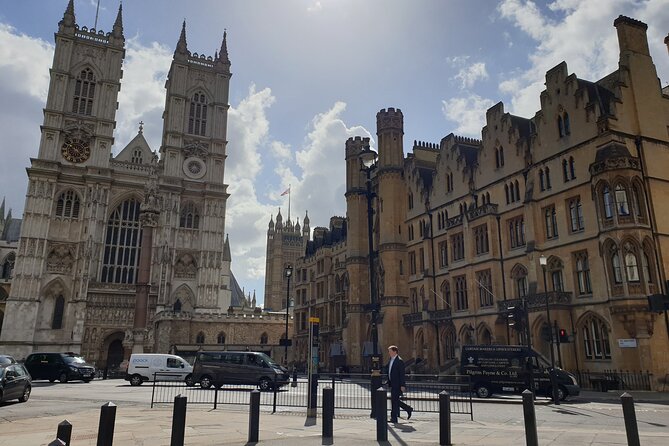
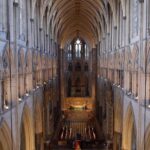
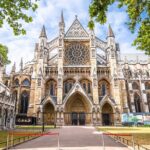
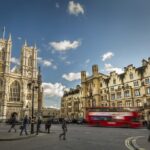
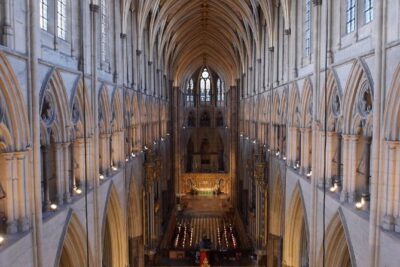
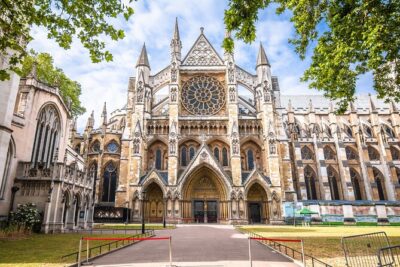
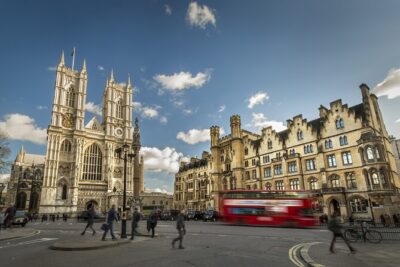
At Westminster Abbey, you are at the site of royal burials and weddings. That single fact helps explain why this place has always mattered, even to people who never call themselves religious.
Even without ticketed entry included, the stop is valuable because it frames Westminster as a living stage. It is where personal lives of leaders became public symbols, and where national identity got stitched into ceremonies people watched and remembered.
If you are the type who likes your history with a human face, this is a good place to pay attention to details. The Abbey can look like “just another grand building” if you do not have context. The tour gives that context, so you notice what you would otherwise pass by.
Churchill War Rooms: power under pressure
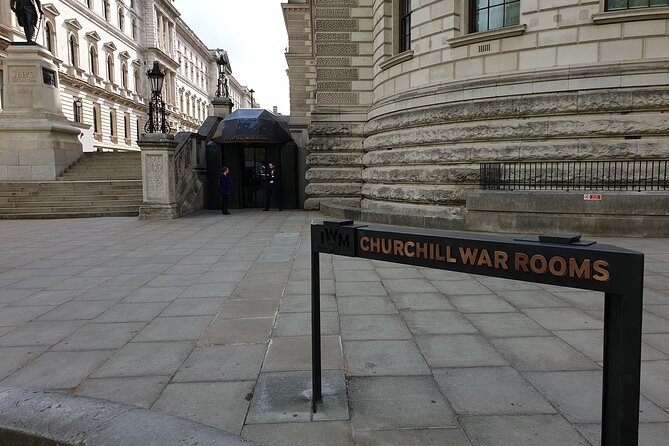
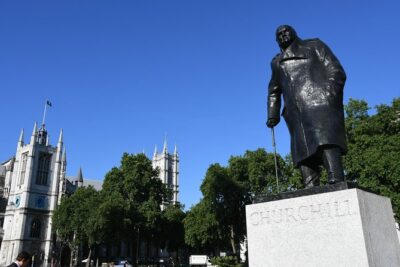
Next is the Churchill War Rooms, the rooms from which Winston Churchill directed the Second World War. This stop adds tension to the walk in the best way. You go from monuments and ceremonial power into the reality of crisis decision-making.
Because admission is not included, you should think of this as an informed pass at the exterior and the surrounding area, with your guide filling in the historical meaning. If you want the full indoor experience, you would need to arrange separate tickets. But even as an outside stop, it helps you connect how leadership looked during real emergencies, not just during pageantry.
St. James’s Park: the break that makes the royal sights feel real
After the tighter concentration of political and royal sites, the route moves to St. James’s Park, often described as the most beautiful Royal Park in London. This is not a random pause. It is a purposeful reset for your brain.
Parks help you process what you just saw. You also get a change in pace and scenery, which makes the final palace stops more enjoyable instead of exhausting.
If you are walking on a schedule, this green break is handy. It gives you room to breathe before the big “royal residence” finish.
Buckingham Palace view: what to look for on an outside stop
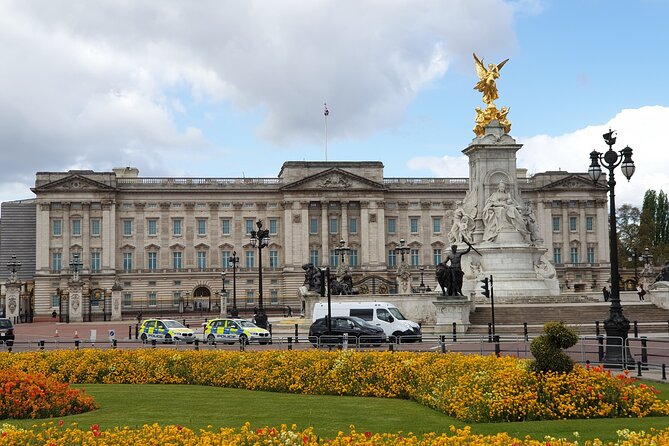
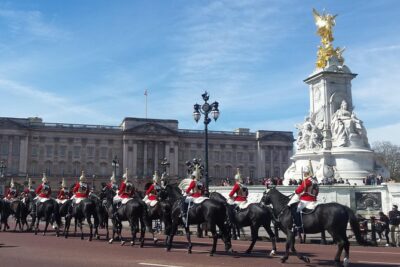
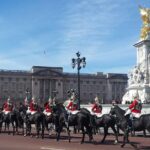
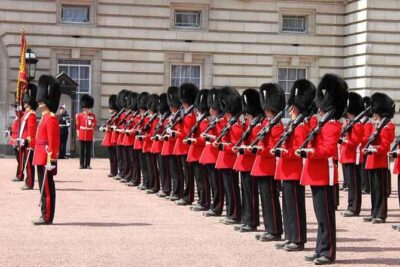
Then comes Buckingham Palace, the official London residence of the monarch. If you have ever tried to visit Buckingham Palace on your own, you know the area can feel unpredictable in crowds and timing. This tour keeps it straightforward, with a planned viewpoint that lets you focus on what the place represents rather than managing logistics.
Admission is not included, so this is best approached as a context stop. The tour helps you understand why the palace is treated as a national symbol, not only a home.
Tip for your own photo habits: when a stop is outside and ticket-free, the best photos are usually the ones that include your surroundings. Buildings, park edges, and street lines help your photos tell the story, not just capture a wall.
St. James’s Palace to the finish: the royal power map clicks
Finally, you wrap up at St. James’s Palace, the most senior royal palace in the United Kingdom. The tour ends outside the palace, not far from Green Park Station. That end point is useful because it gives you options. You can keep walking, head toward nearby museums, or use the Tube to connect to whatever you planned next.
St. James’s Palace closes the loop nicely. After seeing Parliament, war rooms, and Buckingham Palace, you now land in a place tied to seniority and long continuity. The tour’s structure makes that feel intentional, not like a random final stop.
Does $19 feel like a good deal?
For a 2-hour small-group walk, $19 is strong value if you care about interpretation. You are paying for the guide’s job: turning stops into understanding.
If you are hoping for multiple paid museum entrances or indoor access at every highlight, this is not that kind of tour. But if your goal is orientation and context, you get a lot for the price: a lineup of major royal and political sites, plus guidance for what to do with the rest of your day.
The best way to judge value is to ask what you would pay in time and effort on your own. If you would otherwise spend hours sorting routes and trying to piece together the story, paying a modest fee for a structured walk often wins.
Who this tour suits best
This experience is a great match if:
- You are a first-time visitor who wants a clear sense of where power lives in London.
- You like history, but you want it told in a way that feels like stories, not a textbook.
- You are traveling with teens or anyone who gets restless on slow museum schedules.
The pacing and group size also help families and mixed-age groups stay together. A small group means the guide can steer attention, and that keeps energy from drifting.
A guide can make or break the day
One of the standouts from the experience is the storytelling. On tours like this, the difference is in how the guide links each site to the next one so you do not feel like you are collecting random stops.
In some cases, the guide is named Tom, and he is specifically noted for being knowledgeable and well designed in the way the tour is delivered. Even if your guide is someone else, the expectation is the same: commentary should feel engaging, with practical historical context that keeps people paying attention.
Practical tips to get more out of the walk
- Wear shoes you can walk in for two hours without fuss. This is a city-walk format.
- Bring a phone for the mobile ticket and for quick map checks when you start exploring after the tour ends.
- If you care about interiors, decide ahead of time which places you would add on later, since entrance fees are not included.
- For photos, think “angles and context.” The outside stops are best when you frame the building with nearby landmarks like the park or the river setting you start from.
Should you book Palaces, Parliament & Power?
Yes, if you want a focused, well-paced way to understand London’s royal and political center fast. This is especially worth it when your schedule is tight and you do not want to spend that time figuring out where everything is, or trying to assemble meaning from guidebook blurbs.
Book it if your priority is orientation plus storytelling across major landmarks like Westminster Abbey, Parliament, Buckingham Palace, and Downing Street. Pass on it only if you are mainly looking for ticketed indoor visits at most stops. In that case, you may want to pair the walk with separate paid entries based on your interests.
FAQ
What is the duration of the tour?
The tour is listed as about 2 hours.
How much does the tour cost?
The price is $19.
How many people are in the group?
The maximum group size is 15 travelers.
What is the meeting point?
The start is at 9152 Golden Jubilee Bridges, London WC2N 6NS, UK.
Where does the tour end?
The tour ends outside St. James’s Palace, not far from Green Park Station.
What time does the tour start?
The start time is 11:00 am.
Do I need to pay for entrances?
Entrance fees are not included.
Do I get a ticket on my phone?
Yes, it uses a mobile ticket.
Are service animals allowed?
Yes, service animals are allowed.
Is free cancellation available?
Yes, free cancellation is available up to 24 hours in advance for a full refund.
More City Runs In London




More Of London On Foot


Around Westminster And Whitehall

Fresh off the notebook in London
- Private Rock ‘n’ Roll Music Tour of Central London
★ 5.0 · 7 reviews - London Walking Tour: Camden Town Photography Walkabout
★ 5.0 · 7 reviews - Private Transfer from London accommodation to Cruise terminal
★ 5.0 · 7 reviews - Amazing Nightlife in London East Tour
★ 4.5 · 7 reviews - The British Museum: a highlights tour with a TV historian
★ 5.0 · 7 reviews - Heathrow Airport to Cambridge private taxi transfers
★ 5.0 · 7 reviews
Westminster and Parliament Tours, compared.
 ★ 4.5Westminster to Greenwich Sightseeing Thames Cruise in LondonFrom $222,969 reviews
 ★ 5.0London’s Palaces & Parliament Tour (See Over 20+ London Top Sights)From $301,609 reviews
 ★ 5.0Westminster Guided Walking Tour with Abbey EntryFrom $1221,282 reviews
 ★ 4.5Walking Tour of London Westminster Abbey, Big Ben, BuckinghamFrom $951,213 reviews
 ★ 5.0Westminster 3 Hour Walking Tour and Visit of Churchill War RoomsFrom $135967 reviews
 ★ 4.5WW2 London Walking Tour & Churchill War Rooms Entrance TicketFrom $60933 reviews
 ★ 5.0Speedboat Cruise Tour: Embankment OR Westminster Pier -70 minutesFrom $102777 reviews
 ★ 5.0Skip the Line Tower of London & Westminster Tour and River CruiseFrom $165730 reviews
Browse the lists this tour appears in