
REVIEW · LIVERPOOL TOURS
Half Day Welcome to Liverpool Walking Tour
Liverpool tells its story on foot. This half-day walking tour strings together Beatles sights and city landmarks with a local guide who keeps the pace friendly. You get a morning or afternoon time option, plus insider advice on where to eat, drink, and wander next.
Two things I really like are the small size and the way the route covers big hitters without feeling rushed. The tour keeps costs reasonable at $38.45 because the listed stops are marked admission ticket free as you view them. One possible drawback to keep in mind: there’s walking throughout, no snacks are included, and you should have moderate mobility for the full route.
In This Review
- Quick highlights that make this Liverpool walk worth your time
- A half-day Liverpool plan that hits the best stops without the chaos
- Meeting at The Oratory, ending at Liverpool 1
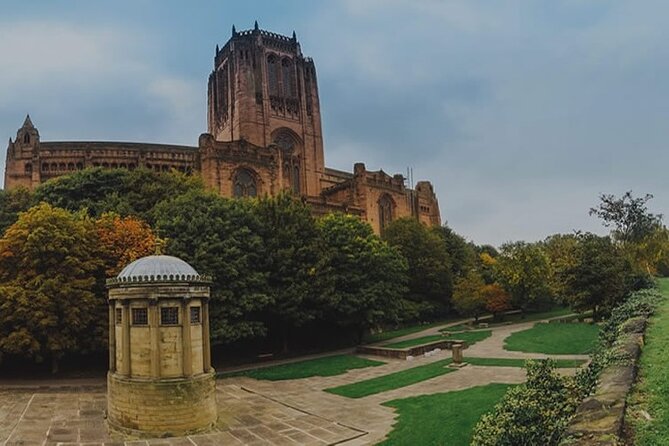
- Hope Street: two cathedrals, St James Cemetery, and Beatles-era details
- Rodney Street: film locations, old-town streets, and the pyramid tomb
- St Luke’s Bombed Out Church: WWII memory, WWI ceasefire, and Irish famine monuments
- Bold Street to Mathew Street: shopping streets, Brian Epstein, and the Cavern Club area
- Dale Street and the Georgian Town Hall: pubs, architecture, and a good break point
- Castle Street and the Liverpool Castle site: the city fought for itself here
- James Street to Pier Head: Titanic-era offices and three iconic building fronts
- Albert Dock: Victorian warehouses, Tate, and time to reset
- Thomas Steers Way and Liverpool 1: the tidal-dock origin story
- Who this tour suits best
- How much value you get for $38.45
- Should you book this Liverpool walking tour?
- FAQ
- How long is the Half Day Welcome to Liverpool Walking Tour?
- How much does the tour cost?
- Does the tour run in the morning and afternoon?
- Where does the tour start and end?
- How many people are in the group?
- Is the tour in English?
- What is included in the price?
- Are snacks included?
- Is the tour accessible for people with mobility needs?
- What is the weather policy?
- What is the cancellation policy?
Quick highlights that make this Liverpool walk worth your time
- Small group (max 12): more time for questions and less chance of being ignored.
- Local guide Edward: reviews highlight tailored stories and route adjustments.
- Beatles trail, done early and well: Mathew Street, the Cavern Club area, and Liverpool landmarks connected to the band.
- Pier Head to Albert Dock: big architecture moments plus time to get your bearings.
- Georgian and Victorian Liverpool in one sweep: Hope Street, Rodney Street, Town Hall, and the docks.
Other Liverpool days, docks to derby ground
- Liverpool: “Blue Route” – City & Beatles Tour★ 5.0 · 8,562 reviews
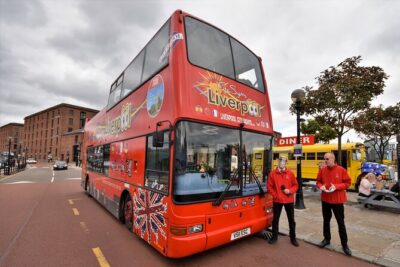
- Liverpool City Sights Hop On Hop Off City Tour – 24hr Ticket★ 4.5 · 2,555 reviews
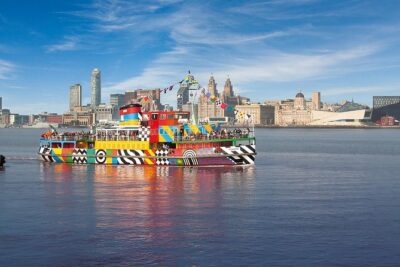
- Liverpool: 50-Minute Mersey River Cruise★ 4.0 · 1,232 reviews
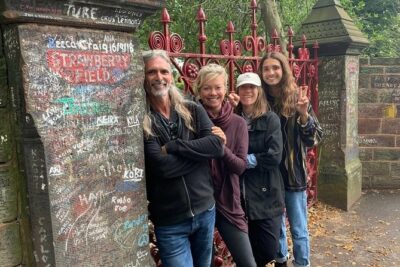
- Private 3-Hour Guided Beatles Classic Tour of Liverpool★ 5.0 · 1,074 reviews
A half-day Liverpool plan that hits the best stops without the chaos
If you want an intro to Liverpool that doesn’t feel like a checklist, this tour is built for you. It’s short enough to stay fun, but long enough to connect neighborhoods and themes: church history, street life, famous people, and the city’s maritime power.
I like that it’s designed like a story with chapters. You start in the city center, move through the streets tied to films and music, then finish at the water with docks and landmark buildings. That arc makes it easier for your brain to hold onto the sights, even if you only have a day (or half a day) in town.
And you’ll see a useful mix of what most people want in Liverpool: Beatles sites, dramatic WWII reminders, and architecture along the waterfront. It’s not just photos, either. The guide’s whole job is turning the streets into context, including quirky details you likely would miss on your own.
Meeting at The Oratory, ending at Liverpool 1
The tour starts at The Oratory, Upper Duke St, Cathedral Gate, Liverpool L1 7AZ. That’s a solid central launch point, right in the core where you can easily orient yourself for the rest of your day. It also helps if you’re taking public transportation, since it’s noted as near public transport.
The walk ends at Thomas Steers Way in the new Liverpool 1 shopping area (city centre). That finish is handy because you can roll straight into lunch, shopping, or an afternoon plan without needing to reverse your route.
This end point also explains why the tour feels like a true circuit. You move from historic streets and landmarks down toward the docks, then land in a modern hub that makes it easy to keep exploring.
Hope Street: two cathedrals, St James Cemetery, and Beatles-era details
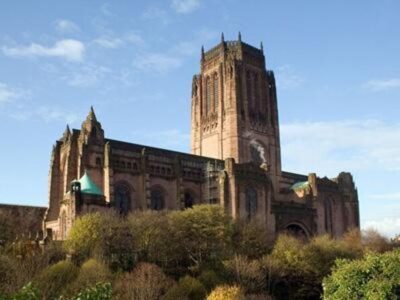
The tour’s first major stop is Hope Street. This is where you get one of Liverpool’s best intro moments: both of the city’s famous cathedrals are visible from the street ends. It’s one of those “yes, that’s the view” setups that makes orientation much easier.
You’ll also pause briefly at St James’s Cemetery, hearing history while you’re there. Then the guide takes you along Hope Street with stories about former residents and photo opportunities as you go. One detail worth paying attention to is the guide’s tale of a house tied to grave robbers and the cellar used for that purpose. It’s the kind of street-level oddball history that makes the tour memorable.
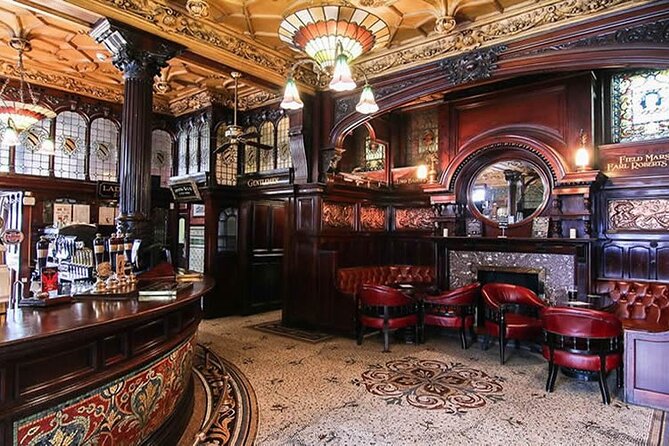
Then comes a music stop that Beatles fans will recognize fast. You’ll see the Philharmonic Pub, known for hosting the Beatles in their early days. You’ll also learn about Paul and George’s old school, which gives you a direct line between Liverpool’s everyday places and the band’s rise.
Consideration: Hope Street can be lively around the central areas, so keep an eye on your footing and bag security. The good news is a small-group pace helps you stay together and aware.
Rodney Street: film locations, old-town streets, and the pyramid tomb
Next up is Rodney Street, where the tour shifts from music fame to a more time-warp feel. This street has appeared in films including Peaky Blinders and Sherlock Holmes, and you’ll learn what makes the look feel so recognizable even now.
What I like about this segment is that it’s not just “here’s a street for photos.” It’s framed as a place where Georgian and Victorian residents would still recognize the area. That helps you understand Liverpool’s layers, not just its highlights.
You’ll also hear about Liverpool’s pyramid tomb here. Even if you’re not the type who reads every plaque, the pyramid shape gives you an easy visual anchor.
Watch for: Rodney Street is short, but it’s a great place to ask questions. If you’re curious about what you should prioritize next, this is an early moment to get the guide’s “where to go after the tour” advice.
More on foot, at a pace you can hear the guide
St Luke’s Bombed Out Church: WWII memory, WWI ceasefire, and Irish famine monuments
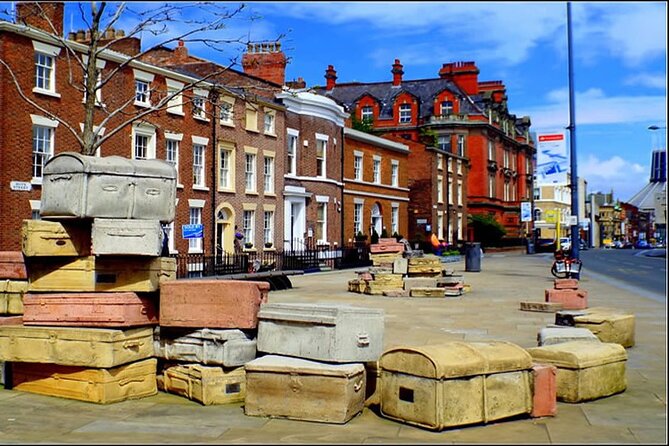
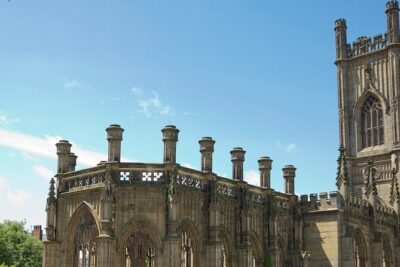
Walking onward, the tour heads toward Liverpool City Centre via Hardman Street, then to St Luke’s Bombed Out Church. Locals call it the bombed out church, and it’s a powerful landmark: extensive damage during the Second World War, preserved as a monument to those who died.
Within the church grounds are monuments tied to two historic threads you might not expect on a walking tour like this. You’ll see references to the Christmas ceasefire of WWI, and also monuments connected to the Irish famine.
This stop changes the tone in a good way. Beatles sightseeing is fun, but Liverpool is also a city shaped by conflict and resilience. The guide’s job is to keep it respectful and grounded, not sensational.
Practical note: Because this is a memorial space, keep your voice down and give the area the attention it deserves. You’ll likely have a short pause rather than a long visit, so if you want photos, do it efficiently.
Bold Street to Mathew Street: shopping streets, Brian Epstein, and the Cavern Club area
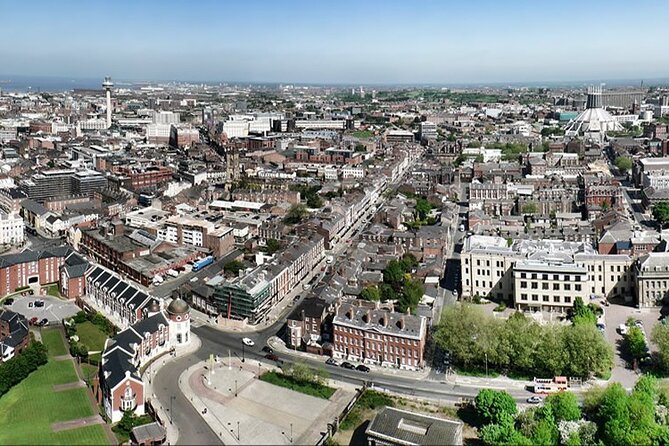
After the solemn memorial, the tour moves into the more everyday Liverpool vibe. Bold Street is a main shopping and cafe/bistro area, and the guide uses it as a transition point from landmark history to music and street culture.
You’ll also pass toward Church Street, where the site of St Peter’s Church is marked by a brass cross inlaid into the pavement. This matters because St Peter’s was Liverpool’s pro-cathedral until 1926. It’s a neat example of how older Liverpool hides in plain sight if you know what to look for.
Then you get one of the most direct music-industry connections on the route. The tour mentions the area of Whitechapel, where Brian Epstein had his music shop and office. If you’re a Beatles fan, this is the kind of detail that makes the band story feel complete, not just performance-based.
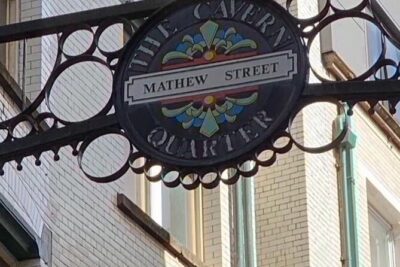
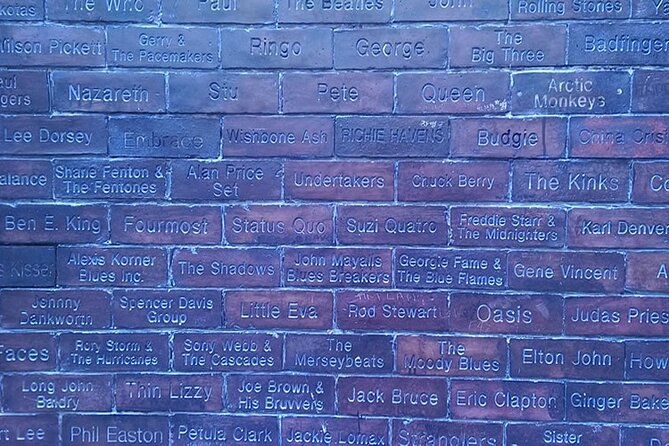
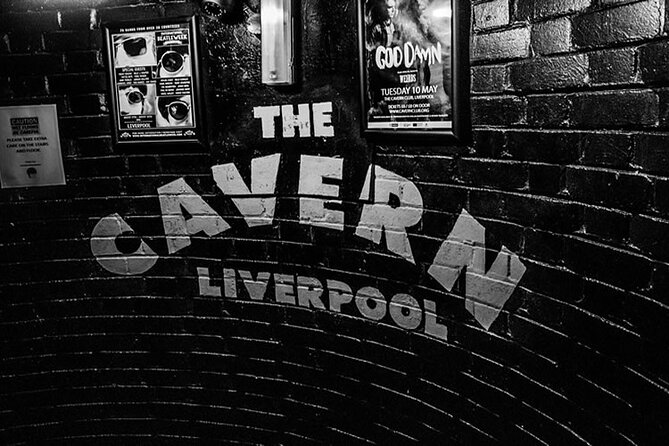
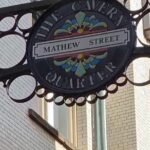
From there it’s Mathew Street, where the tour leans hard into Beatles territory. You’ll pass the Cavern Club, see the Eleanor Rigby Statue for a photo, and the guide points out where you might grab a souvenir.
Tip for timing: If you buy anything, do it at Mathew Street so you’re not carrying it the rest of the route. Small choices like this can keep your energy up for the docks finale.
Dale Street and the Georgian Town Hall: pubs, architecture, and a good break point
Next comes Dale Street, with a stop that gives you options. You’ll be able to see Liverpool’s oldest public house built in 1726. If you want a quick drink, this is where it makes sense, since it’s an established pub moment rather than a random storefront stop.
Right after that, you’ll pass the Georgian Town Hall, built in 1754. This is another spot where the guide’s commentary matters. Architecture is easy to overlook when you’re just walking, but when someone explains what you’re looking at, even a short pause becomes more valuable.
This is a good segment for people who like variety. You’re getting both social history and civic design, in a way that feels connected to daily life.
Possible drawback: If you’re sensitive to crowds or noise near pubs, you might want to keep your drink plan flexible. The tour pacing is friendly, but pub areas can be busier than the quiet church-and-cemetery stretches.
Castle Street and the Liverpool Castle site: the city fought for itself here
Moving along to Castle Street, the tour shifts again to power and conflict. You’ll learn about the spot where Liverpool Castle once stood, now occupied by the Victoria Monument.
From there, you’ll hear about the siege of Liverpool during the English Civil War and what happened when excavating to build the Law Courts on part of the site. This is one of those “wait, that big building is on top of something historic” moments.
I find this stop helps you understand that Liverpool isn’t just Beatles and docks. It also has a long timeline of strategic importance, and the city’s built environment reflects that.
James Street to Pier Head: Titanic-era offices and three iconic building fronts
The tour continues to James Street, where you’ll pass offices connected to the White Star Line, plus the owners associated with the Titanic. Even if you do not plan to dive into shipping details, hearing that link makes the next part make more sense.
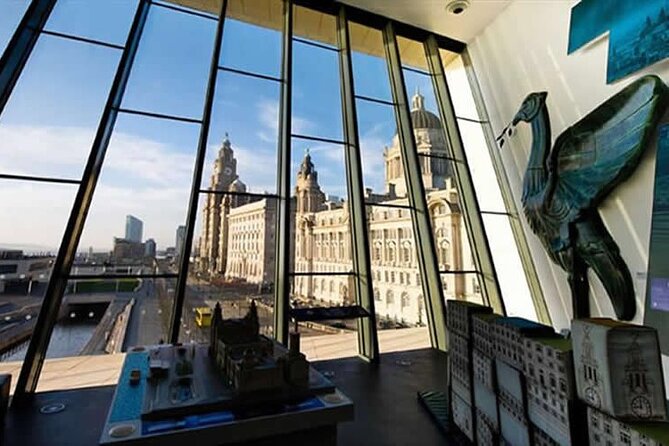
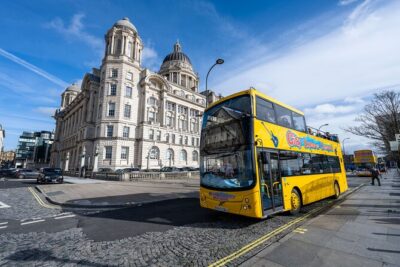
Then you reach the Pier Head, where the guide gives you a quick history-and-photo moment for the Liver Buildings, the Cunard Buildings, and the Port of Liverpool building. These buildings are instantly recognizable when you see them, and the stories behind them are what turn your photos into something you’ll actually remember.
If you’re the type who likes seeing how a city made its money, this is where Liverpool’s maritime identity becomes obvious. It’s not abstract.
You’ll also pass the Museum of Liverpool on the way toward the final dock area.
Albert Dock: Victorian warehouses, Tate, and time to reset
The tour’s biggest finale stop is Albert Dock. This is where the route feels complete: Victorian warehouses that once served as a secret navy base for the North Atlantic war effort, now turned into a major destination area.
The guide gives you a chance to get your bearings and take photos before moving on. You’ll also be near the Tate Gallery, plus shops, restaurants, bars, and cafes.
This part is especially useful if you want your first Liverpool day to feel like you did something real, not just walked around landmarks that blur together. Albert Dock is where your “I understand this city” feeling usually clicks.
Practical consideration: Since this area is a big tourist hub, it can get crowded. Still, it’s a good crowd. It means your after-tour options are easy.
Thomas Steers Way and Liverpool 1: the tidal-dock origin story
The tour ends at Thomas Steers Way, described as the start point for Liverpool’s famed tidal dock story, the world’s first tidal dock built in 1715.
Then it’s a final shift into modern Liverpool at Liverpool 1, which is the more contemporary shopping complex in the city centre. This gives you a simple close: history to the docks, then onward into what Liverpool is doing now.
I like ending here because it’s not a dead-end. You can continue your day without needing a taxi or a long walk back to where you started.
Who this tour suits best
This is a great fit if you want:
- A first-time Liverpool intro that covers major Beatles stops and key architecture
- A small-group pace where you can ask questions without shouting over a bus
- A guide style that mixes street-level stories with practical pointers, including where to eat, drink, and explore
It also works well if you’re short on time but still want a coherent route. The 2-hour length is ideal for connecting your itinerary dots.
If you’re traveling with mobility needs, the tour asks for moderate physical fitness, and that walking time is real. One review specifically noted the guide adapting the route for a mobility scooter user, so if you have any needs, it’s worth reaching out in advance so the guide can plan accordingly.
How much value you get for $38.45
At $38.45 per person, the price lands in the “good value for what you cover” category. You’re paying for:
- A professional guide
- A concentrated walk through multiple famous areas, from Hope Street to Albert Dock
- Beatles-focused context plus broader Liverpool history
- A small group that makes your questions actually matter
Also, the tour’s listed stops are marked admission ticket free, so you are not getting nickeled-and-dimed with entrance fees for every stop. That helps keep the overall cost predictable.
And because the meeting point is central and the ending point is in Liverpool 1, you can use the day’s momentum immediately after the tour. That practical convenience is part of the value too.
Should you book this Liverpool walking tour?
I’d book it if you want an efficient, story-driven Liverpool introduction with Beatles stops handled in the right order. The small group size, guide tailoring (not a one-size-fits-all script), and the way the route builds from streets to docks make it a smart use of a half-day.
I’d skip or adjust if you hate walking, want a sit-down museum heavy day, or you need snacks and long breaks built in. With no snacks included, I’d plan to eat before the tour or have a post-tour meal locked in at the end point.
If you’re trying to choose one activity to understand Liverpool fast, this is a strong pick. It gives you both the fun and the context, and it ends where it’s easy to keep going.
FAQ
How long is the Half Day Welcome to Liverpool Walking Tour?
It runs for about 2 hours.
How much does the tour cost?
The price is $38.45 per person.
Does the tour run in the morning and afternoon?
Yes, you can choose from a morning or afternoon tour time.
Where does the tour start and end?
It starts at The Oratory, Upper Duke St, Cathedral Gate, Liverpool L1 7AZ, UK, and ends at Thomas Steers Way in Liverpool 1.
How many people are in the group?
The tour has a maximum of 12 travelers.
Is the tour in English?
Yes, it is offered in English and uses a mobile ticket.
What is included in the price?
The services of a professional guide are included.
Are snacks included?
No, snacks are not included.
Is the tour accessible for people with mobility needs?
The tour requires moderate physical fitness. Service animals are allowed, and it is near public transportation.
What is the weather policy?
The tour requires good weather. If it is canceled due to poor weather, you will be offered a different date or a full refund.
What is the cancellation policy?
You can cancel for a full refund if you cancel up to 24 hours in advance. If you cancel less than 24 hours before the start time, the amount you paid will not be refunded.
More Of Liverpool On Foot




More Liverpool, Dock To Kop




Fresh off the notebook in Liverpool
- Welcome to Liverpool Tour – 2 Hour Private Walking Tour
★ 5.0 · 7 reviews - 3 Hours Private City Highlights Liverpool Walking Tour
★ 5.0 · 7 reviews - Football Experience With A Local Host In Liverpool
★ 4.5 · 8 reviews - Liverpool Football Club Museum Entry
★ 5.0 · 10 reviews - The Liverpool Pass®: All top attractions inc. Hop-On Hop-Off Bus Tour | 2-Days
★ 4.5 · 11 reviews - 2-Hour Private Liverpool Walking Tour
★ 5.0 · 12 reviews
Liverpool Tours, compared.
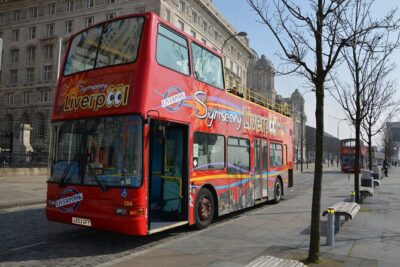 ★ 5.0Liverpool: “Blue Route” – City & Beatles TourFrom $278,562 reviews
 ★ 4.5Liverpool City Sights Hop On Hop Off City Tour – 24hr TicketFrom $192,555 reviews
 ★ 4.0Liverpool: 50-Minute Mersey River CruiseFrom $171,232 reviews
 ★ 5.0Private 3-Hour Guided Beatles Classic Tour of LiverpoolFrom $2771,074 reviews
 ★ 5.0Mad Day Out Beatles Taxi Tours in Liverpool, EnglandFrom $2081,013 reviews
 ★ 5.0Ciy Explorer: Hop On Hop Off Liverpool Sightseeing Bus TourFrom $19915 reviews
 ★ 5.0A Walk Through Time: History of Liverpool Walking TourFrom $27911 reviews
 ★ 5.0Liverpool Ghost Walking TourFrom $27862 reviews
Browse the lists this tour appears in