
REVIEW · LIVERPOOL TOURS
Inspirational Women Liverpool Past-Present History Tour – monthly
Liverpool has a habit of crediting the obvious names. This tour swaps that script, taking you through places tied to women who shaped the city, from church stained glass to suffragist streets. You get a relaxed pace, smart photo stops, and a storyline that links past and present without feeling like a lecture.
What I like most is the focus on women whose impact often gets airbrushed out of everyday history. I also like how the guide keeps things moving with short, well-timed stops, so you cover a lot of ground in about 2 hours. One drawback to consider: it is easy walking, but you still need non-slip shoes, since the route includes cobbles and uneven surfaces.
In This Review
- Key highlights you will actually feel
- Why this women-led Liverpool walk fits your time and attention
- Liverpool Cathedral and the Lady Chapel: where the stained glass teaches you first
- Blackburne House to Everyman Theatre: education, “Harley Street” style lives, and suffragette heat
- Mount Pleasant and Pembroke Place: medicine and education at the turn of the century
- Metropolitan Cathedral, Lime Street, and Walker Art Gallery: nursing links, song references, and public art
- St George’s Hall finish: suffrage echoes and a modern-day food fact
- What to bring, how to walk it, and how to make the photos worth it
- Who should book this Liverpool past-present women’s history tour?
- Should you book this tour or skip it?
- FAQ
- How long is the Inspirational Women Liverpool Past-Present History Tour?
- How much does the tour cost?
- Where does the tour start and end?
- Is the tour in English?
- Do I need to pay for entry at each stop?
- Is there a mobile ticket?
- Is it suitable for kids?
- What should I wear?
- What if the weather is bad?
Key highlights you will actually feel
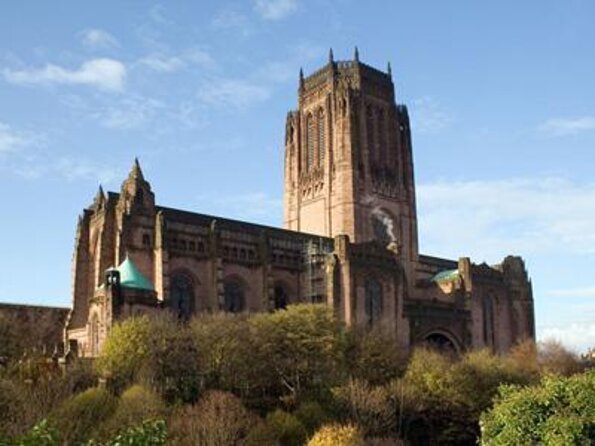
- Liverpool Cathedral Lady Chapel sets the tone with stained glass linked to inspirational women
- Education stories at Blackburne House, tied to girls’ and women’s schooling
- Rodney Street and the Everyman Theatre, where medicine, politics, and public life intersect
- Mount Pleasant and Pembroke Place, showing how women pushed into medicine and education
- Metropolitan Cathedral connections to the Nightingale nurses, plus reform stories tied to women and families
- A finish at St George’s Hall, ending in the shadow of suffrage history with a fun modern twist
Other Liverpool days, docks to derby ground
- Liverpool: “Blue Route” – City & Beatles Tour★ 5.0 · 8,562 reviews
- Liverpool City Sights Hop On Hop Off City Tour – 24hr Ticket★ 4.5 · 2,555 reviews
- Liverpool: 50-Minute Mersey River Cruise★ 4.0 · 1,232 reviews
- Private 3-Hour Guided Beatles Classic Tour of Liverpool★ 5.0 · 1,074 reviews
Why this women-led Liverpool walk fits your time and attention
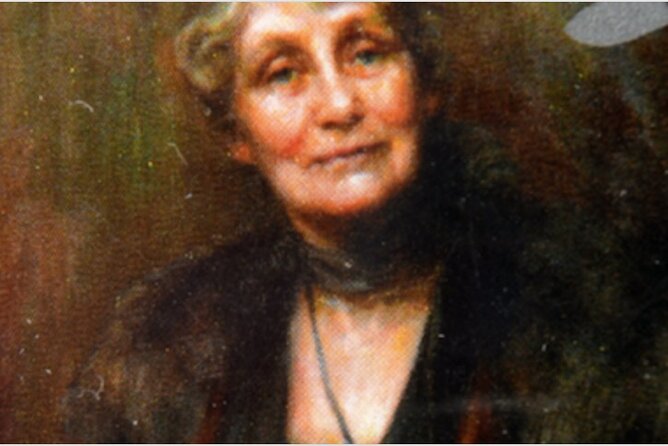
This is a 2-hour walking tour in Liverpool, designed to feel light on your feet and heavy on meaning. It runs monthly, and it is capped at 26 people, which helps the guide keep the group together and included. The whole point is to head off the tourist hot spots and thread your way through the city’s quieter corners, where women’s stories actually live in the buildings and street names.
At $31.58 per person, it is one of the better values in the category because you are not paying for hours of transit. You are paying for interpretation, with a steady sequence of stops where the guide ties each location to a specific theme: faith, schooling, activism, medicine, the arts, and rights.
You also get the practical modern stuff done right. You will use a mobile ticket, the tour runs in English, and the meeting point is easy to find near public transport. The pace is relaxed, and that matters, because this kind of history works best when you are not rushing past it.
Liverpool Cathedral and the Lady Chapel: where the stained glass teaches you first
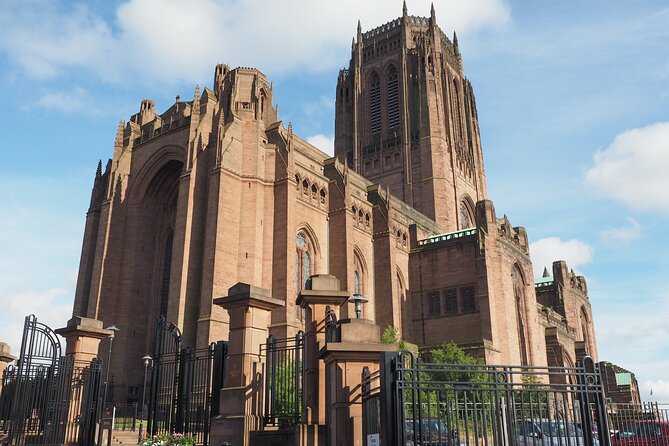
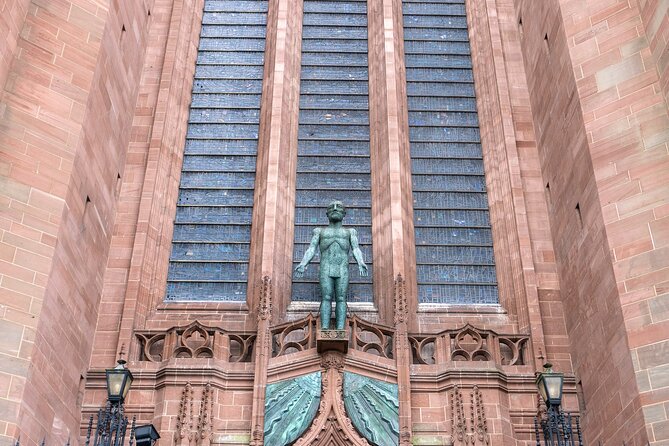
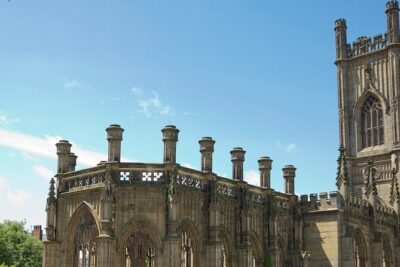
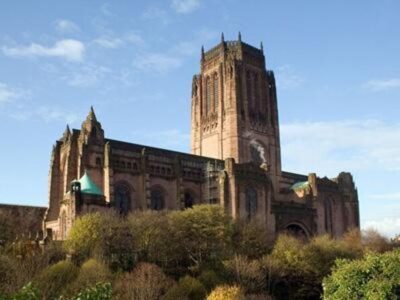
Your tour starts at Liverpool Cathedral on St James’ Mount. The first stop is the Lady Chapel, and it works like a welcome lesson before you hit the streets. The guide points you toward one of the late, famous works by a major female sculpture of the modern era, and then the stained glass becomes the real storytelling engine.
This is where you start seeing the tour’s central idea: women depicted in art and architecture, not just in footnotes. The Lady Chapel stained-glass windows connect to long-lasting influence in Liverpool’s history and development. In one of the guide’s examples, the windows include Julian of Norwich, which is a nice touch if you like to recognize names that reach beyond local history.
The Cathedral stop is about 20 minutes, and importantly, admission is included in the ticket price by donation. That keeps the start straightforward. If you want photos, this is also one of the best moments because the setting is dramatic and still.
One practical note: church interiors can be cooler and darker than the streets outside. If you rely on your phone camera, take a minute to adjust brightness and keep your hands steady for clean shots.
Blackburne House to Everyman Theatre: education, “Harley Street” style lives, and suffragette heat
After you leave the Cathedral, the tour moves into the kind of streetscape Liverpool does best. The next stops are shorter, around 10 minutes each, but they are packed with context.
Blackburne House is a grade II listed building tied to the important role it played in the education of girls and women. This is one of those stops where the facts matter because schooling is the foundation for everything else: more choices, more voices, better access to work, health, and influence.
Then you head toward Rodney Street, often nicknamed the Harley Street of the North. The guide uses that reputation to talk about famous female residents. It is a quick stop, but it adds a sharper edge to the tour because it ties women’s impact to professional life, not just charity or home life.
Next comes Everyman Theatre, with its earlier identity as Hope Hall. This is where you get political energy. The guide links the venue to bohemian life and a more outspoken atmosphere, including connections to the suffragettes and the movements pushing for change. The point is not just that the theatre is old, it is that public spaces gave women somewhere to gather, argue, and organize.
Because these stops are brief, listen for the connective tissue. The best moments here are when the guide makes you see a pattern across locations: education leads to work and public presence, public presence feeds activism, and activism reshapes the city.
Mount Pleasant and Pembroke Place: medicine and education at the turn of the century
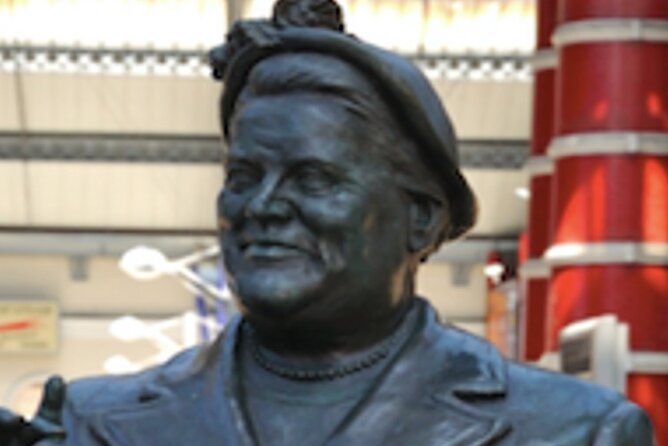
The tour’s middle stretch leans into two big themes: medicine and education. It starts with Mount Pleasant, where the association with medicine sets you up for stories about women from Liverpool and the challenges they faced as they worked to influence medicine, education, and health services at the turn of the last century.
This is one of those stops where you will likely feel the tension in the stories, because change in healthcare affects families directly. The tour keeps it human. You are not just hearing names, you are hearing why their work mattered in day-to-day life.
Then you move to Pembroke Place, known for giving the name to the Red Brick Universities. Here the focus shifts to pioneering women connected to education and public life. One standout example mentioned on the tour is a philanthropist who campaigned for women’s rights and family support in the early 1900s.
Even though the stop is about 10 minutes, it is well placed. By now, you have already seen women in religious spaces and professional streets. Pembroke Place adds the “how do we change institutions” angle. That is where the modern rights conversation connects back to brick-and-mortar reality.
If you are the type who likes to take notes, this middle portion is a good time to jot down the themes rather than trying to write every detail. The tour is built for pattern recognition.
More history led walks worth the hour
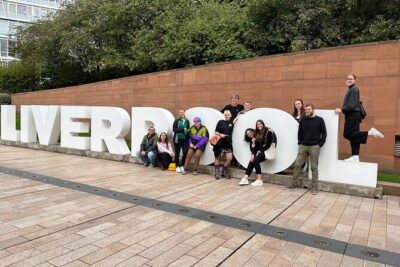
Metropolitan Cathedral, Lime Street, and Walker Art Gallery: nursing links, song references, and public art
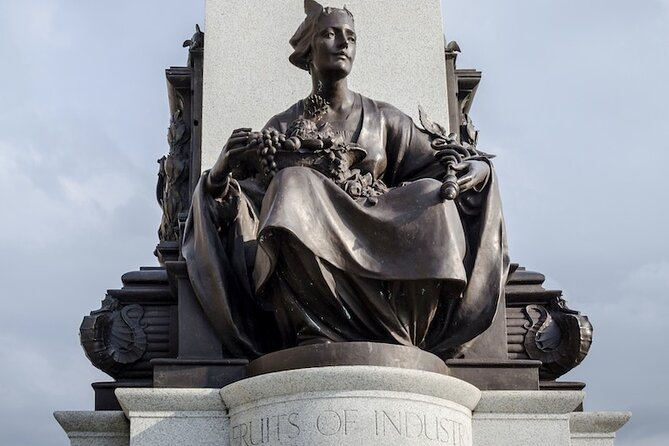
The tour shifts again as you approach the Metropolitan Cathedral of Christ the King Liverpool. This stop ties Liverpool’s Catholic story to wider social reform through links with the Nightingale nurses. The guide does not only cover the tragic side. It also highlights the incredible work of a leading reformer connected to legislation supporting women and families in the 1800s.
If you like history that changes your view of what counts as activism, this stop is worth your full attention. It shows reform happening through institutions and law, not only through street protest.
Next is Lime Street, where the guide connects you to one lady who appears in several famous Liverpool songs. This is a fun palate cleanser between heavier topics. It also reinforces that women’s stories are not locked away in archives. They show up in how the city tells stories about itself.
Then you pass William Brown Street and arrive near the Walker Art Gallery. The guide connects the area to early 1900s social and political union meetings, and then it pivots into art history. You learn about fascinating women associated with the gallery and why their work helped make it the national gallery of the North.
This sequence matters because it ties cultural influence to social change. People assume rights movements live only in politics. This tour reminds you that art and museums shape public memory too.
One practical tip here: slow down for a minute before you start taking photos inside or near buildings. The light can shift quickly as you move between streets and interiors, and a steadier shot usually beats rushing.
St George’s Hall finish: suffrage echoes and a modern-day food fact
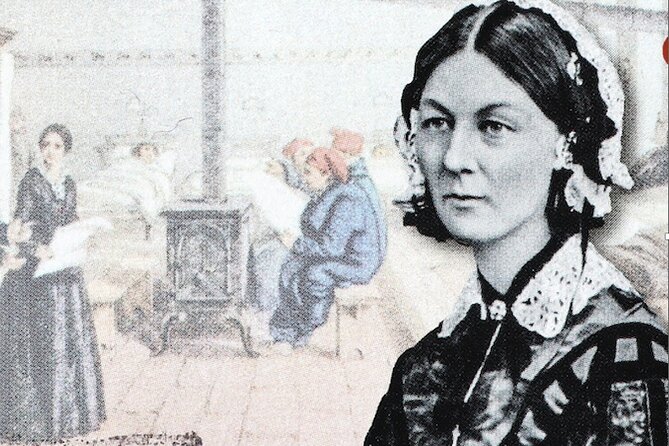
The tour ends at St George’s Hall (near St George’s Pl). This final stop is about in the shadow of the hall, which is a fitting way to close, because the building itself has political and civic weight.
The guide connects St George’s Hall to the suffragist movement, linking the location to the bigger public push for rights. Then there is a left-field detail tied to modern-day cookery, which gives your brain a break right when you are probably ready for it.
This is also the best part for a last photo. If you enjoy a good “day ended exactly where it should” moment, you will probably like this finish.
By the time you wrap up, the tour has done something clever. It has taken you from stained glass to university naming, from nursing connections to union meetings, and it shows you that women’s influence was always there, just not always in the spotlight.
What to bring, how to walk it, and how to make the photos worth it
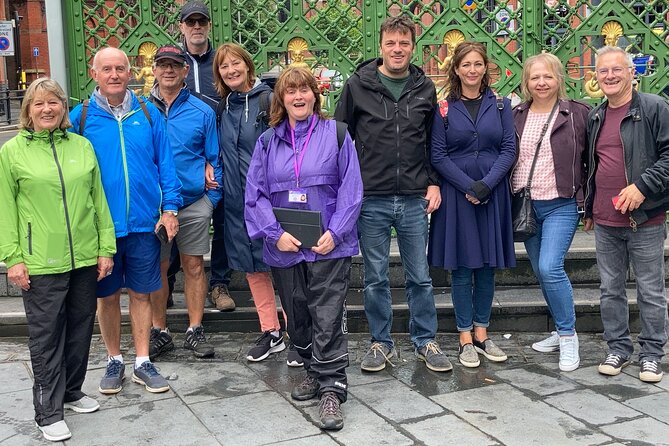
This is an easy walking tour, but it is still real walking. The route includes uneven cobbles, so comfortable non-slip shoes are not optional. If you bring a stroller, it might be awkward on rough pavement, so consider that before you commit.
A few practical things that will make the experience smoother:
- Bring a water bottle. The tour recommends having a drink and using a reusable bottle when possible.
- Wear sunscreen even in winter. Liverpool weather can still surprise you with strong light when clouds break.
- Expect to pass through busy areas at times, so keep your phone secure and your group awareness up.
If you are traveling with a family member who needs a slower pace, the tour’s structure of short stops can help. Guides can often keep things manageable when people need a moment.
For pets, service animals are allowed, and well-behaved dogs are welcome with the usual reality check that you are in a group setting.
Who should book this Liverpool past-present women’s history tour?
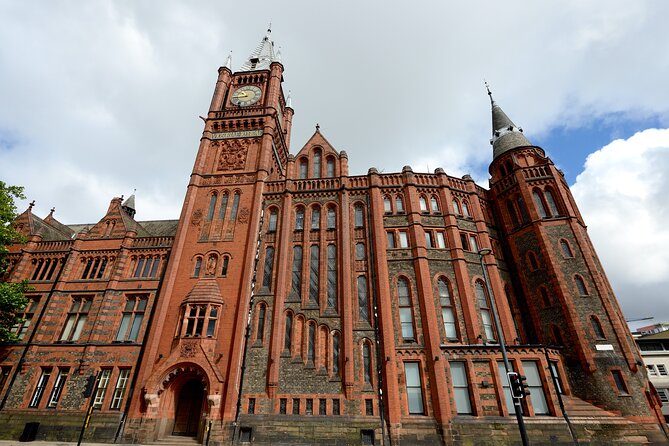
I think this tour is ideal if you want:
- Women’s history that feels place-based, meaning the stories are tied to real streets and buildings
- A guided walk with a gentle pace instead of a rushed hop-on hop-off style day
- A route that covers multiple themes quickly, from education to healthcare to activism to art
It is also great if you like meeting guides who genuinely love their subject. In the tour’s past outings, guides like Pam and Jean have stood out for being friendly, engaging, and able to bring the story to life without making it feel dry.
If your main goal is museums with long indoor stays, you might want a different format. This is a walking tour built around interpretation at stops, not a deep museum day.
Should you book this tour or skip it?
Book it if you want a 2-hour, high-impact way to see Liverpool through women’s contributions, and you like walking routes where each stop adds a new layer to the story. The value is strong for the price, especially since one admission component at the Cathedral is handled through donation included with your ticket, and the rest of the stops are not charging you extra.
Skip it only if you cannot do uneven cobbles or you are looking for a fully indoor, climate-controlled experience. Otherwise, this is a smart choice for a first-time Liverpool visit or a city return where you want something more human than the usual top-10 landmarks.
FAQ
How long is the Inspirational Women Liverpool Past-Present History Tour?
It runs for about 2 hours.
How much does the tour cost?
The price is $31.58 per person.
Where does the tour start and end?
It starts at Liverpool Cathedral, St James’ Mount, Liverpool L1 7AZ and ends at St George’s Hall, St George’s Pl, Liverpool L1 1JJ.
Is the tour in English?
Yes, it is offered in English.
Do I need to pay for entry at each stop?
Liverpool Cathedral entry by donation is included in the ticket price. The other listed stops are free.
Is there a mobile ticket?
Yes, the tour uses a mobile ticket.
Is it suitable for kids?
Children under 16 must be accompanied by an adult.
What should I wear?
Wear comfortable non-slip shoes, since the route includes uneven surfaces such as cobbles.
What if the weather is bad?
The experience requires good weather. If it is canceled due to poor weather, you will be offered a different date or a full refund.
More History Led Walks





More Liverpool, Dock To Kop






Fresh off the notebook in Liverpool
- Welcome to Liverpool Tour – 2 Hour Private Walking Tour
★ 5.0 · 7 reviews - 3 Hours Private City Highlights Liverpool Walking Tour
★ 5.0 · 7 reviews - Football Experience With A Local Host In Liverpool
★ 4.5 · 8 reviews - Liverpool Football Club Museum Entry
★ 5.0 · 10 reviews - The Liverpool Pass®: All top attractions inc. Hop-On Hop-Off Bus Tour | 2-Days
★ 4.5 · 11 reviews - 2-Hour Private Liverpool Walking Tour
★ 5.0 · 12 reviews
Liverpool Tours, compared.
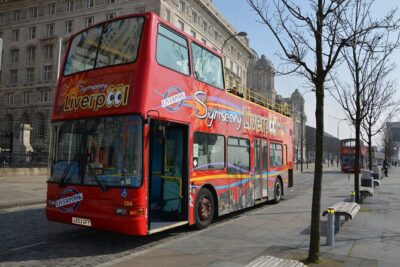 ★ 5.0Liverpool: “Blue Route” – City & Beatles TourFrom $278,562 reviews
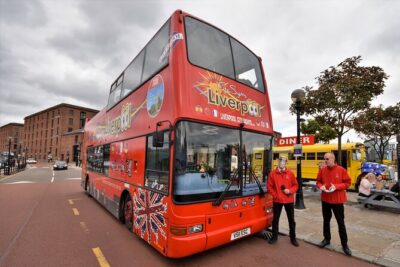 ★ 4.5Liverpool City Sights Hop On Hop Off City Tour – 24hr TicketFrom $192,555 reviews
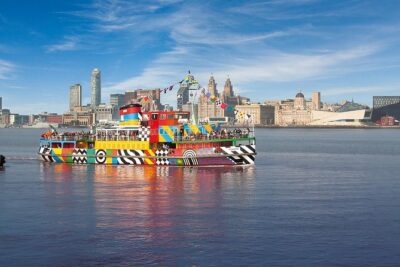 ★ 4.0Liverpool: 50-Minute Mersey River CruiseFrom $171,232 reviews
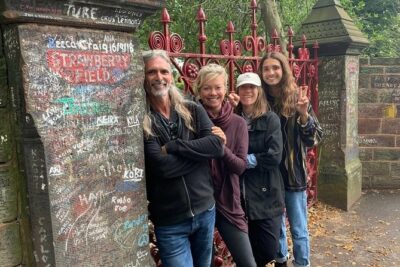 ★ 5.0Private 3-Hour Guided Beatles Classic Tour of LiverpoolFrom $2771,074 reviews
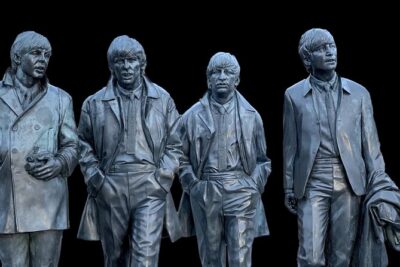 ★ 5.0Mad Day Out Beatles Taxi Tours in Liverpool, EnglandFrom $2081,013 reviews
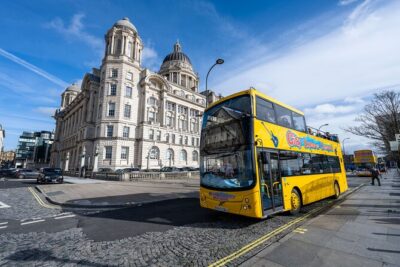 ★ 5.0Ciy Explorer: Hop On Hop Off Liverpool Sightseeing Bus TourFrom $19915 reviews
 ★ 5.0A Walk Through Time: History of Liverpool Walking TourFrom $27911 reviews
 ★ 5.0Liverpool Ghost Walking TourFrom $27862 reviews
Browse the lists this tour appears in