

REVIEW · CITY TOURS
Slavery and City of London Walking Tour
A short walk with big weight. This 1 hour 30 minute City of London tour connects slave labor to places you already recognize, while pointing out lesser-seen streets and structures. I love how the route mixes major landmarks like St Paul’s Cathedral with surprising “wait, what is that?” corners of the City, and I like the small group feel, capped at 35 people. One possible drawback, this topic is heavy, so if you want a light sightseeing mood, you may feel the emotional load.
You’ll meet near Tower Hill and finish at Aldgate, with a guide named Sam who clearly knows how to turn street-level details into real understanding. Expect a walking pace that works for most people, plus a mobile ticket and a tour length that feels right for a morning or early afternoon.
In This Review
- Key Highlights Worth Showing Up For
- Why This Walk Feels Different Than Usual London Sightseeing
- The Route You’ll Actually Walk: Tower Hill to Aldgate
- Stop by Stop: What Each Place Adds (and What to Watch For)
- Ordnance Office at the Tower of London and Granville Sharp
- Roman Wall of Londinium: The City’s Old Border and a Harder Beginning
- East India House Site: Where Company Power Turned Into Human Cargo
- Fenchurch Street and the Fen Gardens Gilt of Cain Sculpture
- Jamaica Wine House Area and the Jamaica Coffee House Connection
- St Mary Woolnoth Church: John Newton’s Role in Abolition
- Bank of England Museum: Apology, Statues, and the City’s Shareholder Past
- St Paul’s Cathedral Finish Area and the St Paul’s Underground Connection
- How the Guide’s Style Helps You Process the Heavy Stuff
- Price and Value: What $27.43 Gets You
- Who This Tour Is Best For (and Who Should Skip It)
- Practical Tips to Get the Most From the Walk
- If You’re Choosing Between This and Other London Tours
- Should You Book This Slavery and City of London Walking Tour?
- FAQ
- How long is the Slavery and City of London Walking Tour?
- Where does the tour start and where does it end?
- How much does the tour cost?
- How big is the group?
- Do I need to bring a paper ticket?
- Is the tour okay to join if I am not an expert on history?
- Are there admission fees for the stops?
- What happens if the weather is bad or I need to cancel?
Key Highlights Worth Showing Up For
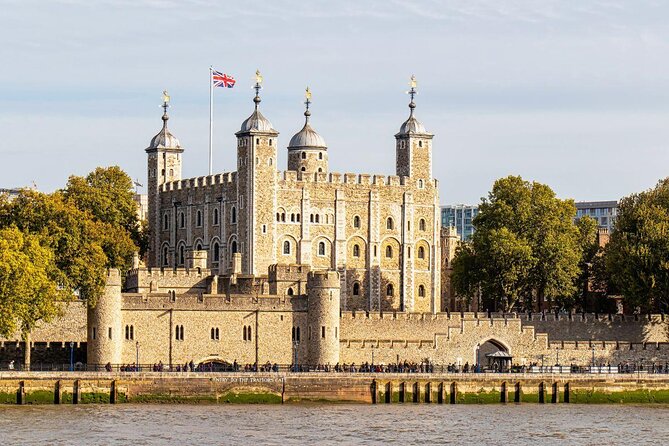
- Sam’s story style blends architecture and historical names, including Granville Sharp and John Newton
- City of London focus means you see the legal and commercial core, not just random photo stops
- Roman wall remains linked to Londinium help you track how slavery stories sit over older layers
- Slave trade connections at real sites like East India House, the Jamaica Wine House area, and the Bank of England
- Free entry stops on the walk are labeled as admission ticket free for multiple points
More on foot, at a pace you can hear the guide
- Tour for Muggles The Ultimate Harry Potter Walking Tour in London★ 5.0 · 4,684 reviews
- London Jack The Ripper Guided Walking Tour★ 5.0 · 3,131 reviews
- Changing of the Guard Guided Walking Tour in London★ 5.0 · 1,793 reviews
- The Great British Rock and Roll Walking Tour★ 5.0 · 1,371 reviews
Why This Walk Feels Different Than Usual London Sightseeing

London can be “pretty and famous” in a hurry. This tour slows that down by using the City’s streets as evidence. You start at the Tower Hill area and then work through the City’s civic, commercial, and church landmarks, each tied to how Britain profited from slavery and trafficking.
The best part is that it does not treat history like a lecture that lives in a museum. It treats the city like a document. You’re walking past names, buildings, and boundaries that explain why the City mattered to empire and finance.
And you do not just get a grim storyline. The tone often turns toward the people who challenged the system, including anti-slavery advocates linked to stops along the way. That balance helps the walk feel grounded instead of purely bleak.
The Route You’ll Actually Walk: Tower Hill to Aldgate
This is not a hop-on, hop-off loop. It’s a structured walk with a clear start and finish, and that matters because you know you’ll end near major transit.
You start at Tower Hill Tram Trinity Square, London EC3N 4TH, and the walk finishes at Aldgate Underground Station, Aldgate High St, London EC3N 1AH. The tour is about 1 hour 30 minutes (approx.), and the group size is up to 35.
That time window is useful if you want history without surrendering your whole day. If you have other plans after, you can often build them around the finish at Aldgate.
Stop by Stop: What Each Place Adds (and What to Watch For)
Ordnance Office at the Tower of London and Granville Sharp
The starting point near the Tower Hill area sets the tone: you begin with a link to Granville Sharp, a prominent anti-slavery figure in 18th century Britain. The tour specifically connects Sharp to the Ordnance Office at the Tower of London, where he was employed.
Why this helps: it prevents the usual “empire equals villains” simplification. By introducing an anti-slavery leader early, you’re nudged to think in terms of conflict and choice, not just distant, unstoppable forces.
What to watch for: in this area you’ll likely feel the density of London history. Keep your eyes open for how modern streets and walls frame older institutional power.
More city runs, half day and full


Roman Wall of Londinium: The City’s Old Border and a Harder Beginning
Next comes the Roman wall of Londinium. The tour frames this wall as part of how Londinium was founded about 2,000 years ago. It also notes that Romans enslaved local people, with reports that they complained about Britons as being “lazy.”
This stop matters because it reminds you slavery is not a single-era invention. The point is not to blur everything into one story. It’s to show continuity: power, conquest, and forced labor show up across centuries in different forms.
Practical note: the stop is brief, about 5 minutes, and the walk keeps momentum. If you tend to miss details when you’re moving fast, pause for a moment and focus on the visible edges of the wall where you can.
East India House Site: Where Company Power Turned Into Human Cargo
Then you hit a major commercial hinge: the site where East India House once stood. This is described as the headquarters for the East India Company, and the tour ties that company’s power to slave labor and the trafficking of people from East and West Africa.
Why you’ll remember this: the East India Company is often taught as spices and trade routes, but here it’s connected to human exploitation as part of the business machine. The City’s corporate DNA is the point.
What to watch for: keep an eye on the way office-heavy streets feel “normal.” The tour uses that contrast on purpose. You’re seeing the backdrop of modern finance while learning what used to fuel it.
Fenchurch Street and the Fen Gardens Gilt of Cain Sculpture
At Fenchurch Street, the tour brings you to Fen Gardens, and specifically the Gilt of Cain Sculpture. The sculpture commemorates the abolition of the transatlantic slave trade.
This is a meaningful shift from direct exploitation sites to commemoration. It helps you understand how societies try to remember, and what it looks like when memorials are placed inside ordinary city space.
If you like symbols, this will land. It’s also a quiet reminder that legal abolition and moral progress do not erase what came before, they just change what the world claims to be doing.
Jamaica Wine House Area and the Jamaica Coffee House Connection
One of the most interesting stops is the Jamaica Wine House area, linked to London’s first coffee house, described as the Jamaica Coffee House. The tour presents this place as a hub connected to the sugar trade and plantations in the West Indies.
This is where the tour becomes very “street level.” Coffee house culture sounds harmless until you connect it to trade networks and money flows tied to plantations and trafficking. The tour uses that to explain how social spaces can plug into exploitation without feeling like they do.
What to watch for: when you’re in this part of the City, you may see a lot of modern commercial life. The tour is basically asking you to compare what you’re seeing today with what the same area helped run back then.
St Mary Woolnoth Church: John Newton’s Role in Abolition
Next is St Mary Woolnoth Church, where the tour connects John Newton to the church as rector. Newton is presented here as a slavery abolitionist.
This stop adds a “personal names” layer. Rather than only institutions and companies, you get a human anchor tied to a specific church location. That makes the abolition story feel less abstract.
Practical consideration: the stop is listed at 10 minutes. It’s enough time to understand why Newton’s name matters in the story, without turning into a long break in the walking rhythm.
Bank of England Museum: Apology, Statues, and the City’s Shareholder Past
The tour then heads to the Bank of England Museum and includes a key modern detail: the Bank has apologized for involvement of some past directors and governors in the slave trade. It also promises to remove all statues and paintings of them from public display in its Threadneedle Street building.
After that, the tour points out the wider civic involvement: sheriffs, mayors, and aldermen of the City met in this setting as shareholders of the Royal Africa Company.
This is one of the strongest “present meets past” moments of the whole walk. It makes you ask a practical question: what does public memory look like inside major institutions?
What to watch for: take a moment here to think about how official history gets built. Even if you’ve seen bank buildings a hundred times, this stop reframes them.
St Paul’s Cathedral Finish Area and the St Paul’s Underground Connection
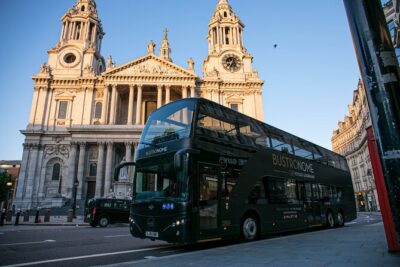
The walk finishes by St Paul’s Cathedral and specifically near St Paul’s Underground station on the Central line. The tour keeps this final stretch brief, about 5 minutes, as you wrap up and head back into transit mode.
Why the finish is well chosen: St Paul’s is a landmark you can’t miss, and it gives you a strong visual cap on a serious theme. Finishing at a major station also keeps the tour practical.
How the Guide’s Style Helps You Process the Heavy Stuff
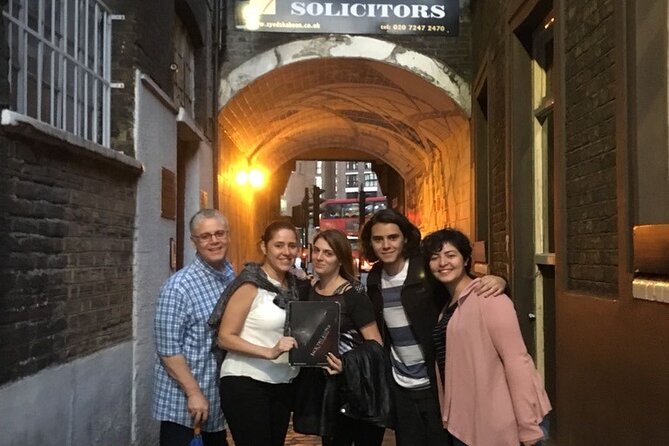
The guide is Sam, and multiple aspects of the experience point to why the tour works.
First, Sam’s approach is conversation-like, not just recitation. That matters for a subject like slavery, because you need time to process. A lively tone also helps you stay present, especially when you’re learning names and locations quickly.
Second, the tour blends layers: Roman history, Victorian or later institutional life, and the commercial machinery of empire. You’ll walk through different eras and see how the same City geography keeps showing up in new roles.
And third, the small group size keeps the experience from feeling like a train of strangers. With a max of 35, you can usually keep your head up and follow what’s happening around you.
Price and Value: What $27.43 Gets You

At $27.43 per person, this tour is not just “cheap sightseeing.” You’re paying for a tight route, a guided narrative, and access to context that you likely would not find on your own in the same time frame.
Duration is about 1 hour 30 minutes, so the value comes from efficient learning per minute. Many stops are street-level and marked as admission ticket free, which also helps you avoid turning the day into a stack of entry fees.
Also, it’s designed for a small group, and that typically means less noise and more ability to stay engaged. If you’re only in London for a short window and want one high-impact walk, this is the kind of option that can justify its price.
Who This Tour Is Best For (and Who Should Skip It)
This tour is ideal if you:
- want City of London detail, not only big-name tourist landmarks
- like history told through specific places and named people
- can handle heavy topics and want a balanced, explanatory approach
It may not be ideal if you:
- want a light, purely scenic walk
- get uncomfortable with slavery-related content and prefer topics that stay gentler
The good news is that the tour doesn’t just pile on brutality. It also frames abolition and response, which can make the emotional arc feel more constructive rather than endless.
Practical Tips to Get the Most From the Walk
A few small choices make a big difference on a tour like this.
Wear shoes you can handle for 1.5 hours of walking. The route links multiple stops, and you’ll want your feet to cooperate.
Bring a phone for the mobile ticket and for quick reference if you want to check names afterward. Also, if you’re visiting in hot or wet conditions, plan around the tour’s weather dependence. It’s stated that the experience requires good weather.
Finally, arrive a few minutes early. The start is at Tower Hill Tram Trinity Square and the walk begins at 12:00 pm, so you don’t want to be sprinting at the start.
If You’re Choosing Between This and Other London Tours
Here’s how I’d decide.
If you want classic London photos with minimal discomfort, you might choose something else. But if you want to understand how London became what it is, you should take a walk like this. The City’s institutions and geography are part of the story, and this tour uses them as evidence.
It’s also a smart “one-and-done” choice if your schedule is tight. You hit the Tower area, Roman layers, City commercial sites, churches, the Bank, and then end at St Paul’s.
Should You Book This Slavery and City of London Walking Tour?
Yes, if you want a focused 90-minute walk that ties real London landmarks to slavery and abolition, and you’re ready for a serious topic handled with clarity and named context. The small group limit, the practical route from Tower Hill to Aldgate, and the fact that multiple stops are listed as admission ticket free all point to strong value.
If you’re on the fence because of the subject matter, decide based on your own comfort level. This isn’t denial and it isn’t a soft-focus story. But it also isn’t only doom. It’s about how the City worked, who profited, and how abolition efforts pushed back.
FAQ
How long is the Slavery and City of London Walking Tour?
The tour lasts about 1 hour 30 minutes.
Where does the tour start and where does it end?
It starts at Tower Hill Tram Trinity Square, London EC3N 4TH, and ends at Aldgate Underground station, Aldgate High St, London EC3N 1AH.
How much does the tour cost?
The price is $27.43 per person.
How big is the group?
The tour has a maximum of 35 travelers.
Do I need to bring a paper ticket?
No. The tour uses a mobile ticket, and confirmation is received at the time of booking.
Is the tour okay to join if I am not an expert on history?
Most travelers can participate, and the tour is designed for people who want to understand the topic through the places they see.
Are there admission fees for the stops?
The stops listed on the itinerary are marked as admission ticket free.
What happens if the weather is bad or I need to cancel?
The experience requires good weather. If it is canceled due to poor weather, you are offered a different date or a full refund. Free cancellation is available up to 24 hours in advance for a full refund.
More City Runs In London






More Of London On Foot






Fresh off the notebook in London
- Private Rock ‘n’ Roll Music Tour of Central London
★ 5.0 · 7 reviews - London Walking Tour: Camden Town Photography Walkabout
★ 5.0 · 7 reviews - Private Transfer from London accommodation to Cruise terminal
★ 5.0 · 7 reviews - Amazing Nightlife in London East Tour
★ 4.5 · 7 reviews - The British Museum: a highlights tour with a TV historian
★ 5.0 · 7 reviews - Heathrow Airport to Cambridge private taxi transfers
★ 5.0 · 7 reviews
City Tours, compared.
 ★ 5.0Liverpool: “Blue Route” – City & Beatles TourFrom $278,562 reviews
 ★ 5.0The Manchester City Stadium TourFrom $354,176 reviews
 ★ 4.5Liverpool City Sights Hop On Hop Off City Tour – 24hr TicketFrom $192,555 reviews
 ★ 4.51.5-hour Oxford City and University Walking TourFrom $381,383 reviews
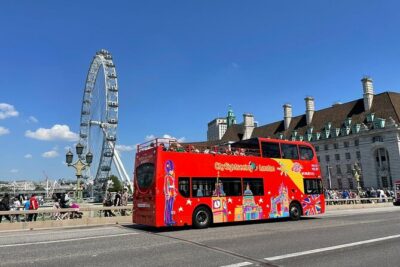 ★ 4.0City Sightseeing London Hop-On Hop-Off Bus Tour & Bookable ExtrasFrom $371,224 reviews
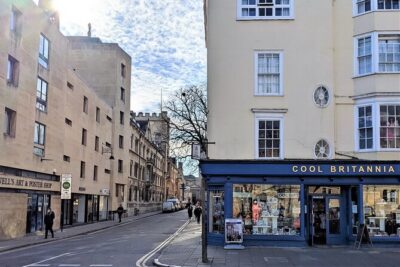 ★ 5.0Oxford Official University & City TourFrom $411,134 reviews
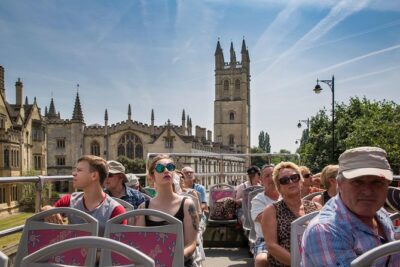 ★ 4.5City Sightseeing Oxford Hop-On Hop-Off Bus TourFrom $271,042 reviews
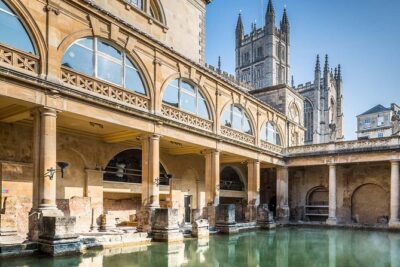 ★ 4.5Roman Baths and Bath City Walking TourFrom $35762 reviews
Browse the lists this tour appears in