
REVIEW · SELF-GUIDED TOURS
Western Approaches Self Guided Tour
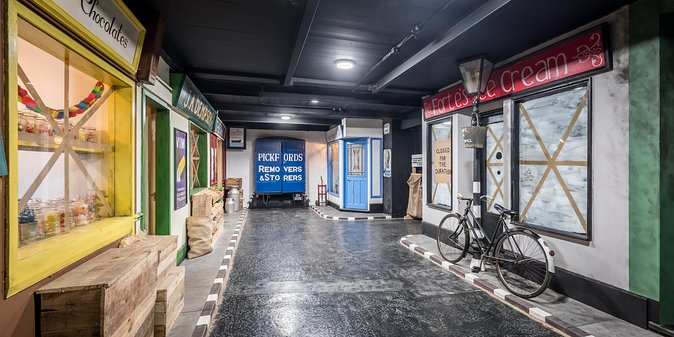
Step into a sealed WWII bunker.
Western Approaches HQ Museum brings the Battle of the Atlantic to life in a way that feels unusually real, since you’re touring a wartime command space still set up like it was. I like that it’s self guided, so you can go room by room without someone steering your timing, and you don’t have to cram it into a rushed group schedule.
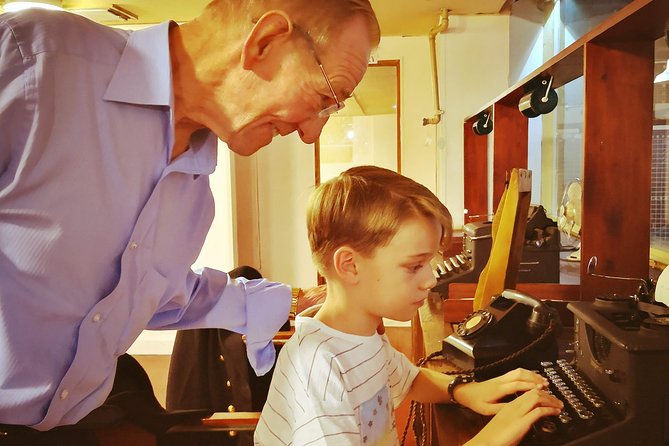
My second big plus is the hands-on, small details approach. You can sit at desks, use wartime machines like typewriters and teleprinter equipment, and see a preserved wartime phone with a connection to the war cabinet in London. The main drawback to keep in mind is that some parts lean on text-heavy, static displays, so if you’re expecting the same high-theater feel as the top London war museums, you might want to calibrate your expectations.
In This Review
- Quick hits before you go
- Why a WWII bunker in Liverpool feels different than normal museums
- Price and timing: a 1 to 2 hour visit that can be worth it
- Finding Western Approaches HQ: location, steps, and first impressions
- Your self-guided flow: how the museum works at your pace
- Stop-by-stop highlights: corridors, hidden rooms, and wartime tools
- The Map Room, convoy routes, and why accuracy mattered
- Hands-on touches: phones, telephone exchange, typewriters, and uniforms
- The final room: hot drinks at wartime prices, games, and a film
- Who should book this self-guided visit in Liverpool
- Price value check: what $24.26 gets you, plus a free return
- Should you book this Western Approaches self-guided tour?
- FAQ
- Is this experience self guided?
- What does the ticket include?
- How long should I plan for the visit?
- What are the opening hours?
- Is the experience available in English?
- Is there an annual pass or free return admission?
- Are there steps into the bunker?
- Are service animals allowed?
- Can I cancel for a full refund?
Quick hits before you go
- A secret HQ under Liverpool City Centre, close to the Town Hall, built for planning convoy battles
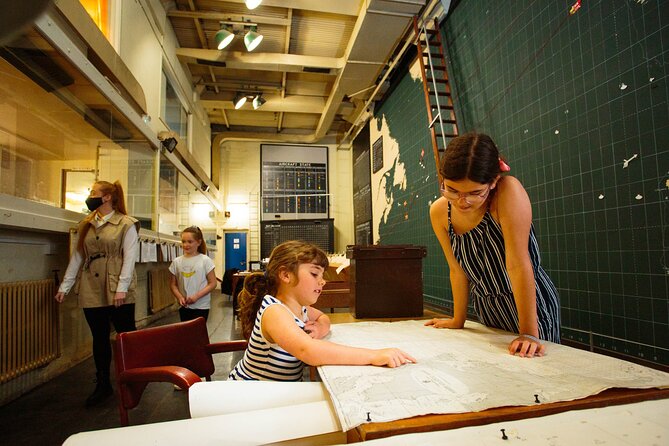
- Map Room exactly as left on 15 August 1945, with the huge convoy map laid out on the table
- Try wartime tech and props, including typewriters, teleprinter machines, and the telephone exchange
- Wartime phone with a London war cabinet link, one of only two surviving phones from that era
- Warm wrap-up space with drinks at wartime prices, plus games and a film about Liverpool in the war
- Annual return admission within 12 months, so one ticket can turn into two visits
Rather go alone? More self led routes here
- Liverpool Ghost Hunt: Paranormal Detective Self-Guided Game★ 4.5 · 26 reviews
- Private Liverpool Self-Guided Tour★ 4.5 · 19 reviews
Why a WWII bunker in Liverpool feels different than normal museums
Liverpool’s WWII story is famous for ships, sailors, and survival. Western Approaches HQ Museum adds a new angle: the intelligence side, the quiet nerve work, the decisions made under pressure. You’re not looking at a sanitized history panel from a safe distance. You’re moving through hidden rooms that were built to protect British tactics and secrets, and the layout makes it easier to understand how information flowed during the Battle of the Atlantic.
What I like most is that the museum doesn’t treat history like a distant movie. The preserved Map Room is the anchor. It’s the kind of place where you can almost picture the day-to-day rhythm: monitor, mark, communicate, adjust. When you see the huge map laid across the table, and you understand that accuracy mattered to keep convoys alive, the story lands faster than it would from a lecture.
If you enjoy war history but also like learning how systems worked, this is a smart stop in Liverpool. It’s also a good fit if you want something more specific than a general WWII museum, because this focuses tightly on the Battle of the Atlantic and the people who processed convoy intelligence.
Price and timing: a 1 to 2 hour visit that can be worth it
The price is listed at $24.26 per person, and the visit length is about 1 to 2 hours. That range is important. In a museum this size, time tends to depend on how long you pause at the details. If you’re the kind of person who reads labels and then looks up again to re-check a machine or a map, you’ll drift toward the 2-hour end.
Value is where this tour surprises people, because the deal includes entry to the Western Approaches Museum and also comes with an annual pass concept: you can get free return admission within 12 months. So if your Liverpool trip has room for one more return day, the ticket can stretch further than a one-and-done visit. Even if you don’t return, the museum is positioned like a focused experience rather than a half-day commitment.
Planning tip: average bookings are made about 21 days in advance, which suggests it’s smart to reserve ahead, especially during busier periods. Also, the museum runs daily from 10:00 AM to 6:00 PM, which gives you lots of flexible timing once you’re in town.
Finding Western Approaches HQ: location, steps, and first impressions
Western Approaches HQ sits under Liverpool’s city centre, close to the Town Hall. A common way to approach is from the Albert Dock area. One review noted it’s about a five-minute walk from Albert Dock, which sounds believable if you’re already doing the docks for harbor views and old warehouses.
Here’s the practical thing to expect: the entrance is at street level, then you descend down steps into the bunker. That matters if you have mobility limitations or if stairs tire you quickly. The overall physical requirement is listed as moderate fitness, so you’ll want to factor in that staircase down and back up.
Also, Liverpool’s street signage can be inconsistent. If you like to wander with a map app, you’ll be fine, but if you depend on clearly marked attractions, give yourself a few extra minutes to confirm you’re at the correct entrance before paying and descending.
Your self-guided flow: how the museum works at your pace
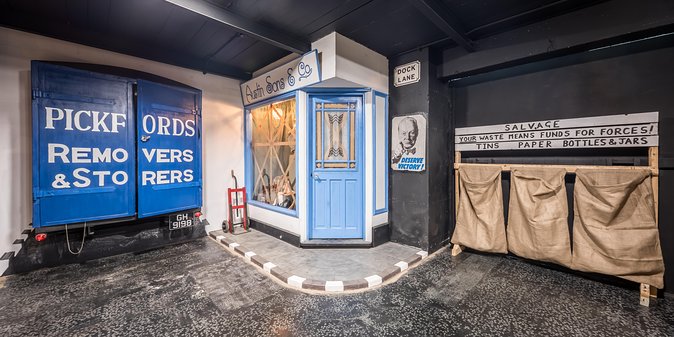
This is a self guided experience. That sounds simple, but it changes the feel of the visit. Instead of following a script, you can decide what to linger on, and it’s easier to revisit one room if a map or label clicked in your brain only after you walked into the next space.
You’ll start with entry to the museum and then move through the bunker corridors and rooms. Expect a mix of interpretive storytelling and preserved sets, plus hands-on touches. The tour is designed so that you can walk through corridors, sit at desks, play with wartime equipment like typewriters and teleprinter machines, and look at areas like the telephone exchange. There’s also a uniforms component, so you may be able to try on uniform items as part of the experience.
The whole point is to help you understand how real people worked in a confined underground HQ. If you keep your pace relaxed, the experience feels more believable, because you get time to connect room details to the bigger Battle of the Atlantic picture.
Other guided options for the same sights


Stop-by-stop highlights: corridors, hidden rooms, and wartime tools
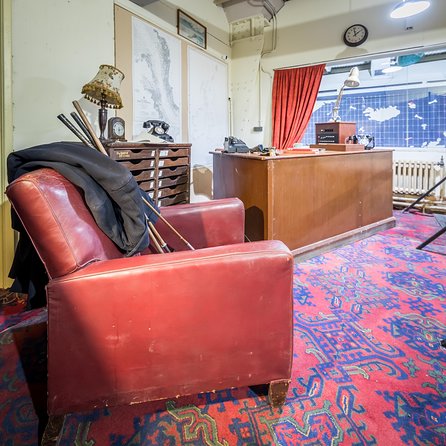
The museum is built around the Battle of the Atlantic story, and you’ll see it through the lens of intelligence, planning, and communication. One of the first big impressions is how the site emphasizes secrecy. The hidden rooms and tucked-away spaces are not decorative. They reinforce the idea that the HQ’s purpose was to protect knowledge from reaching the enemy.
As you move room to room, you’ll see documents and tools used to monitor enemy convoys and feed findings to the British government. A standout item is the surviving wartime phone with a direct connection to the war cabinet in London. That kind of object does more than add drama. It makes the chain of command feel tangible. You can almost map the journey from observation to decision.
You also get a sense of the working environment. The museum recreates how commanders and service personnel worked every day and night. Names of roles are part of the story, including WRNS and WAAF personnel, who you’ll learn about in the context of the Map Room and the daily operation of convoy monitoring.
A practical note: part of the experience is visual and text-based. If you’re in a quick-read mood, you might fly through it. If you love detail, the amount of reading can become a feature, not a bug. Either way, keep an open mind about the museum style.
The Map Room, convoy routes, and why accuracy mattered
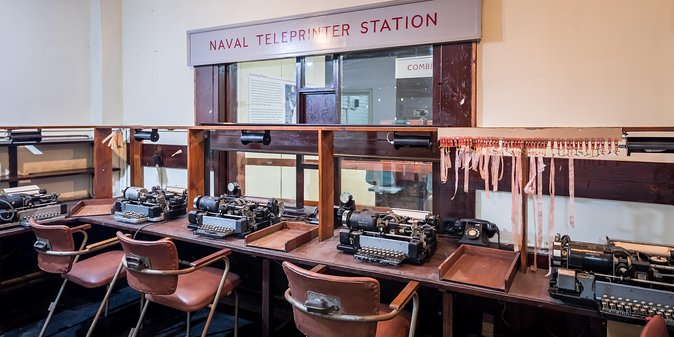
The Map Room is the star. It’s described as the nerve centre of the bunker, where people monitored convoy routes and shipping lines and pinpointed enemy locations on a huge map spread across a table. The museum makes a strong point that accuracy was not optional. In this kind of work, a small error could lead to a missed target, a delayed response, or a dangerous routing decision.
What I love here is that the room is presented as it was left when the doors closed on 15 August 1945. That’s a rare kind of historical framing. Instead of asking you to imagine the setting, the museum shows you the setting, then ties the objects to the job.
As you stand in that space, pay attention to how the map layout connects to the idea of live tracking. Even if you don’t leave with exact technical knowledge, you leave with a clearer picture of how intelligence translated into action for the Royal Navy.
This is also where your self-guided pacing helps. Spend extra time here if you can. It’s the one room where you’ll likely want to take a moment, look around, and then read any explanation you skipped on the first pass.
Hands-on touches: phones, telephone exchange, typewriters, and uniforms
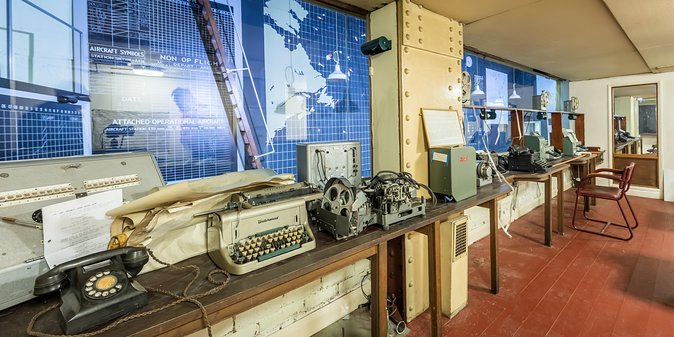
This museum is not only about looking. You can actually interact with parts of the wartime theme. Expect the experience to include items like the telephone exchange and opportunities to sit at desks. The museum also offers chances to play with or handle working-style equipment such as typewriters and teleprinter machines.
Uniform try-ons are another hands-on element. Even if you don’t get a long role-play moment, the effect is real. Putting on something that resembles a wartime uniform item makes the story feel less like abstract history and more like a job done by people with routine, nerves, and responsibilities.
One more detail worth noting: the phone story is a highlight. The museum includes one of only two surviving wartime phones with a direct connection to the war cabinet in London. That’s the kind of fact that makes an object matter. It moves from being a prop to being a surviving piece of the actual communications world.
If you’re visiting with kids or teens, these interactive pieces can be the difference between a boring walk-through and a visit they remember. If you’re traveling solo or as a couple, they still add something that static exhibits cannot.
The final room: hot drinks at wartime prices, games, and a film
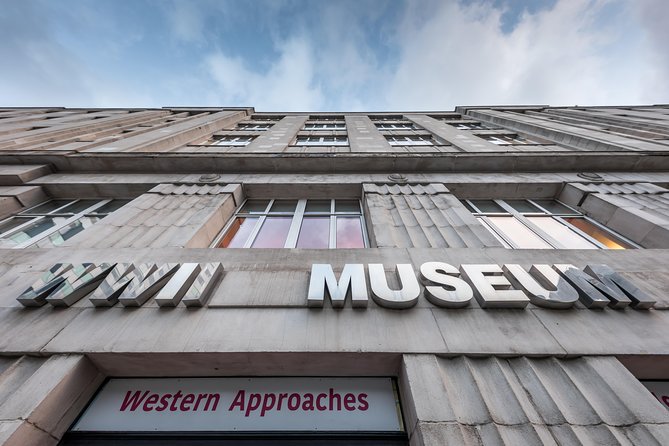
At the end of the tour, there’s a wrap-up space with hot drinks at wartime prices. That detail is small, but it fits the museum’s overall tone. It’s not just a gift-shop moment. It’s a transition from the intelligence rooms back into something more relaxed, while keeping the wartime theme going.
You’ll also find traditional games and a film about life in Liverpool during the war. This matters because the bunker focuses on convoy intelligence, but people also want to understand what the broader war life felt like above ground. The film and games provide that bridge.
If you’re short on time, you could skip the film. But if you’ve spent an hour absorbing the bunker’s intense focus, the film can help you reset and connect the intelligence work to daily life in Liverpool.
Who should book this self-guided visit in Liverpool
This is best for three types of travelers.
First, WWII and Battle of the Atlantic history fans. If you like convoy stories, naval operations, or intelligence history, this museum gives you a focused look at the system behind the battles.
Second, people who enjoy hands-on museums. The mix of seating, equipment interaction, phone and telephone exchange viewing, and uniforms makes this more active than many underground history sites.
Third, families who want something that is still educational but not purely lecture-style. The venue is set up for self pacing, and the interactive elements can keep kids engaged.
Who might want to adjust expectations? If your ideal museum is heavy on audio guide narration, high-tech interactivity, and lots of moving visuals, you might find parts text-heavy and less animated than the biggest, most theatrical war museums.
Price value check: what $24.26 gets you, plus a free return
For about $24.26, you’re paying for entry to the Western Approaches HQ Museum, a self-guided route through multiple rooms, and access to the Map Room setup, interactive stations, and the end lounge with drinks, games, and a wartime film. The visit is also structured so you can see why the bunker existed and how intelligence supported the Allied victory.
The best value feature is the annual pass idea. A free return within 12 months means you could revisit when you have more time to read labels, or come back with another person who didn’t join the first trip. If you’re planning a longer stay in Liverpool, that alone can make the museum feel like a bigger purchase than the initial price suggests.
Add the daily hours, the self-paced style, and the fact it typically fits into 1 to 2 hours, and it’s a low-risk ticket if you’re building a WWII themed day.
Should you book this Western Approaches self-guided tour?
I think it’s worth booking if you want a focused WWII experience in Liverpool, not just another set of war artifacts. The preserved bunker setting, the Map Room, the preserved wartime phone, and the hands-on touches are the reasons to choose it. If you’re a history buff, you’ll enjoy how specific this is about convoy intelligence and how decisions were made.
Book it especially if you’re flexible on time and you like wandering at your own pace. Since it runs 10:00 AM to 6:00 PM daily, it’s easy to slot in between docks, museums, and city walks.
Skip or reconsider if you need highly interactive audio and lots of video-based storytelling throughout. This museum shines when you slow down and read, look closely, and let the preserved rooms do the work.
If you’re torn between this and a bigger, more theatrical war museum elsewhere, choose based on the kind of experience you want today. Western Approaches is smaller, more tactile, and very rooted in the reality of an intelligence HQ.
FAQ
Is this experience self guided?
Yes. You explore the Western Approaches Museum at your own pace, walking through the bunker rooms without needing to follow a group.
What does the ticket include?
Admission to the Western Approaches HQ Museum is included, including access to the Battle of the Atlantic experience inside the bunker.
How long should I plan for the visit?
Plan for about 1 to 2 hours.
What are the opening hours?
The museum is open daily from 10:00 AM to 6:00 PM, with the listed hours applying across the date range shown.
Is the experience available in English?
Yes. The experience is offered in English.
Is there an annual pass or free return admission?
Yes. An annual pass is included, and you can return for free admission within 12 months.
Are there steps into the bunker?
Yes. There are steps down into the bunker, so it helps to have moderate physical fitness.
Are service animals allowed?
Yes. Service animals are allowed.
Can I cancel for a full refund?
You can cancel for a full refund up to 24 hours before the experience’s start time. Canceling less than 24 hours before the start time is not refundable.
Other Departures With A Guide Attached





Routes You Can Walk Unaccompanied

Fresh off the notebook in Liverpool
- Welcome to Liverpool Tour – 2 Hour Private Walking Tour
★ 5.0 · 7 reviews - 3 Hours Private City Highlights Liverpool Walking Tour
★ 5.0 · 7 reviews - Football Experience With A Local Host In Liverpool
★ 4.5 · 8 reviews - Liverpool Football Club Museum Entry
★ 5.0 · 10 reviews - The Liverpool Pass®: All top attractions inc. Hop-On Hop-Off Bus Tour | 2-Days
★ 4.5 · 11 reviews - 2-Hour Private Liverpool Walking Tour
★ 5.0 · 12 reviews
Self-Guided Tours, compared.
 ★ 4.0Westminster Abbey Entrance Ticket Including Audio GuideFrom $41661 reviews
 ★ 3.5Windsor Castle Tour from London with Transportation & Audio GuideFrom $94222 reviews
 ★ 4.0London Panoramic Open Top Bus Tour with Audio GuideFrom $48209 reviews
 ★ 4.5Romans, Vikings and Medieval York: An Audio TourFrom $11118 reviews
 ★ 4.5Emirates Stadium and Arsenal Museum Entrance Ticket Including Audio GuideFrom $48113 reviews
 ★ 4.5Private Self-Guided Dinky Door Hunt in CambridgeFrom $11103 reviews
 ★ 5.0Buckingham Palace: Walking Tour with Entry & Audio GuideFrom $9291 reviews
 ★ 5.0Harry Potter PUBLIC Tour + Self Guided Christ church Daily 12.45From $8382 reviews