
REVIEW · BIRMINGHAM AND THE MIDLANDS
Digbeth, Public Art & Peaky Film
Birmingham hides street art in plain sight. This 2 hours 15 minutes walk, led by local author Jonathan Berg, links the city centre to Digbeth, mixing public art, Birmingham history, and real Peaky Blinders filming vibes.
I love the live audio receiver, because it lets you stop for photos and still hear every detail on busy sidewalks. I also like the way Jonathan connects older and newer Birmingham, from the Victorian art era to today’s street scene, in stories that stay easy to follow. The main drawback is simple: this is a proper walking tour, so you’ll want a moderate fitness level and shoes you can trust on inner-city streets.
In This Review
- Key things to know before you go
- From the Bull statue to St Martin in the Bull Ring
- Getting your bearings in Centenary Square and Grand Central
- Digbeth street art, Peaky Blinders filming vibes, and Birmingham’s origin story
- Peaky Blinders context without the hype
- Graffiti vs street art, and why it helps to learn a few signs
- The best part of Digbeth: art you would skip alone
- Custard Factory: Birds custard, bohemian street art, and the walls with attitude
- How to use your short stop well
- Why Jonathan Berg’s guiding style works so well
- The audio receiver is not a small perk
- Group size and support help keep the experience smooth
- Price and value: what $19.43 really buys you
- What you should bring to get your money’s worth
- Who this tour is best for
- Should you book Digbeth, Public Art and Peaky Film?
- FAQ
- How long is the Digbeth walking tour?
- Where does the tour start and end?
- What is the price per person?
- Is the tour offered in English?
- Do I need earphones for the audio receiver?
- Are there admission fees at the stops?
- What group size should I expect?
- Is free cancellation available?
Key things to know before you go
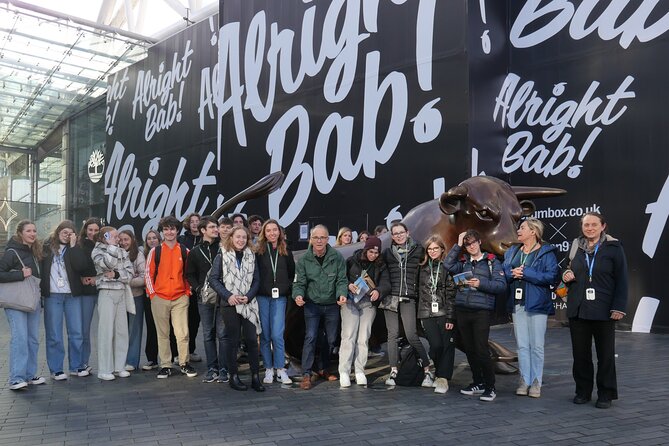
- Jonathan Berg is the guide, and his local author angle keeps the history human, not textbook.
- Audio receivers help on crowded streets, so you can wander a bit while staying in sync.
- Digbeth is the star, with public art that sets up the Peaky Blinders film backdrop.
- Custard Factory is a bohemian art stop, including graffiti and street art in unexpected spots.
- Small group size up to 35 people helps you keep a conversation going and ask questions.
More Midlands walks, canals and all
- Birmingham Walking Tour: Canals, Victorians & Today (1:30pm)★ 5.0 · 346 reviews
- Discovering Birmingham 2 hour Walking Tour to the Jewellery Quarter★ 5.0 · 333 reviews
- Birmingham City Centre Daily Walking Tour (10:30am & 2pm)★ 5.0 · 265 reviews
- SEA LIFE Birmingham Admission Ticket★ 3.0 · 218 reviews
From the Bull statue to St Martin in the Bull Ring
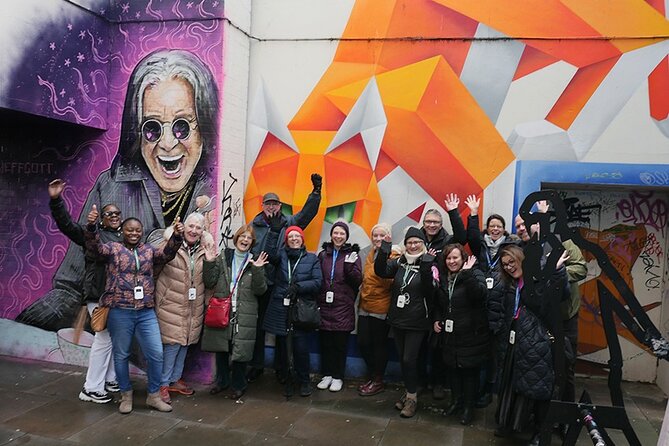
Most walks start with a landmark. This one starts with the Bull at Bullring, so you’re oriented fast. You begin at BullBirmingham (B5 4BU), then take a short stroll along the Bullring Shopping Centre walkway, using the area as your launching pad for what Birmingham is and why it developed the way it did.
Then you step past St Martin in the Bull Ring, the historic church that adds a strong sense of time depth right at the start. Even if you’re not a big church person, it helps to see how Birmingham’s modern energy sits alongside older roots.
Why this first stretch matters: it sets your baseline. You start noticing details, street angles, and the way public space shapes how people move, meet, and hang out. That makes the art stops later feel more grounded, not random.
A practical note: the opening segments are short and easy on paper, but you’re still walking in real urban conditions, so keep a steady pace and don’t plan on being stationary for long.
Getting your bearings in Centenary Square and Grand Central
As the tour moves through the city centre, you’ll pass through places that many visitors rush through without clocking what they mean. Centenary Square and Grand Central are both on the route, and they help you understand Birmingham as more than just an out-of-the-way neighborhood or a shopping stop.
This part works best if you treat it like a visual warm-up. Look up at façades, notice street-level design, and pay attention to where people gather. The guide’s job here is to connect those choices in the built environment to the city’s art story.
Value for you: even if you already know Birmingham’s big names, this quick city-centre section makes the Digbeth contrast hit harder. You see how the centre presents itself today, and then you walk toward the grittier, louder creativity in Digbeth.
Digbeth street art, Peaky Blinders filming vibes, and Birmingham’s origin story
Digbeth is where the walk stops being just informative and starts feeling like a city you can read. This is the longest segment, and it’s where you’ll spend about an hour moving through the streets, watching public art appear in places you might not notice on your own.
The guide, Jonathan Berg, tells Birmingham’s origins and how the city grew into what it is now. You also get the art scene story, from Victorian-era art influences through to present-day street art culture. That timeline matters because it explains why wall art in Birmingham isn’t just decoration. It is part of the city’s identity.
Peaky Blinders context without the hype
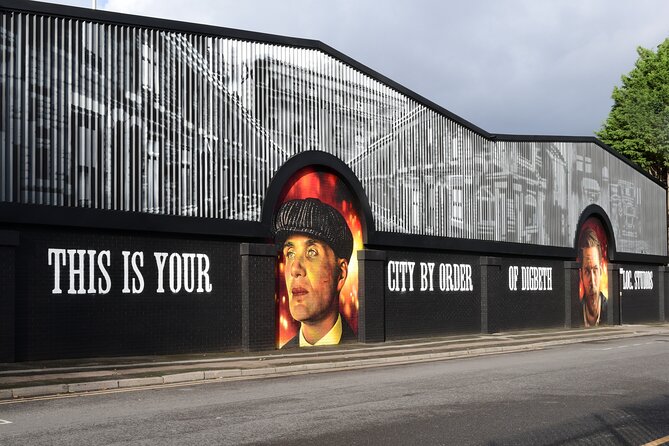
You’ll also learn about Digbeth’s connection to the Peaky Blinders feature film. You’re not just looking at murals like postcards. You’re getting the context for why certain areas feel cinematic, why settings matter, and how the show’s mood connects with the actual streets around you.
Graffiti vs street art, and why it helps to learn a few signs
I like that you’re encouraged to pay attention to the difference between graffiti and street art. It’s not about memorizing artist names. It’s about starting to recognize styles, intentions, and the way different works use color, lettering, and placement.
On this kind of walk, that skill changes what you notice. When you can tell what you’re looking at, the city becomes more rewarding each minute you keep walking.
The best part of Digbeth: art you would skip alone
If you’ve ever walked past street art and thought, I should look that up later, this tour fixes that. Jonathan points out pieces and explains why they matter, so you leave with an actual map in your head, not just a few photos.
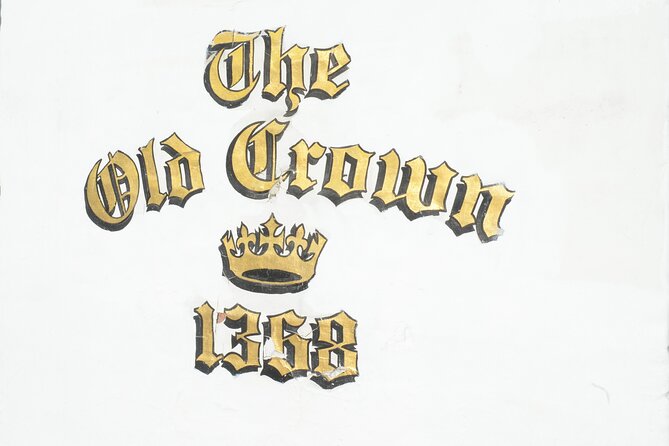
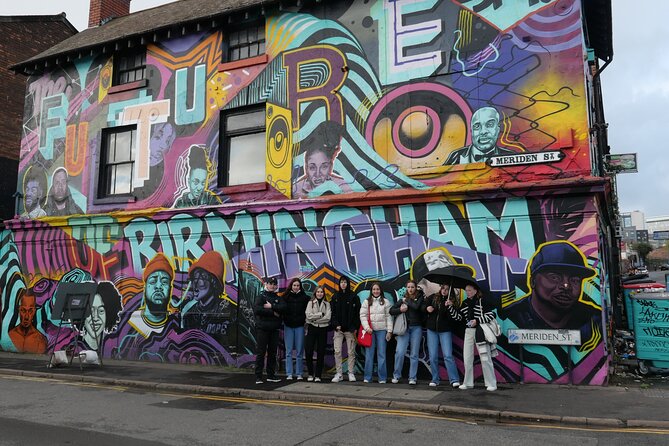
In one example tied to the route, a mural of Ozzy Osbourne by R Jeffcott was mentioned as a stop for a group photo. You might or might not hit that exact moment depending on your guide’s choices and your timing, but it signals the kind of pop-culture plus local pride mix you can expect in Digbeth.
Drawback to keep in mind: Digbeth streets can be busy and visually cluttered. That’s why the audio setup is such a big deal here. If you don’t have earphones or you forget them, you’ll feel disconnected from the stories, especially when you pause often to look closely.
Custard Factory: Birds custard, bohemian street art, and the walls with attitude
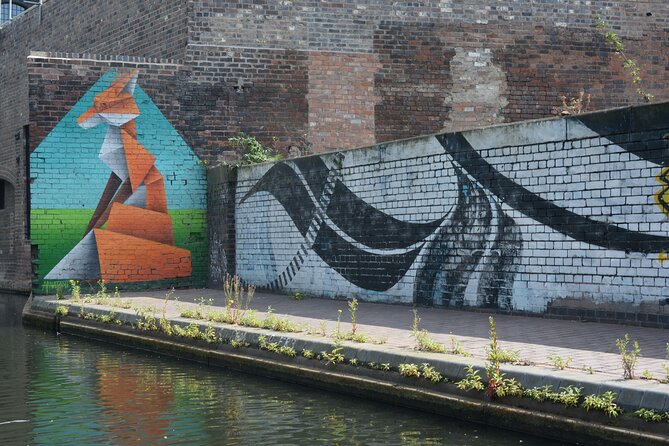
After Digbeth, you shift to the Custard Factory, a bohemian area known for creative energy and street art where it’s not always obvious you’re about to see something striking. You get about 15 minutes here, which is short, but it’s enough time to do one smart loop: look, photograph, and then look again with the guide’s context in mind.
The stop is tied to Birds custard, and that local food-industry nod gives you a different angle on the art scene. This isn’t just art for art’s sake. It’s also about place, older industry, and how creative communities take over space and remix it.
How to use your short stop well
With only around 15 minutes, you need to move efficiently. I’d focus on:
- Finding a couple of murals that genuinely grab you, not trying to photograph every wall.
- Pausing long enough to spot details the first glance misses, especially lettering, layered colors, and background scenes.
- Listening for the guide’s explanation before you walk on, because the meaning often changes what you think you’re seeing.
If you like street art, this stop tends to feel like the payoff. You’ll likely notice graffiti and street art in unexpected places, and you’ll understand why that style works on people who live in these streets, not just tourists passing through.
Why Jonathan Berg’s guiding style works so well
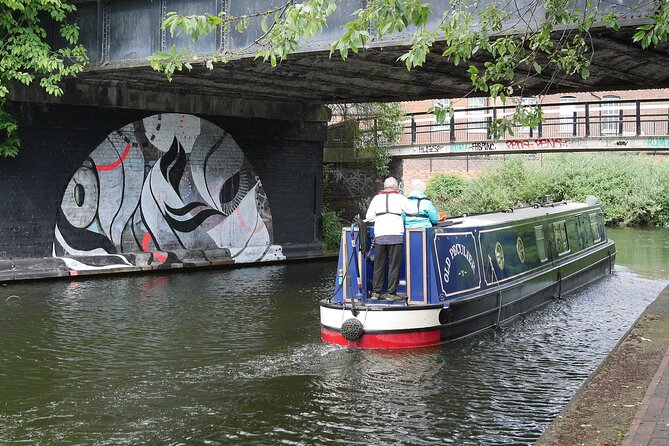
A walking tour can be great on paper and still feel flat in real life. This one has a clear advantage: the guide’s voice and pacing keep you engaged.
Jonathan Berg is the lead, and he’s an author of local works, which shows in how he tells the city’s story. The best part is how he turns questions from the group into real conversation. You’re not just receiving facts. You’re learning how people think about Birmingham.
The audio receiver is not a small perk
You get a live audio receiver, and you’ll want earphones with a 3.5 mm jack. The tour says you can bring your own, or they supply earphones for a donation of £1. This matters because it lets you keep a comfortable pace, stop for photos, and still stay connected to the guide’s commentary.
In a street-art area, you’re going to slow down. Without audio, you end up playing catch-up. With audio, you can keep looking around while your attention stays anchored.
Group size and support help keep the experience smooth
The tour runs with a maximum of 35 travelers. In reviews, there’s mention of support from Raj on busier days, which makes sense for crowd flow and for keeping everyone oriented.
Practical takeaway: this is the kind of tour where you can ask a question at a wall, then answer it without the whole group losing momentum.
Price and value: what $19.43 really buys you
At $19.43 per person for about 2 hours 15 minutes, you’re not paying for attractions. You’re paying for interpretation.
That’s the key value here. The stops themselves are free. What you’re buying is:
- a guide who can connect Victorian-era art to modern street culture
- time in Digbeth, where the art is best understood in context
- a live audio setup that helps you experience the walk at your own rhythm
If you’ve ever felt like you paid for a tour and still wandered alone, this one is the opposite. The format gives you freedom to pause, but it keeps the story running in your ear.
What you should bring to get your money’s worth
- Earphones with a 3.5 mm jack, if you have them
- Comfortable walking shoes for city pavements
- A phone with enough battery for photos, since you’ll want to document what you see
- Light weather gear, since the route is outdoors
Also consider walking with a small mindset shift. Instead of chasing every mural, try to pick 3 to 5 that you truly want to understand. You’ll learn more and enjoy the time more.
Who this tour is best for
This walk is a great fit if you:
- like street art and want a framework for what you’re seeing
- want Peaky Blinders vibes with real geography behind it
- enjoy city history that starts at street level, not in a museum room
- want a short Birmingham experience that covers both centre sights and Digbeth’s character
It also works well for first-timers to Birmingham, including locals who feel they know the city but have never studied the art scene closely.
If you hate walking tours or you want a strictly seated, low-effort sightseeing day, this may feel like too much movement for your style. But for anyone with moderate fitness and a curiosity for the city’s walls, it’s a smart use of time.
Should you book Digbeth, Public Art and Peaky Film?
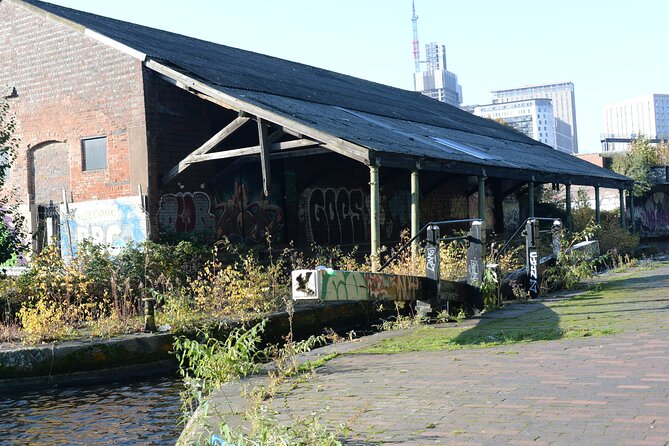
I’d book it if you want Birmingham with texture. This tour gives you public art in Digbeth, a story that links art eras, and a clear sense of place. The audio receiver is genuinely useful, and it helps you experience street art at the speed you need to notice details.
Skip it only if you prefer big-ticket attractions, or if you don’t want to walk around urban streets for a bit over two hours. Otherwise, it’s one of the better ways to spend a half-morning in Birmingham, especially if you plan to keep exploring after you’re done at the Bullring.
FAQ
How long is the Digbeth walking tour?
It runs for about 2 hours 15 minutes.
Where does the tour start and end?
The tour starts at BullBirmingham, B5 4BU, UK, and usually finishes back at the Bullring Shopping Centre.
What is the price per person?
The price is listed as $19.43 per person.
Is the tour offered in English?
Yes, it is offered in English.
Do I need earphones for the audio receiver?
You should bring earphones with a 3.5 mm jack. Earphones can also be supplied for a donation of £1.
Are there admission fees at the stops?
The stops listed show admission ticket free.
What group size should I expect?
The tour has a maximum of 35 travelers.
Is free cancellation available?
Yes. You can cancel for a full refund if you cancel at least 24 hours before the experience start time.
More Midlands Walks




Fresh off the notebook in Birmingham
- Birmingham Gangs Nighttime Historical Walking Tour with Pub Stops
★ 5.0 · 53 reviews - Digbeth, Public Art & Peaky Film
★ 5.0 · 91 reviews - Skip the Line: House and Garden Admission Ticket
★ 4.5 · 122 reviews - Fun, Flexible Treasure Hunt Around Birmingham with Cryptic Clues & Hidden Gems
★ 5.0 · 167 reviews - SEA LIFE Birmingham Admission Ticket
★ 3.0 · 218 reviews - Birmingham City Centre Daily Walking Tour (10:30am & 2pm)
★ 5.0 · 265 reviews
Birmingham and the Midlands, compared.
 ★ 5.0Peaky Blinders Coach Tour of Outer Liverpool & The WirralFrom $55433 reviews
 ★ 5.0Birmingham Walking Tour: Canals, Victorians & Today (1:30pm)From $20346 reviews
 ★ 5.0Discovering Birmingham 2 hour Walking Tour to the Jewellery QuarterFrom $20333 reviews
 ★ 4.5Birmingham Slogging Gangs Walking Tour with Edward ShelbyFrom $27306 reviews
 ★ 5.0Birmingham City Centre Daily Walking Tour (10:30am & 2pm)From $19265 reviews
 ★ 3.0SEA LIFE Birmingham Admission TicketFrom $26218 reviews
 ★ 5.0Fun, Flexible Treasure Hunt Around Birmingham with Cryptic Clues & Hidden GemsFrom $20167 reviews
 ★ 5.0Daily Nottingham City Centre Walking Tour (10:30am)From $1981 reviews
Browse the lists this tour appears in