
REVIEW · BIRMINGHAM AND THE MIDLANDS
Birmingham Walking Tour: Canals, Victorians & Today (1:30pm)
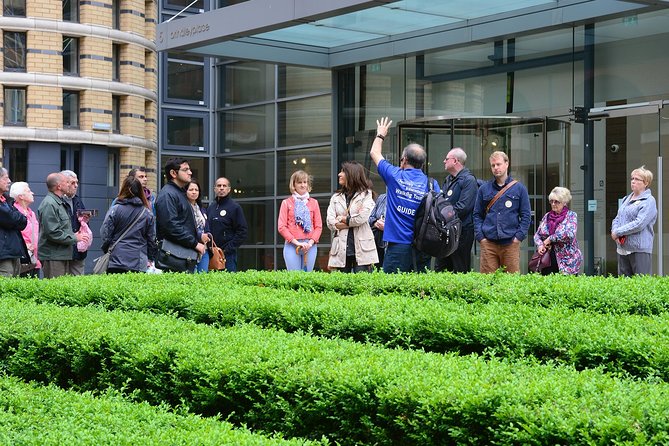
Birmingham can feel like two cities at once, and this walk stitches them together. You start at the modern Library of Birmingham, then move through places like Gas Street Basin and the ICC, where the city’s past and present talk to each other. Guides like Jonathon and Michael bring it to life with sharp pacing, jokes, and real local context.
Two things I like a lot: the tour gives you fast orientation to the city center, and the guide uses an audio system so you can hear clearly while you keep walking. I also like that the route is designed as a tight loop, with short stops that still cover big themes like canals, Victorian civic life, and what Birmingham looks like now.
One possible drawback: if you came specifically for a long, deep canal experience, you may wish the canal emphasis was heavier. The walk includes the canal story at Gas Street Basin, but it spreads attention across Victorian squares and major modern landmarks, too.
In This Review
- Key highlights to look forward to
- A tight 2-hour Birmingham circuit that teaches you how the city ticks
- Starting at the Library of Birmingham: a modern landmark that anchors the story
- The ICC and Symphony Hall area: where today’s culture meets city planning
- Brindleyplace: a history-to-modern bridge in one stop
- Gas Street Basin: the canal atmosphere that earns the tour’s name
- Victoria Square and Chamberlain Square: how Victorian Birmingham shaped public space
- Birmingham Museum & Art Gallery, then The Mailbox and The Cube views
- The Ikon Gallery and Hall of Memory: Art, architecture, and what people built to remember
- ICC Mall and the Town Hall return: finishing where Birmingham shows its civic core
- Guides make the difference, and the small-group feel helps
- Who should book this Birmingham walking tour?
- Who might want a different option?
- Should you book it?
- FAQ
- What is the duration and start time?
- Where do I meet the guide?
- What does the $20.80 price include?
- Do I need earphones for the audio receiver?
- How far is it to walk and how fit do I need to be?
- What happens if weather is poor, or I need to cancel?
Key highlights to look forward to
- Library of Birmingham as your jump-off point, a striking modern start that sets the tone fast
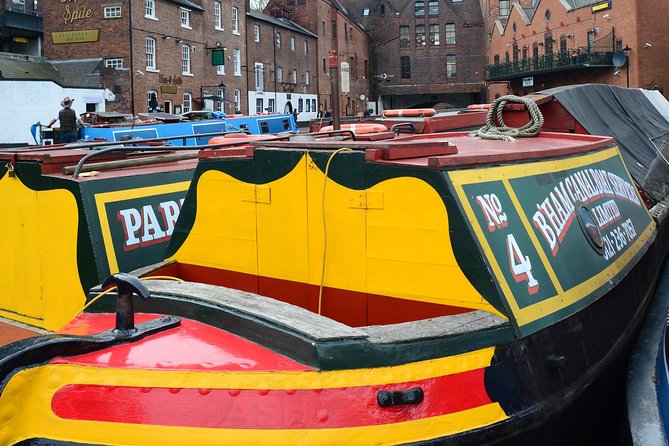
- Gas Street Basin and the canal network story, a dramatic change of atmosphere for the route
- Victorian-era civic squares, including Victoria Square and Chamberlain Square for how the city grew
- Big-city landmarks without long detours, quick hits at the ICC, Brindleyplace, and Symphony Hall area
- Music, media, and museums in one sweep, from the Birmingham Museum and Art Gallery to The Mailbox and BBC HQ
- War memory with style at the Hall of Memory, with Art Deco details and William Bloye tablets
More Midlands walks, canals and all
- Birmingham Walking Tour: Canals, Victorians & Today (1:30pm)★ 5.0 · 346 reviews
- Discovering Birmingham 2 hour Walking Tour to the Jewellery Quarter★ 5.0 · 333 reviews
- Birmingham Slogging Gangs Walking Tour with Edward Shelby★ 4.5 · 306 reviews
- Birmingham City Centre Daily Walking Tour (10:30am & 2pm)★ 5.0 · 265 reviews
A tight 2-hour Birmingham circuit that teaches you how the city ticks
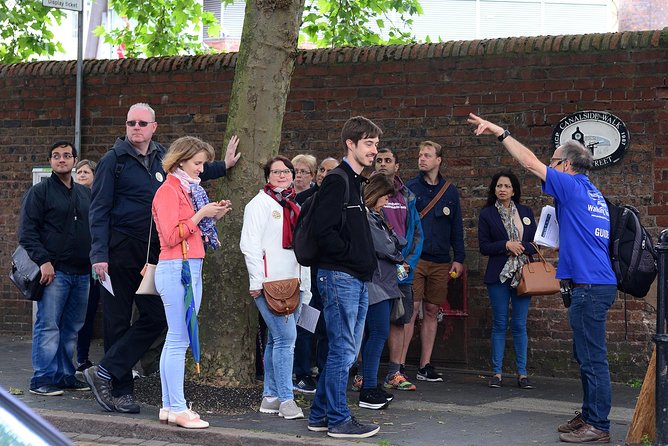
This tour is built for people who arrive in Birmingham and want to understand the place quickly, without signing up for a full day. It runs about 2 hours and keeps stops short, so you get variety without losing the thread. The pacing is brisk, but the guide typically holds good timing, so you feel like you are moving through real neighborhoods, not trapped in a bus-style checklist.
You also get a practical setup for hearing the guide. Each guest gets a live audio receiver, and you listen through your own 3.5mm earphones, or you can be provided with a pair. That matters in cities like this, where groups get spread out and noise is constant. It makes it much easier to follow the stories while still keeping your place in the walk.
Best of all, the tour does not try to do everything. It picks major turning points, then connects them with context: industry, civic planning, canals, and modern reinvention.
Starting at the Library of Birmingham: a modern landmark that anchors the story
The walk begins at the Library of Birmingham in Centenary Square. Even before you hear any facts, the building helps you read the city differently. It signals that Birmingham is not just history, it is currently being written.
This first stop is also a good strategy for you if you are new to the center. You get that early orientation moment, and once your bearings are set, every later stop feels more intentional. The visit is short, but it sets up the guide’s main approach: show a place, explain why it matters, then connect it to what you will see next.
If you like architecture, you will appreciate the way this modern centerpiece frames the rest of the route. If you prefer stories, it still works, because it gives the guide a clean starting point before the walk becomes a map of Birmingham’s identity.
The ICC and Symphony Hall area: where today’s culture meets city planning
Next up is the International Convention Centre Birmingham and the nearby Symphony Hall area. This is where the tour shifts from pure landmark photos into how Birmingham organizes big public life.
In practical terms, this stop is quick, but it gives you a framework for why the ICC matters. It is tied to the city’s role as a meeting point for events and gatherings, not just a place for shopping or commuting. Once you understand that, you start noticing similar logic in other areas: how different parts of the city are designed to host people at scale.
This is also a useful moment if you are thinking about where to spend time later. You get a sense of the “events engine” of the city center, and it can help you pick the right neighborhood for your next plan.
Brindleyplace: a history-to-modern bridge in one stop
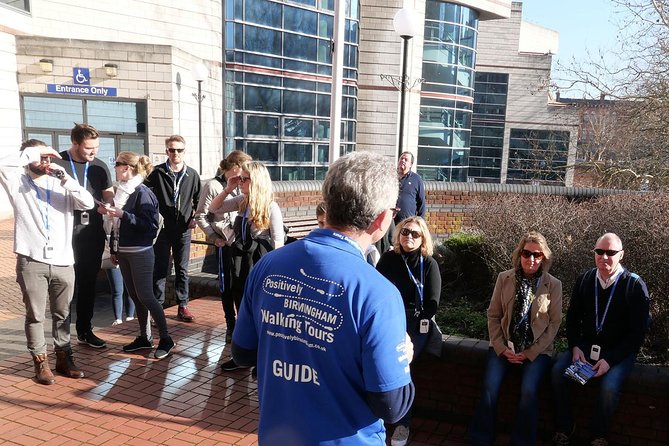
At Brindleyplace, the tour looks at both the past and the modern day. This is a stop that tends to land well because it shows what redevelopment can do when it keeps a relationship to earlier industrial roots.
You are not stuck in a museum here. You are walking through an area that has shaped itself over time, and the guide’s explanation helps you spot the changes. The value is not just what the buildings are, it is why the place developed the way it did.
If your travel style is part sightseeing, part “why did this happen,” this stop works. It also keeps momentum, so you are not bogged down before you reach the canal section.
More on foot, at a pace you can hear the guide

Gas Street Basin: the canal atmosphere that earns the tour’s name
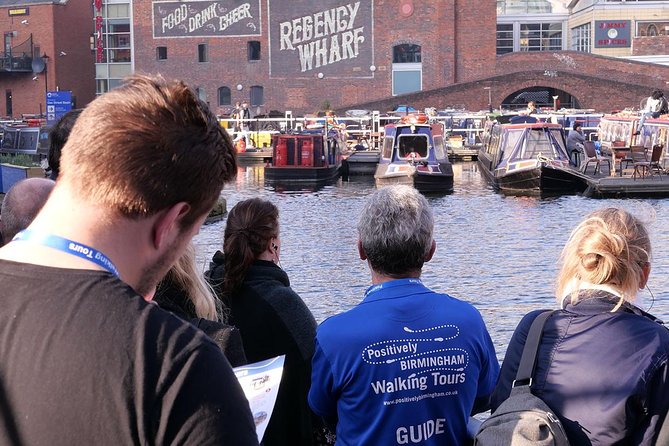
Then you hit the Gas Street Basin area, and this is where the tour’s canal focus becomes most obvious. The guide considers the coming of the canals and why this spot feels like the heart of Birmingham’s canal network.
Even if you are not a dedicated canal enthusiast, you will likely feel the atmosphere shift. It reads as a real place, not just a photo stop. The guide uses the location to make a bigger point about how Birmingham traded, moved materials, and built industry around waterways.
One consideration: since the tour covers Victorian squares and modern developments too, you might want to arrive ready to appreciate the canal story as part of a broader map of the city, not as the only destination.
Tip for you: slow down for this part. Let the scene land, then listen to the guide’s canal context. You will connect the facts more easily when you are not rushing for the next corner.
Victoria Square and Chamberlain Square: how Victorian Birmingham shaped public space
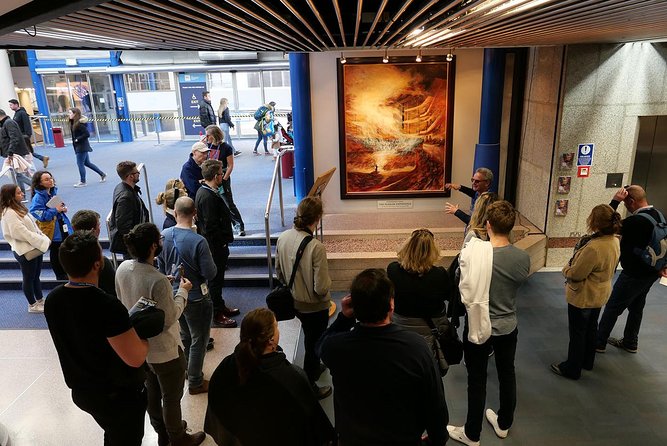
After the canals, the walk leans into the Victorian side of Birmingham through Victoria Square and Chamberlain Square.
This is where the city starts to feel like a planned civic project. The guide looks at public art and the development of Birmingham during the Victorian period, then brings you up to date on how the city has kept reshaping those public spaces.
You also get a sense of how Birmingham thinks about identity. Those squares are not just open space, they are stages. They help you understand why certain buildings feel “important” in a city center, even if you have only been there for a few hours.
If you enjoy street-level history, this segment is a strong payoff. You can stand, look around, and understand what you are seeing in plain language.
Birmingham Museum & Art Gallery, then The Mailbox and The Cube views
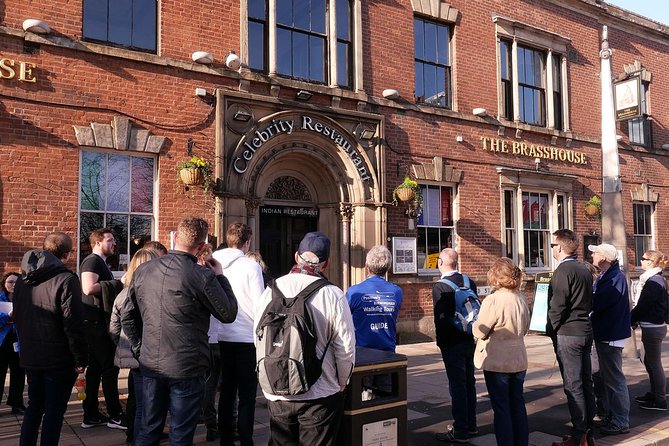
Now the tour moves into the “Birmingham tries new things” zone.
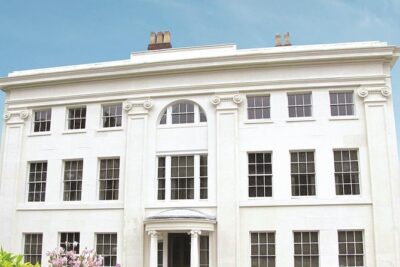
At the Birmingham Museum & Art Gallery, you pass the entrance and take in the remarkable 1880s design of the double portico. This is not a deep museum session, but it is enough to give you a feel for the ambition of the city’s cultural buildings. It also reminds you that the Victorian era was not only about factories. It was also about building cultural institutions.
Next you reach The Mailbox, a former post office sorting office converted into a mixed-use development. This stop is especially relevant if you like the way cities reuse industrial shells. The Mailbox also includes the Birmingham headquarters of the BBC, which adds a media angle to the story you are hearing.
Right after that, you get to The Cube, a major development at the back part of the Mailbox. The highlight here is simple: the upper floors offer some of the best views in the city. Even if you only have a short time, you should make the most of it. Birmingham’s skyline is easier to read when you can see how the different districts sit relative to each other.
If you prefer practical sightseeing, this part is a win. You go from history in stone and iron to a modern city view, and your brain naturally updates the map you started building at the Library.
The Ikon Gallery and Hall of Memory: Art, architecture, and what people built to remember
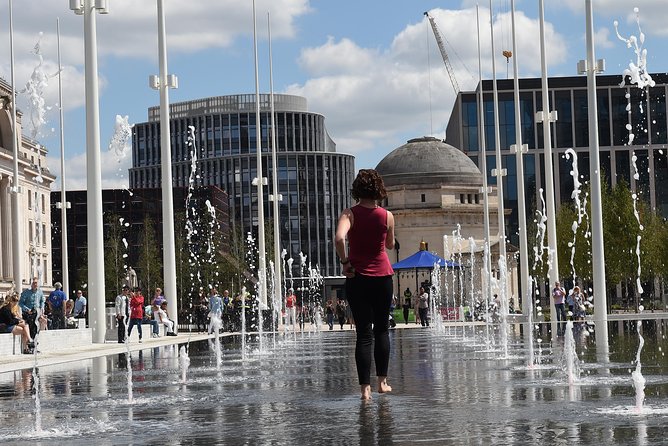
The route includes a quick stop for The Ikon Gallery, which was originally built as a school. The guide also notes that it is one of over forty buildings created by the architects Martin and Chamberlain. That detail helps you see Birmingham’s architecture as part of a bigger pattern, not random decoration.
Then you reach Hall of Memory, an Art Deco memorial built originally in 1925 to remember those who fell in the First World War. The tour also points out it now includes later conflicts, including World War II and more recent ones. You get a chance to appreciate the Art Deco features, including the William Bloye tablets.
This stop is valuable because it adds emotional weight to the tour’s timeline. You have been learning about canals, civic planning, and redevelopment, but Hall of Memory brings you back to what the city chose to preserve, honor, and communicate publicly. It is one of the most meaningful contrasts in the whole walk.
Practical note for you: this is a stop where you might want a quiet moment. Give yourself a minute to look carefully. The guide’s framing helps, but your own attention will make the experience stick.
ICC Mall and the Town Hall return: finishing where Birmingham shows its civic core
As the tour heads toward the end, you pass the ICC Mall, described as the main route from Centenary Square to the canalside. Even though this is a quick stop, it is a helpful “connector” moment. It reinforces the loop you have been walking and makes it easier to understand where things sit relative to each other.
Finally, you reach Birmingham Town Hall, called the oldest building in Victoria Square and dating from 1834. That makes the ending feel grounded. The walk started with a modern library, and it finishes with a building that anchors the civic story of the city center.
If you want to squeeze in more exploring after the tour, this ending location is smart. You are back near Centenary Square, which is a natural launch point for planning your next meal, museum visit, or shopping stroll.
Guides make the difference, and the small-group feel helps
The reviews highlight a pattern: guests consistently mention the guides’ energy, humor, and clear storytelling. Names that show up include Jonathon and Michael, and both are described as engaging and fast-moving in a good way.
That matches the structure of the tour. Because stops are short, you need a guide who can compress information without losing the thread. The audio system helps, but it is still the guide’s job to keep everything coherent. That is where the best guides shine, and the guide lineup here seems to deliver.
You also get a maximum of 35 travelers, which keeps things from turning into a crowd shuffle. You will still be walking with others, but it feels structured enough to stay together.
If you are the type who likes asking questions, this kind of small-group format tends to make it easier. You can also hear the answers through the receiver system, even if you are not standing shoulder-to-shoulder.
Who should book this Birmingham walking tour?
I think this tour is a strong fit if you:
- Want a quick, walkable introduction to Birmingham’s center
- Like connecting themes, such as canals and industry, to visible buildings
- Prefer a guided route with short stops over long, museum-style sessions
- Value an audio system that keeps the story clear while you walk
It is also a good choice for a first visit, especially if you are staying near Centenary Square. You can learn a lot and still have time later for independent exploring.
Who might want a different option?
If your main goal is a deep, slow canal day, this walk may feel like it splits attention too evenly. The canal segment is key at Gas Street Basin, but the rest of the route also covers Victorian civic spaces and modern landmarks like the ICC area and The Mailbox.
Should you book it?
Yes, I would book this Birmingham walking tour if you want a practical orientation that still feels genuinely local. For $20.80 per person and roughly 2 hours, you get a guided loop through major landmarks that tell a connected story. Add the live audio system to the mix, and it becomes a good value way to learn without straining your ears or stopping every two minutes.
My only “think twice” advice is simple: go in knowing this is a balanced themes walk. If you are chasing the maximum amount of canal content, you may be happier with a tour that focuses on canals more exclusively. If you want canals plus Victorians plus modern Birmingham, this one hits the mark.
FAQ
What is the duration and start time?
The tour runs for about 2 hours and starts at 1:30 pm. It ends back at the meeting point.
Where do I meet the guide?
You meet at the Library of Birmingham, Centenary Sq, Birmingham B1 2ND, UK.
What does the $20.80 price include?
The price includes a guided walking experience with a live audio system. Some stops involve included admission, such as Birmingham Museum & Art Gallery, The Mailbox, and The Cube, while many other stops are quick looks.
Do I need earphones for the audio receiver?
You listen using a receiver and your own 3.5mm earphones, or the tour may provide a new pair.
How far is it to walk and how fit do I need to be?
The tour is suitable for people with moderate physical fitness. It is a walking tour, so wear comfortable shoes, but stops are short and structured.
What happens if weather is poor, or I need to cancel?
This experience requires good weather. If it is canceled due to poor weather, you will be offered a different date or a full refund. You can cancel for a full refund up to 24 hours before the experience starts.
More Of Birmingham On Foot




More Midlands Walks


Fresh off the notebook in Birmingham
- Birmingham to Heathrow Airport private taxi transfers
★ 5.0 · 7 reviews - Best of Birmingham 12km Running Tour
★ 5.0 · 12 reviews - Birmingham Private Self-Guided Walking Tour
★ 4.0 · 13 reviews - On the Origins of Charles Darwin: A Self-Guided Audio Tour of Shrewsbury
★ 4.5 · 16 reviews - Taste of Shrewsbury Food and Drink Tour with Guide
★ 5.0 · 22 reviews - Cotswolds Full-Day Tour From Birmingham
★ 4.5 · 30 reviews
Birmingham and the Midlands, compared.
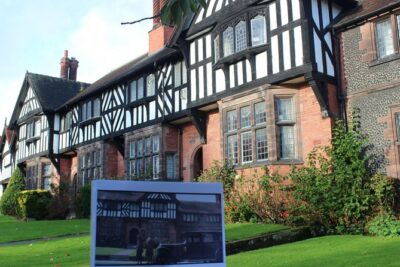 ★ 5.0Peaky Blinders Coach Tour of Outer Liverpool & The WirralFrom $55433 reviews
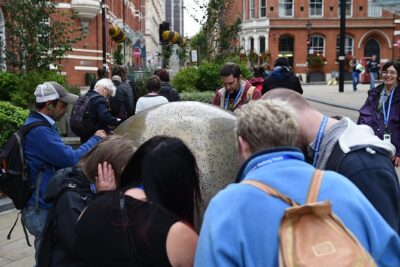 ★ 5.0Discovering Birmingham 2 hour Walking Tour to the Jewellery QuarterFrom $20333 reviews
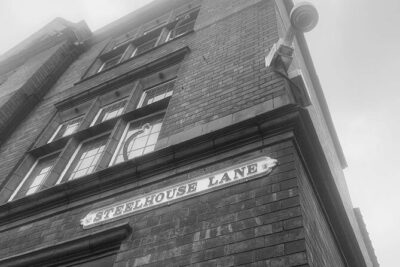 ★ 4.5Birmingham Slogging Gangs Walking Tour with Edward ShelbyFrom $27306 reviews
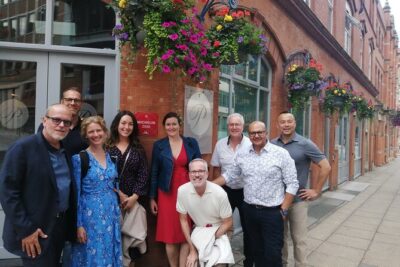 ★ 5.0Birmingham City Centre Daily Walking Tour (10:30am & 2pm)From $19265 reviews
 ★ 3.0SEA LIFE Birmingham Admission TicketFrom $26218 reviews
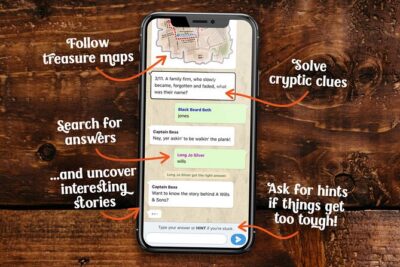 ★ 5.0Fun, Flexible Treasure Hunt Around Birmingham with Cryptic Clues & Hidden GemsFrom $20167 reviews
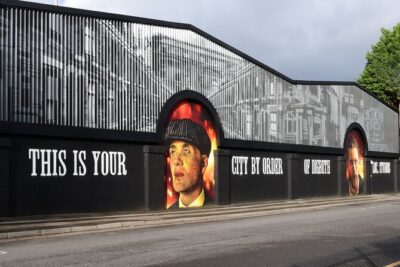 ★ 5.0Digbeth, Public Art & Peaky FilmFrom $1991 reviews
 ★ 5.0Daily Nottingham City Centre Walking Tour (10:30am)From $1981 reviews
Browse the lists this tour appears in