
REVIEW · HISTORICAL TOURS
London’s Alternative History: A Self-Guided Audio Tour
A London walk with stories you did not expect. This self-guided route strings together London’s alternative history with GPS-tagged audio, so each tale lines up with where you’re standing. You start in Covent Garden and end by the Savoy, with offbeat stops that cover names, theatre legends, legal oddities, river engineering, and the rise of electric light.
I like that the audio is designed to be easy to use. You get offline access to audio, maps, and geodata, and the narration includes clear guidance about where to look and when to turn, which makes the whole thing feel almost stress-free. I also appreciate the flexible pacing, since you can pause, linger, or slow down without feeling like you’re falling behind.
One drawback to plan for: you need a smartphone. Also, there are no included tickets, so some places you’ll hear about will be best enjoyed from the sidewalk or steps, not inside.
In This Review
- Key points before you hit start
- How the GPS-Tagged Audio Keeps You Oriented
- Price, Time, and Why Lifetime Access Changes the Math
- Starting at The Piazza, Covent Garden, and Ending by the Savoy
- The Route: Alternative London Stories From Convent Garden to Electric Light
- Stop 1: Convent Garden’s Name Comes From a Medieval Garden
- Stop 2: The Actors’ Church, Memorials, and London’s First Recorded Punch-Up
- Stop 3: The Oldest Theatre Site and Ghosts, Including the Man in Grey
- Stop 4: Trials, Cases, and the Quirky Side of Legal London
- Stop 5: The Lion King Connections and Early Theatre Electricity
- Stop 6: A Grand Building’s Turn from Tudor Palace to Navy Office and Postal History
- Stop 7: Riverside Promenade, Thames Diversion, and Hidden Water Secrets
- Stop 8: The Ladies’ Bridge, Built by Women in World War II
- Stop 9: The Victorian Gas Lamp That Lights Itself (Powered by Sewer Gas)
- Stop 10: The First Public Building Lit Entirely by Electricity, Plus Savoy-Style Parties
- What I Think You’ll Enjoy Most About This Style of Audio Tour
- Who This Tour Fits Best
- Should You Book London’s Alternative History Self-Guided Audio Tour?
- FAQ
- How long is London’s Alternative History: A Self-Guided Audio Tour?
- What does it cost?
- What language is the audio available in?
- Where do I start and where does it end?
- Is the audio tied to where I am on the route?
- Can I use the tour offline?
- Do I get to keep the tour after I finish it?
- What should I bring with me?
- Are service animals allowed?
- What is the cancellation policy?
Key points before you hit start
- GPS-tagged audio keeps the story anchored to specific spots as you walk
- Offline maps and audio help if your signal is weak (or you just want less screen time)
- Lifetime access means you can replay the route on a future trip
- Good pacing and wayfinding make it work even if you get turned around easily
- A high story-to-walking ratio that still covers major sights along the way
Rather go alone? More self led routes here
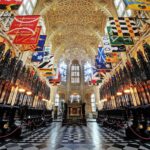
- Westminster Abbey Entrance Ticket Including Audio Guide★ 4.0 · 661 reviews
- Windsor Castle Tour from London with Transportation & Audio Guide★ 3.5 · 222 reviews
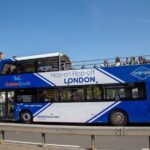
- London Panoramic Open Top Bus Tour with Audio Guide★ 4.0 · 209 reviews
- Emirates Stadium and Arsenal Museum Entrance Ticket Including Audio Guide★ 4.5 · 113 reviews
How the GPS-Tagged Audio Keeps You Oriented
This tour works through VoiceMap on your phone, using GPS to line up the audio with each location. That matters because London’s streets can look similar when you’re moving fast, and the route is built to reduce that “wait, where am I?” feeling.
In practice, you are not just listening. You’re getting gentle directions about where to look, and which way to turn, so you can stay present with the street in front of you instead of wrestling with navigation apps.
Price, Time, and Why Lifetime Access Changes the Math
It costs $9.99 per person, and it runs about 1 hour to 1 hour 30 minutes. That’s a solid deal for a self-guided experience because you’re paying for narration and structure, not for museum admission or a guide’s hourly rate.
The best part is the lifetime access. If you’re the type who likes to rewatch, reread, or re-walk a route after you’ve seen more of the city, this becomes a low-cost add-on that keeps paying off.
One small reality check: since tickets are not included, you may still want to budget for any museum or attraction entry you decide to add on later. The tour itself is built to be complete as an outside walk.
Starting at The Piazza, Covent Garden, and Ending by the Savoy
You begin at The Piazza, 1-7 Covent Garden, London WC2E 8HD, UK. You finish at The Savoy Strand, London WC2R 0EZ, UK.
This is a smart setup if you want an afternoon that feels like “one continuous thread.” You’re moving across central London in a way that ties together theatre landmarks, waterways, and the electric-light story that culminates near the Savoy area.
Also, it’s available essentially all day during the listed operating window, with daily hours from 12:00 AM to 11:59 PM. So you can fit it between meals, or use it as a low-effort way to start a busy day.
The Route: Alternative London Stories From Convent Garden to Electric Light
You’ll hear the route in stops, each one tied to a point you pass. The best approach is to step a little slower than you would normally walk, so you can look up at what the narrator is referencing.
Headphones in: other audio routes we walked

Stop 1: Convent Garden’s Name Comes From a Medieval Garden
Early on, you’ll discover where the area name comes from. Covent Garden traces back to a convent’s garden in medieval times, which turns a modern shopping and performance area into something older in your mind.
Why this stop works: it gives you a mental shortcut. Once you understand the name, you start noticing how London keeps recycling old purposes into new uses.
Stop 2: The Actors’ Church, Memorials, and London’s First Recorded Punch-Up
Next you’ll hear about the Actors’ Church. It’s nicknamed that way because it’s where many famous actors have been memorialized, and it also has the odd claim of London’s first recorded punch-up.
This is one of those stops that makes history feel human. You’re not just absorbing dates, you’re getting a story about personalities and conflict, which makes the theatre world feel less like a museum exhibit.
A practical tip: keep your phone volume comfortable for street noise. Some London corners are lively, so if you’re under-dosing the audio you’ll miss the punchline.
Stop 3: The Oldest Theatre Site and Ghosts, Including the Man in Grey
Then the tour shifts into theatre lore and the supernatural. You’ll learn about the oldest theatre site in London, with stories of performances and ghostly apparitions, including the infamous Man in Grey.
This stop is fun even if you’re not a theatre superfan. Ghost stories are a great way to remember locations, because they stick to places more easily than timelines do.
If you are not into spooky tales, you can still treat this as a cultural-history stop. The theatre emphasis also helps you connect the route to modern London arts, not just medieval or Victorian eras.
Stop 4: Trials, Cases, and the Quirky Side of Legal London
After that, the narration moves from stage drama to courtroom drama. You’ll hear about intriguing cases and famous trials that took place there, showing a quirky side of London’s legal past.
Why it’s valuable: law is often taught as dull. Here, you’re getting the human side of trials, which makes you think differently about the city when you pass historic buildings.
Drawback to consider: legal stories can be detail-heavy in general, and this is a walking tour. If you want to fully absorb every name and case, plan to walk a bit slower and take a moment at the stop before moving on.
Stop 5: The Lion King Connections and Early Theatre Electricity
Now you get the electricity story, but with a theatre twist. You’ll hear about famous productions including The Lion King, plus how early electricity showed up in theatre lighting.
This stop is a clever bridge between entertainment and technology. It also helps you see modern spectacle as part of a longer chain of experimentation, not just a recent invention.
Look around when the audio mentions light and staging. Even if the building itself is not what you expect, the street perspective gives you context for why lighting innovations mattered.
Stop 6: A Grand Building’s Turn from Tudor Palace to Navy Office and Postal History
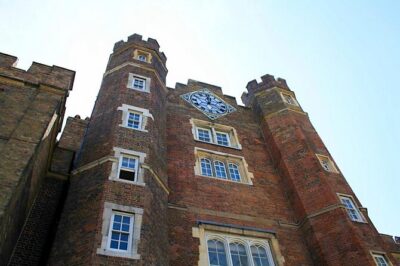
The tour then covers a major building transformation, from Tudor palace to Navy office. It also links the site to the development of the British postal system.
This is where the “alternative history” idea pays off. You’re learning that London’s identity was built by changes in power and logistics, not just by kings and wars.
If you like spotting layers in architecture, this stop will feel satisfying. But if you prefer stories tied to one very specific building facade, you may want to pause longer here and take in the scale.
Stop 7: Riverside Promenade, Thames Diversion, and Hidden Water Secrets
Next you walk along a riverside promenade and hear how its construction involved diverting the River Thames. You also get the idea of hidden river secrets, tied to the engineering changes.
This stop works well because water engineering explains a lot about why cities look the way they do. Once you hear about a diversion, you start recognizing that London’s shoreline is not static.
Practical note: if the weather is windy or rainy, your ability to hear the audio clearly can drop. Keep an eye on your phone settings and consider taking shelter for a minute if needed.
Stop 8: The Ladies’ Bridge, Built by Women in World War II
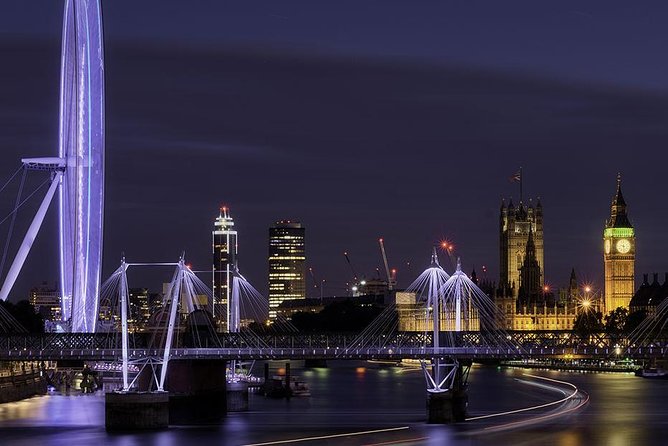
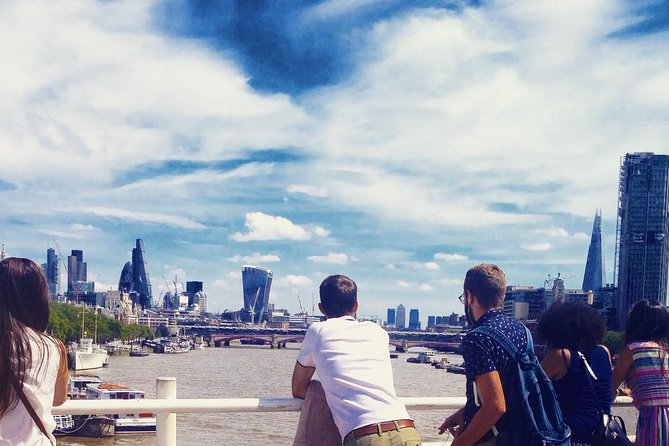
Then comes a standout viewpoint stop: the Ladies’ Bridge. It’s largely built by women during World War II and is known for spectacular views of London.
Even if you’ve seen photos of London viewpoints, this story adds weight. You’re not just looking out, you’re remembering the people who built infrastructure under pressure.
If views are a priority for you, slow down at this stop. The audio gives you context, but the best payoff comes when you look and then let the story settle.
Stop 9: The Victorian Gas Lamp That Lights Itself (Powered by Sewer Gas)
After the bridge, you’ll hear about the last remaining Victorian gas lamp in London. It was powered by sewer gas and earned the nickname The Lamp that Lights Itself.
This is the kind of detail that makes you smile on a walk. It also reminds you that Victorian London solved problems using whatever systems were already in place.
Watch your footing here. This is a stop built around a small feature, so it’s easy to get distracted while stepping around obstacles.
Stop 10: The First Public Building Lit Entirely by Electricity, Plus Savoy-Style Parties
The final stretch brings the electricity story home. You hear about the first public building in the world to be lit entirely by electricity, plus tales of luxurious guests and infamous parties.
This ending is satisfying because the tour is not just “look at a building.” It’s how you got there, and what changed, and who benefited from that change.
If you want to cap it off, stand still for a minute at the end location before starting your next plan. The audio’s final notes work best when you let them.
What I Think You’ll Enjoy Most About This Style of Audio Tour
This tour shines because it solves the big problems with self-guided walks. You get clear guidance tied to location, offline support for the route content, and narration that is paced so you don’t feel rushed.
I also like the design logic behind the content. The route is built to tick off major sights along the way, but the stories keep you from feeling like you’re doing a checklist. Instead of just seeing London, you’re collecting odd facts that explain how the city became itself.
And because it’s private in the sense that only your group uses it, you don’t have to match anyone else’s walking speed. That’s a small thing, but it changes the whole mood, especially if your travel style is slow, photo-heavy, or talk-to-yourself-on-the-street heavy.
Who This Tour Fits Best
You’ll get the most out of this if you like history that isn’t polished into a textbook voice. Theatre ghosts, punch-ups, sewer gas, river diversions, and electric-light bragging rights are the kind of stories that keep your brain engaged while your feet do the work.
It also fits if you have a time window and want an easy plan. At about 1 hour to 1 hour 30 minutes, it can work as a day-starter, a mid-afternoon activity, or a structured walk between bigger plans.
One more fit question: you should be comfortable using your phone for audio and navigation help. Since a smartphone is not included, you’ll need your own device and enough battery to keep the whole route running.
Should You Book London’s Alternative History Self-Guided Audio Tour?
If you want a low-cost London walk with GPS-timed stories, this is an easy yes. The value isn’t just the price, it’s the combination of offline access, lifetime replays, and narration that helps you stay oriented.
Book it if:
- You like offbeat history and theatre stories
- You want flexibility to pause and take your time
- You appreciate audio guidance that tells you where to look and turn
Skip or reconsider if:
- You do not want to use a smartphone as your guide
- You need included tickets for every major stop, since this is designed as a walk-and-listen experience
If you fall somewhere in the middle, this is still a strong pick. It’s one of those activities that turns an ordinary stroll into a themed walk, without forcing you into a rigid schedule.
FAQ
How long is London’s Alternative History: A Self-Guided Audio Tour?
It takes about 1 hour to 1 hour 30 minutes.
What does it cost?
The price is $9.99 per person.
What language is the audio available in?
The tour is offered in English.
Where do I start and where does it end?
You start at The Piazza, 1-7 Covent Garden, London WC2E 8HD, UK. You end at The SavoyStrand, London WC2R 0EZ, UK.
Is the audio tied to where I am on the route?
Yes. The audio commentary is GPS-based so it is tagged to each location.
Can I use the tour offline?
Yes. Offline access is included for the audio, maps, and geodata.
Do I get to keep the tour after I finish it?
Yes. You get lifetime access to the London’s Alternative History Tour.
What should I bring with me?
You should bring a smartphone, since it is not included.
Are service animals allowed?
Yes. Service animals are allowed.
What is the cancellation policy?
You can cancel for a full refund if you cancel up to 24 hours in advance. If you cancel less than 24 hours before the start time, the amount paid is not refunded.
More History Led Walks





More Routes With Headphones In



Routes You Can Walk Unaccompanied
Fresh off the notebook in London
- Witchcraft, Ancient Cults & MI15 Spy Secrets
★ 4.0 · 3 reviews - Arrival Transfer: London Train Stations to London Hotels
★ 5.0 · 3 reviews - Royal Afternoon Tea & Walk at Kensington Palace
★ 4.5 · 3 reviews - Bridgerton Tour in London
★ 5.0 · 3 reviews - Private Transfer from central London to Southampton Cruise Terminal
★ 5.0 · 3 reviews - Photographer, Professional Photo Shoot – London
★ 5.0 · 3 reviews
Historical Tours, compared.
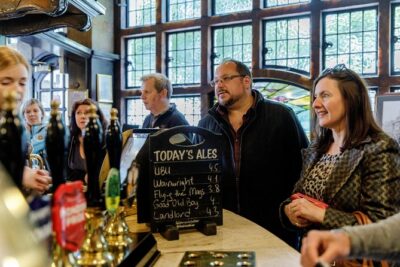 ★ 5.0London Small Group Tour of Historical PubsFrom $4010,422 reviews
 ★ 5.0Soho Music & Historic Pubs TourFrom $441,993 reviews
 ★ 5.0Shadows of York: Ghost Walk and Horrible History.From $181,403 reviews
 ★ 5.0Private Historical Walking Tour of YorkFrom $1951,324 reviews
 ★ 5.0A Walk Through Time: History of Liverpool Walking TourFrom $27911 reviews
 ★ 5.0Royal Historic Pubs Walking Guided Tour in LondonFrom $44803 reviews
 ★ 5.0Private Group: Historical Pub Walking Tour of LondonFrom $173660 reviews
 ★ 5.0Best Of Liverpool Heritage, History & Culture Guided Walking TourFrom $31539 reviews
Browse the lists this tour appears in