
REVIEW · HISTORICAL TOURS
Roman Ruins to Blitz Bombings: A Walking Tour of London’s Fiery History
London’s scars teach better than textbooks. This 2-hour walking tour links major sights to the city’s harsh turns, led by Tom, in a small group that stays easy to ask questions in. You also get pointed toward free stops along the way, so the day can feel more like a guided route plus local homework.
Two things I really like: I love how often the guide gives you context that makes each place feel connected, not just photographed. I also like that the pace gives short on-site time at each stop, with plenty of walking between them, which is good if you want to see multiple eras without sitting through lectures.
One caution. This can be a long walk overall, and the tour is not a good fit if you have mobility limits.
In This Review
- Key points worth knowing
- A “Roman Ruins to Blitz Bombings” London route you can actually walk
- Where you start, where you finish, and how that helps
- Tower of London start: a royal palace you can view first
- St Dunstan in the East: WWII scars in a garden setting
- The Monument to the Great Fire of 1666: a landmark built from a turning point
- London Stone: legends you can spot without extra tickets
- Bank of England Museum and Guildhall: where governance meets London street life
- St Paul’s Cathedral: a Wren-era finish that feels cinematic
- The guide makes this tour: Tom’s style and why it keeps attention
- Walking pace, time at stops, and what to wear
- Tickets and the real cost: where the $27.78 fits
- Who this tour suits best, and who should skip it
- Should you book this walking tour?
- FAQ
- How long is the tour?
- What is the meeting point and where does the tour end?
- Is the tour offered in English?
- What size is the group?
- Do I need to buy admission tickets for each stop?
- Do they provide a mobile ticket?
- Is this tour near public transportation?
Key points worth knowing
- Small group size (up to 15) keeps the tour personal and question-friendly
- Mobile ticket means less fuss on the day
- Fire, war, and royal power sites are packed into a route you can follow on foot
- Some stops are free while others require you to budget for admission tickets
- Guides your route end-to-end from Trinity Square to Fleet Street
More on foot, at a pace you can hear the guide
- Tour for Muggles The Ultimate Harry Potter Walking Tour in London★ 5.0 · 4,684 reviews
- London Jack The Ripper Guided Walking Tour★ 5.0 · 3,131 reviews
- Changing of the Guard Guided Walking Tour in London★ 5.0 · 1,793 reviews
- The Great British Rock and Roll Walking Tour★ 5.0 · 1,371 reviews
A “Roman Ruins to Blitz Bombings” London route you can actually walk
This tour is built for people who like their London history in the form of streets, stone, and named places. The title promises a connection between older London and the 20th century, and the stops match that theme by pairing early significance with wartime reminders.
I like that you are not stuck at one museum. You move. You reset your eyes. You walk past one era, then another, then another. That makes the story easier to hold in your head, especially when the guide keeps things organized around what you are looking at right then.
And even though the stop times are short, you still get more than a quick photo op. The route is designed to keep momentum while the guide uses what you see to explain why London changed the way it did.
Where you start, where you finish, and how that helps
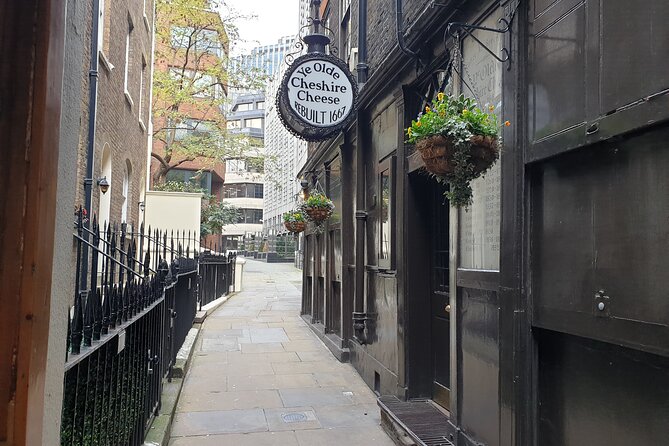
You meet at 38 Trinity Square, London EC3N 4DJ, near Blackfriars Station area, and the tour ends at Ye Olde Cheshire Cheese, 145 Fleet St, London EC4A 2BP, outside the pub. Starting in the Trinity Square zone and ending near Fleet Street is practical, because it lines up well with a lot of onward plans in central London.
The meetup point matters because you spend less time hunting. And ending at a pub you can recognize is useful if you want an easy next step for a meal or a quick drink.
If you like to keep the rest of your day flexible, this end point is handy. After the tour, you can walk out in different directions without needing extra transit just to regroup.
Tower of London start: a royal palace you can view first
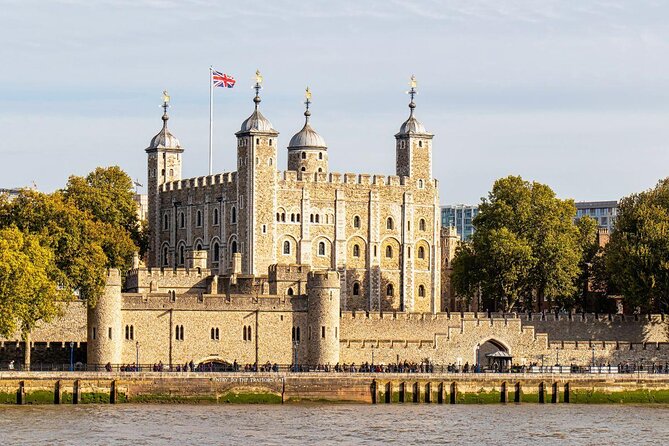
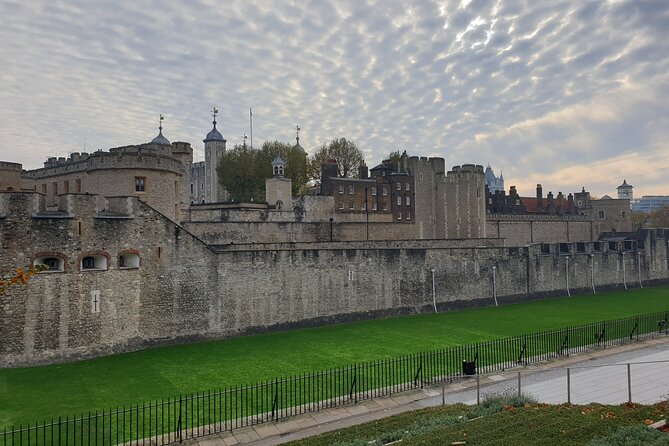
The first major stop is the Tower of London, described as Europe’s oldest surviving royal palace. It is a strong way to open, because it anchors the walk in a place people associate with authority and power, long before the story turns to destruction and repair.
Plan on this being a stop where you may choose your own level of ticketing. The tour lists that an admission ticket is not included here, so you will want to decide in advance if you want to pay for entry or just observe the area and keep moving with the group.
Why this opening works: it sets the tone. Even if you know little about the Tower, the guide can use the contrast between royal permanence and later change to frame what is coming next.
St Dunstan in the East: WWII scars in a garden setting
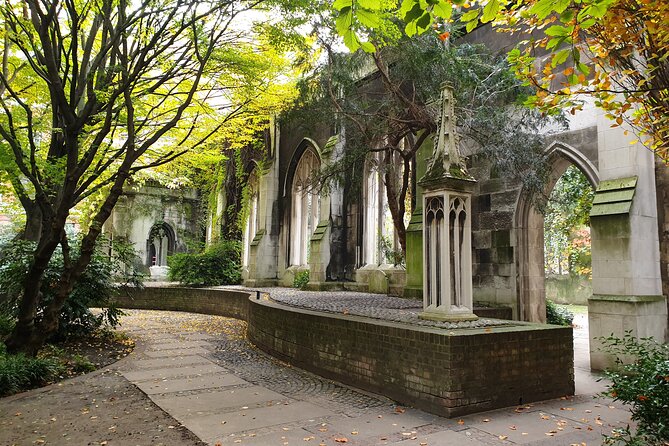
Next is St Dunstan in the East, with the focus on the gardens of a medieval church that was destroyed in the Second World War. This stop is brief, but it is the kind of place where the atmosphere does the talking.
You get a free stop here, since admission is free. That matters for value and time. You can focus on what is in front of you without worrying about additional tickets, and you can spend more attention on the guide’s explanations since you do not have a separate entry line or price decision.
This is also a key emotional shift. Early London sites can feel grand. Wartime reminders feel personal, even when you keep the visit short. The tour’s structure makes that contrast clear without dragging it out.
More history led walks worth the hour

The Monument to the Great Fire of 1666: a landmark built from a turning point
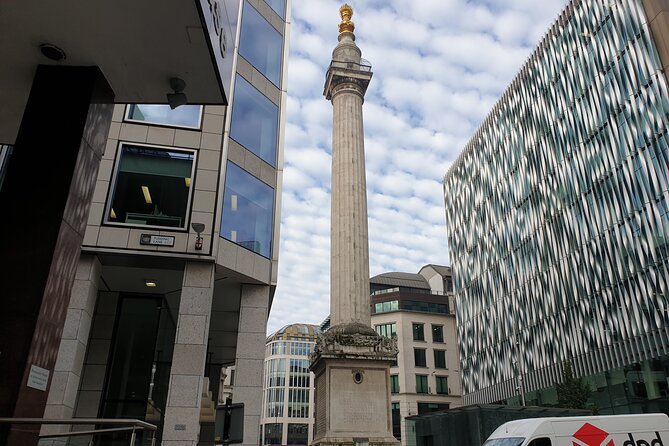
Then you move to the Monument to the Great Fire of London, tied to 1666. Like the St Dunstan stop, this is listed as not including admission tickets, so again, you decide whether you want to pay for access or keep it to the exterior area while listening.
I like the way this part of the walk changes the subject from war to fire. Even though the tour is short at each site, it keeps stacking “what changed London” moments. That makes the route feel like a timeline you can walk through.
One practical benefit: the Monument stop helps you slow down even if you are moving quickly. It is a named landmark people recognize, and that helps you orient yourself in the route.
London Stone: legends you can spot without extra tickets
Another free stop is the London Stone, described as a stone with amazing legends attributed to it. You do not need to plan for another admission fee, which makes it easier to keep the budget controlled.
This is also a fun kind of stop if you like stories. The descriptions here lean into the legends attached to the object, and that is a different flavor from the big “big building” stops like the Tower or St Paul’s. It gives the tour some variety, and it helps you see London history as something people talked about and repeated.
One small drawback for some people: because the stop is short, you will want to be present, ask questions, and listen closely if you care about the details. If you tune out, you might miss the reason the guide thinks this stone matters.
Bank of England Museum and Guildhall: where governance meets London street life
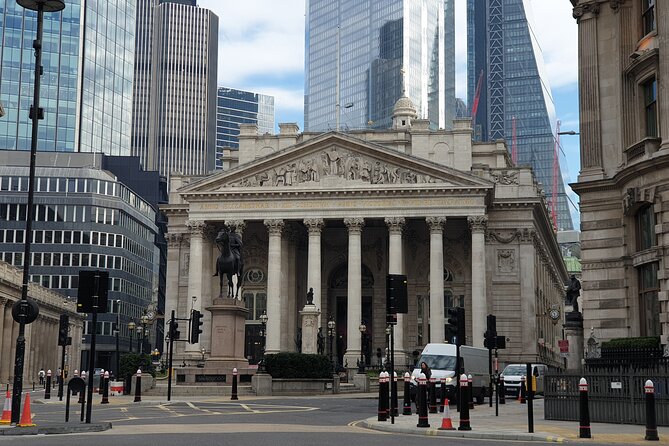
After the fire and legends, the route brings you into institutions that shape everyday life: the Bank of England Museum and Guildhall.
The Bank of England Museum is listed as not including admission tickets, so that is another point where you might pay separately if you want the inside. The guide can still explain what you are seeing from the outside and the general idea behind the museum stop, but your final level of access depends on your ticket choice.
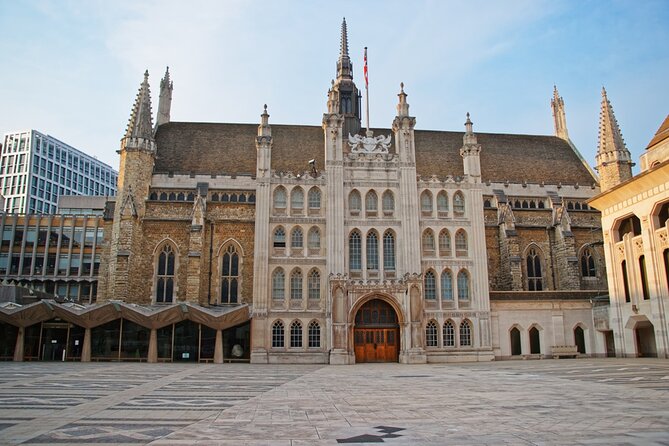
Next is Guildhall, described as a 15th-century hall and home to the Corporation of London. Again, admission tickets are listed as not included. Even without entry, the stop is useful because it reinforces the theme of power and institutions in London’s story.
If you like history that ties into how a city functions, these two stops are a good balance. It is not only about catastrophes. You also see the machinery of authority that survives, rebuilds, and governs.
St Paul’s Cathedral: a Wren-era finish that feels cinematic
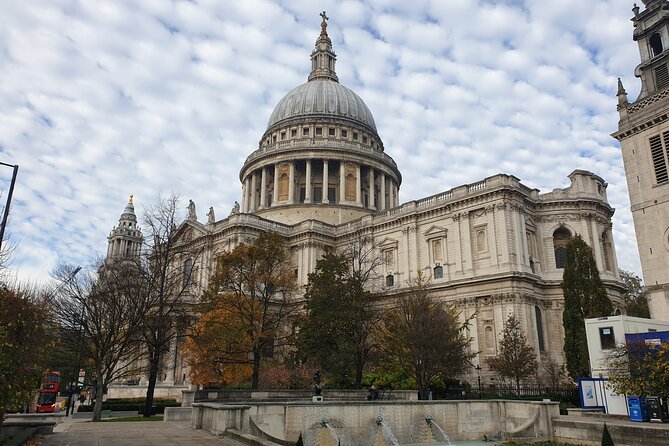
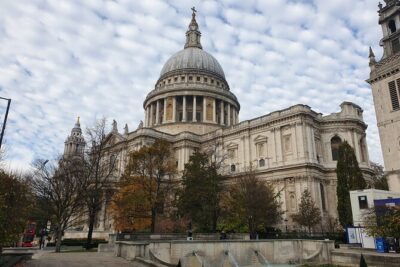
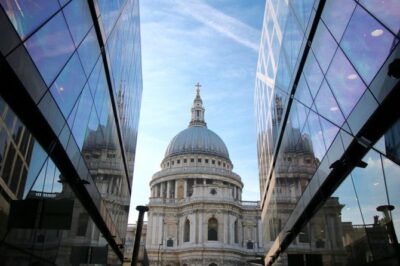
The last stop is St Paul’s Cathedral, connected to Christopher Wren and described as a seventeenth-century cathedral. This ending works well because it is a major visual anchor for many visitors, and it gives the walk a clear, recognizable finish line.
As with several stops, admission tickets are not included. But even if you skip entry, the cathedral setting can feel like a natural capstone for the day. The tour has moved from royal power to destruction to rebuilding themes, and St Paul’s fits that emotional arc.
After the final stop, you are brought back to the Fleet Street area where the tour ends. That makes it easy to continue without planning your next logistics right away.
The guide makes this tour: Tom’s style and why it keeps attention
From what I gathered, Tom is the reason the tour works for both serious history fans and people who just want to understand what they are seeing. The stories are engaging, and questions feel welcomed rather than rushed.
A few review themes map to what you will likely experience during the walk. Tom’s approach is clear enough that you do not feel buried in facts, yet you still get enough specifics to feel like you learned something real. He also gives good suggestions for where to go next after the tour, including local spots to enjoy once you have your bearings.
If you care about small details, the tour also has a way of spotting them for you. The guide points out side attractions and even areas where you can find free museums with Roman ruins and artifacts. That is one reason the tour can feel more valuable than a straight “see the famous things” route.
Walking pace, time at stops, and what to wear
On paper, each listed stop is about 5 minutes. In reality, you should plan for more time built into the walking between places, plus the guide’s side comments and optional opportunities the route points out.
That is why the overall feeling can be more intense than the number of stops suggests. If you have limited stamina, you will want to think twice. One strong piece of practical advice: if you are worried about mobility, ask yourself how you handle an extended city walk, not a quick museum visit.
What to wear: comfortable shoes. Bring a water bottle if you can. Dress for changeable London weather, because a “two-hour walk” can start mild and end cool.
The tour is in English, and it runs with a maximum of 15 travelers, so you will likely be able to hear well and move as a group without feeling squeezed.
Tickets and the real cost: where the $27.78 fits
The tour price is listed at $27.78 per person for a roughly 2-hour walking experience. That price gets you the guided walk and the route, not automatically the admission tickets for every stop.
Here is the practical way to think about value: you are paying for someone to connect the sites and point you to what matters, while you choose which inside visits to fund separately. Some stops are free (like St Dunstan in the East and London Stone), which helps keep the total day cost reasonable even if you pass on paid entry elsewhere.
At other stops, admission tickets are not included (Tower of London, Monument to the Great Fire, Bank of England Museum, Guildhall, and St Paul’s Cathedral). If you want inside access at multiple places, you should budget for that upfront.
For many people, that division is a win. You can treat the tour as the “story and route” part, then spend money on the exact entries you care about most.
Who this tour suits best, and who should skip it
This is best for history lovers who want a guided, street-level way to understand London’s major turning points. It is also a solid option if you like guided attention in a small group setting and you do not want to feel locked into a long museum timeline.
You will probably enjoy it most if you like learning through contrast: royal authority, then wartime destruction, then fire-era change, then institutional power, and finally a cathedral finish.
If you have mobility issues, take the walking aspect seriously. This tour can feel like a long walk, and short stop times do not cancel the walking time between them.
Should you book this walking tour?
I think it is a good booking choice if you want a focused route through London’s most dramatic “change” moments, guided by Tom with an easy tone and clear storytelling. The small group size, the route variety, and the guide’s habit of pointing out where Roman ruins and artifacts show up for free are strong reasons to sign up.
Skip it if extended walking is a problem for you, or if you prefer a mostly seated, low-steps experience. Also consider your ticket strategy. Since several stops require admission tickets not included, it helps to plan which places you actually want to go inside.
FAQ
How long is the tour?
It runs for about 2 hours (approx.), with short time at each stop.
What is the meeting point and where does the tour end?
You start at 38 Trinity Square, London EC3N 4DJ, and the tour ends outside Ye Olde Cheshire Cheese at 145 Fleet St, London EC4A 2BP.
Is the tour offered in English?
Yes, it is offered in English.
What size is the group?
This tour has a maximum of 15 travelers.
Do I need to buy admission tickets for each stop?
Not for every stop. Some places are listed as free, while others list admission tickets as not included. So you may need to buy separate tickets depending on where you want access.
Do they provide a mobile ticket?
Yes, the tour includes a mobile ticket.
Is this tour near public transportation?
Yes, it is near public transportation, and the meeting area is in central London. Service animals are allowed, and most travelers can participate.
More History Led Walks






More Of London On Foot






Fresh off the notebook in London
- Private Rock ‘n’ Roll Music Tour of Central London
★ 5.0 · 7 reviews - London Walking Tour: Camden Town Photography Walkabout
★ 5.0 · 7 reviews - Private Transfer from London accommodation to Cruise terminal
★ 5.0 · 7 reviews - Amazing Nightlife in London East Tour
★ 4.5 · 7 reviews - The British Museum: a highlights tour with a TV historian
★ 5.0 · 7 reviews - Heathrow Airport to Cambridge private taxi transfers
★ 5.0 · 7 reviews
Historical Tours, compared.
 ★ 5.0London Small Group Tour of Historical PubsFrom $4010,422 reviews
 ★ 5.0Soho Music & Historic Pubs TourFrom $441,993 reviews
 ★ 5.0Shadows of York: Ghost Walk and Horrible History.From $181,403 reviews
 ★ 5.0Private Historical Walking Tour of YorkFrom $1951,324 reviews
 ★ 5.0A Walk Through Time: History of Liverpool Walking TourFrom $27911 reviews
 ★ 5.0Royal Historic Pubs Walking Guided Tour in LondonFrom $44803 reviews
 ★ 5.0Private Group: Historical Pub Walking Tour of LondonFrom $173660 reviews
 ★ 5.0Best Of Liverpool Heritage, History & Culture Guided Walking TourFrom $31539 reviews
Browse the lists this tour appears in