
REVIEW · BIRMINGHAM AND THE MIDLANDS
Pride History of Birmingham Tour
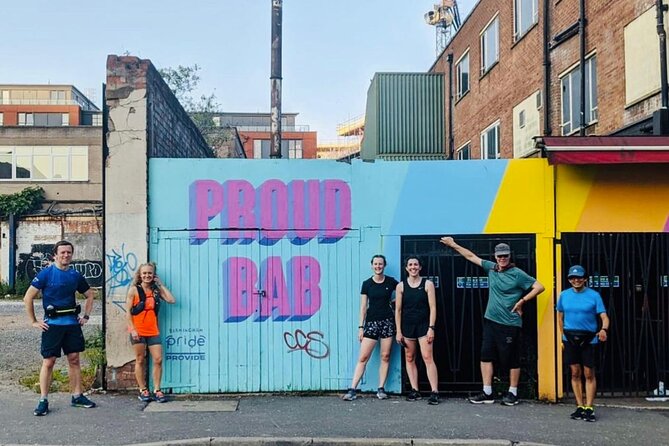
Queer history, mapped street by street in Birmingham. This 1.5 to 2 hour Pride History Tour traces how Birmingham’s Gay Village formed, starting at the original Nightingale Club site and working through key venues tied to real turning points. I especially loved the way the route uses specific places to explain the big story, not just general facts.
Two standouts for me were the guide-led storytelling energy, including mentions of guide Darren and how he helped people feel connected, and the built-in choice to walk or run the 5km section at your pace. The main drawback to plan around is that the tour needs good weather, and it covers real ground, so comfortable shoes matter.
In This Review
- Key Highlights You Should Know
- A Pride History Tour That Turns Streets Into Meaning
- Meeting at Nightingale Club, Then Catching the Orange Clue
- Gay Village Route: 5km of Stories, Not Sightseeing
- The Venues You’ll Hear About, and Why They Matter
- Smithfield and Birmingham Pride: The Place Pride Calls Home
- Sidewalk Gay Bar: The Ending Stop That Locks In the Story
- Price and Value: What $481.69 Gets You
- Timing and Practical Tips for a 6:00 pm Start
- Who This Tour Suits Best
- Should You Book This Pride History Tour?
- FAQ
- Where does the tour start and what time does it begin?
- How long is the Pride History walk or run?
- What stops are included on the route?
- Is admission included for the stops?
- How large are the groups?
- What happens if the weather is bad or if plans change?
Key Highlights You Should Know
- Starts at the original Nightingale Club site (1969), just after decriminalisation of homosexuality
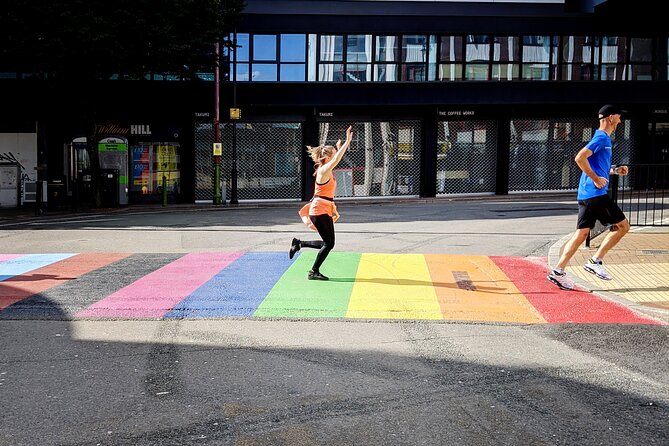
- 5km route through the Gay Village, with walk or run options
- Landmarks include Pride House, the AIDS and HIV Memorial, Eden Bar, Jester, The Fox, Missing Bar, and The Rhino
- A Smithfield spin near Birmingham Pride, plus a look ahead at what could threaten the village’s survival
- Small groups up to 25 people, led by Run of a Kind Birmingham
- Mobile ticket, meeting at 18 Kent St by Nightingale Club
More Midlands walks, canals and all
- Birmingham Walking Tour: Canals, Victorians & Today (1:30pm)★ 5.0 · 346 reviews
- Discovering Birmingham 2 hour Walking Tour to the Jewellery Quarter★ 5.0 · 333 reviews
- Birmingham Slogging Gangs Walking Tour with Edward Shelby★ 4.5 · 306 reviews
- SEA LIFE Birmingham Admission Ticket★ 3.0 · 218 reviews
A Pride History Tour That Turns Streets Into Meaning
If you’ve ever wandered Birmingham and wondered how the Gay Village became what it is today, this tour gives you a map with a pulse. It’s not just a list of venues. The whole approach links LGBTQ+ life to local change, including moments of exclusion, acceptance, and uncertainty. You’ll hear how the story starts around 1969, then moves through the neighborhoods and spaces that shaped community life.
I also like that the tour doesn’t stop at the past. It includes a look ahead, including increased uncertainty for the survival of the village itself. That forward-looking angle makes the walk feel more relevant than a history lecture you quickly forget.
One more thing I appreciated: the route is designed to be active. You’ll cover about 5km through the Gay Village, and you can choose a walk or a run. That means you can match the experience to your energy level instead of forcing everyone into a single pace.
Meeting at Nightingale Club, Then Catching the Orange Clue
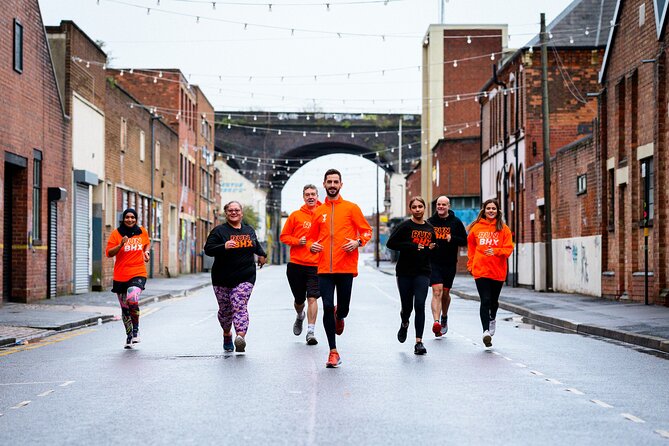
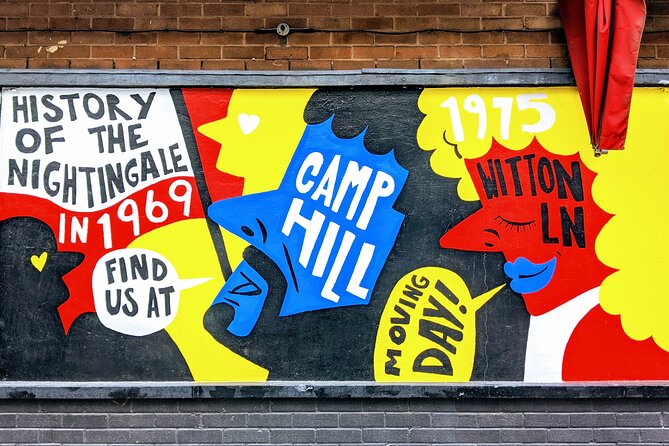
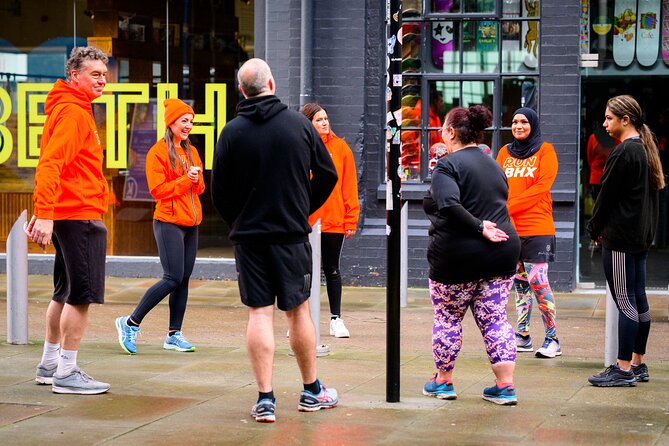
The tour begins at Nightingale Club, 18 Kent St, Birmingham B5 6RD, with a start time of 6:00 pm. When you arrive, you’ll see your guide smiling in orange, which is a simple but helpful way to find the group fast. The session starts with the origin story, anchored to the original Nightingale Club site.
This first stop matters because it sets the tone. The tour frames Nightingale Club as Birmingham’s first and still-standing gay-friendly venue, and it uses that as a starting point to explain why early LGBTQ+ spaces were so important. After the intro, you’re not just leaving with trivia. You’re building context for every later venue on the route.
One practical detail: admission at the Nightingale Club stop is marked as ticket not included. So if anything there requires entry, plan on covering that separately.
Gay Village Route: 5km of Stories, Not Sightseeing
After the kickoff, you move into the heart of the Gay Village. This is the big portion of the experience, about 1 hour 40 minutes listed for this section, and it’s where the tour’s structure really shines. You’ll follow a 5km path through multiple influential venues and moments from Birmingham’s LGBTQ+ scene.
What makes this section valuable is the way the places connect. You’re not just “passing by” names. You’re learning why they mattered. For example, the tour includes Pride House and the Pride Festival location, so you get the sense of how community events grew and where they landed in real, walkable space.
The route also includes serious memorial work, with the AIDS and HIV Memorial on the list. That’s a shift in tone, and it’s important. It helps balance the celebration with the grief and the stakes that communities faced, and it adds weight to the Pride-focused parts of the walk.
The Venues You’ll Hear About, and Why They Matter
The best part of a venue-based tour is when the details feel specific enough to remember. This one leans hard into that. As you move along, you’ll hear stories tied to places like Eden Bar, Jester, The Fox, Missing Bar, and The Rhino.
Even if you’re familiar with the Gay Village now, these names are often just names at street level. On this tour, they become evidence. They show how a neighborhood builds an identity over time, through regular gathering spots, nightlife, safe meeting places, and the social glue that keeps people connected.
And yes, the tour directly connects you to that playful clue about why there are jugs, rhinos, and foxes around town. Instead of treating them as quirky decorations, the tour ties them back to the larger story of the village’s culture and character. That kind of “aha” moment is why I think this format works.
At this stage, admission is marked as free for the Gay Village stop. That helps value, because you’re spending your money on the guided walk and not stacking extra entry fees mid-route.
More history led walks worth the hour
Smithfield and Birmingham Pride: The Place Pride Calls Home
Midway through the Gay Village area, you’ll also spin around Smithfield’s, described as home of Birmingham Pride. That’s a small activity, but it’s not random. Smithfield is included to underline where big Pride energy lives in the city, and it gives the walk a celebratory punctuation mark.
I like that the tour includes both “where it happens” and “how it got there.” You’re not only learning what the Pride Village looks like today. You’re seeing how the city’s LGBTQ+ story has rhythms, spaces for festivals, and places for community identity.
The same section also leads into the tour’s forward-looking portion, covering a future of increased uncertainty for the survival of the village itself. That’s a real-world note. It shifts the experience from nostalgia into something that makes you think about what protection and support look like for communities.
Sidewalk Gay Bar: The Ending Stop That Locks In the Story
The final piece brings you to Sidewalk Gay Bar, which is described as once a Car Showroom. It’s an interesting framing, because it suggests transformation: ordinary spaces become community spaces, and the neighborhood’s character evolves as people claim it.
This stop is brief, about 10 minutes, and it’s admission ticket not included. So, similar to Nightingale Club, keep an eye on whether you need to pay for entry there. After Sidewalk, you return to Nightingale Club, where the activity ends back at the meeting point.
I like that ending structure. Returning to the start makes the story feel circular. You begin with 1969 and the origin point, then you end by tying the final neighborhood clue back to the bigger arc.
Price and Value: What $481.69 Gets You
At $481.69 per person, this is not a budget stroll. You’re paying for a guided, venue-based walk with a specific theme and a compact group size, plus the walk is built around a clear route and timing. The tour also runs for about 1 hour 30 minutes to 2 hours, which fits easily into an evening plan without eating your whole day.
Here’s how I think about the value:
- You’re getting a small group experience with a max of 25 travelers, which usually makes it easier to ask questions and stay engaged.
- The tour is structured around named venues you’ll actually walk past, including Pride House, the AIDS and HIV Memorial, and multiple well-known bars.
- You get an active format with a 5km walk or optional run, so it isn’t just seated narration.
- You’ll also be using a mobile ticket, which is one less thing to manage on the day.
The main value question is whether you want a focused Pride-history route versus a more general city walk. If you like your touring with a theme and you enjoy hearing how communities formed, this price can feel justified. If you’re after broad highlights with no heavy local context, you might find it steep.
Timing and Practical Tips for a 6:00 pm Start
This tour starts at 6:00 pm. That means you’re walking in evening conditions, which can make the atmosphere feel more alive, especially in nightlife-heavy areas like the Gay Village. Plan for the reality that it’s outdoors for the 5km section.
A few practical tips that will make your experience easier:
- Wear comfortable shoes. You can walk or run, but either way you’ll cover about 5km.
- Bring weather-appropriate clothing. The experience requires good weather, so if rain is likely, come prepared.
- Don’t over-plan the rest of your night. You’ll want buffer time so you don’t feel rushed right after returning to Nightingale Club.
Also note that the tour is near public transportation. So if Birmingham transit is part of your plan, you should be able to connect without too much hassle.
Who This Tour Suits Best
This is best for you if you like walking tours with a point of view and you care about real places and real community change. The tour’s focus on exclusion, acceptance, uncertainty, and the evolving future means it’s not only for Pride tourists. It’s also a strong fit for anyone who wants a more meaningful way to understand Birmingham beyond architecture and shopping streets.
It also works well if you want some flexibility. The walk versus run option lets active travelers keep momentum, while others can stick to a steady pace.
And if you enjoy feeling part of the group, the reviews point to strong guide energy and personal help, including Darren making recommendations and helping people feel more connected.
Should You Book This Pride History Tour?
If you want a Pride-focused Birmingham experience that uses real venues, real community context, and an active 5km route, I’d say book it. The small group size, the named stops, and the guide-led storytelling make it more than a casual wander. The Nightingale Club origin framing and the ending return to the start help the whole story land.
If you hate walking, you’re picky about weather, or you’re seeking a low-cost casual city highlights tour, this may feel like too much effort and too high a price. In that case, consider a lighter option and spend your budget elsewhere.
FAQ
Where does the tour start and what time does it begin?
The tour starts at Nightingale Club, 18 Kent St, Birmingham B5 6RD, UK, and the start time is 6:00 pm. It ends back at the meeting point.
How long is the Pride History walk or run?
You can expect about 1 hour 30 minutes to 2 hours total. The main active portion is a 5km route, which is about 2 hours if you walk or 1.5 hours if you run.
What stops are included on the route?
The tour includes Nightingale Club, multiple stops across the Gay Village area (including Pride House, Birmingham Pride Festival location, the AIDS and HIV Memorial, Eden Bar, Jester, The Fox, Missing Bar, and The Rhino), and Sidewalk Gay Bar. It also includes a spin around Smithfield’s.
Is admission included for the stops?
Admission is marked as ticket not included for the Nightingale Club and Sidewalk Gay Bar stops. The Gay Village stop is marked as admission free.
How large are the groups?
The tour has a maximum of 25 travelers.
What happens if the weather is bad or if plans change?
The experience requires good weather. If it is canceled due to poor weather, you will be offered a different date or a full refund. This experience is non-refundable and cannot be changed for any reason, if you cancel or ask for an amendment.
If it is canceled because a minimum number of travelers is not met, you will be offered a different date or a full refund.
More History Led Walks

More Midlands Walks

Fresh off the notebook in Birmingham
- Birmingham Private Walking Tour with a Professional Guide
★ 4.5 · 4 reviews - Private Birmingham Ghosts and Gallows Walking Tour
★ 5.0 · 5 reviews - Birmingham to Heathrow Airport private taxi transfers
★ 5.0 · 7 reviews - Best of Birmingham 12km Running Tour
★ 5.0 · 12 reviews - Birmingham Private Self-Guided Walking Tour
★ 4.0 · 13 reviews - On the Origins of Charles Darwin: A Self-Guided Audio Tour of Shrewsbury
★ 4.5 · 16 reviews
Birmingham and the Midlands, compared.
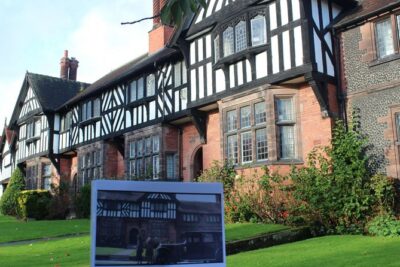 ★ 5.0Peaky Blinders Coach Tour of Outer Liverpool & The WirralFrom $55433 reviews
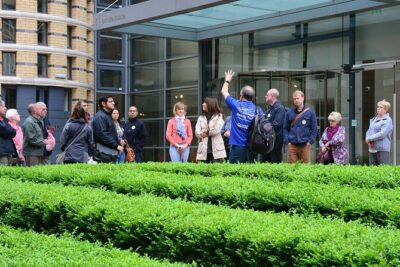 ★ 5.0Birmingham Walking Tour: Canals, Victorians & Today (1:30pm)From $20346 reviews
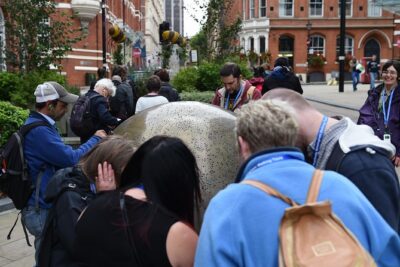 ★ 5.0Discovering Birmingham 2 hour Walking Tour to the Jewellery QuarterFrom $20333 reviews
 ★ 4.5Birmingham Slogging Gangs Walking Tour with Edward ShelbyFrom $27306 reviews
 ★ 5.0Birmingham City Centre Daily Walking Tour (10:30am & 2pm)From $19265 reviews
 ★ 3.0SEA LIFE Birmingham Admission TicketFrom $26218 reviews
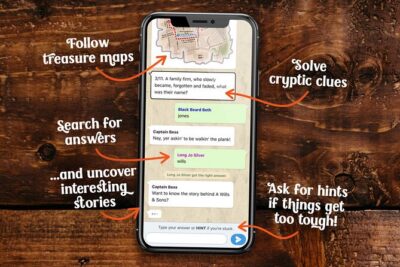 ★ 5.0Fun, Flexible Treasure Hunt Around Birmingham with Cryptic Clues & Hidden GemsFrom $20167 reviews
 ★ 5.0Digbeth, Public Art & Peaky FilmFrom $1991 reviews
Browse the lists this tour appears in